How to lower blood sugar without giving up carbs
Health 16/12/2025 22:19
When we talk about cholesterol, most people assume all LDL cholesterol is equally dangerous. In reality, that’s not true. According to Dr. Annette Bosworth, there are two very different types of LDL cholesterol, and confusing them can lead to misunderstanding your real heart disease risk—especially if you’re taking statins.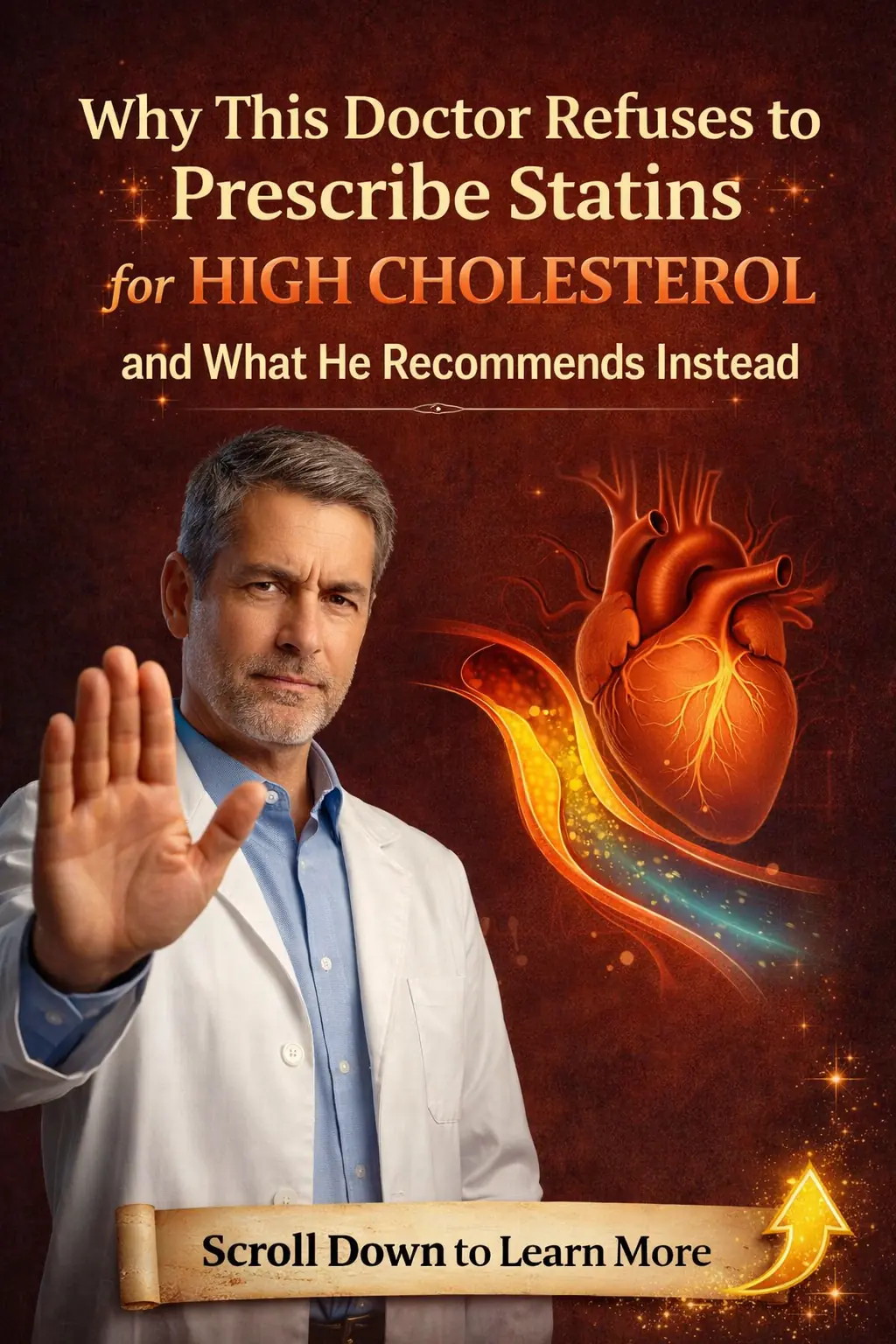
Understanding how cholesterol actually moves through your body helps explain why some people still develop heart disease despite “normal” cholesterol numbers.
A standard cholesterol test doesn’t measure cholesterol itself—it measures lipoproteins, the carriers that transport fats through your bloodstream. Because blood is water-based and fat isn’t water-soluble, your body relies on these lipoproteins to safely move fats like cholesterol and triglycerides.
There are several types of lipoproteins, each with a different role:
Chylomicrons – Large particles that carry fats after eating and are quickly processed
VLDL (Very Low-Density Lipoproteins) – Carry triglycerides from the liver
IDL (Intermediate-Density Lipoproteins) – Transitional particles
LDL (Low-Density Lipoproteins) – Smaller particles that carry cholesterol
And here’s the critical detail most people miss: LDL comes in two forms.
Not all LDL behaves the same way in your body.
Large, fluffy LDL
These particles are bigger and less dense. They tend to circulate and return to the liver without causing much harm.
Small, dense LDL (“bullet LDL”)
These are compact, aggressive particles that easily penetrate artery walls. This is the form most strongly linked to heart attacks and strokes.
Both carry cholesterol—but size and density determine risk, not just the total LDL number.
In a healthy metabolic state, the process is smooth and efficient:
The liver packages fats into lipoproteins
Triglycerides are delivered to cells for energy
Lipoproteins shrink and transform
LDL particles return to the liver to be recycled
This recycling system prevents cholesterol buildup and keeps arteries healthy.
Chronic high insulin—commonly caused by insulin resistance—disrupts this system in several ways:
Liver overload: Excess glucose gets converted into fat, leading to fatty liver and eventually liver scarring
Delayed fat delivery: Cells already overloaded with energy can’t accept more triglycerides
Particle congestion: Lipoproteins linger longer in circulation, increasing the formation of small, dense LDL
Blocked recycling: High insulin prevents the liver from reclaiming these LDL particles
The result is a bloodstream filled with small, dense LDL particles that have nowhere to go.
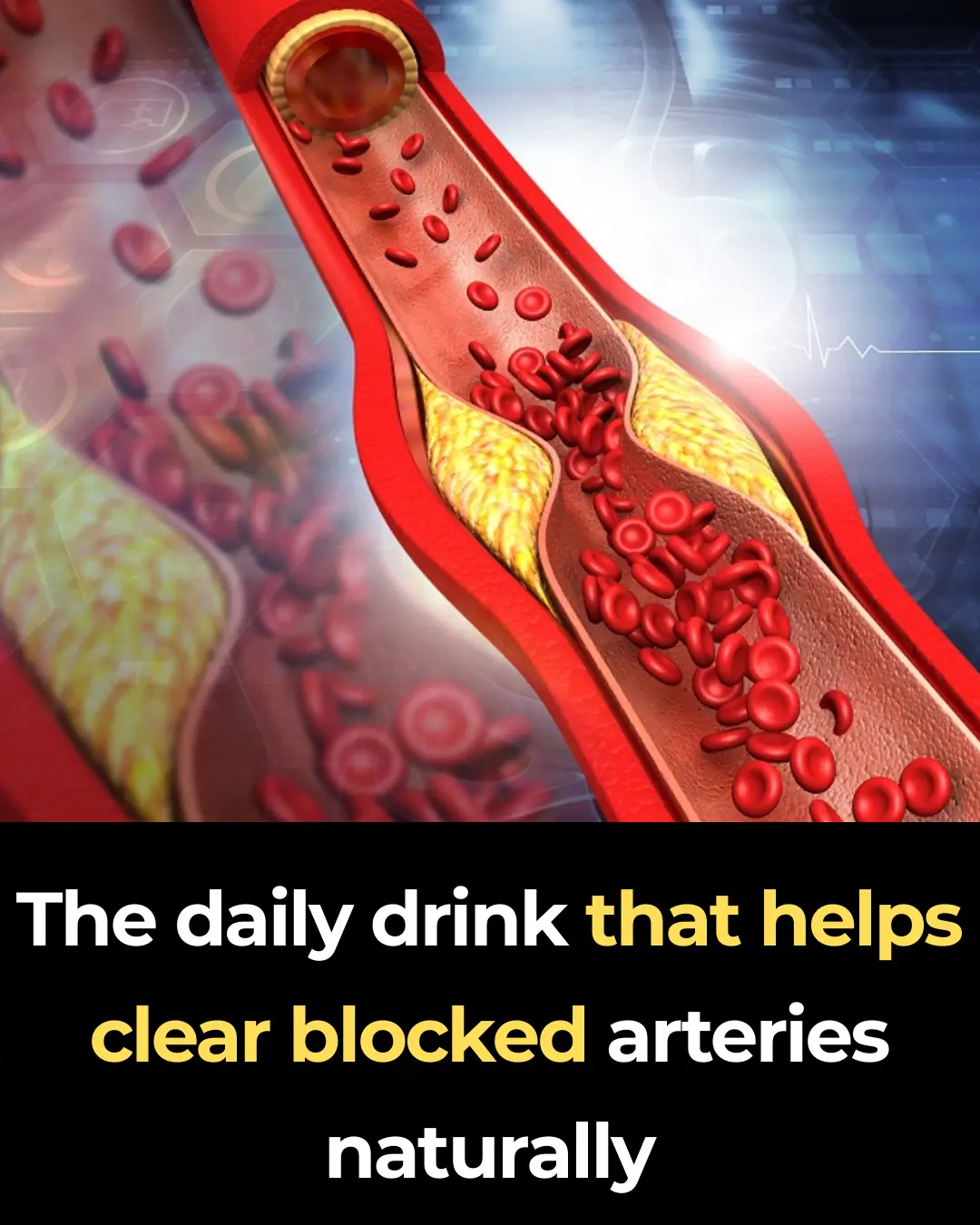
Unlike fluffy LDL, small, dense LDL particles can slip between the cells lining your arteries. Once inside the artery wall, they become oxidized, triggering an immune response.
Over time, immune cells try to clean up the damage, but repeated exposure leads to plaque formation. If that plaque ruptures, it can block blood flow—causing a heart attack or stroke.
This is the real danger zone, and it often develops even when total cholesterol looks “normal.”
Statins reduce the amount of LDL cholesterol circulating in your blood by limiting cholesterol production in the liver. This lowers overall LDL numbers—both fluffy and small, dense particles.
However, statins:
Do not directly remove LDL already embedded in artery walls
Do not fix insulin resistance
Do not address chronic inflammation
This helps explain why large studies show that 50–200 people may need to take statins for years to prevent one heart attack. Statins can be helpful, but they’re not a complete solution.
True cardiovascular protection goes beyond cholesterol numbers. The real drivers of artery damage include:
Insulin resistance
Chronic inflammation
Poor metabolic health
Improving insulin sensitivity through diet, lifestyle changes, and inflammation control is critical for reducing dangerous LDL formation in the first place.
Important: Never stop statin medication without medical supervision. This information is meant to improve understanding—not replace medical advice.
LDL cholesterol is not all the same—small, dense LDL is the most dangerous form
High insulin levels drive the production and trapping of harmful LDL
Statins lower circulating LDL but don’t remove arterial plaque
Addressing insulin resistance and inflammation is essential for long-term heart health
Understanding how your body handles fats and insulin is one of the most powerful steps you can take toward protecting your heart.