The Power of Pine Needles: 30 Benefits and Homemade Uses
Beatuty Tips 16/12/2025 23:52
Vitamin C is one of the most powerful ingredients in skincare, known for its ability to brighten the complexion, reduce pigmentation, and stimulate collagen production. While there are many commercial Vitamin C serums available, making your own at home is a cost-effective and natural alternative that allows you to customize the formula to suit your skin’s needs. In this article, we will show you how to make your own DIY Vitamin C serum that can help you achieve clear, glowing skin with minimal effort and expense.
Vitamin C, or ascorbic acid, has a wide range of benefits for the skin. It acts as an antioxidant, protecting the skin from free radicals and environmental damage caused by pollution and sun exposure. It also helps lighten dark spots, fades hyperpigmentation, and stimulates collagen production, reducing the appearance of fine lines and wrinkles. With these powerful benefits, it’s no wonder that Vitamin C has become a go-to ingredient in many skincare routines.
However, commercial Vitamin C serums can be expensive, and they may contain preservatives or other chemicals that you might want to avoid. Creating your own serum ensures that you are using fresh, natural ingredients without the addition of harmful chemicals or preservatives. Plus, it’s easy to make and can be tailored to your specific skin needs.
(Source: American Academy of Dermatology)
To make an effective and simple Vitamin C serum at home, you will need the following ingredients:
Vitamin C Powder (Ascorbic Acid) – This is the key ingredient in your serum. Ascorbic acid is highly effective in treating pigmentation, fine lines, and skin tone irregularities. Choose a high-quality, pure Vitamin C powder for best results.
Distilled Water – Water acts as the base for your serum, allowing the Vitamin C to dissolve and mix properly. Using distilled water ensures that your serum is free from impurities and bacteria.
Glycerin or Aloe Vera Gel – These ingredients help to hydrate and soothe the skin. Glycerin is a humectant, which means it draws moisture from the air into your skin. Aloe vera gel is soothing and anti-inflammatory, perfect for sensitive or irritated skin.
Vitamin E Oil – Vitamin E is a powerful antioxidant that helps to nourish the skin, promote healing, and extend the shelf life of your serum. It also enhances the effectiveness of Vitamin C in reducing skin damage.
Optional: Essential Oils – You can add essential oils like rosehip oil or lavender oil for additional skin benefits. These oils can provide hydration, help with scars, and reduce redness or irritation.
(Source: Journal of Clinical and Aesthetic Dermatology)
Follow these simple steps to make your own homemade Vitamin C serum:
1 tablespoon of Vitamin C powder (ascorbic acid)
2 tablespoons of distilled water
1 teaspoon of glycerin or aloe vera gel
1 teaspoon of Vitamin E oil
1-2 drops of essential oil (optional)
Dissolve Vitamin C: Start by mixing the Vitamin C powder with distilled water. Stir the mixture gently until the powder is completely dissolved. This will form the base of your serum.
Add Hydrating Ingredients: Next, add the glycerin or aloe vera gel to the mixture. This will help keep your skin hydrated and soothe any irritation. Stir well to combine the ingredients.
Add Vitamin E Oil: Add the Vitamin E oil to the mixture. Vitamin E helps to stabilize the Vitamin C and provides nourishing antioxidants to protect your skin from further damage.
Add Essential Oils (Optional): If you want to enhance the serum with additional benefits, add a drop or two of essential oils. Rosehip oil is excellent for treating scars and fine lines, while lavender oil is known for its calming and anti-inflammatory properties.
Store the Serum: Pour the finished serum into a small, airtight glass container or dropper bottle. Make sure the bottle is dark to protect the serum from light, which can degrade Vitamin C. Store it in a cool, dry place, ideally in the fridge to maintain its freshness and potency.
Apply the Serum: After cleansing your face, apply a few drops of the Vitamin C serum to your face, focusing on areas with dark spots, pigmentation, or fine lines.
Massage: Gently massage the serum into your skin, allowing it to absorb fully before applying your moisturizer.
Frequency: Use the serum once or twice a day, preferably in the morning before sunscreen or at night.
(Source: International Journal of Cosmetic Science)
Use Fresh Serum: Vitamin C is prone to oxidation, which means it can lose its potency over time. It’s best to make small batches that you can use up within a week or two.
Patch Test First: Before applying the serum to your entire face, perform a patch test on a small area of your skin to check for any adverse reactions or irritation, especially if you have sensitive skin.
Store Properly: Keep the serum in a dark, cool place to prevent oxidation. Refrigerating the serum can help extend its shelf life.
Follow with Sunscreen: Vitamin C can make your skin more sensitive to the sun. Always apply sunscreen during the day to protect your skin from UV damage.
(Source: Journal of Investigative Dermatology)
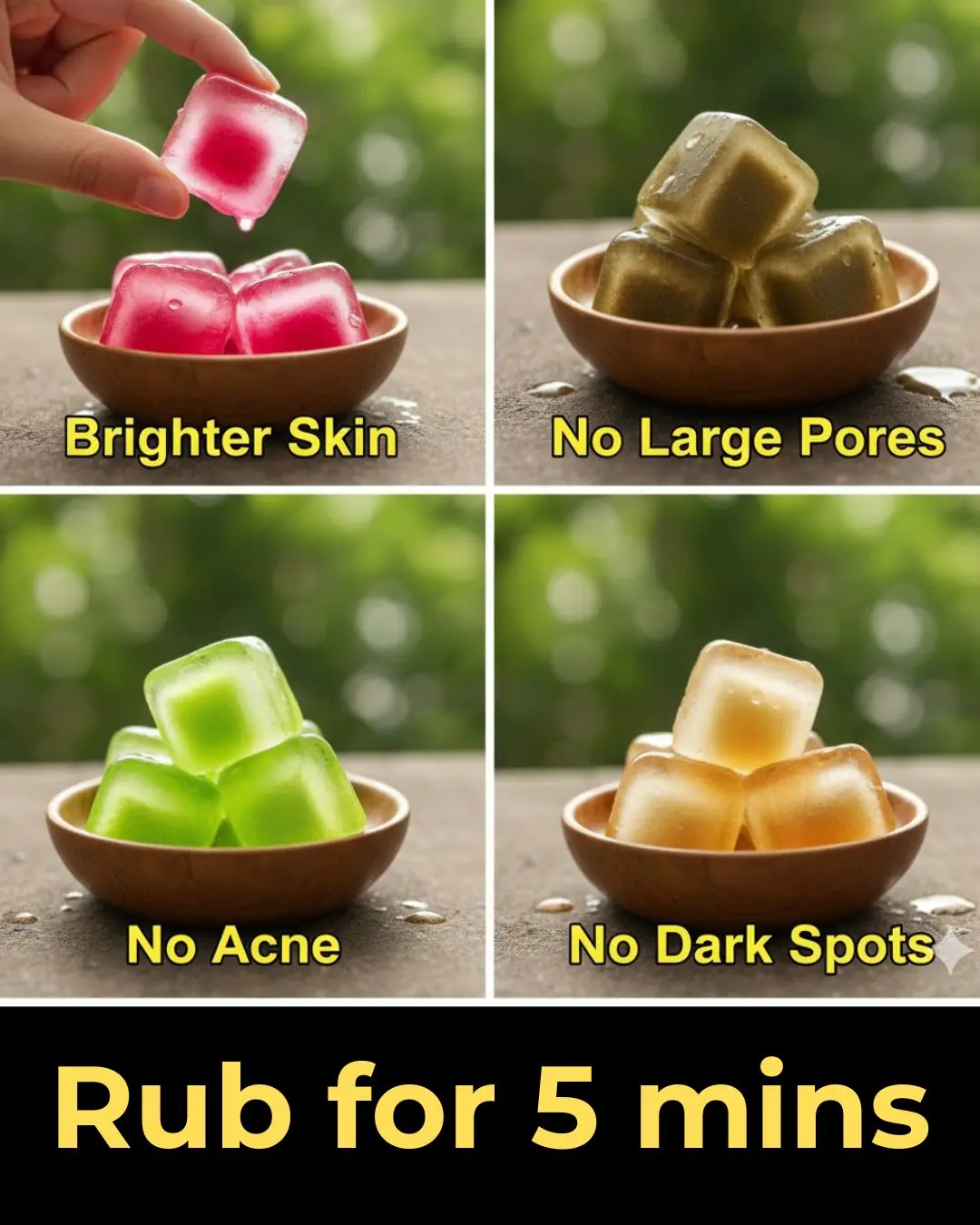
Brightens Skin Tone: Vitamin C helps to lighten dark spots, hyperpigmentation, and acne scars. Over time, it can give your skin a more even, radiant complexion.
Reduces Fine Lines and Wrinkles: Vitamin C stimulates collagen production, which is essential for maintaining skin elasticity. Regular use of Vitamin C serum can help smooth out fine lines and reduce the appearance of wrinkles.
Improves Skin Texture: Vitamin C enhances the skin’s texture by promoting healthy cell turnover. It can also help treat rough, dry, or uneven skin.
Protects Against Environmental Damage: As an antioxidant, Vitamin C neutralizes free radicals caused by pollution, sun exposure, and other environmental stressors. This helps to prevent premature aging and protects the skin’s overall health.
Making your own DIY Vitamin C serum is a simple, cost-effective, and natural way to brighten your complexion, fade dark spots, and reduce signs of aging. With just a few ingredients, you can create a serum that will help rejuvenate your skin, boost collagen production, and protect it from environmental damage. By using fresh, natural ingredients, you can ensure that your skincare routine is as effective and gentle as possible. With consistent use, you’ll be able to enjoy clearer, brighter, and healthier-looking skin.
For more tips on skincare and homemade remedies, check the comments below!