
Group finds spiky creatures in nest – shocked when they realize what they are
Facts 02/06/2026 22:18
You've probably seen those viral claims: "If you sleep like this, you're lazy." It sounds intriguing—and maybe a little alarming. But is there any truth behind it?
I'll admit, I fell for the clickbait once. A late-night scroll led me to an article claiming that people who sleep on their stomachs are "unmotivated procrastinators" who "lack direction in life." I was lying on my stomach when I read it. Suddenly, I felt personally attacked by a stranger's internet content.
But here's what I've learned since then: according to research in psychology and sleep science, your sleep position can reflect certain comfort preferences, physical needs, or subtle personality tendencies—but labeling someone as "lazy" based on how they sleep is a significant oversimplification.
Let me be clear upfront. There is no credible scientific evidence that your sleep position predicts laziness. None. Zero. The studies that link sleep position to personality are correlational at best, meaning they notice patterns but prove nothing about cause. And the "lazy" label? That's pure internet sensationalism designed to make you feel bad so you'll keep scrolling.
Let's break down what your sleep position really says—and what it definitely doesn't—with clarity, compassion, and evidence-based insight.
Before we dive into the research, let's zoom out for a moment.
Throughout history, sleep has been both a biological necessity and a cultural mirror. In some traditions, sleeping posture was tied to spiritual beliefs or health philosophies—from Ayurvedic recommendations (which generally discourage sleeping on your stomach) to medieval European humoral theory (which linked sleep positions to balancing bodily fluids).
Today, social media has revived fascination with sleep positions, often packaging complex human behavior into catchy, shareable myths. TikTok videos claiming that "fetal position sleepers are secretly anxious" or that "starfish sleepers are confident leaders" get millions of views. They're fun. They're engaging. And they're almost entirely nonsense.
While these viral claims can spark curiosity, they frequently blur the line between playful observation and pseudoscience. This article honors that curiosity while grounding the conversation in research: not to debunk your habits, but to help you understand them with nuance and self-compassion.
Because here's the truth: you are not lazy, anxious, bossy, or insecure because of how you arrange your body while unconscious. You're just a person trying to get some rest.
Let's start with what sleep researchers have actually found. Spoiler: none of it is about laziness.
About 95% of people sleep in one of four positions. Here's what the research says about each.
1. Side Sleeping (The Most Common – 60-70% of people)
This is the overwhelming favorite. Side sleepers curl up on their left or right side, often with knees bent.
What research actually shows: Side sleeping is generally the healthiest position for most people. It reduces snoring (by keeping airways open), improves digestion (especially on the left side), and is recommended during pregnancy.
Personality patterns (weak correlations): Some older studies (mostly from the 1990s-2000s) suggest side sleepers tend to be easygoing, social, and trusting. But these are mild tendencies, not personality diagnoses.
Does this mean you're lazy? Absolutely not. Most of the planet sleeps on their side. That would imply most humans are lazy, which is absurd.
2. Fetal Position (The Most Popular Side Variation – 40% of people)
This is side sleeping with legs curled up tightly toward the chest. It's called fetal because it mimics the position of a baby in the womb.
What research actually shows: The fetal position is incredibly common and often indicates a need for comfort or security. People with anxiety or cold sleeping environments prefer this position because it preserves body heat and creates a sense of containment.
Personality patterns (weak correlations): Some researchers suggest fetal position sleepers may be sensitive, introverted, or prone to worry. Again, these are weak patterns, not rules.
Does this mean you're lazy? No. But if you're always curling into a tight ball, you might be cold, stressed, or dealing with anxiety. Those are real concerns worth addressing—not character flaws.
3. Stomach Sleeping (The Least Common – 7-10% of people)
This is lying face down, usually with head turned to one side. It's the least popular position for good reasons.
What research actually shows: Stomach sleeping is generally discouraged by sleep specialists. It strains the neck (because you have to twist your head for hours), flattens the natural curve of the spine, and can cause lower back pain. People with sleep apnea or snoring issues sometimes prefer it because it helps keep airways open—but there are better solutions.
Personality patterns (weak correlations): Some old studies suggested stomach sleepers tend to be more extroverted, bold, or sensitive to criticism. But these studies were small and haven't been replicated.
Does this mean you're lazy? The viral articles love to target stomach sleepers as "lazy." There is zero science behind this. None. Stomach sleeping is simply a comfort preference, often driven by habit or airway anatomy.
4. Back Sleeping (The "Starfish" – 10-15% of people)
This is lying on your back with arms and legs spread out (like a starfish) or close to your sides (the "soldier").
What research actually shows: Back sleeping is generally good for spinal alignment—if you use a proper pillow. But it can worsen snoring and sleep apnea because gravity pulls soft tissues into the airway. People with acid reflux also tend to avoid back sleeping.
Personality patterns (weak correlations): Some older studies suggested back sleepers may be more confident, reserved, or comfortable in their own space (because the starfish position claims territory). But again, these are loose patterns, not personality tests.
Does this mean you're lazy? No. But if you're a starfish sleeper with a partner, they might complain about your sprawl. That's a relationship issue, not a laziness issue.
Let me trace the origin of this nonsense so you can stop worrying about it.
Source #1: Misinterpreted Sleep Studies
In the 1990s and early 2000s, a few small studies asked participants about their sleep positions and then gave them personality questionnaires. Researchers found statistically significant correlations—but correlation is not causation. Just because side sleepers scored slightly higher on "easygoing" measures doesn't mean side sleeping makes you easygoing. It could mean easygoing people prefer that position. Or it could be random chance. These studies were never meant to diagnose personality from sleep position.
Source #2: Self-Help Books and Pop Psychology
Writers looking for catchy content took those small correlations and blew them into personality profiles. Books with titles like "What Your Sleep Position Says About You" sold well because people are curious about themselves. The "lazy" connection appeared somewhere in this chain—probably as a way to make stomach sleepers feel bad (and therefore share the content).
Source #3: Social Media Algorithms
TikTok, Instagram, and Facebook love content that evokes emotion. "If you sleep in the fetal position, you're secretly anxious" gets shares. "If you sleep on your stomach, you're lazy" gets comments. Algorithms amplify the most provocative claims, not the most accurate ones.
The bottom line: The "sleep position = lazy" claim has no scientific foundation. It's entertainment, not evidence.
Since we're on the topic, let's define laziness honestly.
Laziness isn't a sleep position. It's not a personality type you're born with. Laziness, when it exists, is usually:
Persistent avoidance of necessary tasks despite having the ability to complete them
A pattern of choosing the path of least resistance even when effort would lead to better outcomes
Often a symptom of depression, burnout, anxiety, ADHD, or physical illness—not a character flaw
Most people who call themselves "lazy" are actually:
Exhausted (from overwork, poor sleep, or illness)
Overwhelmed (by too many responsibilities with no clear starting point)
Unmotivated (because the task feels meaningless or unrewarding)
Struggling with executive dysfunction (common in ADHD and depression)
If you sleep on your stomach for nine hours and still wake up tired, you're not lazy. You might have sleep apnea, poor sleep quality, or a medical issue. Get that checked. Don't blame your character.
Let me give you the honest, evidence-based answer to "what does my sleep position say about me?"
Your Sleep Position What It Actually Reveals Side (any) You're like 60-70% of humans. Congratulations on being normal. Fetal You might be cold, stressed, or seeking comfort. Check your room temperature and stress levels. Stomach You probably have neck or back pain (or you will eventually). Consider switching positions. Back (starfish) You don't share a bed with someone who complains about space. Or you do, and they're very patient.That's it. That's the list.
Your sleep position reveals your physical comfort preferences, your mattress quality, your pillow height, your room temperature, maybe some mild personality tendencies, and definitely not your work ethic or moral character.
If you're worried about laziness, let's look at actual sleep quality factors that affect your energy and motivation.
Sleep Duration – Adults need 7-9 hours. Chronically sleeping less than 6 hours impairs cognition, mood, and motivation. You're not lazy; you're sleep-deprived.
Sleep Consistency – Irregular bedtimes confuse your circadian rhythm. Going to bed at 10 PM some nights and 2 AM others makes you feel jet-lagged without leaving home.
Sleep Environment – A hot, bright, noisy room fragments sleep. Keep your bedroom cool (65-68°F), dark, and quiet.
Undiagnosed Sleep Disorders – Sleep apnea, restless leg syndrome, and insomnia are real medical conditions. If you snore loudly, wake up gasping, or feel exhausted after 8 hours in bed, talk to a doctor.
Stress and Mental Health – Anxiety and depression are major sleep disruptors. Fixing your sleep often requires addressing your mental health first.
Caffeine and Alcohol – Caffeine has a 6-hour half-life. A 2 PM coffee means caffeine in your system at 8 PM. Alcohol fragments sleep architecture, reducing deep sleep and REM.
None of these have anything to do with whether you sleep on your stomach, side, or back.
If you're comfortable and waking up rested, no. Don't change a thing.
If you wake up with neck pain, back pain, or morning headaches, consider experimenting:
Stomach sleepers – Try placing a thin pillow (or no pillow) under your head to reduce neck strain. Place a pillow under your hips to support your lower back. Or transition to side sleeping gradually.
Back sleepers with snoring – Try side sleeping. It's the single most effective non-medical intervention for snoring and mild sleep apnea.
Side sleepers with shoulder pain – Use a thicker, firmer pillow to fill the gap between your ear and the mattress. Hug a body pillow to keep your top arm supported.
Fetal sleepers with morning stiffness – Try straightening your legs slightly. Tight curling can strain hip flexors and lower back.
But change for physical comfort, not because someone on the internet called you lazy.
Is there any scientific study linking sleep position to laziness?
No. None. Zero. The studies that exist look at mild personality correlations (like extraversion or anxiety), not laziness. The "lazy" claim is pure internet fiction.
What sleep position is healthiest?
For most people: side sleeping, especially on the left side. It reduces snoring, aids digestion, and is safe during pregnancy. Back sleeping is good for spinal alignment but bad for snoring. Stomach sleeping is generally discouraged.
I sleep on my stomach. Am I really lazy?
No. You're a person who has found a comfortable sleeping position. That's all. Ignore the clickbait.
Can changing my sleep position change my personality?
Absolutely not. Your personality is shaped by genetics, life experience, relationships, and choices—not by how you arrange your limbs while unconscious.
Why do I keep seeing TikTok videos about sleep position personality tests?
Because they're easy to make, get lots of engagement, and make people feel personally addressed. They're entertainment, not psychology. The algorithm rewards provocation, not accuracy.
What if I change sleep positions during the night?
Most people do. You might fall asleep on your side and wake up on your back. That's normal. Your "primary" position is just the one you spend the most time in or fall asleep in.
I sleep in a weird position no one talks about. Am I broken?
No. Humans sleep in countless variations. Some people sleep with one leg out of the covers, one arm under their head, or half sitting up. If you're comfortable and rested, you're fine.
Let me be direct with you.
The internet wants you to feel bad about yourself. It wants you to worry that your sleep position, your coffee order, your walking speed, or your morning routine reveals some hidden character flaw. That's how it keeps you clicking, scrolling, and buying things you don't need.
But here's the truth: you are not lazy because you sleep on your stomach. You are not anxious because you curl into a ball. You are not a "people pleaser" because you sleep on your side. You are a human being, trying to rest, in a world that doesn't give you nearly enough time or permission to do so.
Your sleep position reveals your physical comfort preferences. That's it. That's the whole story.
If you wake up tired, talk to a doctor. If you wake up sore, adjust your pillow or mattress. If you wake up and immediately feel guilty about your sleep position? Delete that app. Unfollow that account. Give yourself permission to rest without judgment.
You are enough. Exactly as you sleep.
Now I'd love to hear from you. Did you believe the "sleep position = lazy" myth? Did you change how you sleep because of something you read online? Or are you happily sleeping on your stomach, completely unbothered? Drop a comment below—I genuinely read every single one.
And if this article helped you stop worrying about nonsense, please share it with a friend who needs permission to sleep however they want. Let's kill this myth together.
Now go to bed. However you want. No guilt. 🛌💤


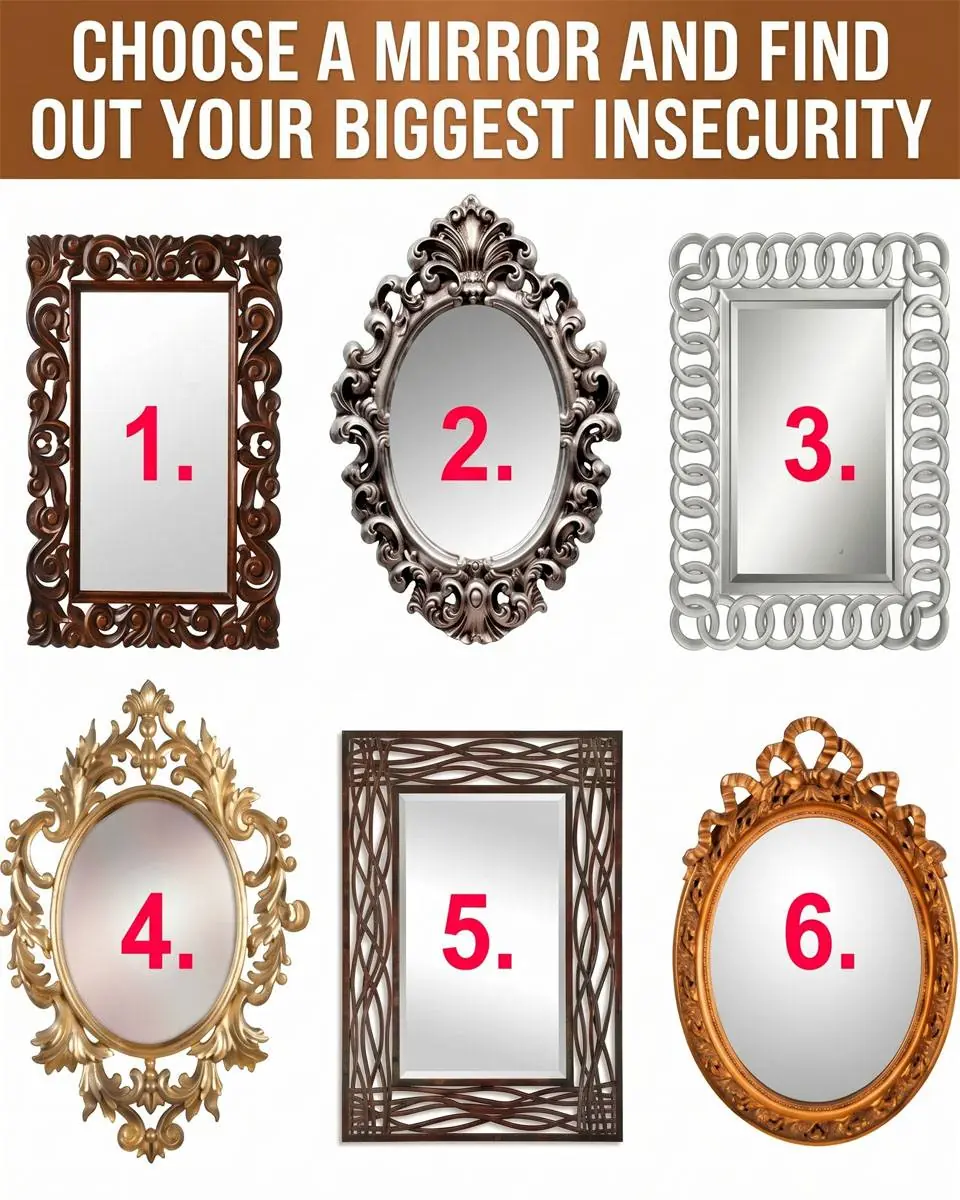
Choose A Mirror And Find Out Your Biggest Insecurity




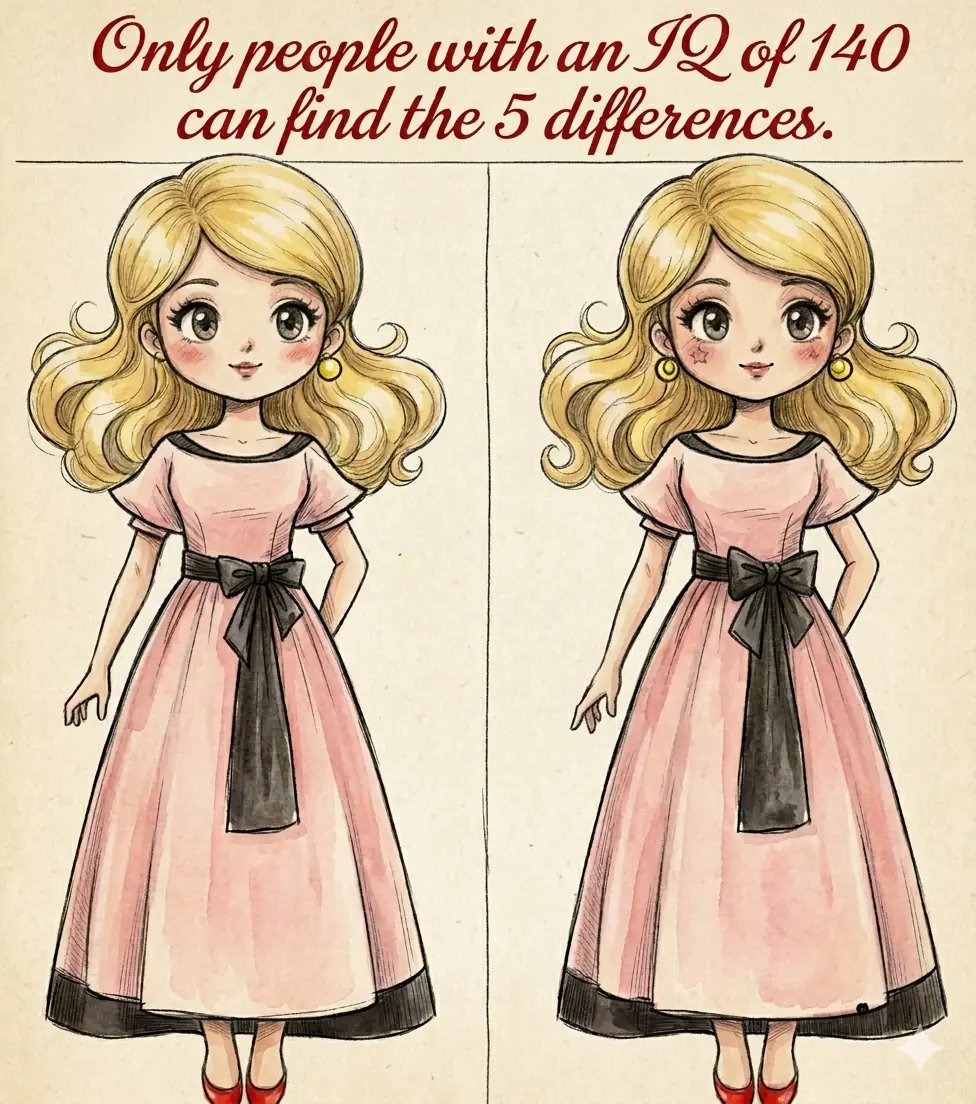
Most People Give Up Before Finding the 5th Difference… Will You?


















Choose A Mirror And Find Out Your Biggest Insecurity
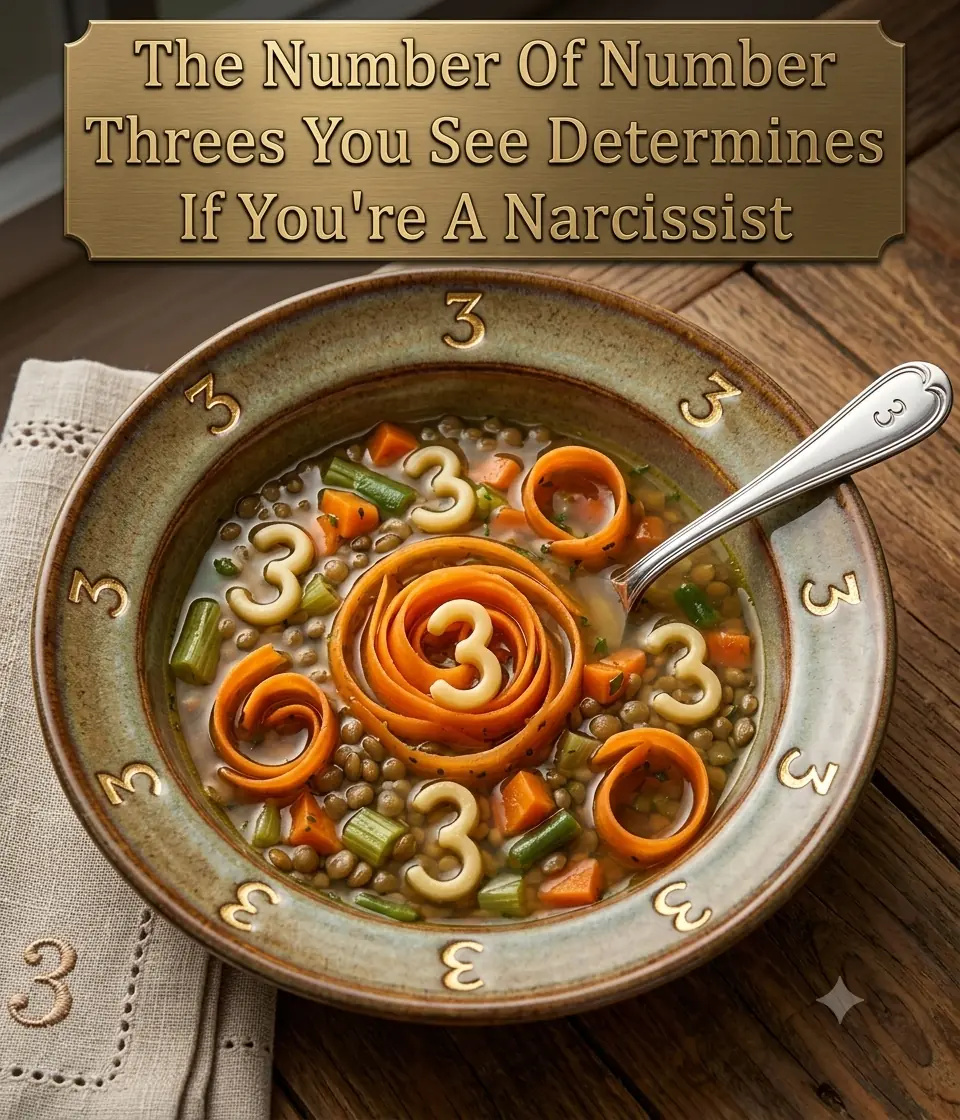
How Many Number 3s Can You Find