The Puzzle of Counting Squares That Challenges Everyone (And How to Solve It)
Facts 22/05/2026 22:22
Does anyone know what kind of insect this is?
I just found it on my son's head...
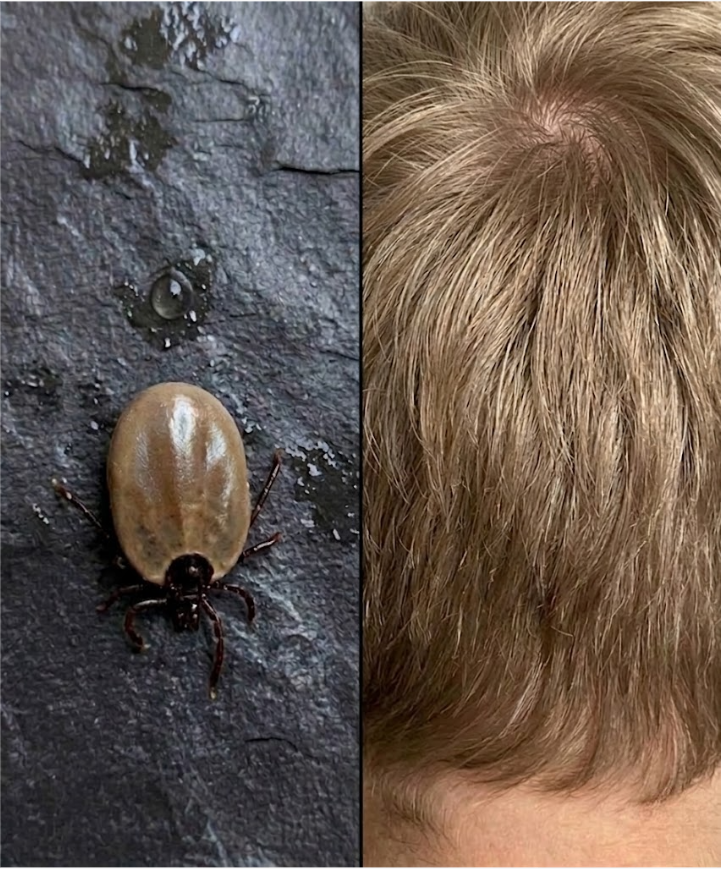
Ticks are small parasitic arachnids closely related to spiders and mites. Unlike insects, adult ticks have eight legs instead of six.
These creatures survive by feeding on the blood of animals and sometimes humans. Even though they are tiny, ticks are extremely resilient and highly adapted for survival.
They are commonly found in forests, grassy fields, gardens, farms, bushes, and areas where animals frequently travel.
A tick cannot jump or fly. Instead, it waits quietly on grass blades, leaves, or branches until a person or animal brushes past.
This behavior is called “questing.”
The tick stretches out its front legs and grabs onto fur, clothing, or skin when contact occurs.
Once attached, it crawls across the body searching for a warm and protected location where blood vessels are close to the surface.
Ticks may temporarily remain on humans, but they do not permanently live on humans in the same way lice do.
Most ticks attach themselves for several hours or several days while feeding, then detach once they are full of blood.
They are far more commonly associated with animals such as dogs, cats, deer, rodents, cattle, and birds.
Humans usually become accidental hosts after entering tick-infested environments.
Ticks appear because environmental conditions allow them to survive and reproduce. Warm temperatures, humidity, tall grass, dense vegetation, and the presence of wild or domestic animals all contribute to larger tick populations.
Areas with stray animals or untreated pets often experience rapid tick spread. Female ticks reproduce by laying eggs, and a single female may produce thousands of eggs after feeding successfully.
The life cycle of a tick contains several stages. A tick begins as an egg. After hatching, it becomes a larva with six legs.
Later it molts into a nymph with eight legs and eventually develops into an adult. During each major stage, the tick usually requires a blood meal to continue growing.
Without blood, many species cannot mature properly or reproduce.
Tick bites can sometimes appear harmless, but they may also become dangerous depending on the species and whether the tick carries infectious organisms.
Many people do not notice a tick bite immediately because ticks release substances that numb the skin while feeding. The bite itself may resemble a small red bump or irritated spot.
The greatest danger comes from disease transmission. Certain ticks carry bacteria, viruses, or parasites that can spread through saliva during feeding. Different species may transmit illnesses such as Lyme disease, Rocky Mountain spotted fever, babesiosis, ehrlichiosis, and several viral infections. Symptoms after an infected bite may include fever, fatigue, muscle pain, headaches, swollen lymph nodes, dizziness, rashes, or joint discomfort. Some infections become severe if treatment is delayed.
Not every tick carries disease, but caution is always important. The longer a tick remains attached, the greater the chance of infection transmission becomes. That is why early detection and removal are strongly recommended. If a tick is discovered attached to the skin, fine-tipped tweezers are usually the safest removal method. The tick should be grasped as close to the skin as possible and pulled upward slowly with steady pressure. Crushing, twisting, or squeezing the body aggressively may increase complications because parts of the tick can remain embedded in the skin.

Many people become alarmed when a tick is found in the hair or on the scalp. Ticks are attracted to the scalp because it provides warmth, moisture, and protection from disturbance. Thick hair can also hide them effectively, making detection difficult. If a tick is attached to the head, the first step is to remain calm and inspect the area carefully under strong lighting.
After removal, the area should be cleaned thoroughly with soap, water, or antiseptic. The person should continue monitoring for unusual symptoms over the following days or weeks, especially fever, rash, fatigue, or muscle pain. In certain situations, medical evaluation may be necessary if the tick remained attached for an extended period or if symptoms begin appearing later.
Ticks do not normally create permanent colonies on human scalps. This is one of the major differences between ticks and lice. Lice spend their entire life cycle on human hair and reproduce continuously there. Ticks, however, generally use humans only as temporary feeding hosts before detaching again.
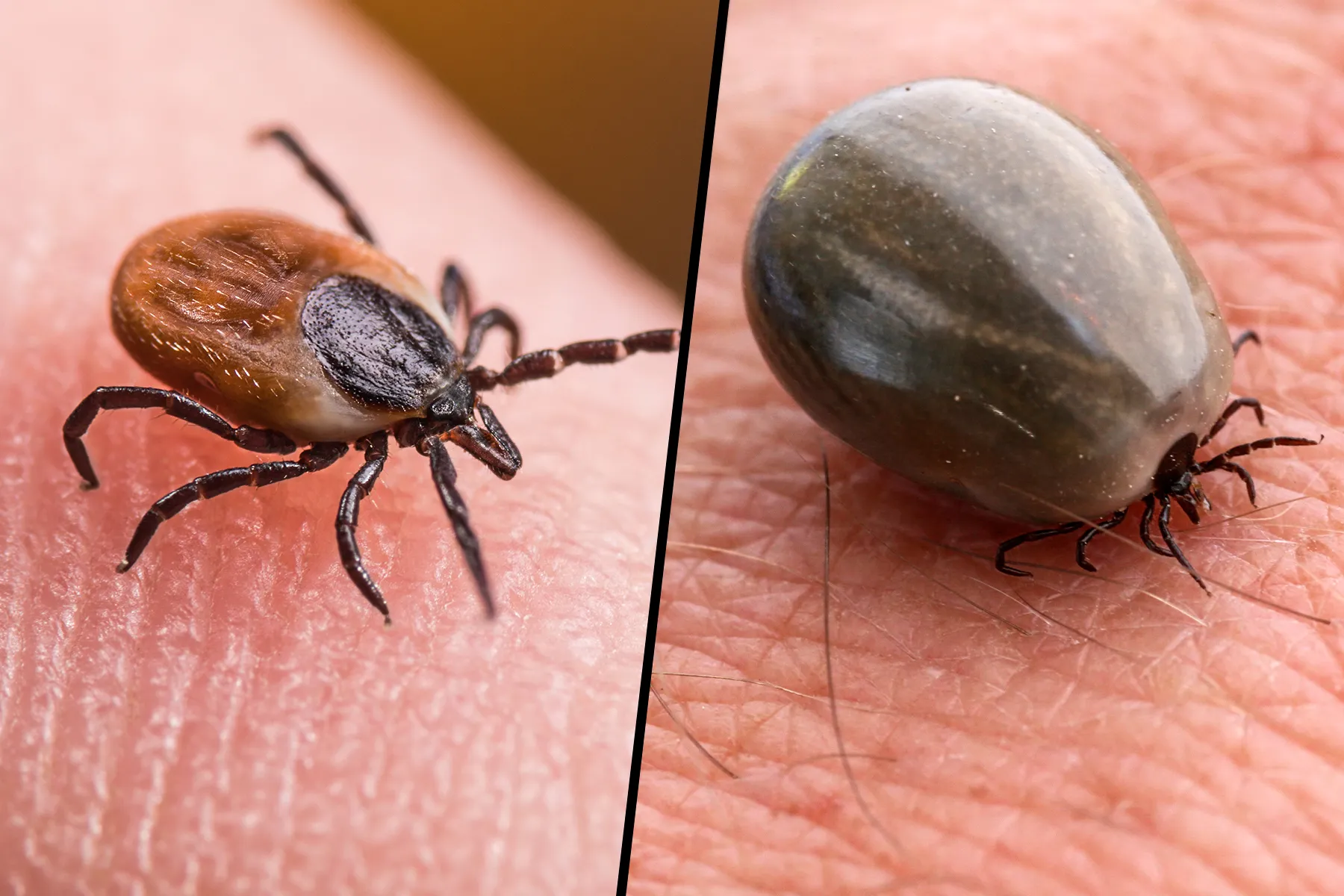
A tick may remain attached for several days if unnoticed. During feeding, the body gradually expands as blood fills the abdomen. A tick that initially appears flat and tiny can become swollen and dramatically larger after feeding. This transformation often surprises people because the appearance changes so drastically.
Ticks usually do not reproduce directly on human scalps. Female ticks generally lay eggs outdoors in protected environments such as soil, leaf litter, cracks, or hidden natural spaces after completing a blood meal. Humans are considered temporary hosts rather than permanent breeding habitats.
However, repeated discovery of ticks on the body or scalp may indicate an environmental infestation nearby. Pets, bedding, carpets, vegetation, or outdoor areas may contain hidden tick populations. In such situations, cleaning and prevention become extremely important.
Prevention is one of the most effective ways to reduce tick exposure. People spending time outdoors should wear long sleeves, long pants, socks, and closed shoes in grassy or wooded environments. Light-colored clothing can help make ticks easier to spot. After returning indoors, the body should be checked carefully, especially behind the ears, around the scalp, under the arms, around the waist, and behind the knees.

Pets should receive regular tick prevention treatments because dogs and cats often transport ticks indoors. Washing bedding, vacuuming carpets, trimming tall grass, and limiting wildlife access around homes can greatly reduce tick populations.
Ticks frighten many people because they behave silently. They hide effectively, feed slowly, and often remain unnoticed for long periods. Unlike mosquitoes, which bite quickly and leave, ticks stay attached while continuously feeding. Their ability to spread disease quietly makes them particularly concerning.
Despite their dangerous reputation, ticks still play a role in natural ecosystems. Various birds, reptiles, amphibians, and insects feed on ticks. Scientists study ticks extensively because understanding their biology helps improve disease prevention and public health strategies.
Overall, ticks are blood-feeding arachnids that temporarily attach to humans and animals. They appear primarily because of outdoor exposure, wildlife activity, untreated pets, or favorable environmental conditions. A tick bite may sometimes be harmless, but certain species carry serious diseases, making early removal and careful observation extremely important. If a tick is found on the scalp, it should be removed carefully and the area cleaned thoroughly. Although ticks may remain attached for several days, they generally do not permanently live or reproduce on human heads. Prevention, hygiene, environmental control, and early detection remain the best methods for reducing tick-related risks and protecting long-term health.