Night leg cramps may signal more than fatigue—learn the possible causes today.
Many people dismiss nighttime leg cramps as nothing more than a sign of
overexertion or dehydration. While occasional muscle cramps are common and
usually harmless, frequent or severe episodes can sometimes point to underlying
health issues that deserve attention. Understanding why these cramps occur and
knowing when to seek medical advice can help prevent unnecessary discomfort and
identify potential medical conditions early

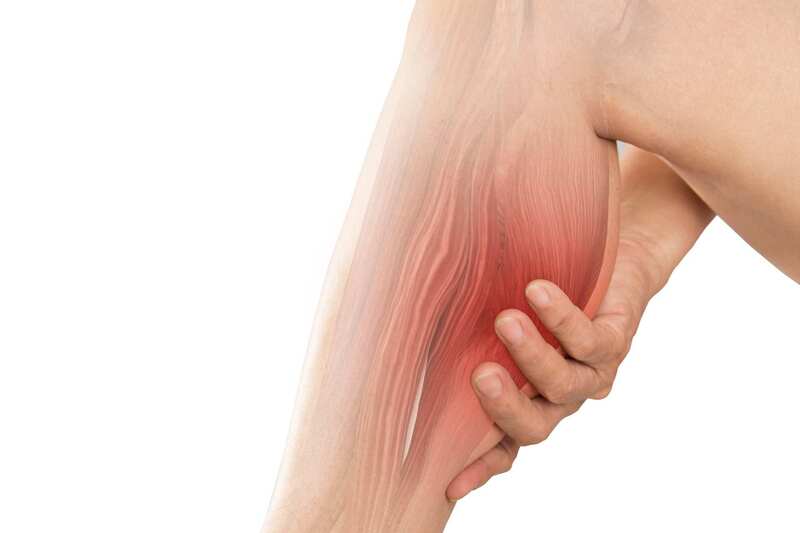
Night leg cramps are sudden, involuntary contractions of the muscles, most
commonly affecting the calves, feet, or thighs. They often occur during sleep and may
last anywhere from a few seconds to several minutes. Although the pain usually
fades quickly, muscle soreness can linger for hours or even the next day.
One of the most common causes is dehydration. When the body lacks enough fluids,
the balance of electrolytes such as potassium, magnesium, calcium, and sodium can
become disrupted. These minerals play an essential role in muscle contraction and
relaxation. Even mild dehydration after exercise or during hot weather may increase
the likelihood of nighttime cramps.
Another possible cause is muscle fatigue. Standing for long periods, engaging in
intense physical activity, or sitting in the same position for hours can all place extra
stress on the muscles. Without proper stretching and recovery, muscles become
more prone to sudden spasms during the night.
Certain medications may also contribute to leg cramps. Some diuretics, cholesterollowering medications,
and drugs used to treat high blood pressure have been associated with muscle cramping in some individuals.
Anyone who experiences persistent cramps after starting a new medication should consult a healthcare
professional before making any changes.
Underlying medical conditions can also play a role. Diabetes, peripheral artery
disease, thyroid disorders, kidney disease, nerve compression, and poor circulation
may all increase the risk of frequent nighttime cramps. In these cases, treating the
underlying condition often helps reduce muscle spasms.
Age is another important factor. Older adults experience leg cramps more often
because muscle mass naturally declines over time, while tendons become less
flexible. Staying physically active and maintaining adequate hydration can help
reduce the frequency of cramps as people age.



6
Fortunately, several simple habits may help prevent nighttime leg cramps. Gentle
stretching before bedtime is one of the most effective methods. Stretching the calf
and hamstring muscles for several minutes each evening may significantly reduce
episodes in many people. Drinking enough water throughout the day and eating a
balanced diet rich in potassium, magnesium, and calcium can also support healthy
muscle function.
Regular physical activity is beneficial, but it is equally important to avoid sudden
increases in exercise intensity. Warming up before workouts and cooling down
afterward help prepare muscles for activity and reduce strain.
If a cramp occurs, gently stretching the affected muscle often provides relief.
Massaging the area, walking slowly around the room, or applying a warm towel or
heating pad can also help relax the muscle. Some people find that standing with the
affected foot flat on the floor and leaning forward helps relieve calf cramps quickly.
While most nighttime leg cramps are not dangerous, certain symptoms require
prompt medical evaluation. Seek medical attention if cramps occur very frequently,
severe pain, or if they interfere with daily life and sleep despite lifestyle changes.
These symptoms may indicate a more serious medical condition requiring
treatment.
The good news is that most nighttime leg cramps can be managed through healthy
lifestyle habits and proper medical evaluation when needed. Staying hydrated,
medical conditions can greatly reduce their frequency. Rather than ignoring
recurring cramps, view them as an opportunity to pay closer attention to your
overall health. Early awareness and simple preventive measures can make a
significant difference in improving both sleep quality and long-term well-being.