Tensions Rise as Strategic Waterway Disruption Sparks Global Concern
News 11/04/2026 16:22
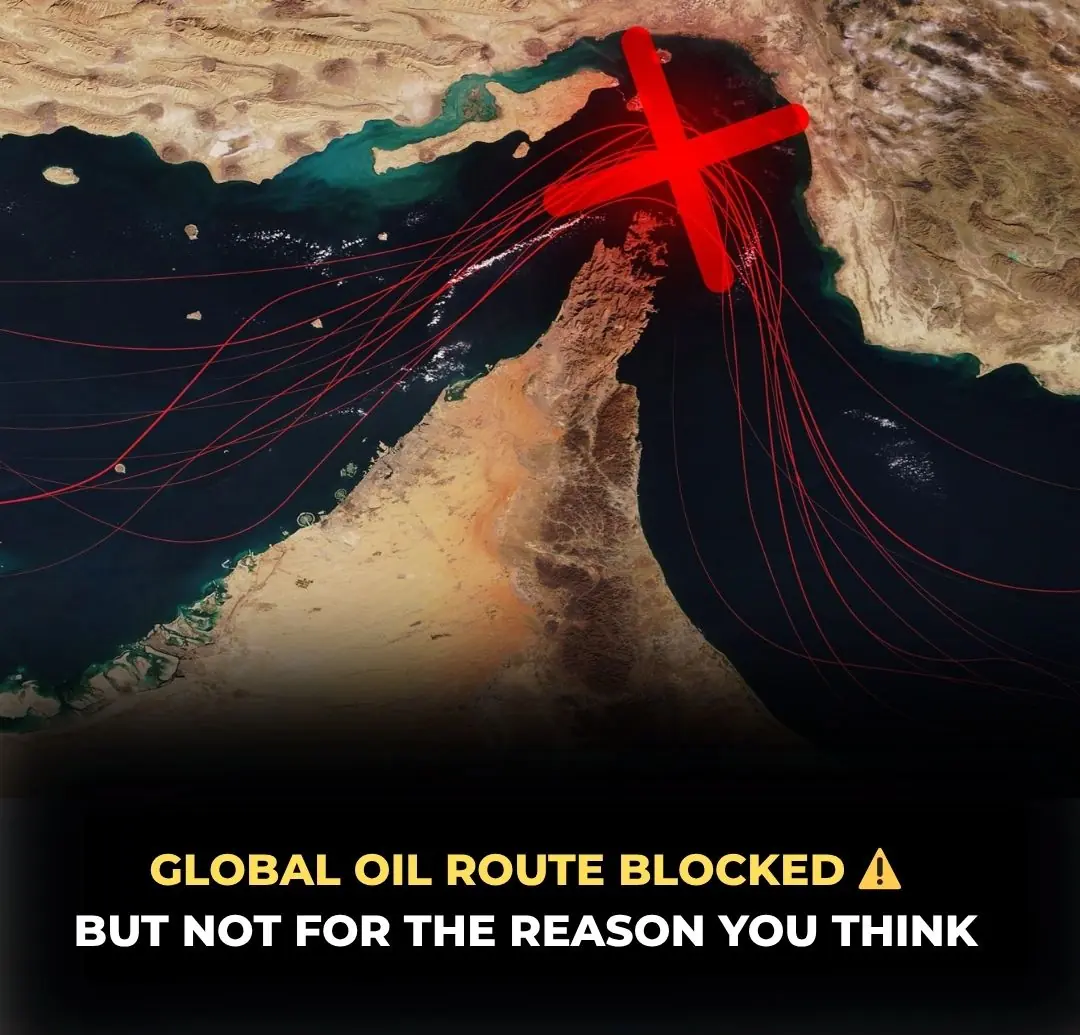
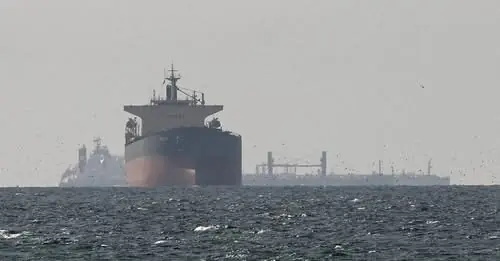
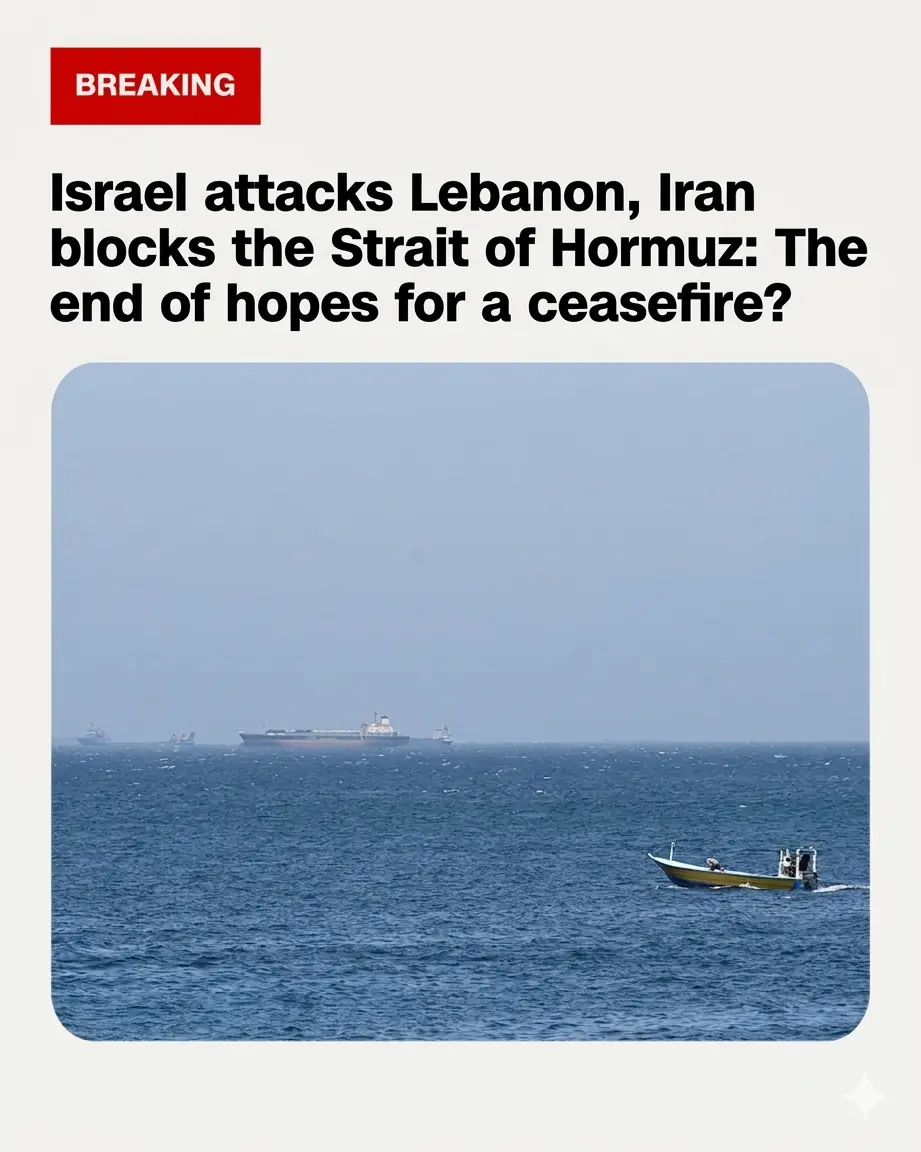
The Strait of Hormuz, one of the most critical oil chokepoints in the world, remains under severe strain — and the reason may be more complicated than many realize.
According to U.S. officials, Iran is struggling to reopen the waterway to normal shipping traffic because it cannot locate all the naval mines it previously deployed — and lacks the capability to safely remove them.
This unexpected obstacle is now creating ripple effects across global trade, energy markets, and geopolitical stability.
The Strait of Hormuz is not just another shipping route — it is one of the most important waterways on Earth.
Roughly 20% of the world’s oil supply passes through this narrow channel every day, making it essential for global energy flow.
Any disruption here can immediately impact:
During recent tensions and military escalation, Iran reportedly deployed naval mines across the strait using small boats.
However, the deployment was not fully controlled or documented.
Key issues now include:
As a result, Iran itself now faces uncertainty about where these explosives are located — turning the strait into a dangerous and unpredictable zone.
Clearing naval mines is a highly complex military operation.
According to reports, Iran currently lacks the advanced capabilities needed to safely detect and remove all mines in the waterway.
Even more concerning:
This means reopening the strait is not just a political decision — it’s a technical and logistical challenge.
Despite a fragile ceasefire and international pressure, shipping traffic remains far below normal levels.
In some cases, shipping activity dropped from over 100 vessels per day to just a handful.
This slowdown is affecting not only oil markets but also global trade flows.
With limited access through the Strait of Hormuz, oil prices have remained elevated.
Even temporary disruptions can trigger:
Experts warn that recovery could take weeks — or even months — depending on how quickly the situation stabilizes.
What makes this situation particularly striking is that Iran may now be facing the consequences of its own strategy.
Naval mines were intended to:
But now, those same mines are preventing Iran from fully reopening the waterway — even if it wants to.
The future of the Strait of Hormuz remains uncertain.
Several factors will determine what happens next:
Until then, the strait will likely remain partially restricted — keeping global markets on edge.
The situation in the Strait of Hormuz highlights how quickly strategic decisions can evolve into complex challenges.
What began as a tactic to control a vital waterway has turned into a technical problem with global consequences.
And for now, one thing is clear:
the world is watching — and waiting — for a safe path forward.