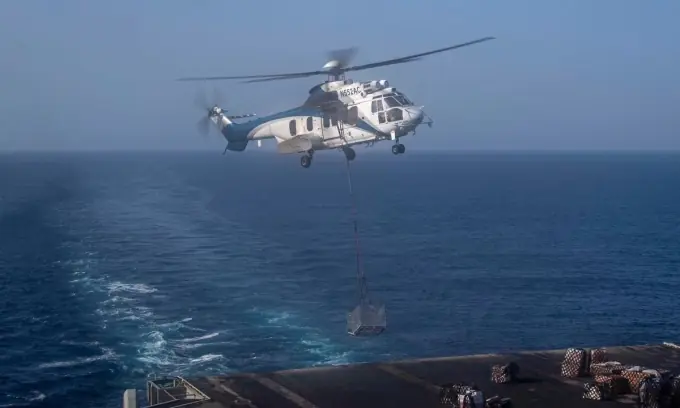
The US deploys an aircraft carrier to participate in the blockade of Iranian ports
News 21/04/2026 14:51
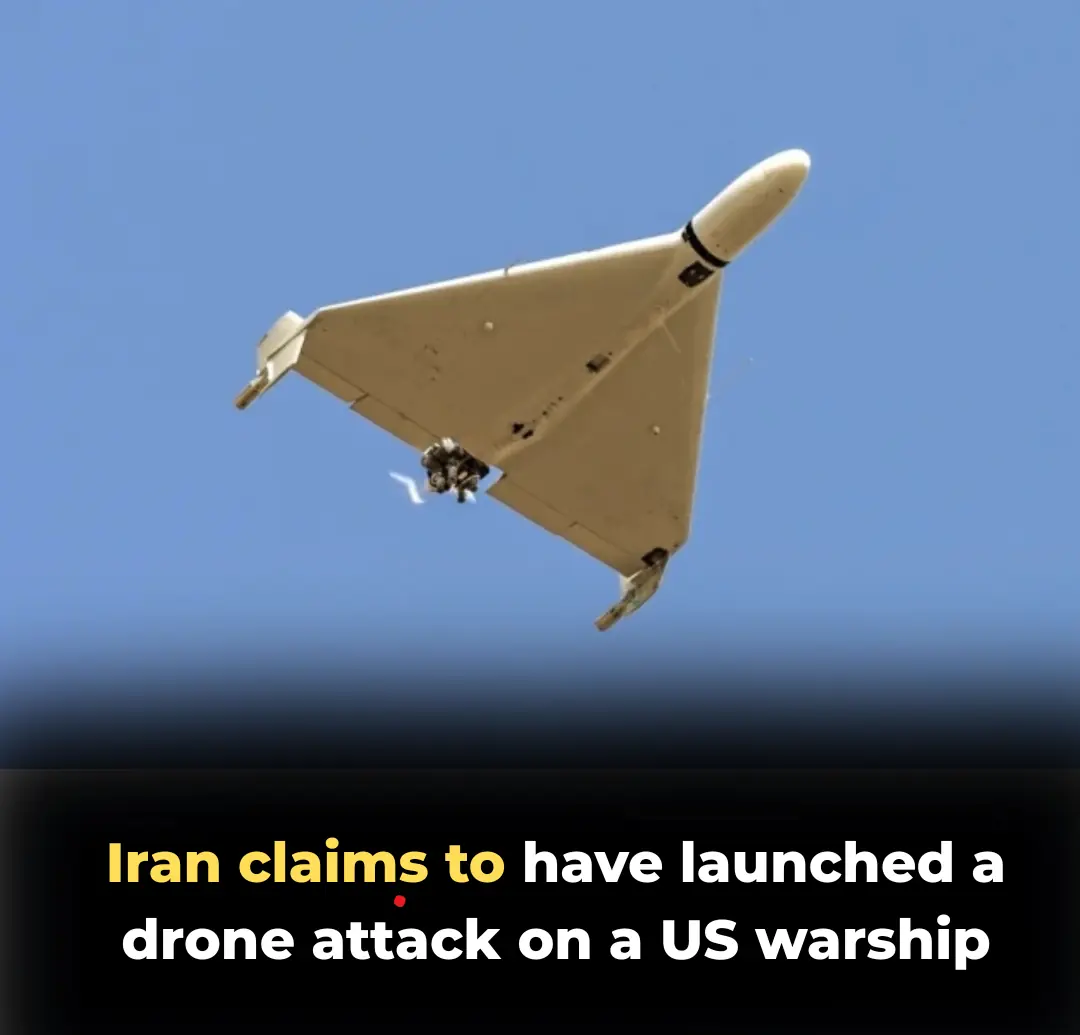
A fragile ceasefire between Iran and the United States is now on the brink of collapse after Tehran reportedly launched drone attacks targeting American vessels in the Gulf of Oman.
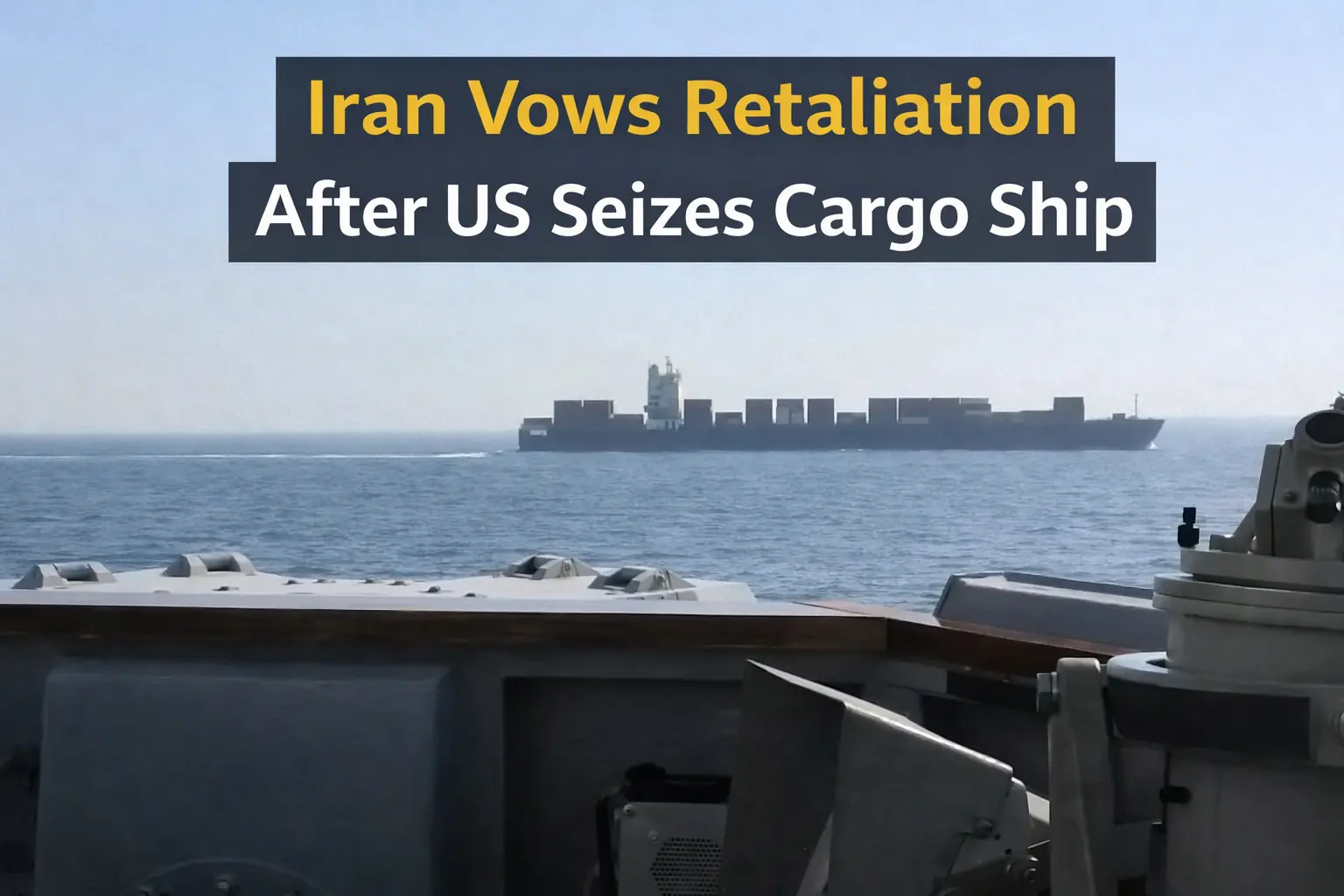
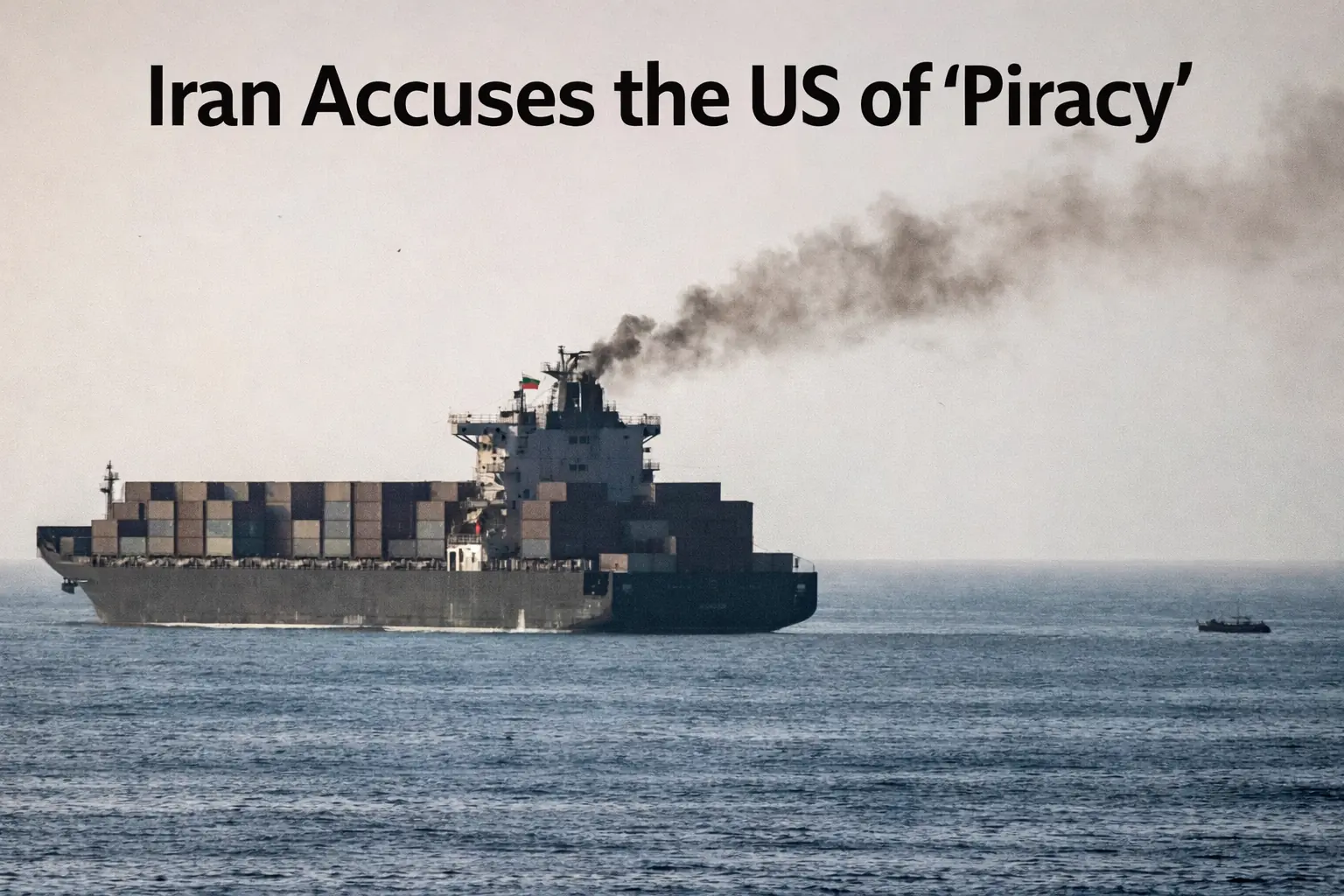
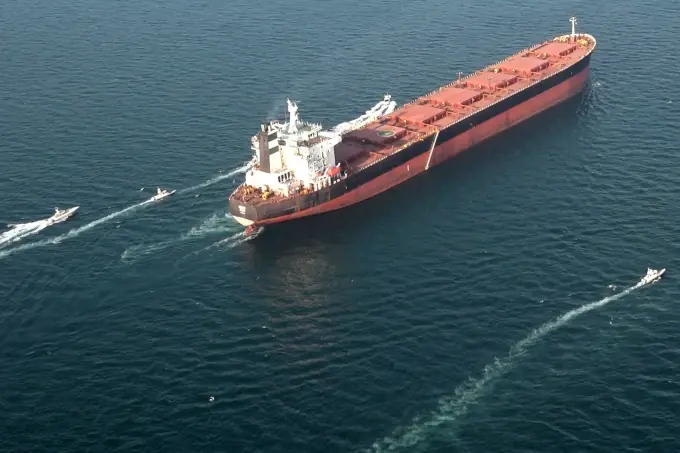
The escalation comes just hours after US forces seized an Iranian cargo ship — a move that Iran has labeled “armed piracy” and a direct violation of the ceasefire agreement.
Now, what began as a maritime interception is rapidly evolving into a dangerous military standoff.
According to Iranian media, the chain of events unfolded quickly.
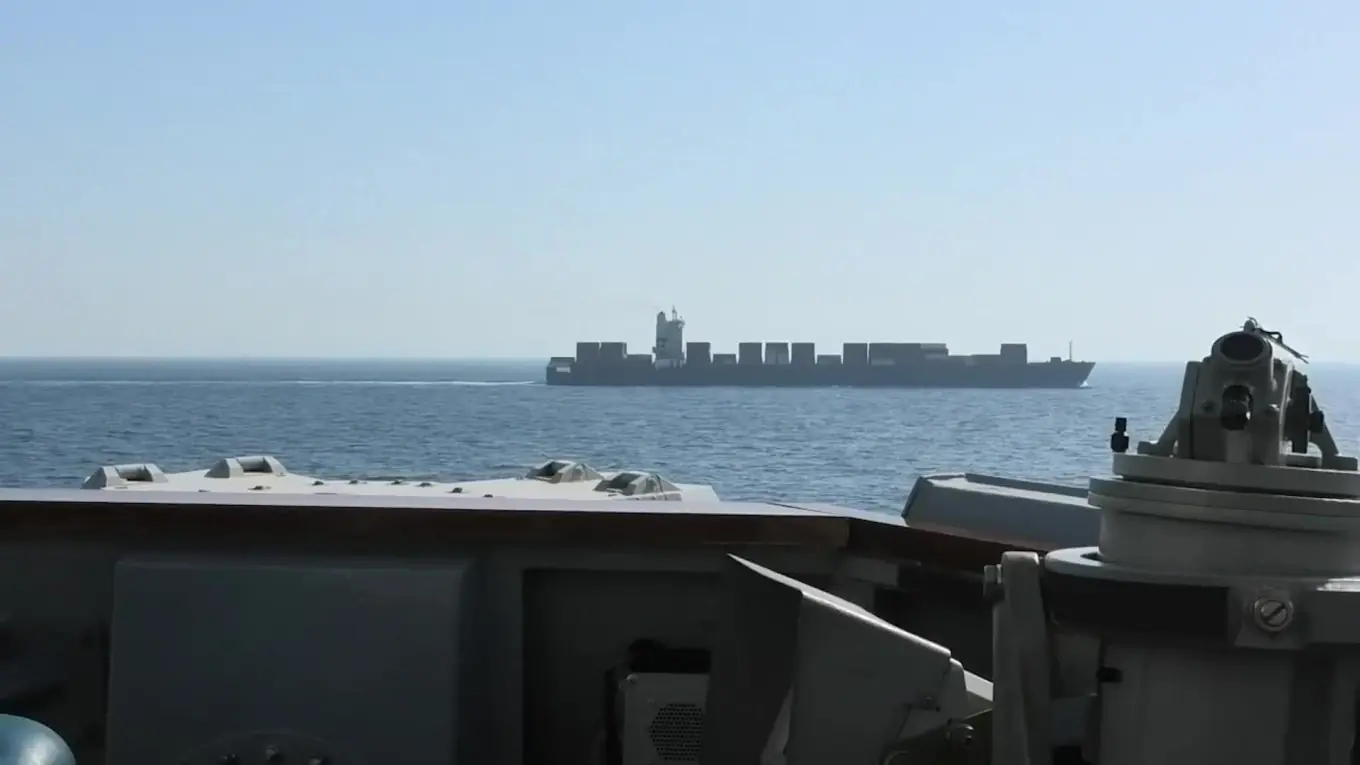
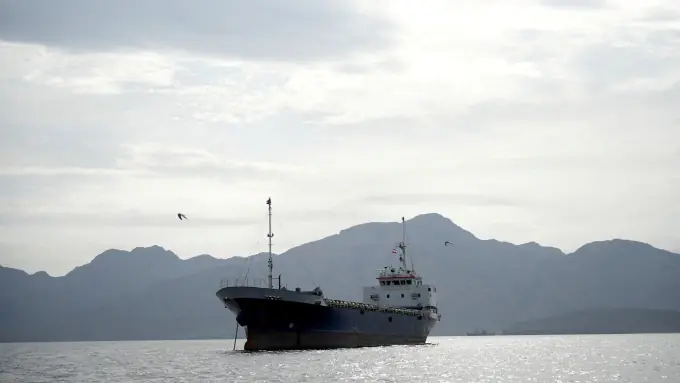
US forces reportedly opened fire on an Iranian-flagged cargo vessel before boarding and seizing it in the Gulf of Oman.
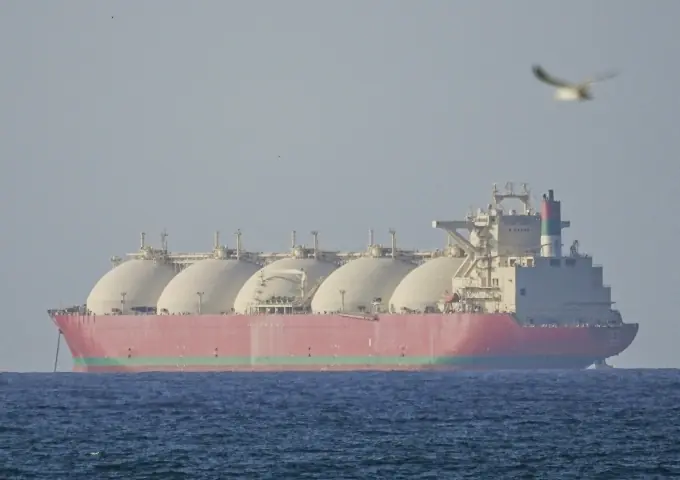
The ship, identified as TOUSKA, was allegedly intercepted while attempting to move through waters under US naval control.
Iran claims that:
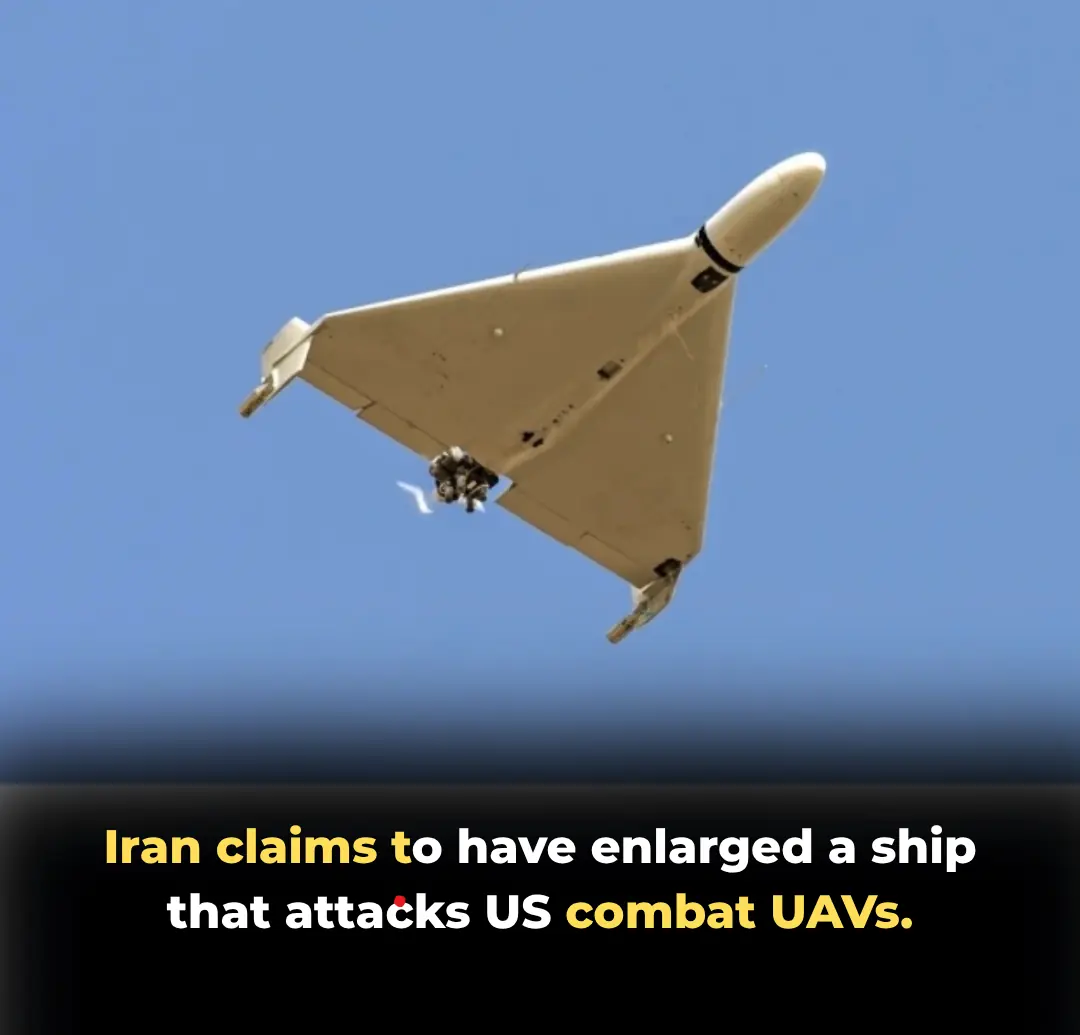
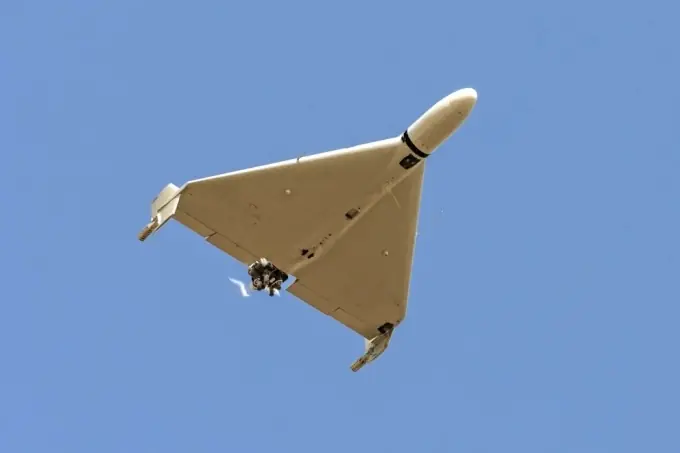
In response, Iranian forces launched drone strikes targeting multiple US vessels, marking a direct escalation from warning to action.
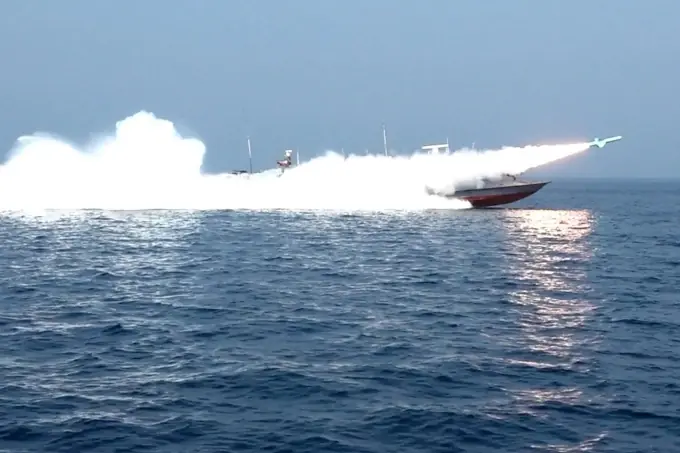
While details about damage or casualties remain unclear, the message from Tehran is unmistakable: retaliation has begun.
Iran had already warned that a response was coming.
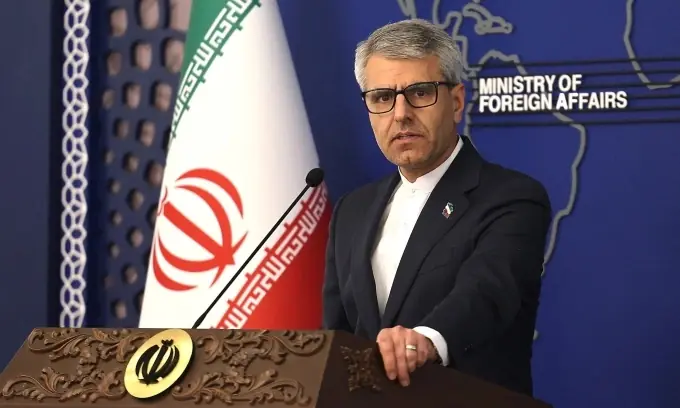
A military spokesperson described the US operation as:
“an act of maritime piracy” and a ceasefire violation
Shortly after, that warning turned into action.
The drone strikes signal a shift in strategy — from diplomatic condemnation to direct military pressure. It also suggests that Iran is willing to engage in controlled escalation without immediately triggering full-scale war.
This kind of response is designed to send a signal, not just to the US, but to the entire region.
What makes this situation especially dangerous is the timing.
The US and Iran had recently agreed to a two-week ceasefire, brokered with the help of regional mediators, including Pakistan.
The deal was meant to:
But incidents like this expose how fragile that agreement really is.
From Iran’s perspective, the seizure of its cargo ship represents a clear breach. From the US perspective, it may be seen as enforcement of maritime control.
Either way, trust — the core of any ceasefire — is rapidly eroding.
This is not just a regional issue — it’s a global one.
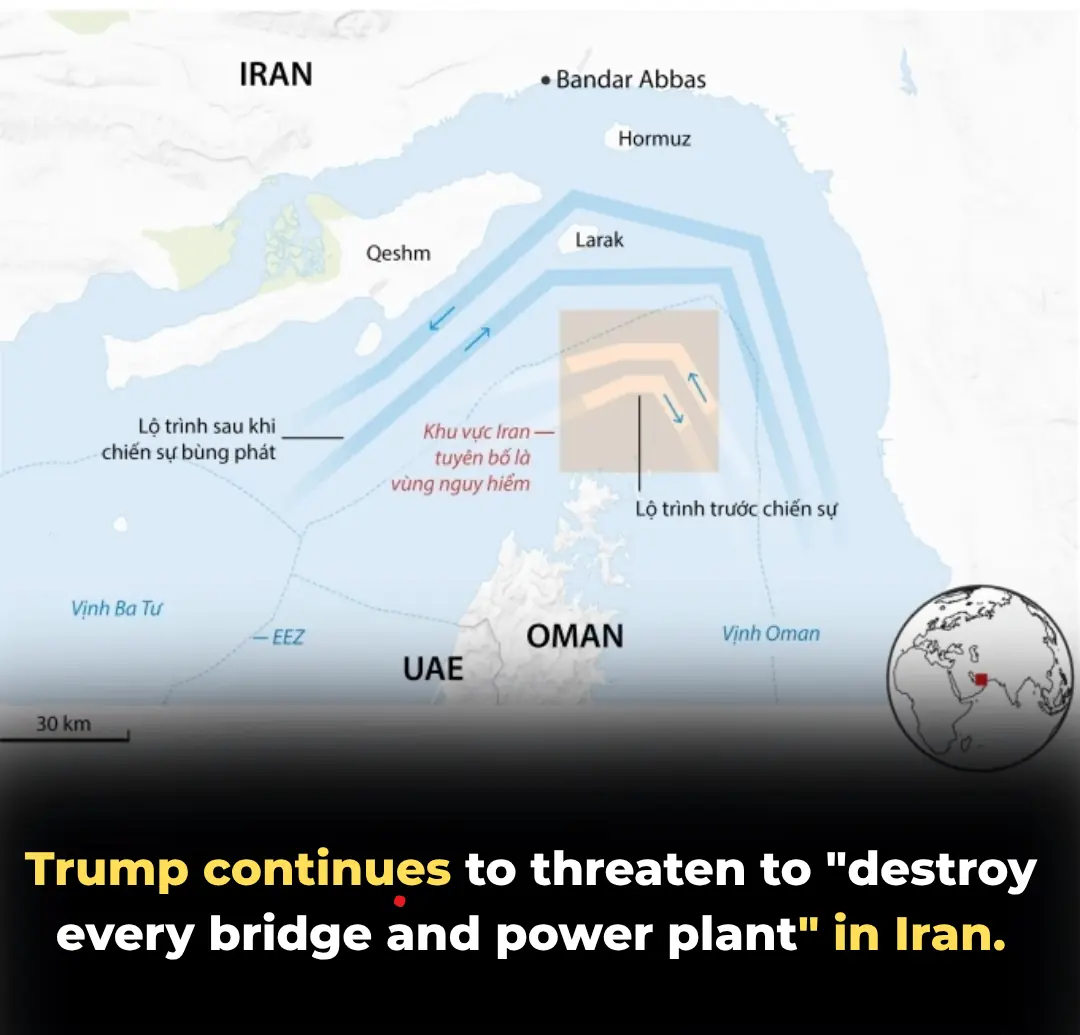
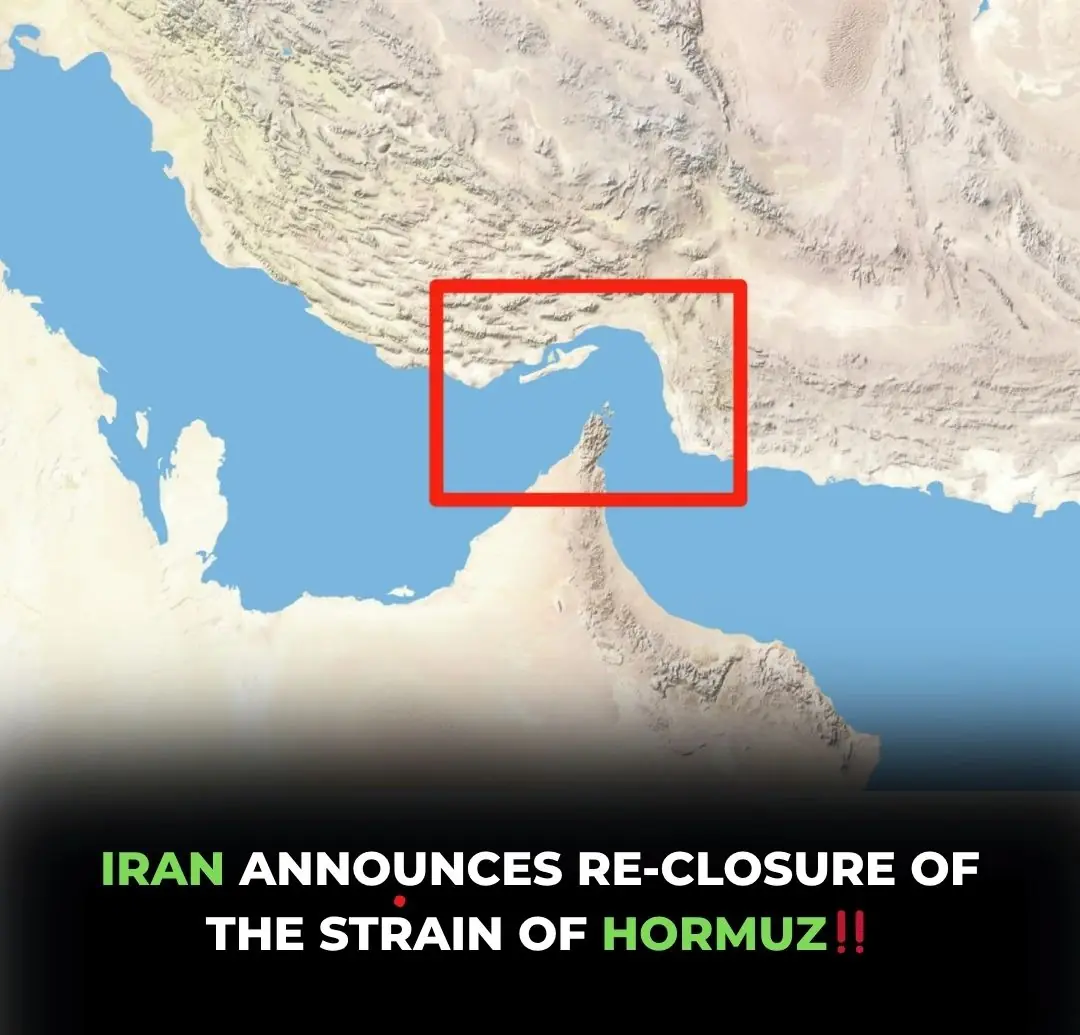
The Gulf of Oman connects directly to the Strait of Hormuz, a chokepoint through which around one-fifth of the world’s oil supply passes.
Any escalation here can trigger:
Even limited military actions can have outsized global consequences.
What we’re seeing now may signal a new phase in the US–Iran confrontation.
Instead of large-scale warfare, both sides appear to be engaging in controlled, strategic escalation:
This pattern reduces the risk of immediate full war, but increases the likelihood of repeated clashes.
And each clash raises the stakes.
One of the biggest dangers in situations like this is miscalculation.
A drone strike, a warning shot, or a boarding operation can quickly spiral out of control if:
In crowded and strategically sensitive waters, the margin for error is extremely small.
Several scenarios could unfold from here:
Both sides exchange controlled actions without crossing into full war.
Mediators step in to restore the ceasefire and prevent further clashes.
A single incident triggers broader military engagement involving regional allies.
At the moment, the situation remains highly fluid — and unpredictable.
The seizure of the Iranian cargo ship was the spark.
The drone strikes are the response.
And now, the world is watching to see what comes next.
This crisis highlights a critical reality of modern geopolitics:
In high-tension zones, even small actions at sea can escalate into global crises.
As long as US and Iranian forces operate in close proximity — especially in strategic waterways — the risk of confrontation will remain dangerously high.
The question is no longer whether tensions will rise.
It’s how far they will go.