Iranian boats attack oil tankers in the Strait of Hormuz
News 19/04/2026 17:50
The Iranian military has reversed its decision to open the Strait of Hormuz, as the US continues its blockade of Iranian ports.
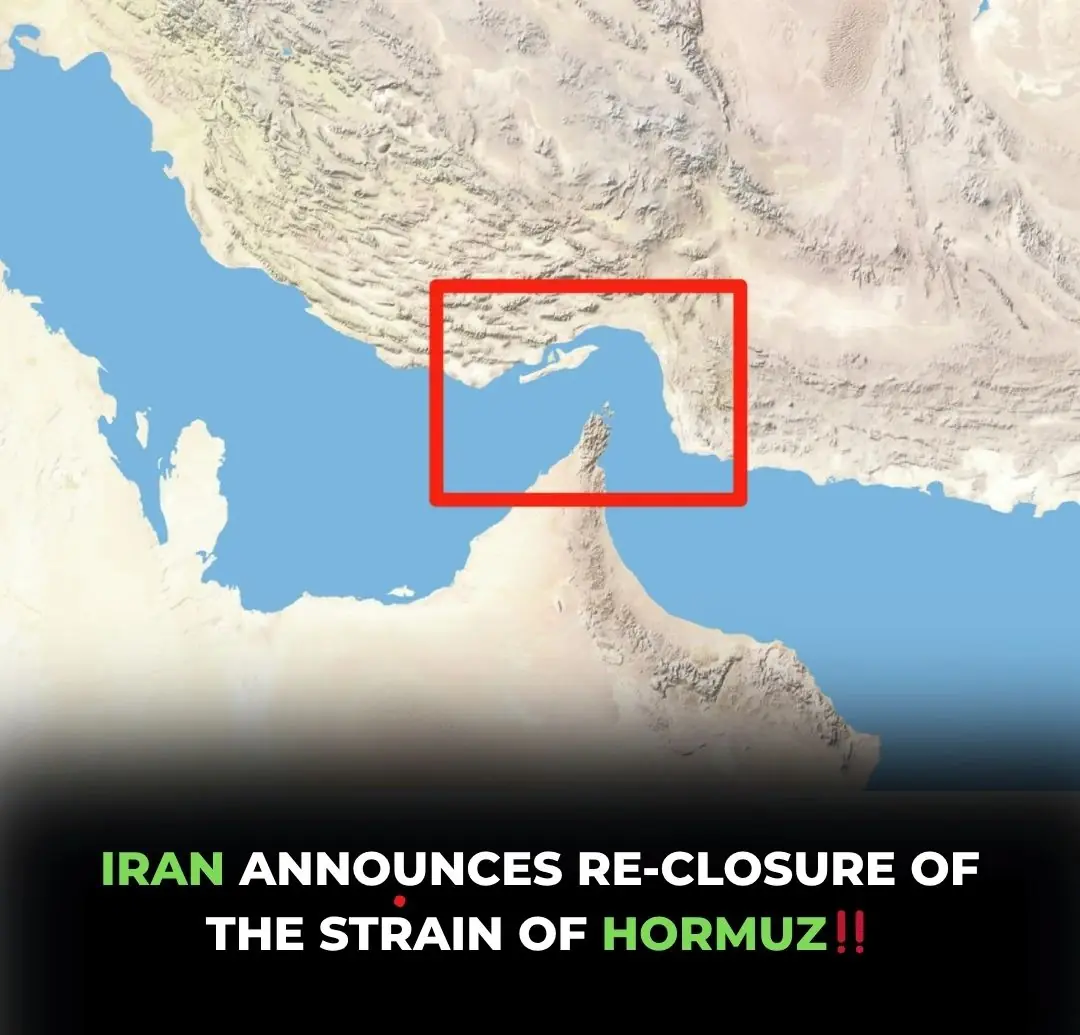
The Khatam al-Anbiya Central Command of the Iranian military announced today that the Strait of Hormuz "returns to its previous state, under the strict management and control" of the country's armed forces, reversing its decision to fully open it to commercial vessels made on April 17.
The Iranian military said Washington had broken its commitment by continuing to blockade ships to and from Iranian ports. They warned Tehran would tighten shipping through the Strait of Hormuz until the US ends its blockade.
"This situation will be maintained until the US fully restores freedom of navigation for ships to and from Iran," the statement said.
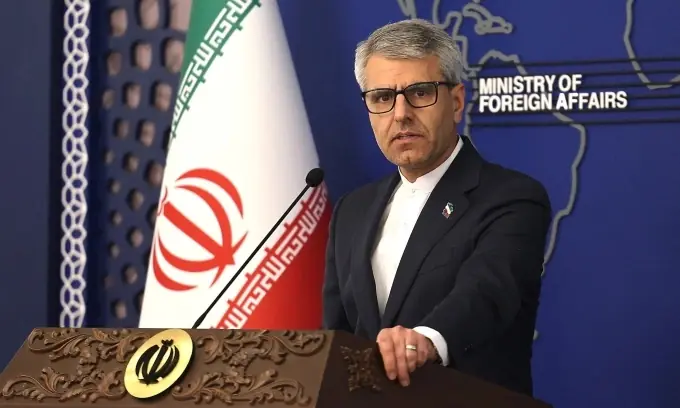
Ebrahim Azizi, head of Iran's National Security Committee, said "it is time to comply with a new maritime regime in the Strait of Hormuz." He mentioned the requirement that cargo ships must be licensed by the Iranian Islamic Revolutionary Guard Corps (IRGC) Navy to pass through the designated route in the Strait of Hormuz, after paying a fee.
"If the U.S. tries to disrupt Iranian ships, the situation could quickly change," Azizi warned.
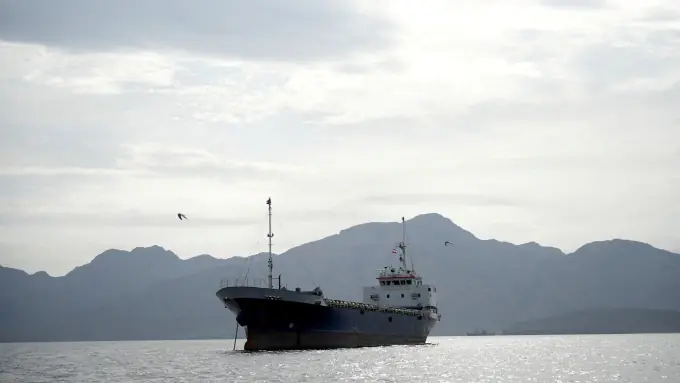
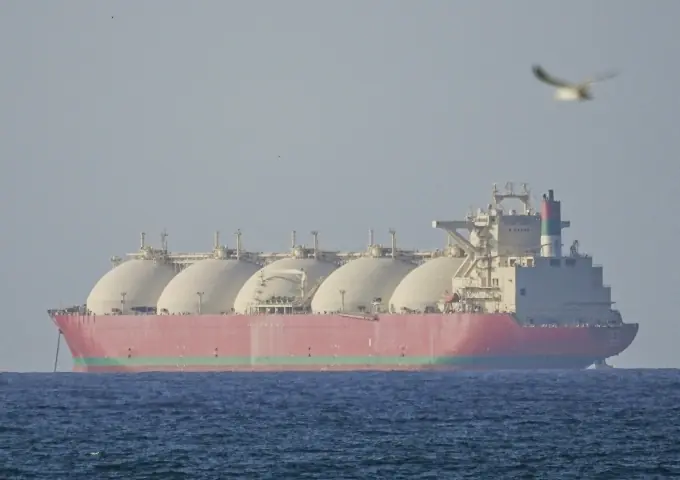
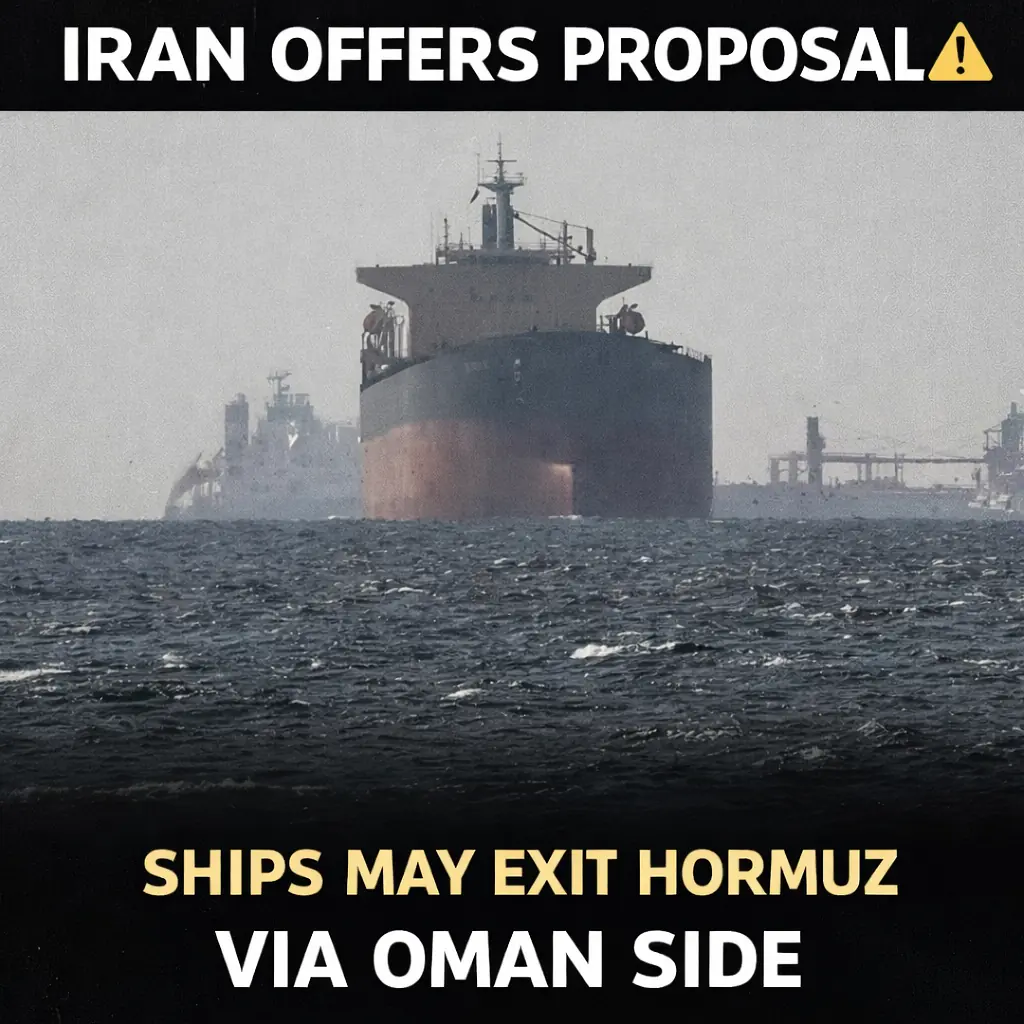
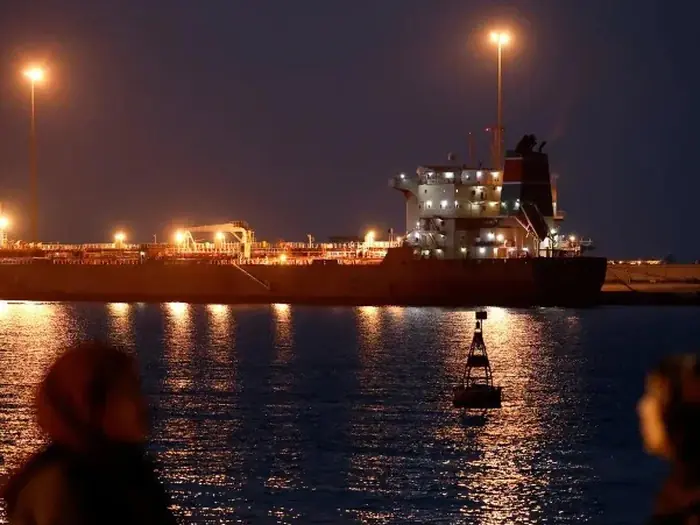
Before Iran's new decision, MarineTraffic reported that eight oil tankers had crossed the Strait of Hormuz today. This group included a large crude oil tanker, several carriers of petroleum products and chemicals, and carriers of petrochemicals (LPG).

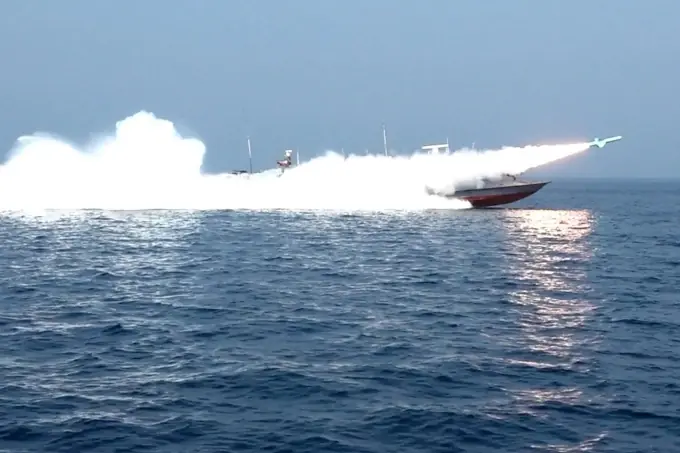
IRGC patrol boats move around a cargo ship during a drill in the Strait of Hormuz on February 17. Photo: AFP
Hundreds of ships have been stranded in the Gulf since Iran tightened control of the Strait of Hormuz in retaliation for the US and Israeli offensive in late February. Shipping through the strait has stalled, causing global energy prices to skyrocket.
The US and Iran reached a two-week ceasefire agreement on April 8, under which both sides halted attacks and Tehran allowed ships to pass through Hormuz. However, due to Israel's continued attacks on Hezbollah in Lebanon, Iran subsequently announced it would resume restrictions on ships passing through Hormuz.
US and Iranian delegations negotiated in Pakistan on April 11 but failed to reach an agreement. President Trump ordered the US military to block ships from entering and leaving Iranian ports.
Israel and Lebanon agreed to a 10-day ceasefire on April 17, leading to Iran's Foreign Minister declaring the Strait of Hormuz "fully open" that same day. The US President welcomed the move, but stated that the US blockade of Iranian ports "remains in place" until Tehran reaches an agreement to end the conflict with Washington.

The route Iran has outlined for ships passing through the Strait of Hormuz. Graphic: Guardian