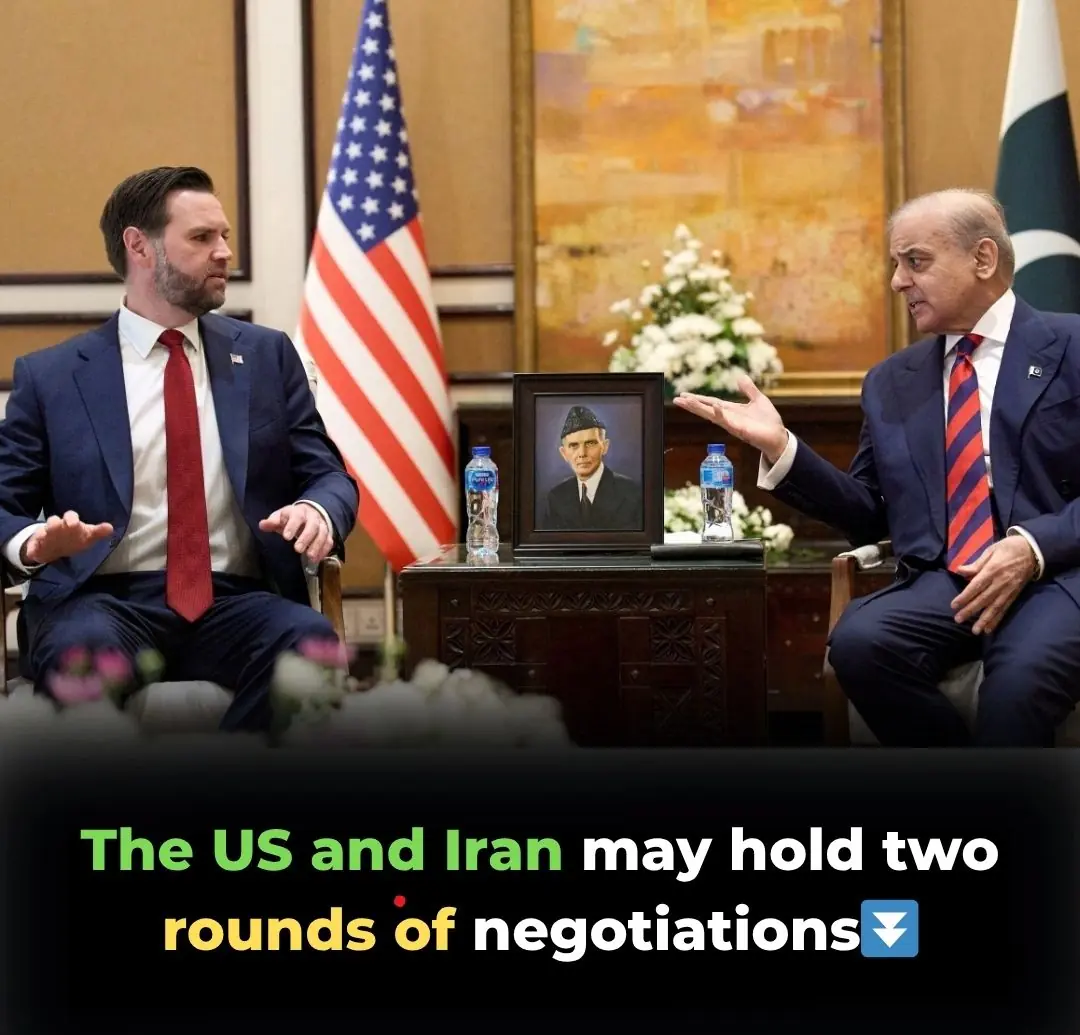
US and Iran May Resume Second Round of Talks: Signs of a Diplomatic Shift
News 14/04/2026 14:58
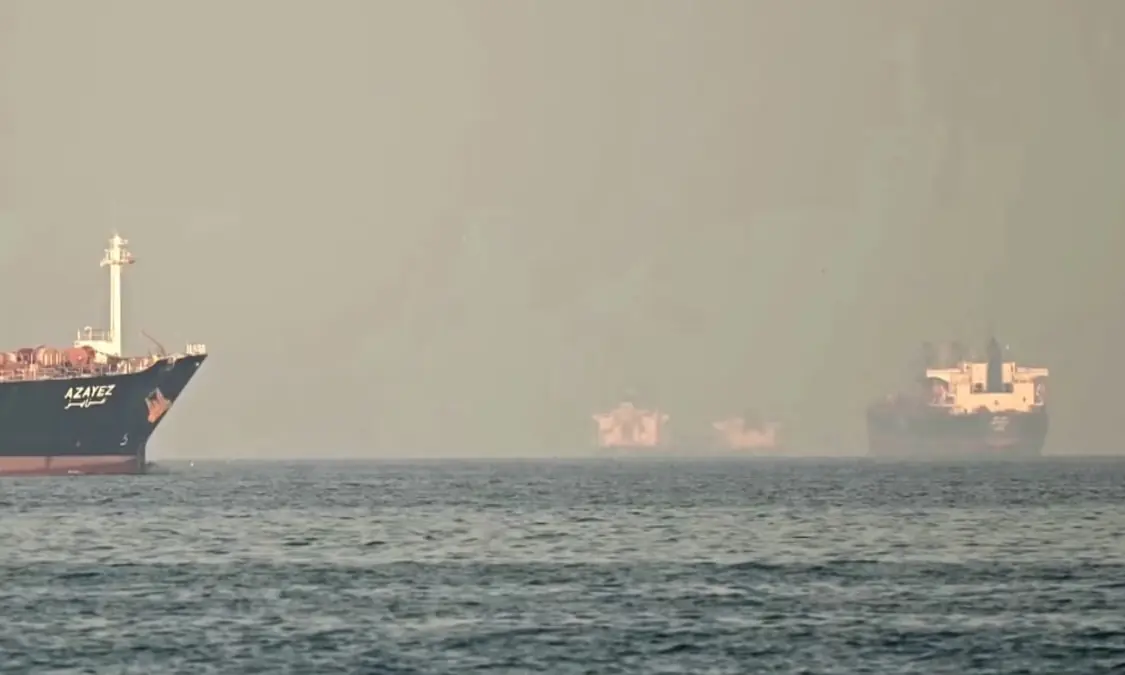
Tracking data shows that an oil tanker previously sanctioned by the US for its ties to Iran passed through the Strait of Hormuz after the Trump administration's blockade went into effect.
According to data from Kpler, a platform that analyzes and provides intelligence on global trade flows, an oil tanker registered in the East African nation of Comoros, named Elpis, passed through Hormuz on the afternoon of April 13th, after the US declared a blockade of the strait.
The ship was sanctioned by the US in 2025 for "involvement in the purchase and transport of Iranian oil."
Conversely, an oil tanker registered in Botswana, named Ostria, turned around while attempting to pass through the strait. According to CNN's review of Kpler's ship tracking data, just 41 minutes after the US military imposed the Hormuz blockade, the ship changed its intended destination from Oman to the United Arab Emirates (UAE).
Another oil tanker, the Rich Starry, has signaled its "drift" status off the coast of Qeshm Island. It appears this vessel is delaying its transit through the strait.
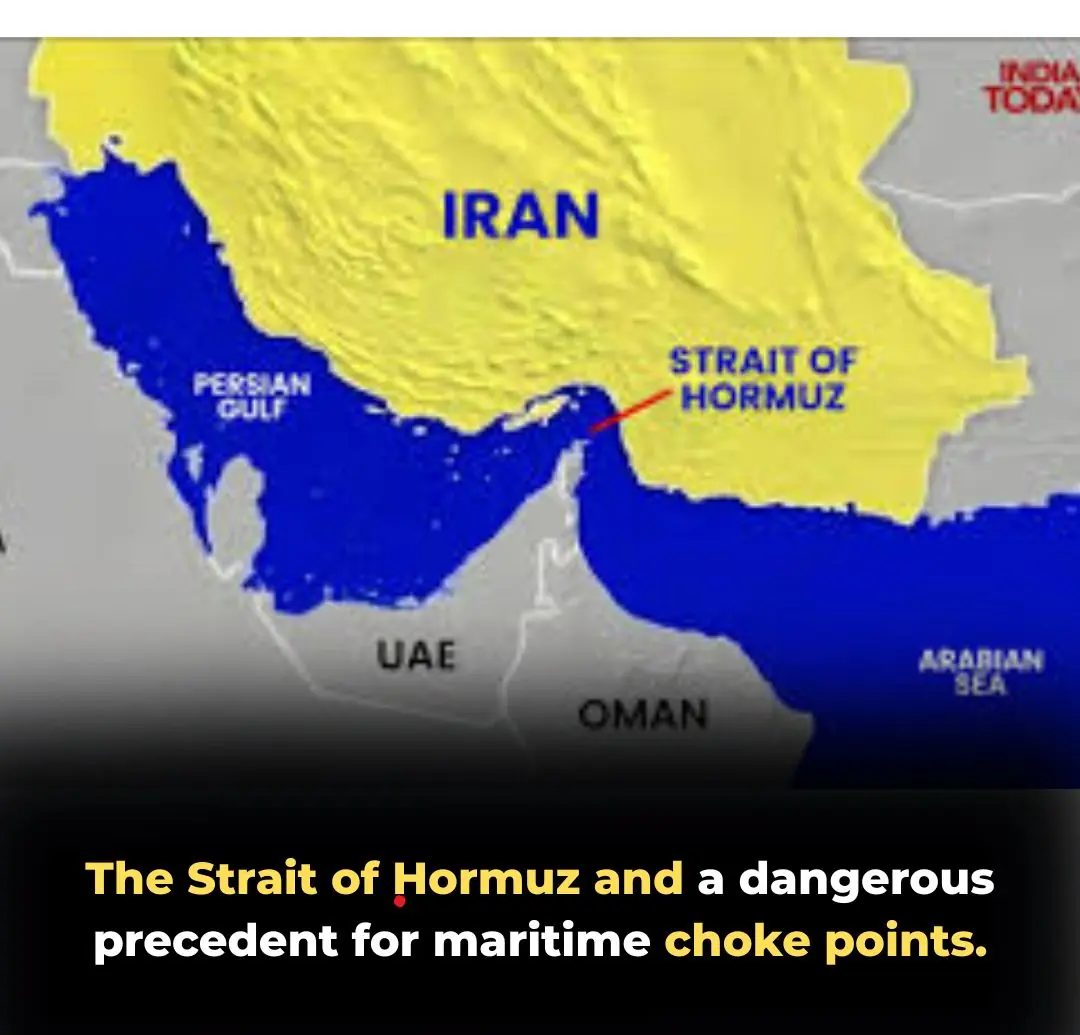
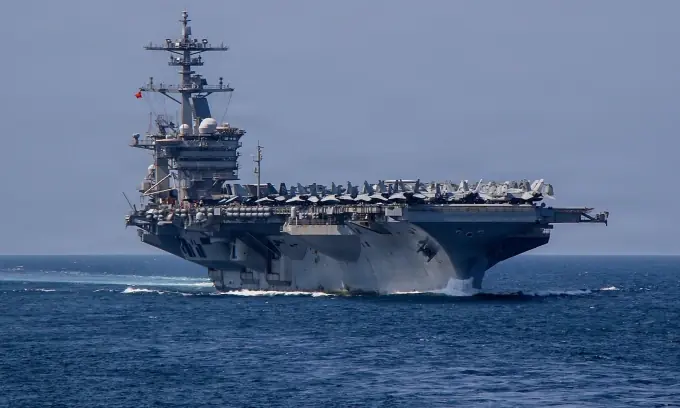
The U.S. Central Command (CENTCOM) previously announced the start of a blockade in the Gulf of Oman and the Arabian Sea east of the Strait of Hormuz for all vessels, regardless of flag, starting at 10:00 AM on April 13th (9:00 PM Hanoi time).
"Any vessel entering or leaving the blockade area without authorization may be intercepted, diverted, and seized," the announcement stated. "The blockade will not hinder neutral transit through the Strait of Hormuz to or from non-Iranian ports."

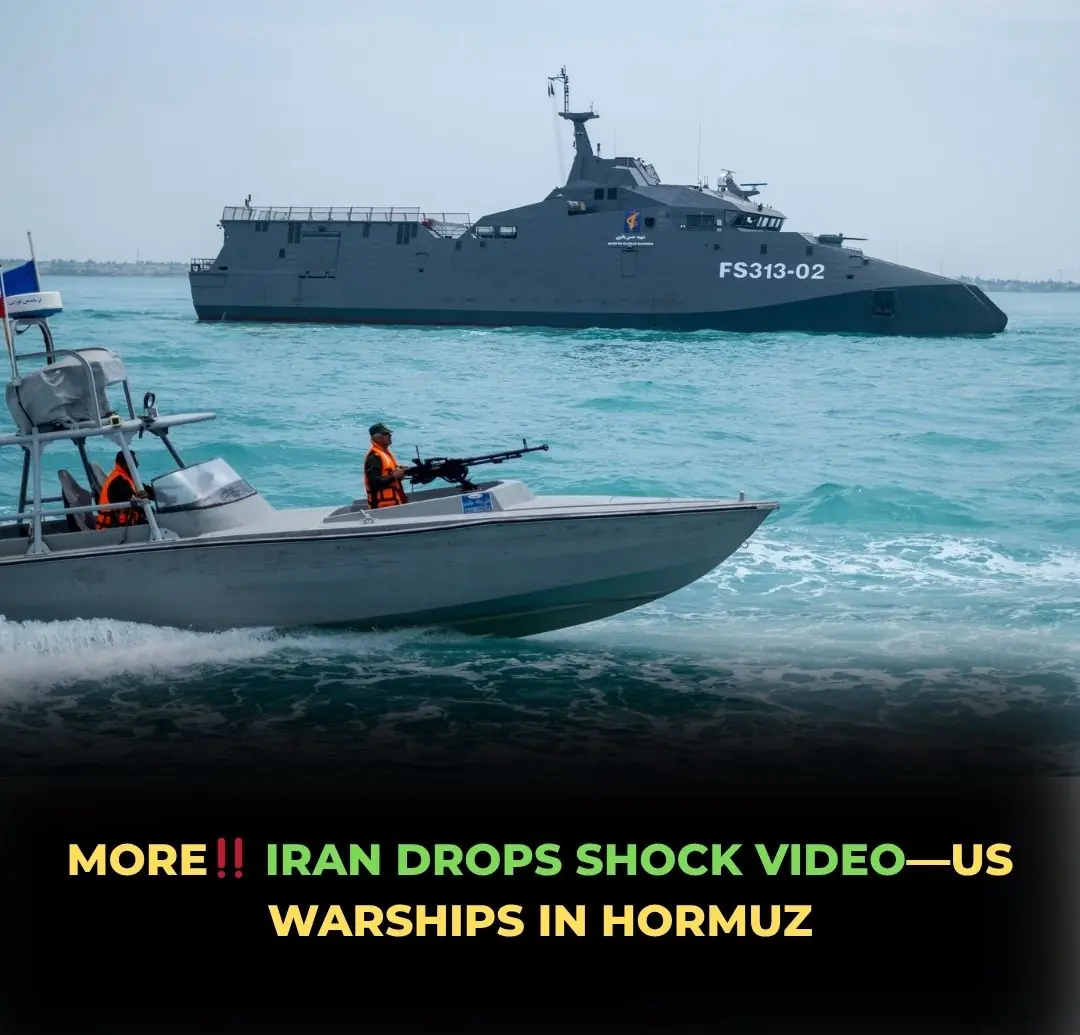
IRGC boats move around a cargo ship during a drill in the Strait of Hormuz on February 17. Photo: AFP
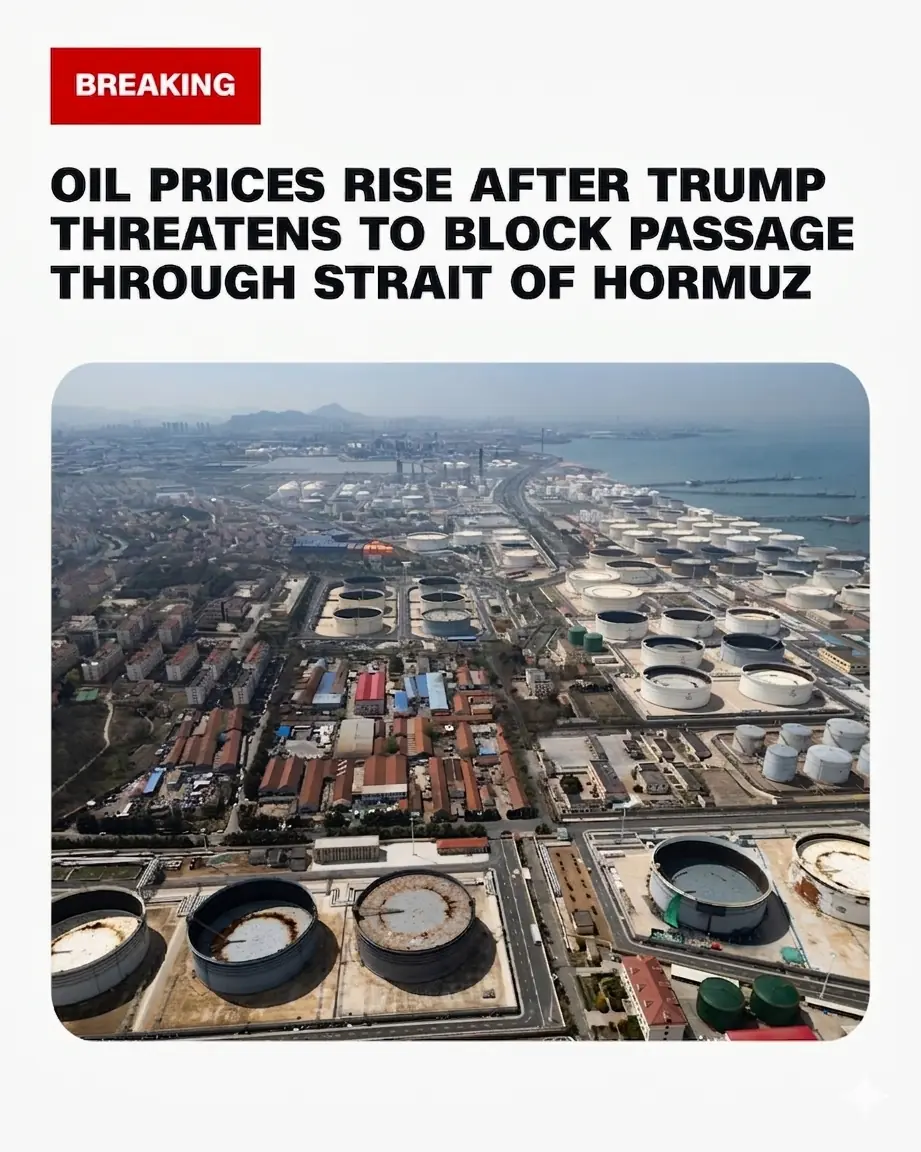
Before the US blockade was imposed, maritime data showed that traffic on this key waterway had been gradually decreasing.
The blockade "covers the entire Iranian coastline, not just ports and oil depots," the US announcement said, adding that humanitarian shipments of food, medical supplies, and other essential goods would be allowed to pass through but would be subject to inspection.
Shipping industry experts believe the US blockade adds further obstacles for ships already stranded in the Gulf.
"The US announcement of a blockade of the Strait of Hormuz adds more uncertainty. Shipping activity through the Strait of Hormuz has increased in recent days, but remains significantly lower than pre-crisis levels," said shipping brokerage Clarksons.
On the afternoon of April 13, Iranian Foreign Minister Abbas Araghchi held telephone conversations with the foreign ministers of Saudi Arabia and Qatar to discuss what Iran called "risks from provocative actions by the US" in blockading Tehran's ports.
During the call with his Saudi counterpart, Araghchi stated that Iran "had taken a good-faith approach by accepting a ceasefire" with the US, but the US maintained an overly demanding attitude in negotiations, "leading to unsatisfactory results" in Pakistan last weekend.
In a phone call with the Qatari Foreign Minister, Araghchi said that Iran "has participated responsibly in the diplomatic process to protect its national interests and maintain regional peace and security."
On the same day, Iranian Foreign Ministry spokesman Esmaeil Baghaei wrote on social media that the US threat to blockade Iranian ports was nothing more than an act of retaliation against the global economy.

Location of the Strait of Hormuz. Graphic: Guardian