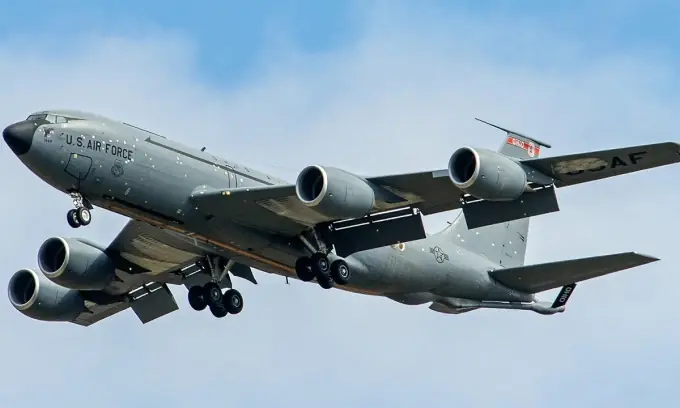
American planes returning from the Middle East have a lot of tape stuck to their fuselages
News 13/04/2026 16:59
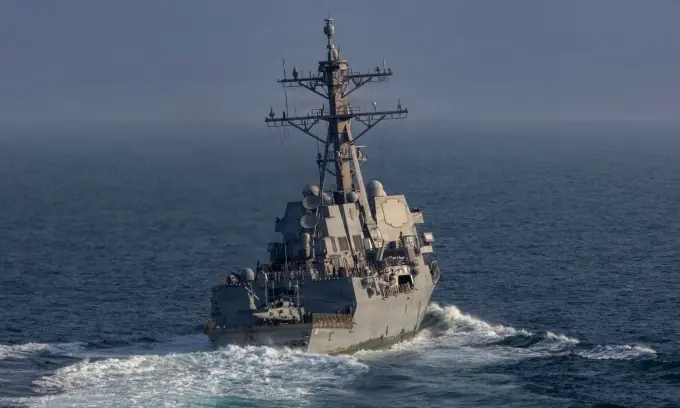
The U.S. military announced it would only block ships from entering and leaving Iranian ports, following President Trump's order to completely blockade the Strait of Hormuz.
The Central Command (CENTCOM), the agency responsible for U.S. military operations in the Middle East, announced on April 12th that it would begin blocking all maritime traffic to and from Iranian ports starting at 10:00 AM today (9:00 PM Hanoi time), following President Donald Trump's earlier order to blockade the Strait of Hormuz.
"The blockade will be enforced fairly against ships of all nations entering and leaving the coastal areas of Iran, including all Iranian ports in the Persian Gulf and the Gulf of Oman," the announcement stated.
CENTCOM affirmed it would "not impede freedom of navigation" for ships entering and leaving ports outside of Iran.

The US aircraft carrier Abraham Lincoln in the Middle East on March 10. Photo: US Navy
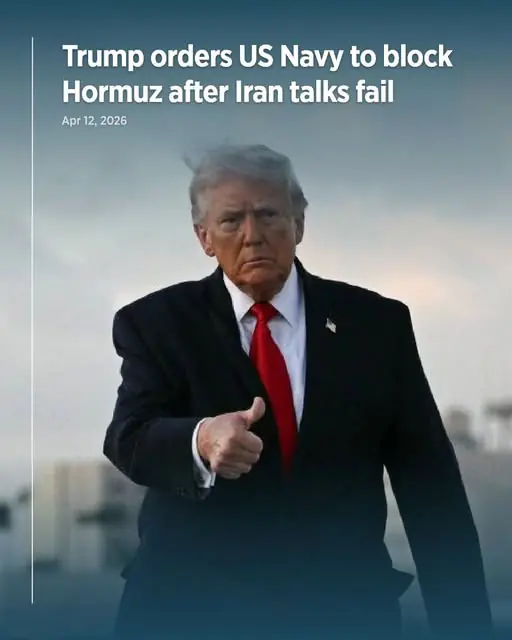
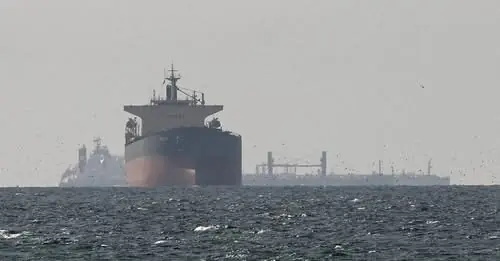
President Trump previously announced a complete blockade of the Strait of Hormuz, stating that he had ordered the US Navy to block "all ships attempting to enter or leave the Strait of Hormuz."
He affirmed that the purpose was to remove all mines and fully open the strait, adding that Iran should not be allowed to profit from controlling this shipping lane. "I also instructed the Navy to search for and intercept any ships that have paid fees to Iran in international waters. No one who pays illegal fees will be allowed to travel safely on the high seas," he said.
According to AFP, there are reports that Iran plans to charge fees to ships passing through the Strait of Hormuz.
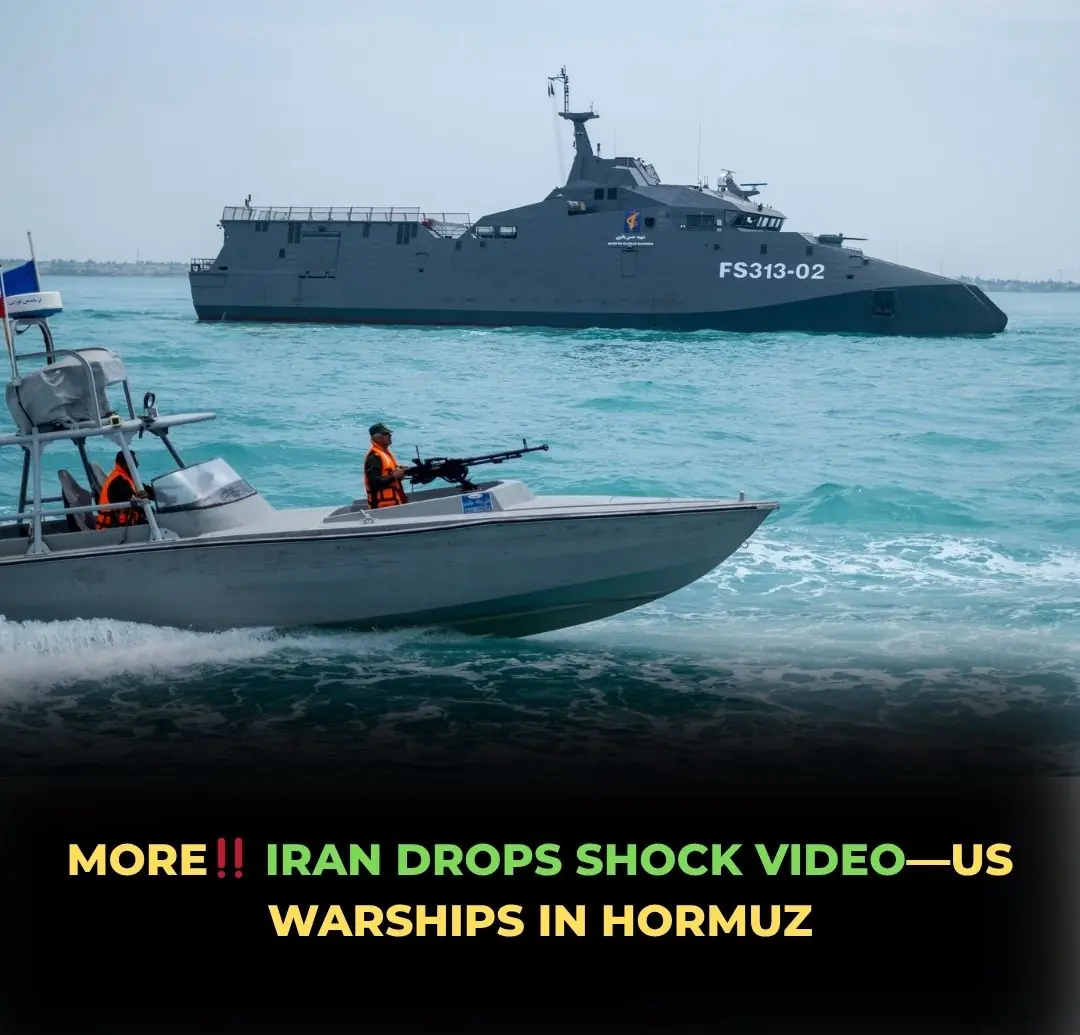
The Iranian Islamic Revolutionary Guard Corps (IRGC) declared that it still controls the Strait of Hormuz and warned that "the adversary will be trapped in a deadly vortex if they miscalculate."
Iranian Parliament Speaker Mohammad Ghalibaf said his country would "not succumb to any threats from the United States." Iranian Navy Commander Shahram Irani called President Trump's declaration of a blockade of the Strait of Hormuz "ridiculous."
Trump's announcement reportedly stemmed from the failure of US-Iran talks in Pakistan, where the two sides failed to reach an agreement after 21 hours of dialogue. President Trump claimed the event "went well," with the two countries reaching consensus on most issues, but accused Iran of not agreeing on "the only truly important thing: the nuclear program."
Parliament Speaker Ghalibaf said Iran had put forward "constructive initiatives," but Washington failed to gain Tehran's trust. Iranian MP Mahmoud Nabavian, who participated in the talks, revealed that among the demands from the US were "sharing interests in the Strait of Hormuz" and Iran abandoning its 60% enriched uranium stockpile.

Route (gray) and dangerous area suspected of containing mines (red) in the Strait of Hormuz, announced by Iran on April 9. Photo: IRGC
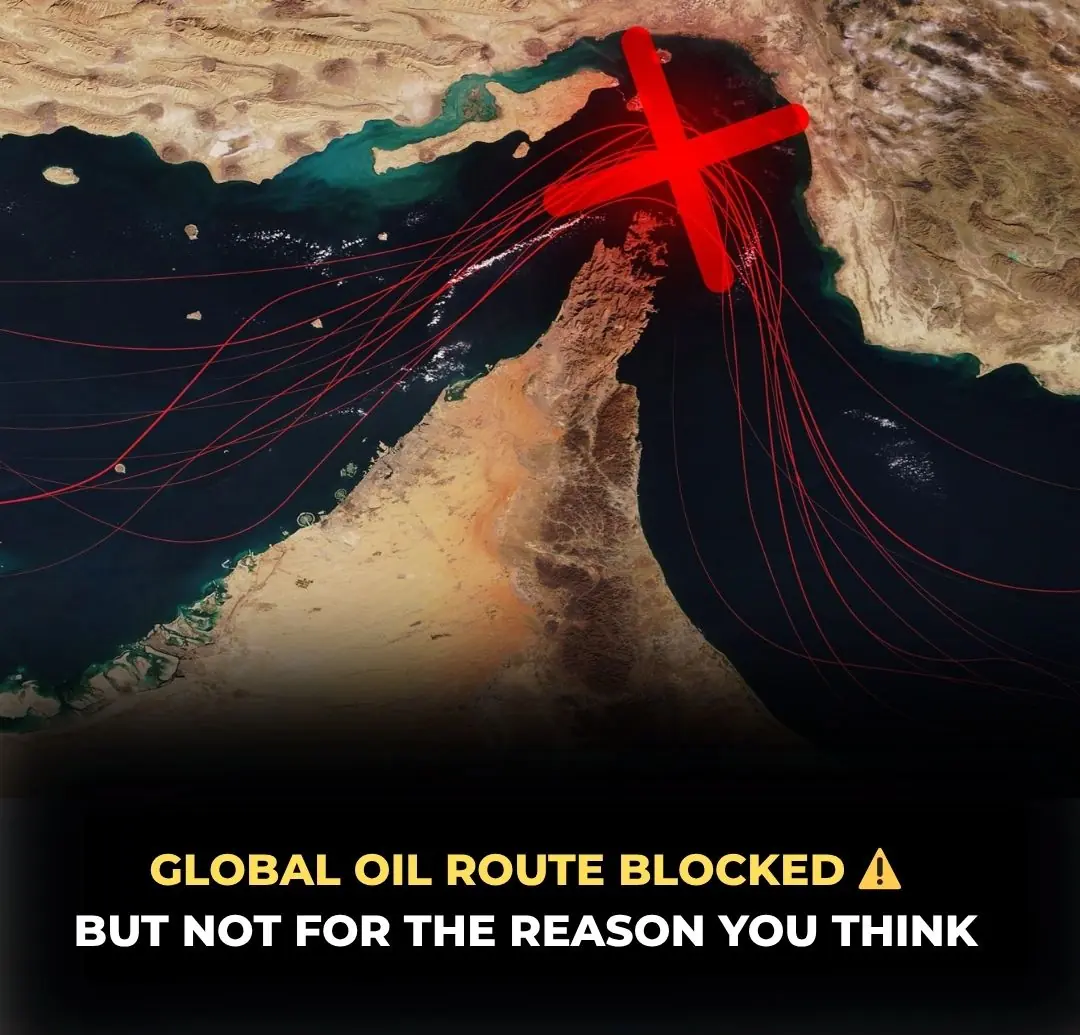
The Strait of Hormuz is a vital oil shipping route, accounting for approximately 20% of the global oil supply. Immediately after the US-Israel launched its attack on Iran on February 28, Tehran deployed numerous speedboats to lay mines in the Strait of Hormuz.
The mines, along with the threat from drones (UAVs) and missiles, caused the number of cargo ships passing through this waterway to plummet, driving up energy prices and giving Iran the greatest leverage in the conflict.
Following a ceasefire and the reopening of the strait, the IRGC announced on April 9 an alternative route for ships to avoid the risk of hitting mines in the shipping lane. However, U.S. officials say this route is significantly restricted, primarily due to Iran's unsystematic laying of naval mines.