The Silent Echo in the Hallway: A Story of Love, Neglect, and the Way Home
Tips 13/03/2026 16:52
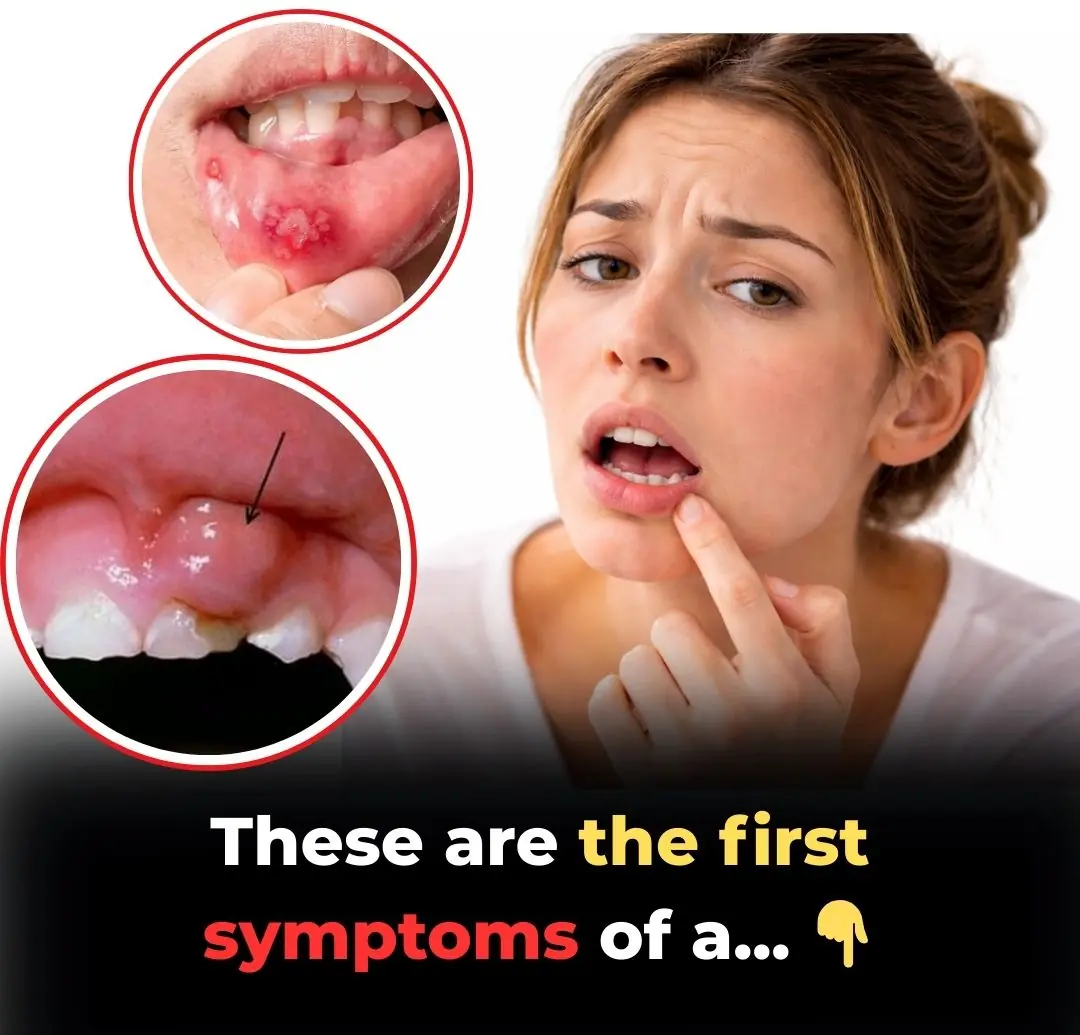
Most people associate "cancer" with severe pain, dramatic weight loss, or visible tumors. However, oral cancer is a "master of disguise." It often begins as a tiny, painless spot that looks no different from a common mouth ulcer or a burn from hot coffee. By the time it hurts, it may have already progressed.
Understanding what your mouth is trying to communicate is not just about dental hygiene—it is about survival. This guide dives deep into the five critical signs you can detect at home and the "Golden Rule" that could save your life.
We have all experienced aphthous ulcers (canker sores) after a stressful week or a minor injury while brushing. Normally, the body’s immune system repairs these tissues within 7 to 10 days.
An oral cancer lesion, however, mimics these sores but lacks the "healing switch." These malignant ulcers often have indurated edges—meaning the border of the sore feels firm or hard to the touch rather than soft. If you have a crater-like sore that has been your "companion" for over two weeks, it requires a professional biopsy.
Your mouth's lining (mucosa) should ideally be a healthy, uniform pink. When cells begin to change abnormally (dysplasia), they often change color.
Leukoplakia (White Patches): These are thickened, white patches that cannot be scraped off with a toothbrush. While many are benign, they are considered "precancerous" and need monitoring.
Erythroplakia (Red Patches): These are even more concerning. They appear as bright red, velvety areas. Statistics show that erythroplakia has a much higher clinical risk of being cancerous at the time of discovery compared to white patches.
Speckled Leukoplakia: A mix of both red and white spots. This "salt and pepper" appearance is a high-priority warning sign.
One of the most overlooked symptoms of early-stage oral cancer is a change in sensation. You might feel a "tingling" or a localized numbness in your lip, tongue, or chin—similar to the feeling of a dental anesthetic wearing off.
This happens because cancerous cells can infiltrate the small nerve pathways under the skin. If you find yourself accidentally biting your lip because you "can't feel it," or if your tongue feels "heavy" and unresponsive, your nerves are signaling that something is interfering with their function.
Oral cancer doesn't always break the surface; sometimes it grows inward. This is why a "touch test" is vital.
The Cheek and Tongue: Use clean fingers to feel the insides of your cheeks and the sides of your tongue. You are looking for areas that feel "thick," "leathery," or have a distinct lump that wasn't there a month ago.
The Floor of the Mouth: This is a high-risk zone. Gently press under your tongue. Any hard mass or fixed lump in this area is a significant red flag.
Lymph Nodes: Often, the first sign of oral cancer isn't in the mouth at all, but a painless, firm swelling in the neck (lymph nodes) that doesn't go away with antibiotics.
As a tumor grows, it can restrict the movement of the muscles and joints in the oral cavity. This can manifest in subtle ways:
The "Lump in Throat" Sensation: A persistent feeling that something is stuck in your throat (globus sensation) when swallowing.
Jaw Stiffness: Difficulty opening your mouth wide (trismus) or pain when moving the jaw.
Voice Changes: Chronic hoarseness or a change in the "tone" of your speech can indicate a growth near the back of the tongue or oropharynx.
The human mouth is one of the fastest-healing environments in the body. Because of the high blood flow, most minor injuries should vanish within two weeks.
The Rule is Simple: If any abnormality—be it a color change, a lump, or a sore—remains unchanged or worsens after 14 days, you must seek a specialist. Do not wait for pain. Early-stage oral cancer is frequently painless.
Check the Roof & Floor: Use a flashlight to look at the top of your mouth and under your tongue.
Pull the Tongue: Gently pull your tongue out with a piece of gauze and check the sides and the very back.
Feel the Neck: Roll your fingers over the area under your jaw and down the sides of your neck.
Inspect the Gums: Look for red/white patches or loose teeth that have no dental explanation.
Oral cancer is a formidable opponent, but it has one major weakness: visibility. Unlike internal cancers, oral cancer starts in a place we can see and feel every day. By spending just one minute a month performing a self-exam and respecting the 14-day rule, you aren't just practicing good hygiene—you are taking control of your life.