Tips 27/02/2026 08:16
Subtle Signs You’re Not Drinking Enough Water

Water is often described as essential to life, yet in the pace of modern living, it’s surprisingly easy to overlook. Long work hours, constant responsibilities, travel, stress, and multiple cups of coffee or sugary drinks can quietly replace regular water intake. Because water feels so simple and ordinary, its role in maintaining balance is often underestimated.
In reality, water is one of the body’s most dependable support systems — working continuously behind the scenes to keep every process functioning smoothly and efficiently.
When you don’t drink enough water, the effects rarely appear suddenly or dramatically. Instead, the body sends gentle, gradual signals that are easy to ignore. These subtle changes may seem minor on their own, but together they reflect how well your internal systems are maintaining equilibrium.
Why Hydration Matters More Than You Think
Water exists in every cell, tissue, and organ in the body. It participates in nearly every essential biological function. It transports nutrients and oxygen through the bloodstream, supports digestion and nutrient absorption, regulates body temperature through sweat, lubricates joints, cushions organs, and assists the kidneys in removing waste.
When hydration levels drop, even slightly, these processes become less efficient. Circulation may slow, digestion may feel sluggish, and energy production can decline. Over time, consistent underhydration can place additional stress on the body’s regulatory systems.
Many people rely solely on thirst as their signal to drink. However, thirst is not an early warning system — it often appears after mild dehydration has already begun. By the time you feel thirsty, your body is already compensating to preserve fluid balance.
Treating hydration as a proactive daily habit — rather than something you address only when thirst strikes — can noticeably improve energy, mental clarity, and overall physical comfort.
Subtle Signs Your Body May Need More Water
Early dehydration often shows up in understated ways. Recognizing these signals can help you respond before imbalance deepens:
Darker urine
When urine becomes deep yellow or amber, it may indicate that the kidneys are conserving water. Pale straw-colored urine generally reflects adequate hydration.
Fatigue or brain fog
Even mild dehydration can reduce concentration and mental sharpness. The brain is highly sensitive to fluid changes, and a small drop in hydration can affect mood, alertness, and productivity.
Dry lips or skin
When water is limited, the body prioritizes vital internal organs over external hydration. Skin may appear dull, and lips may feel dry or chapped.
Headaches
Dehydration can contribute to tension-like headaches in some individuals due to changes in blood flow and fluid balance.
Muscle cramps
Inadequate hydration may affect electrolyte balance, which plays a role in muscle function.
These signs are not always severe or alarming, but they are meaningful reminders that consistent hydration supports the body’s ability to operate smoothly.
Making Hydration a Sustainable Daily Habit
Building steady hydration into your routine is one of the simplest — and most effective — investments in long-term well-being. Regular water intake supports physical comfort, digestive health, stable energy, and clearer thinking.
Your individual needs will vary depending on factors such as activity level, climate, body size, and overall health. Hot weather, exercise, illness, pregnancy, and high caffeine intake can all increase fluid requirements.
Practical strategies include:
-
Keeping a reusable water bottle nearby
-
Taking small sips throughout the day instead of large amounts at once
-
Drinking water with meals
-
Setting reminders if your schedule is busy
-
Choosing water over sugary beverages when possible
These small habits make hydration feel natural and sustainable rather than forced or overwhelming.
Final Thoughts
Water is far more than just something to drink — it is a daily investment in balance, resilience, and steady energy. Because dehydration often develops gradually, paying attention to the body’s quiet signals can make a meaningful difference.
Sometimes the most powerful health habits are not complicated or expensive. They are simple, consistent choices practiced over time. Staying properly hydrated is one of those foundational habits — subtle in the moment, but powerful in its long-term impact on overall well-being.
News in the same category
I have absolutely no idea! Let's see why.

A Traditional Natural Compress for Joint and Tendon Comfort

The Surprising Health Benefits of Coffee

Simple Ways to Slow Wrinkles and Keep Your Skin Glowing
Did you know that...

Here’s what the letter ‘M’ and the crescent moon on the palm of your hand truly signify

The Easy Trick to Make Stainless Steel Sparkle

Why Some People Put Water Bottles Outside Their Homes
🥦 3 Vegetables That Support Cancer Prevention — Backed by Science

Signs and Symptoms of Oral Cancer
The Best Time To Drink Pomegranate Juice for Better Blood Pressure and Muscle Recovery
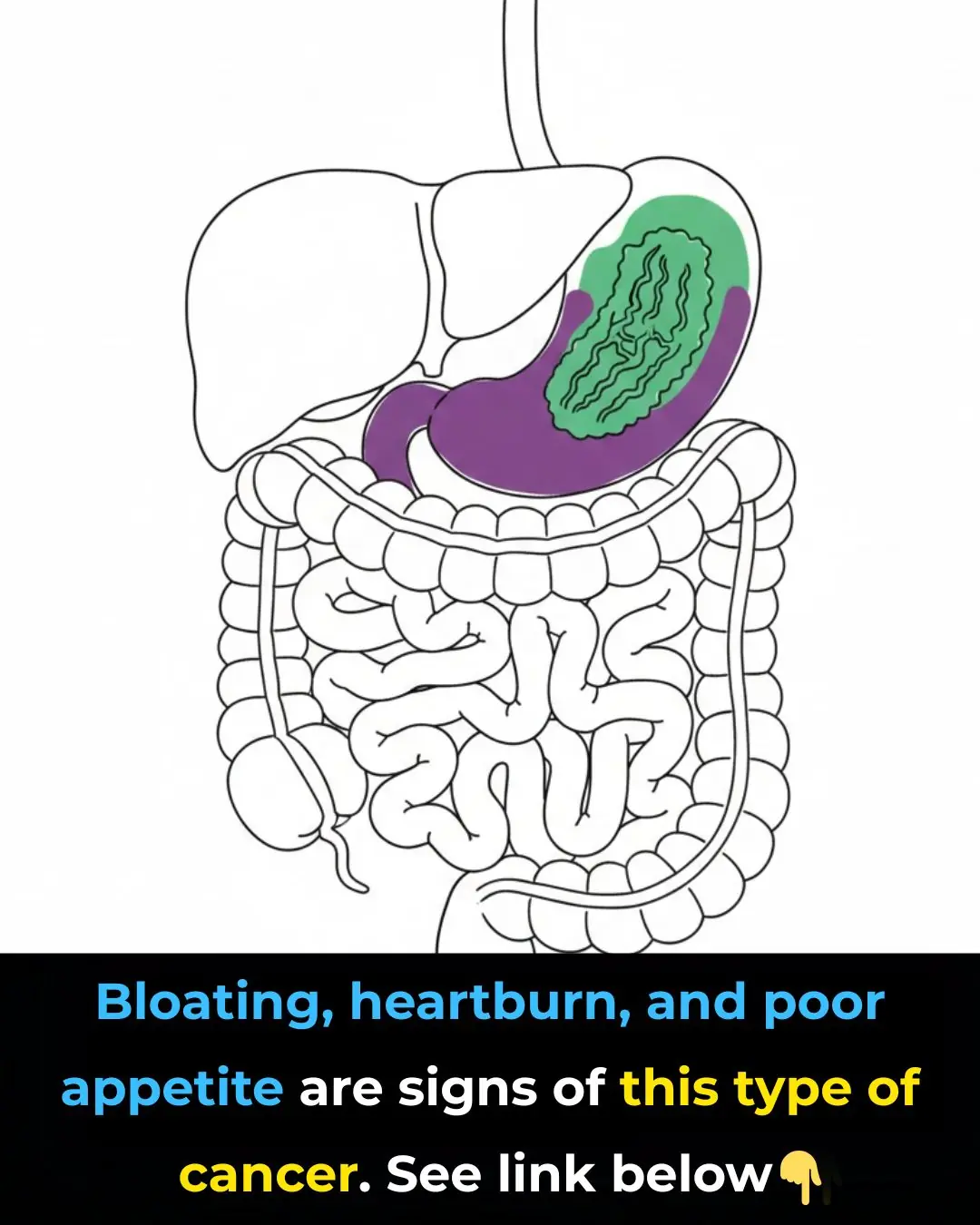
What Is Stomach Cancer?
What Is the Adam’s Apple

I spent a couple of nights at my friend’s previous apartment and saw these unusual bumps

Found this on my son’s scalp. Have no idea what it is and we can’t get a doc appt soon. Tips?

Why Do You Get Thick Toenails?

The science behind why your body jerks when you fall asleep
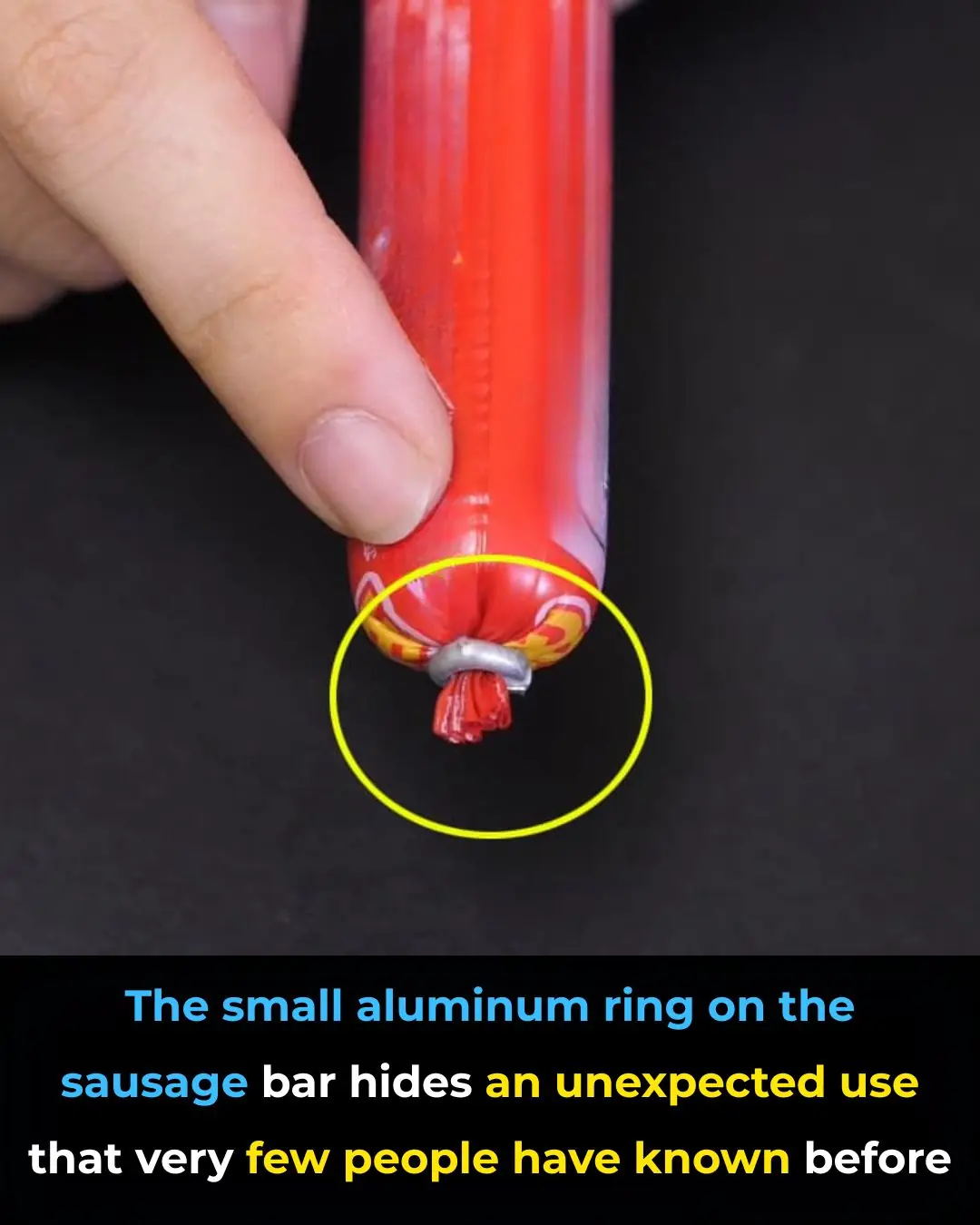
The Real Purpose of the Aluminum Ring on Sausage Bars
News Post
She Tore Up the DNA Report at the Baby’s Blessing—Then the Screen Lit Up and Froze the Entire Family
Life stories 27/02/2026 21:45

She Mocked an “Old Country Woman” in a Luxury Store—Then the Manager Bowed and Shut Down Her World
Life stories 27/02/2026 20:18
Naturally Softening the Appearance of Age Spots: A Simple DIY Mask with Cornstarch, Baking Soda, and Lemon for Brighter-Looking Skin
Health 27/02/2026 19:49

They Called My Son “Trash” at a School Meeting — Then I Took My Seat on the Board
Life stories 27/02/2026 19:08

He Made Me Crawl in a Job Interview—Then the Door Opened
Life stories 27/02/2026 18:31

First-Ever Recording of Dying Human Brain Reveals Possible “Life Recall” Activity
Health 27/02/2026 16:03

The Japanese Morning Ritual: A Simple Sip for Your Gut
Health 27/02/2026 15:43

10 Signs An Angel Is Trying To Contact You
Health 27/02/2026 15:41

Nighttime Bite That May Help Support Healthy Circulation
Health 27/02/2026 14:18

Papaya Leaves for Hair Growth: How This Traditional Herbal Rinse May Help Strengthen Roots and Enhance Shine
Health 27/02/2026 14:16

This Ancient Plant Is Called “Nature’s Gift”: The Real Health Benefits of Olive and Olive Leaf
Health 27/02/2026 14:15
How I Improved the Appearance of My Legs: Smoother, Brighter & Healthier-Looking Skin with Simple Daily Habits
Health 27/02/2026 14:13
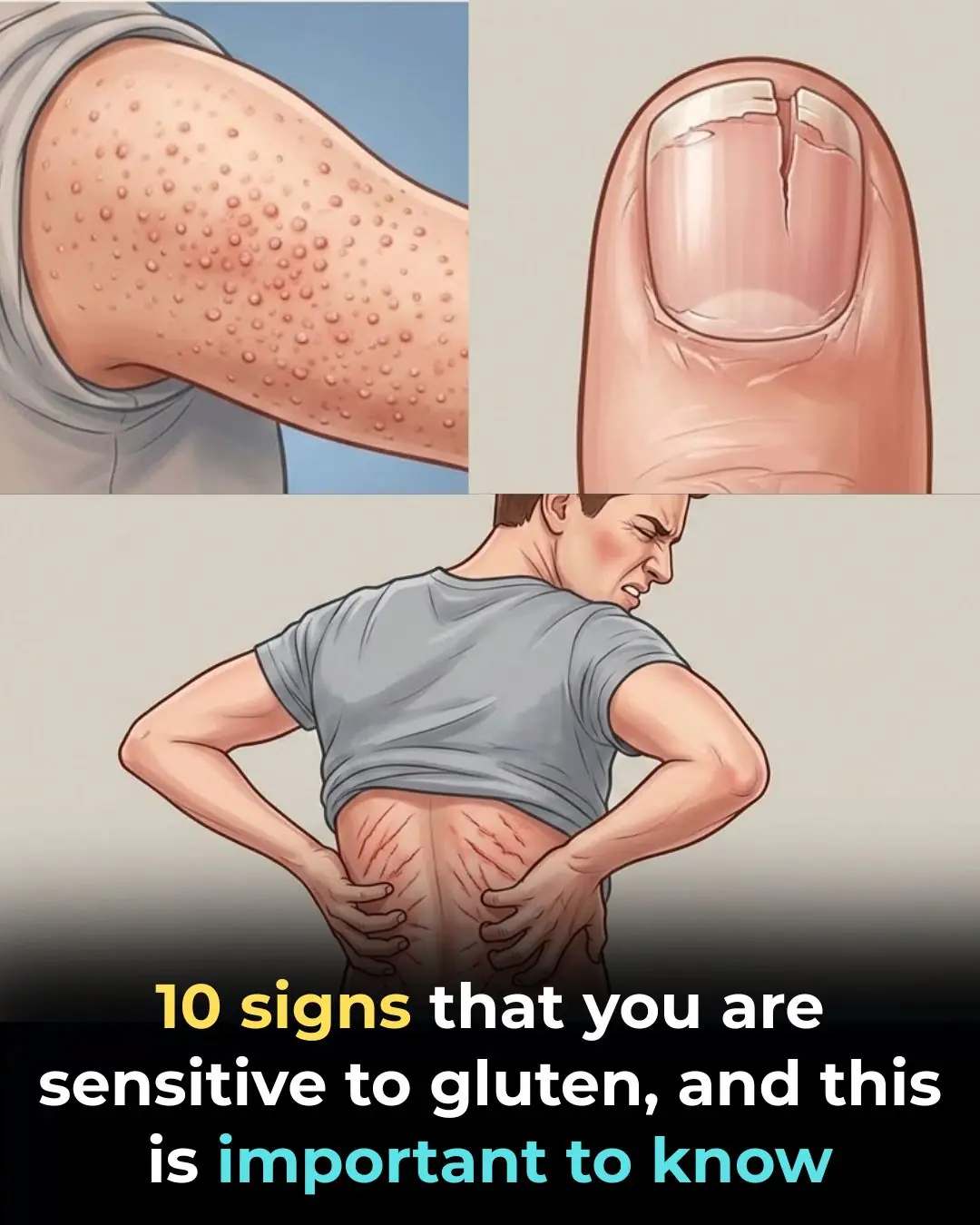
Warning Signs You May Be Sensitive to Gluten
Health 27/02/2026 08:12
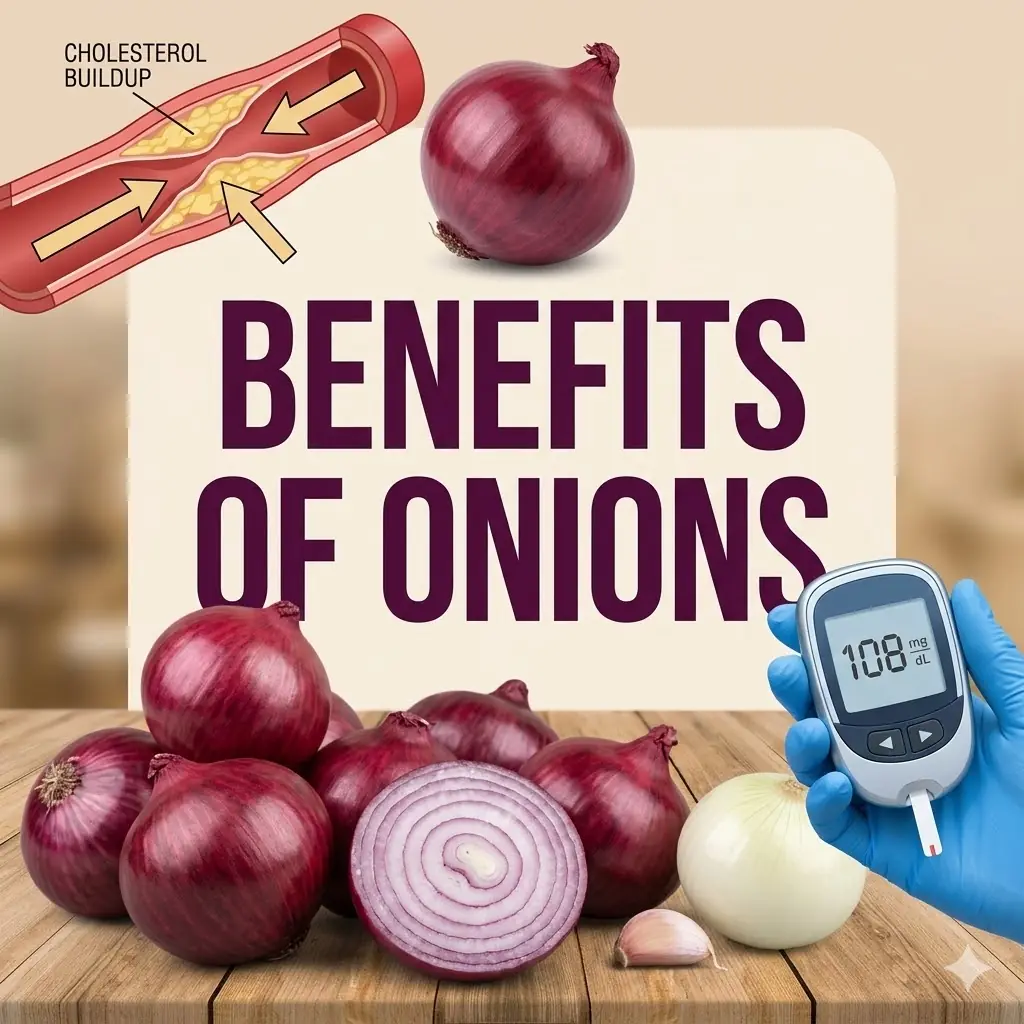
Can Red Onions Help Regulate Blood Sugar
Health 27/02/2026 08:09

She Slapped Him and Threw a $100,000 Check—So He Bought Her Entire Business District
Life stories 26/02/2026 23:39

She Accused a Cruise Dishwasher of Stealing Her Diamond Ring — What Happened Next Froze the Entire Ship
Life stories 26/02/2026 23:31
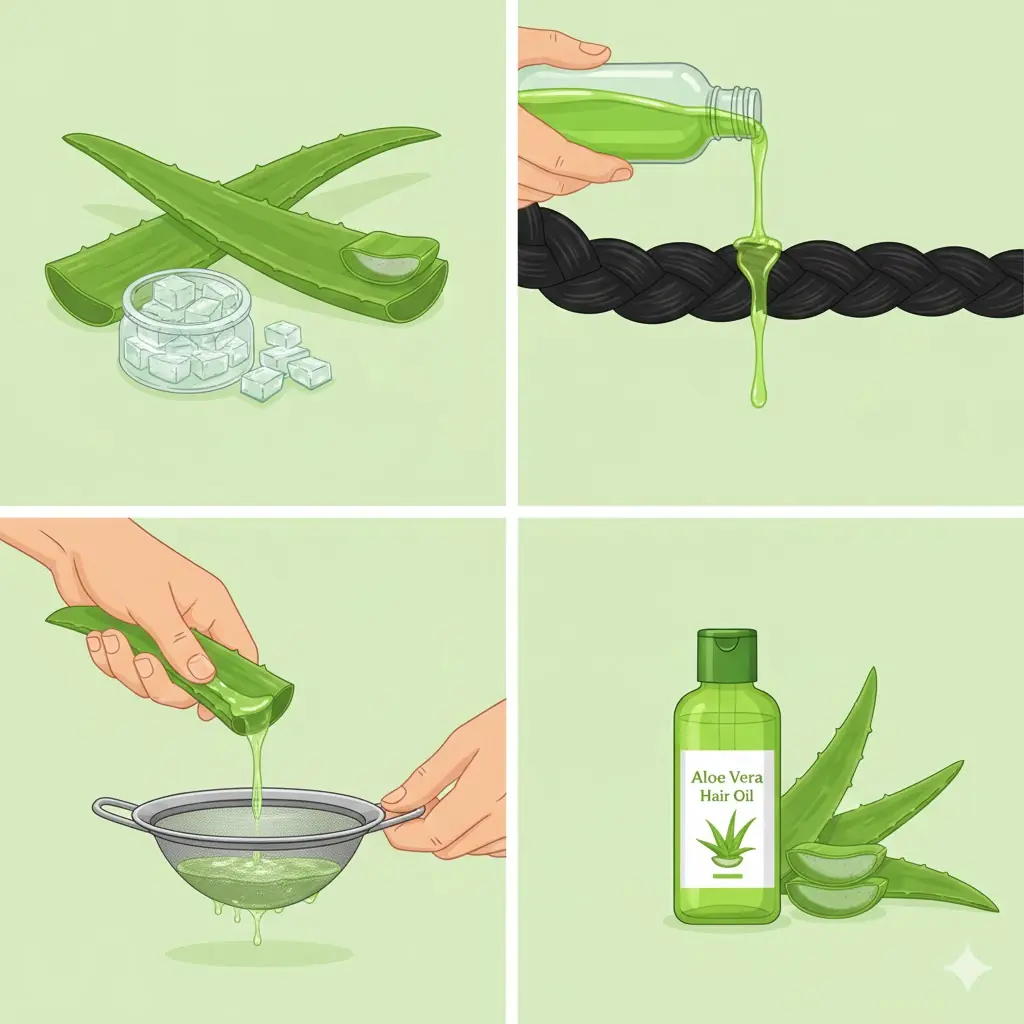
How to Make Aloe Vera Oil for Healthier, Stronger-Looking Hair
Health 26/02/2026 23:12

Bully Slaps Kid In Library—Then Sees What’s On Her Belt
Life stories 26/02/2026 22:42

Why Women Prefer Hotter Showers Than Men
Health 26/02/2026 22:24