Flex Alexander Reflects on Role as Michael Jackson in 2004 Biopic, Says Singer Hated the Film
News 11/01/2026 14:19
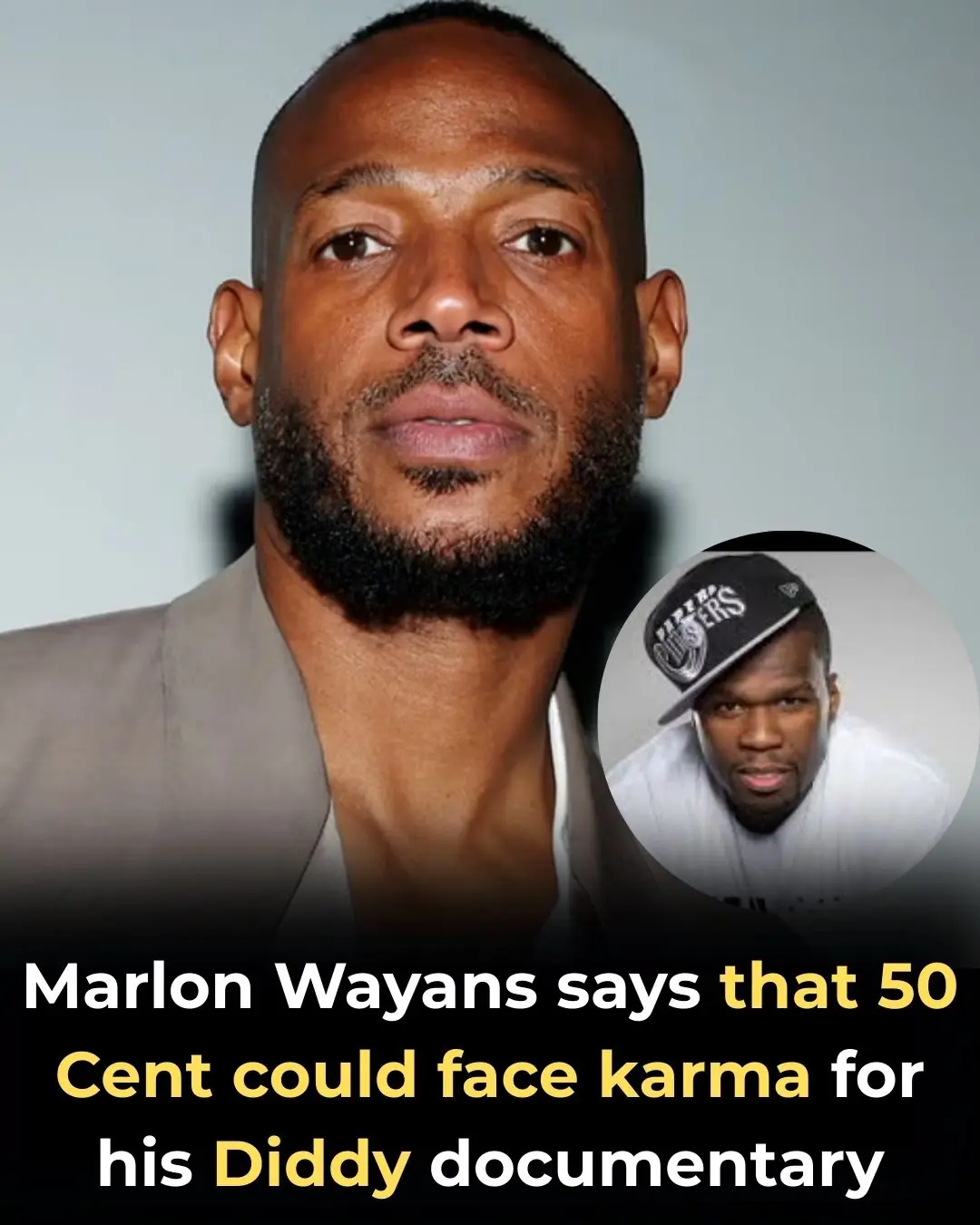
Following the release of the new docuseries Sean Combs: The Reckoning, produced by 50 Cent, both Hollywood and the hip-hop underground have been thrown into a familiar state of chaos.
The documentary, which revisits the long list of controversies surrounding Sean “Diddy” Combs, has not only reignited public debate but also reopened old wounds within the rap industry. One unexpected consequence has been the re-emergence of Ja Rule into the conversation—dragging a nearly quarter-century-old feud back into the spotlight.
Ja Rule took to X (formerly Twitter) to voice his criticism, accusing 50 Cent of being a “dry snitch” and calling out what he described as blatant hypocrisy. According to Ja Rule, 50 Cent has no moral authority to scrutinize alleged abuse when he himself has faced domestic-violence accusations in the past. He also questioned the true motive behind the docuseries, suggesting it was less about justice for victims and more about personal vendettas and profit.
In one of several heated posts, Ja Rule mocked 50 Cent for repeatedly exposing others while positioning himself as morally superior. The comments quickly went viral, adding fuel to an already volatile situation and drawing reactions from fans, critics, and industry insiders alike.
Not everyone agreed with Ja Rule’s stance. One X user, @brian_ambale, pushed back by arguing that some actions deserve public accountability regardless of who delivers it. “Some things can’t be swept under the rug,” the user wrote, framing 50 Cent’s actions as necessary rather than malicious.
Ja Rule responded by clarifying that he was not defending Diddy’s alleged behavior. Instead, he claimed he was highlighting 50 Cent’s character, arguing that exposing wrongdoing for personal gain is not the same as advocating for victims. He later doubled down, alleging that if 50 Cent truly cared about those affected, he would donate profits from the documentary to domestic-violence survivor charities.
To further support his argument, Ja Rule brought up 50 Cent’s own past. He referenced a widely reported 2013 incident in which Curtis “50 Cent” Jackson was accused of assaulting his ex-girlfriend, Daphne Joy, during an altercation at her Los Angeles condominium. The accusations included physical violence and the destruction of thousands of dollars’ worth of property, allegedly sparked by suspicions of infidelity. By resurfacing these claims, Ja Rule attempted to frame 50 Cent as no different from the figures he now criticizes.
The exchange raised a broader question: why accuse someone of “snitching” while engaging in similar behavior? The answer lies in history. The rivalry between 50 Cent and Ja Rule dates back nearly 25 years, beginning around 1999–2000 amid disputes over respect, territory, and industry power. What started as tension quickly escalated into diss tracks, public threats, physical confrontations, and legal trouble. Songs like 50 Cent’s “Wanksta” and Ja Rule’s “Loose Change” became weapons in a prolonged cultural war that ultimately damaged Ja Rule’s career and the reputation of Murder Inc.
The friction between 50 Cent and Diddy followed a different path—less about lyrical dominance and more about business, influence, and control. Failed deals, mistrust, and alleged attempts to lure artists away reportedly soured relations. Over time, 50 Cent cultivated a public persona as someone willing to expose what he viewed as the darker side of the industry’s polished image.
That context makes the release of Sean Combs: The Reckoning feel less like an isolated project and more like a continuation of old battles. For Ja Rule, the documentary was an opportunity to remind audiences that 50 Cent’s hands are not clean—and that calling out others does not erase one’s own history.
In the end, the situation reflects a recurring theme in hip-hop culture: unresolved feuds, blurred moral lines, and the constant tension between accountability and opportunism. Whether the docuseries leads to meaningful reflection or simply reignites old rivalries remains to be seen—but one thing is certain: the past in hip-hop never stays buried for long.