Garden Healthy 09/02/2026 18:25
Malva Sylvestris: Health Benefits, Medicinal Uses, and How to Use Common Mallow Safely
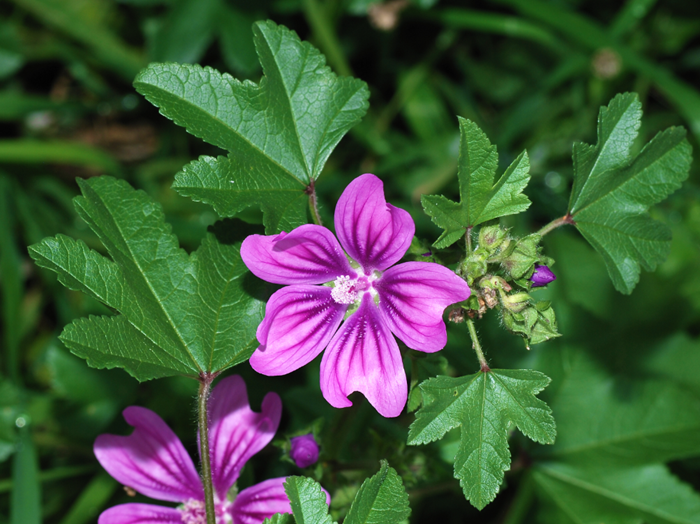
Malva sylvestris, commonly known as common mallow, is a gentle yet powerful medicinal herb that grows wild across Europe, North Africa, and parts of Asia. It belongs to the Malvaceae family, the same botanical group as hibiscus and hollyhock.
Despite its simple appearance — soft, rounded green leaves and delicate purple-pink flowers — common mallow has played an important role in traditional herbal medicine for centuries. It has long been valued for its ability to soothe irritation, calm inflammation, and support the body’s natural healing processes, particularly in the respiratory, digestive, urinary, and skin systems.
Nutritional and Medicinal Profile
Malva sylvestris contains a rich combination of bioactive compounds that explain its wide range of therapeutic effects:
-
Mucilage – soothing plant polysaccharides that coat and protect mucous membranes
-
Flavonoids – potent antioxidants that help reduce inflammation and oxidative stress
-
Tannins – natural astringents that support tissue repair and healing
-
Vitamins – including A, B-complex, C, and E
-
Minerals – calcium, magnesium, potassium, iron, and trace elements
Together, these nutrients make common mallow a versatile herbal remedy suitable for both internal and external use.
1. Respiratory Support – Calms the Throat and Lungs
Malva sylvestris is especially well known for its benefits to the respiratory system. Its high mucilage content acts as a natural demulcent and expectorant, coating irritated tissues and easing inflammation.
Benefits include:
-
Soothing dry coughs and sore throats
-
Helping relieve bronchitis and hoarseness
-
Reducing airway irritation
-
Loosening mucus and supporting easier breathing
How to use
Prepare a warm herbal infusion by steeping 1 tablespoon of dried leaves or flowers in 250 ml of hot water for 10–15 minutes. Drink 2–3 times daily, especially during colds or seasonal respiratory discomfort.
2. Digestive System Support
Common mallow has a long history of use as a gentle digestive healer. Its mucilage forms a protective layer over the stomach and intestinal lining, helping calm irritation and improve digestion.
It may help:
-
Relieve acid reflux and gastritis
-
Soothe inflamed intestines
-
Ease constipation and bowel irritation
-
Support detoxification and smoother digestion
How to use
Drink mallow tea before meals, or add the fresh or dried leaves to soups, stews, or broths as a mild digestive tonic.
3. Skin Healing and Anti-Inflammatory Effects
When used externally, Malva sylvestris is a soothing skin remedy suitable for sensitive or damaged skin. Its mucilage hydrates, protects, and supports faster tissue repair.
Helpful for:
-
Minor wounds and burns
-
Insect bites and rashes
-
Eczema and dry, irritated skin
-
Redness, swelling, and cracked skin
How to use
-
Apply a cool mallow tea compress to affected areas
-
Use mallow-infused oil or ointment as a calming topical treatment
-
Ideal for both adults and children with sensitive skin
4. Urinary Tract and Kidney Support
Malva sylvestris also functions as a mild natural diuretic, helping flush the urinary system while calming inflammation.
Potential benefits:
-
Supporting relief from mild urinary tract infections
-
Reducing bladder irritation
-
Encouraging healthy urine flow
-
Helping prevent kidney stone formation when combined with proper hydration
How to use
Drink mallow tea daily for 5–7 days during mild urinary discomfort, while maintaining adequate water intake.
5. Anti-Inflammatory and Antioxidant Protection
Thanks to its flavonoids and anthocyanins, common mallow offers system-wide anti-inflammatory and antioxidant support.
It may help:
-
Combat chronic inflammation
-
Protect cells from free-radical damage
-
Support joint comfort and mobility
-
Slow early signs of aging
-
Strengthen immune defenses
Regular use supports overall vitality and gentle detoxification.
Ways to Use Malva Sylvestris
Herbal Tea (Infusion)
Preparation:
-
Add 1 tablespoon of dried leaves or flowers to 250 ml hot water
-
Cover and steep for 10–15 minutes
-
Strain and drink 2–3 times daily
Cold Maceration (Best for Mucilage)
This method preserves the highest amount of soothing mucilage.
Preparation:
-
Place 1–2 tablespoons of dried mallow in 250 ml cold water
-
Let soak 8–10 hours (overnight)
-
Strain and sip throughout the day
Ideal for digestive irritation and sensitive mucous membranes.
Poultice or Compress (External Use)
Preparation:
-
Crush fresh leaves or rehydrate dried ones in warm water
-
Apply directly or wrap in gauze
-
Leave on skin for 20–30 minutes
-
Repeat 1–2 times daily
Mallow-Infused Oil (Skin & Muscle Care)
How to make:
-
Fill a glass jar halfway with dried leaves or flowers
-
Cover with cold-pressed olive oil
-
Seal and place in sunlight for 2–3 weeks, shaking occasionally
-
Strain and store in a dark glass bottle
Use as a soothing massage oil or skin treatment.
Precautions and Safety Notes
Malva sylvestris is considered very safe and gentle when used appropriately. However:
-
Avoid excessive use during pregnancy or breastfeeding without medical advice
-
Consult a healthcare professional if taking prescription medications, especially diuretics or diabetes drugs
-
Use only organically grown or clean wild plants, as mallow can absorb heavy metals from polluted soil
Final Thoughts
Malva sylvestris may appear humble, but it is a remarkable natural healer. From calming irritated throats and digestive systems to restoring skin health and supporting detoxification, common mallow offers a gentle yet effective approach to herbal wellness.
Disclaimer:
The information provided in this article about Malva sylvestris (common mallow) is intended for educational purposes only. It does not replace professional medical advice, diagnosis, or treatment. Always consult a qualified healthcare provider before beginning any herbal regimen.
News in the same category
Bull Thistle (Cirsium vulgare): A Wild Plant with Surprising Benefits
63 Amazing Benefits of Mullein (Verbascum densiflorum)

🌿 Euphorbia Thymifolia: The Tiny Herb with Powerful Healing Potential
Cleavers (Galium aparine) – Nature’s Gentle Detoxifier with Powerful Healing Uses
The Hidden Gem in Your Garden: Discover the Health Benefits of Pigweed
Herb Robert (Geranium robertianum): The Little Wild Plant With Surprising Power
Wood Sorrel (Oxalis): The Tangy Wild Plant with Hidden Health Benefits and Everyday Uses
Coneflower (Echinacea) Benefits, Uses, and Natural Remedies Explained
Why Purslane Deserves Your Attention
🌺 Banana Blossom Magic: The Hidden Superfood That Can Transform Your Body
Dandelion Root Benefits for Lung and Liver Support: A Natural Wellness Guide Worth Knowing
Heart-Friendly Foods That Support Healthy Circulation: Practical Nutrition Tips for Long-Term Cardiovascular Wellness
12 Moringa Seed Benefits Most People Overlook: Practical Wellness Discoveries and Everyday Nutrition Insights
Don’t Step on This Garden “Weed”—It’s a Nutritional Goldmine!
🌿 Unlock Nature’s Secret: The Astonishing Healing Powers of Mimosa Pudica
The Superfood Weed You’ll Wish You Embraced Sooner
Albizia julibrissin (Mimosa Tree): 20 Essential Benefits and How to Use It
The Hidden Power of Lactuca serriola Root (Prickly Lettuce Root)
News Post

Boy Slaps Girl On First Date—Her Waiter Dad Is Army Ranger
Life stories 09/02/2026 22:36

Foamy Urine: Here’s Why You Have Bubbles in Your Urine
Health 09/02/2026 22:35

Why Almonds Are So Good for You: Health Benefits of Almonds Backed by Science
Health 09/02/2026 22:32

The secret to making homemade tomato sauce: affordable, delicious, and free from additives.
Tips 09/02/2026 22:29

Why should you put a clove of garlic in the toilet at night? Knowing its uses, every family wants to follow suit
Tips 09/02/2026 22:24

(Part 1) She Knew Something No Child Should Know
Life stories 09/02/2026 22:21

How to Naturally Increase Estrogen Levels
Health 09/02/2026 22:18
Unexpected health benefits of chai spices you may not be aware of
Health 09/02/2026 22:15

My fiancé left me at the altar, sneering, “Sell the ring and chase your little cooking dream.”
Life stories 09/02/2026 21:32

What Happens When She Knows the Truth
Life stories 09/02/2026 21:00

Homemade Pumpkin Remedies for High Blood Sugar, Cholesterol, and Artery Health
Health 09/02/2026 20:49

Apple, Mango, and Cucumber Juice for Weight Loss: The Natural Drink That Helps Reduce Bloating and Support Fat Burning
Health 09/02/2026 20:46

Say Goodbye to Gray Hair with Garlic and Cloves: A Powerful Natural Remedy
Health 09/02/2026 20:44

Stop Wasting Money on Pest Poisons: Discover If Toothpaste Can Really Help Keep Mice, Cockroaches, and Ants Away
Health 09/02/2026 20:42
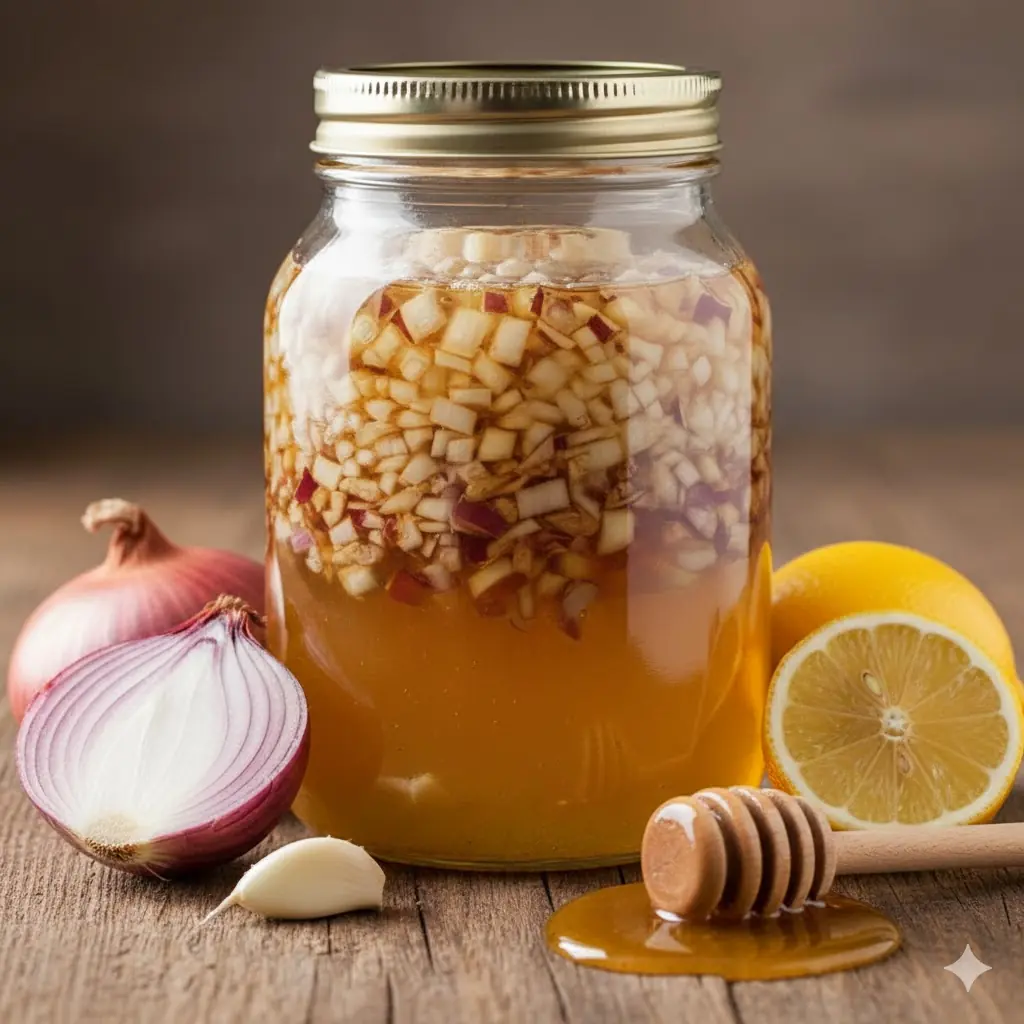
Grated ginger, onion, garlic, lemon juice, and honey One teaspoon a day starting on the 7th day.
Health 09/02/2026 20:40

He Didn’t Raise His Voice. That’s What Terrified Everyone.
Life stories 09/02/2026 20:01
Milk Thistle and Your Liver: Nature’s Most Powerful Ally for Liver Health
Garden Healthy 09/02/2026 18:32
Bull Thistle (Cirsium vulgare): A Wild Plant with Surprising Benefits
Garden Healthy 09/02/2026 18:31
63 Amazing Benefits of Mullein (Verbascum densiflorum)
Garden Healthy 09/02/2026 18:29
🌿 Euphorbia Thymifolia: The Tiny Herb with Powerful Healing Potential
Garden Healthy 09/02/2026 18:27