
Health 10/04/2026 19:00
Many people believe that storing leftovers in the fridge automatically makes them safe to eat the next day
Many people believe that storing leftovers in the fridge automatically makes them safe to eat the next day, but that’s not always the case. Certain foods can develop harmful bacteria or toxins even when refrigerated, especially if they are not stored properly or reheated thoroughly. Some experts warn that foods like cooked rice, seafood, eggs, leafy greens, and certain processed meals can become risky after being left overnight, as bacteria such as Bacillus cereus can still grow and produce toxins that reheating won’t destroy. What makes it more dangerous is that these foods often look and smell completely normal, giving you no clear warning before consumption. In some cases, eating improperly stored leftovers can lead to food poisoning symptoms like nausea, vomiting, stomach pain, diarrhea, or even more serious complications, particularly for children, the elderly, or those with weakened immune systems.
Another important factor many people overlook is how the food was handled before being placed in the fridge. If hot food is left out at room temperature for too long before refrigeration, bacteria can multiply rapidly. Even placing large portions directly into the fridge without proper cooling can create conditions where the center of the food stays warm long enough for bacteria to grow. In addition, repeatedly reheating the same food multiple times increases the risk even further, as each cycle gives bacteria another opportunity to develop.
Certain types of leftovers are especially sensitive. Cooked rice, for example, can harbor spores that survive cooking and later turn into harmful toxins if left at room temperature. Seafood and meats can spoil quickly and may carry bacteria that are difficult to eliminate. Leafy vegetables, when cooked and stored, can sometimes produce compounds that are not ideal for consumption if kept too long. Even sauces and dairy-based dishes can go bad faster than expected without obvious signs.
The key is not to panic, but to be aware and cautious. Always store leftovers in airtight containers, refrigerate them within a short time after cooking, and consume them within a safe timeframe—usually within 24 to 48 hours depending on the type of food. When in doubt, trust your judgment and prioritize your health. It’s better to waste a small amount of food than to risk serious illness. Sometimes, what seems like a simple habit in your daily routine can carry hidden risks, and paying attention to these small details can make a big difference in keeping you and your family safe.
News in the same category
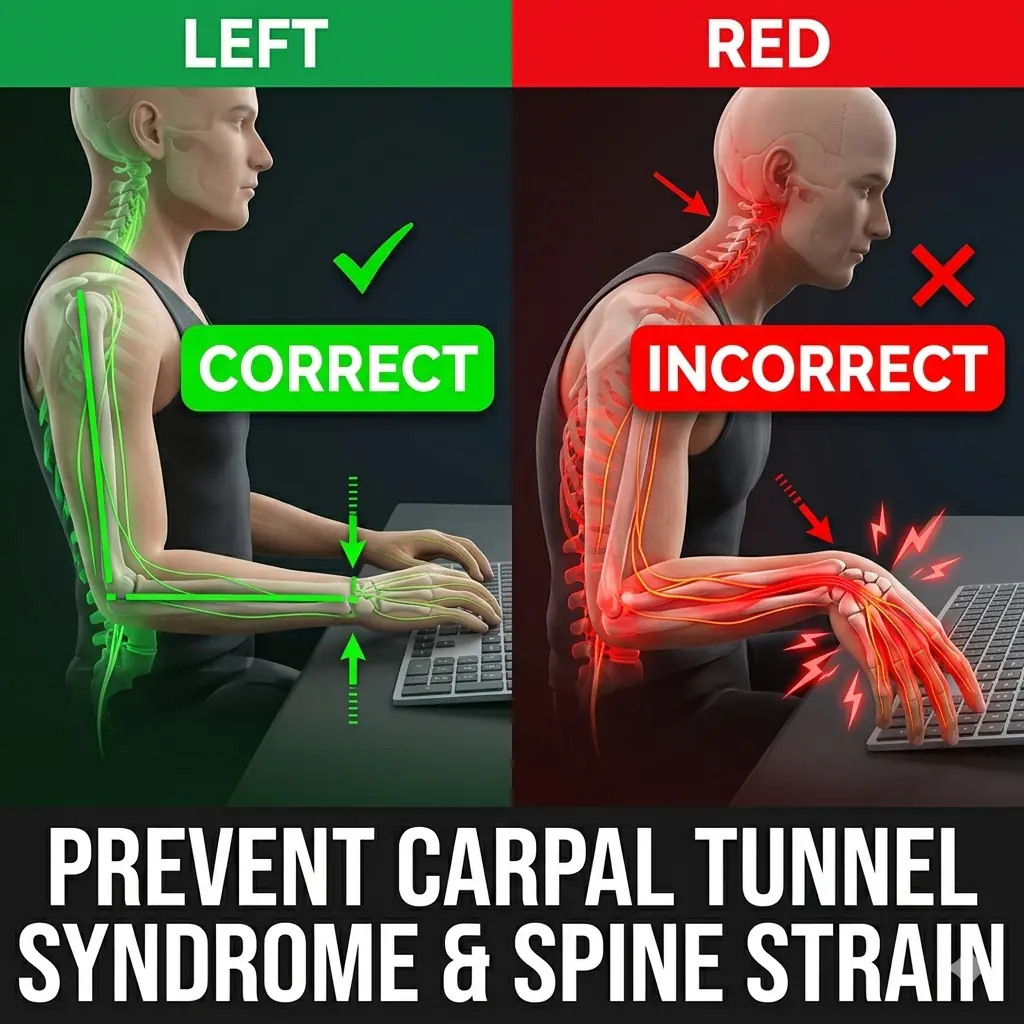
Correct vs Wrong Sitting Posture: How Poor Wrist Position Can Damage Your Nerves

Doctors reveal that eating avocado causes... see more

5 Alarming Stroke Warning Signs to Watch for in Young People

Is He Pulling Away? The Real Reason Your Partner Turns Their Back While Sleeping

If Your Cat Sleeps Next to You, It Might Be Trying to Tell You Somethin
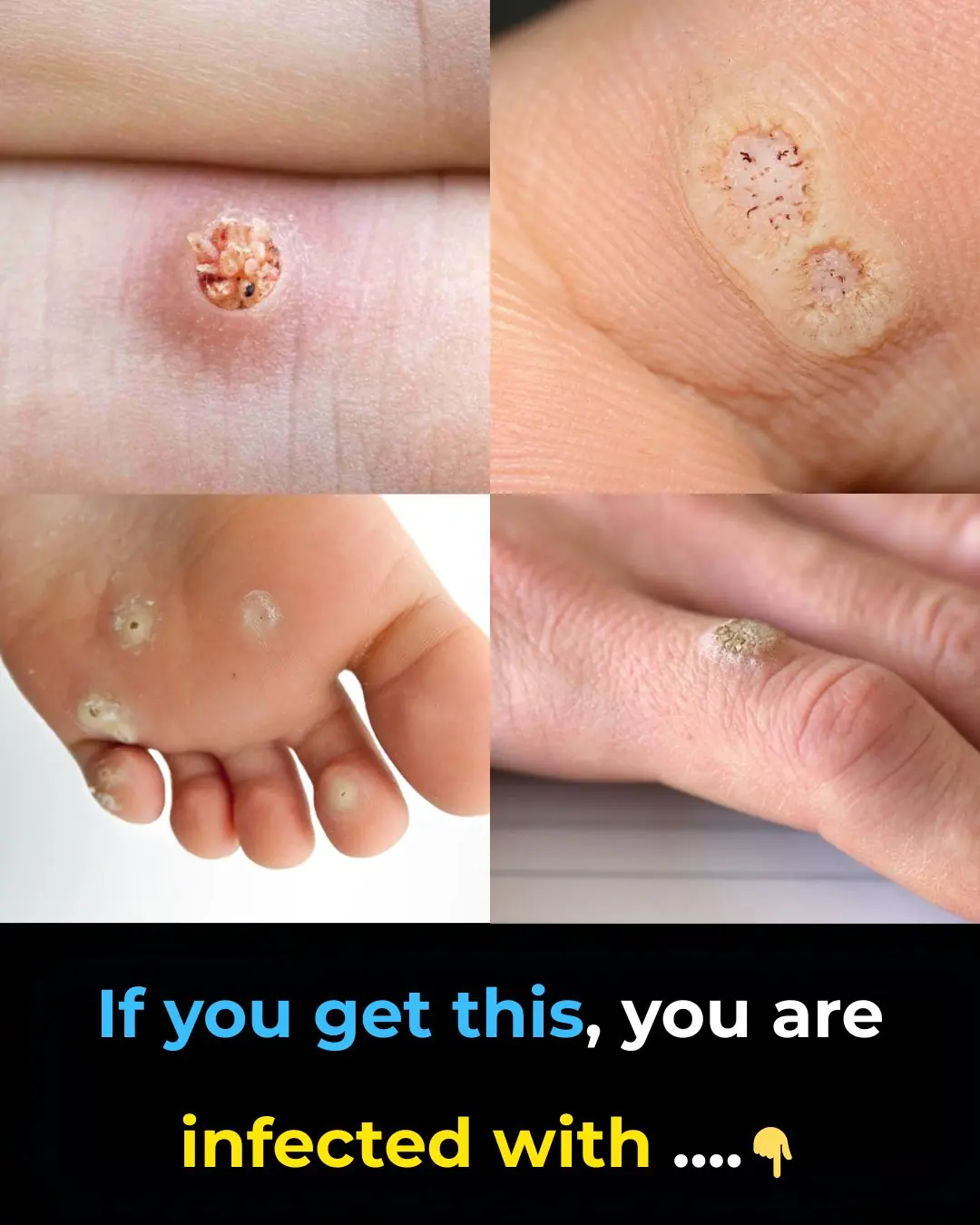
6 Types of Warts: Signs, Symptoms, Home Remedies, and Treatment

These are the Consequences of Sleeping with the Fan On
This Simple Night Routine May Help Protect Your Heart (And Most People Ignore It)

Cancer Often Shows No Pain at First – But These 8 Bathroom Warning Signs Should Never Be Ignored

8 of the Best Anti-Cancer Foods: It’s Time to Start Adding Them to Your Diet

Why Kidney Failure Is Striking the Young—And How to Stop It

Coughing Caused by Acid Reflux: Hidden Signs, Causes, and Effective Solutions

Deep Diaphragmatic Breathing

Tonsil Stones: Causes, Symptoms, and Solutions

Not Just Forgetfulness… Your Brain May Be Warning You

Summary: New Scientific Findings on the Causes of Autism
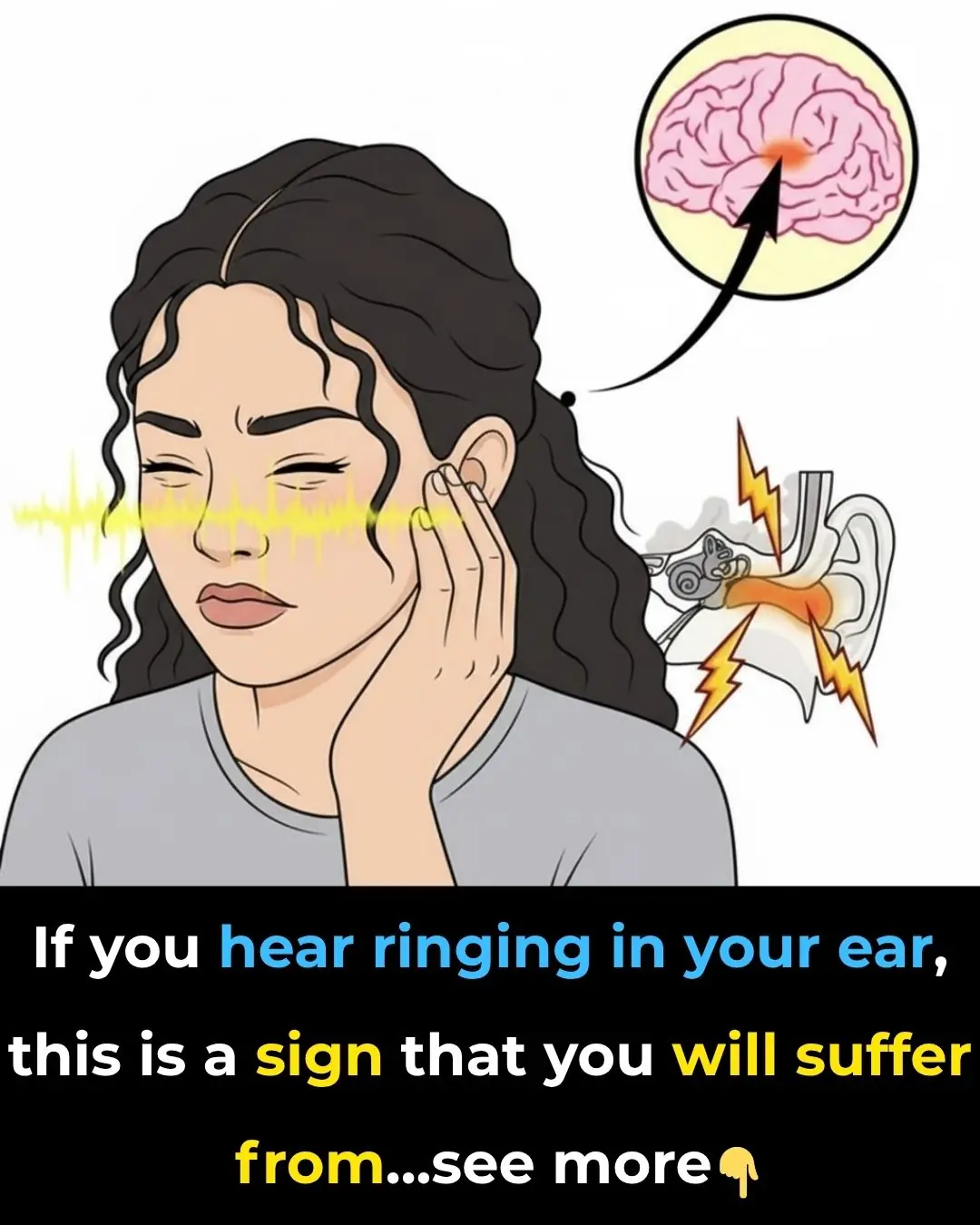
Ringing in Your Ear: Understanding Tinnitus

Say Goodbye to Joint and Foot Pain with a Relaxing Rosemary Bath
News Post
Blood Pressure Drug Recalled After Cancer-Causing Chemicals Detected: What You Need to Know
Health 11/04/2026 00:10

The Viral Video That Changed Everything. A Dog, a Family, and the Truth That Came Out
Life stories 11/04/2026 00:04
Correct vs Wrong Sitting Posture: How Poor Wrist Position Can Damage Your Nerves
Health 11/04/2026 00:03

The Arsenal of Democracy in Crisis: Why the US Needs China to Rebuild Its Weapons Stockpiles
News 10/04/2026 23:50

US-Iran Geopolitical Stalemate: Why Neither Side Can Sustain a Long-Term War
News 10/04/2026 23:41

Cop Assaults Black Navy SEAL At Grocery Store — Security Camera Exposes Him
Life stories 10/04/2026 23:40

The Boy Who Saw the Truth
Life stories 10/04/2026 23:09

An Elderly Woman Tried to Pawn Her Wedding Ring to Save Her Sick Son — But What the Shop Assistant Did Left Everyone Stunned
Life stories 10/04/2026 22:51

She Was Judged by Her Clothes — Until the Truth Left the Restaurant in Shock
Life stories 10/04/2026 22:39

The Police Dog Wouldn’t Stop Barking at a Homeless Man. Seconds Later, Everyone Understood Why
Life stories 10/04/2026 19:41

In the courtroom, a woman rose from the defendant’s bench and stated in a calm voice that her dog would prove her innocence.
Life stories 10/04/2026 19:31

The day when, under a lead-colored sky, a dog began to look passersby in the eyes with such despair that even the busiest people stopped.
Life stories 10/04/2026 19:03

The 15th Floor Nightmare: When Man’s Best Friend Isn’t Human
Life stories 10/04/2026 18:42

The Mistress Poured Water on a “SERVANT” and Said I’d Never Be More Than Dirt—She Had NO IDEA Who I Really Was
Life stories 10/04/2026 18:19

The Bride SHOVED a 5-Year-Old to the Floor and SHREDDED His Drawing — Then Her Face Turned WHITE
Life stories 10/04/2026 18:09

The Groomsman Mocked a Quiet, Overweight Chef During the Cake Cutting — Then His Face Turned WHITE
Life stories 10/04/2026 18:01

Abandoned by Her Family, Maria Braved the Dangerous River — Unaware That Something Far More Terrifying Awaited on the Other Sidev
Life stories 10/04/2026 17:16

The First 3 Colors You See Reveal Your Personality (This Test Is Surprisingly Accurate)
Facts 10/04/2026 17:12

Pick a Potion: A Personality Quiz That Reveals the Woman You Are
Facts 10/04/2026 17:04