Nighttime Leg Cramps: When to Worry and Seek Medical Help
Health 03/04/2026 18:46
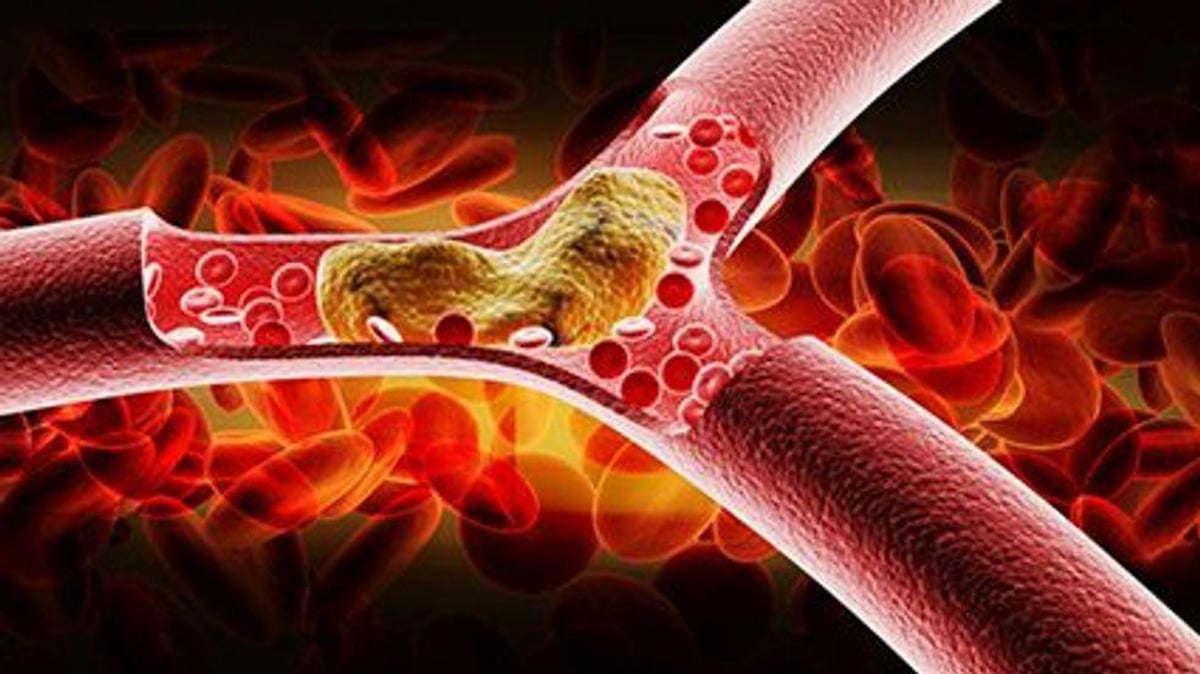
Natural blood thinners offer a promising way to support your body's ability to prevent blood from becoming too thick, which can lead to the formation or enlargement of dangerous blood clots. Ingredients like turmeric, garlic, Ginkgo biloba, cinnamon, and omega-3 fatty acids, along with vitamins such as E and C, are known for their potential to improve circulation and promote heart health.
Blood clotting is a vital process, essential for stopping excessive bleeding after an injury. However, if your blood coagulates excessively, dangerous clots can form. These clots can then travel through your arteries, potentially lodging in vital organs like your heart, lungs, or brain, leading to severe health consequences. While natural blood-thinning foods, vitamins, and supplements can significantly help reduce the risk of serious clotting, it's crucial to understand their role.
It's important to note that natural blood thinners may not be as potent or predictable as prescription medications. Therefore, never alter your prescribed blood thinner medication (such as warfarin/Coumadin or Xarelto) without first consulting your physician.
This article will delve into specific foods, supplements, and vitamins renowned for their blood-thinning properties. We will also highlight essential precautions to take when using natural blood-thinning substances, especially if you are already on prescription medication.
The term "blood thinners" is commonly used, but it's more accurate to refer to these substances as anti-clotting agents. Natural blood thinners work by preventing blood platelets from clumping together easily to form clots, or by slowing down the overall blood clotting process.
There are two primary types of "blood thinning" substances:
These substances typically influence the fibrinolytic system, which is intricately linked to blood coagulation. Fibrinolysis is the body's natural process that helps dissolve existing blood clots and prevents new ones from forming, ensuring proper blood flow. For instance, coumarin, a natural anticoagulant, is found in certain types of cinnamon and is also synthesized to create powerful anticoagulant drugs like warfarin.

You might be advised to take blood-thinning medication if you are at an elevated risk of serious cardiovascular events such as a heart attack, stroke, or deep vein thrombosis (DVT).
According to the National Health Service, medications that prevent blood clots are crucial because they help keep blood vessels from becoming blocked. A blocked artery can severely restrict blood flow to essential organs, leading to life-threatening conditions. Other reasons for needing blood thinners can include being overweight, recovering from surgery, or having any pre-existing blood vessel disease.
While a number of natural substances possess anticoagulant activity, it's crucial not to view them as direct replacements for prescription blood thinner medications. Prescription anticoagulants or antiplatelet drugs are typically required when a person is at significant, medically diagnosed risk from blood clots.
Later in this article, we'll discuss the important precautions you should take if you are using blood-thinning medication in conjunction with blood-thinning foods or supplements.
Let's explore in detail some natural anti-clotting agents that can help improve your circulation and support overall blood health.
Turmeric, a vibrant yellow spice, contains powerful compounds that exhibit anticoagulant properties and can help "thin" the blood. The key active compound responsible for these effects is curcumin, a well-known anti-inflammatory substance with numerous health benefits.
Studies have shown that curcumin inhibits specific coagulant enzymes in the blood that are involved in clot formation. Scientists have found that curcumin possesses anti-thrombotic properties, suggesting that regular intake may contribute to blood thinning. A 2018 study reinforced that curcumin acts as an herbal blood thinner due to its anticoagulation and fibrinolytic effects, potentially helping to prevent certain cardiovascular diseases and support overall blood health.
Note: It's important to be cautious about using turmeric supplements if you are already taking blood-thinning medication due to potential interactions.
Ginger can contribute to a "blood-thinning" effect by helping to prevent platelets from sticking together and forming clots. A 2015 review of studies on ginger's blood-thinning effects found that the spice can influence platelet aggregation. One clinical trial specifically noted that taking 5 grams of ginger powder twice a day helped reduce platelet clumping. However, some trials did not show a significant anti-clotting effect, indicating that its impact may vary.
Researchers also caution that herbal supplements like ginger may increase the risk of bleeding after surgery. Furthermore, combining ginger supplements with prescription blood thinners like warfarin is generally not advised due to potential interactions and increased bleeding risk.
Garlic is a well-regarded natural food that can help prevent clotting by reducing the activity of clotting enzymes in the blood. One study on rats demonstrated that fresh garlic has an anti-thrombotic effect and can improve blood health. The study also indicated that onions possess similar, though less potent, blood-thinning properties.
A comprehensive review of garlic's medicinal properties found that garlic supplements, particularly aged garlic extract, can help prevent thrombosis (blood clot formation) and promote overall blood vessel health. Other studies have consistently shown that regular garlic consumption can contribute to preventing cardiovascular disease and naturally lowering high blood pressure.
Taking Vitamin E supplements may help improve blood circulation and prevent clotting. A large study involving nearly 40,000 women found that taking 600 IU of vitamin E on alternate days potentially helped prevent venous thromboembolism (VTE), a condition where blood clots form in deep veins of the arms, legs, or groin.
The anti-clotting properties of vitamin E may also play a role in preventing heart attacks and strokes in individuals at risk. However, some research suggests that excessive intake of vitamin E could potentially be detrimental to cardiovascular health, highlighting the importance of appropriate dosage.
Cayenne pepper may offer a natural way to help manage thick blood and prevent platelets from clumping together. It contains capsaicin, the compound responsible for its spiciness, which has notable blood-thinning properties. Studies have found that capsaicin exerts both anticoagulant and antiplatelet effects, helping to prevent clot formation.
Another way cayenne pepper may act as a natural blood thinner is through its content of salicylates. Salicylic acid is a key component of aspirin, a common medication used for its blood-thinning and anti-clotting properties. In fact, some researchers have observed that spicy curries containing turmeric, chili powder, and paprika may contain "pharmacological amounts" of salicylic acid.
Caution: Some researchers advise against taking capsaicin supplements in conjunction with antiplatelet or anticoagulant drugs due to potential interactions.
Certain types of cinnamon contain a compound that can thin blood in a manner similar to some popular pharmacological blood thinners. Cassia cinnamon, specifically, contains coumarin, a potent anticoagulant that can help prevent clotting. However, studies have also shown that high doses of Cassia cinnamon may negatively impact liver health due to its coumarin content.
Because high levels of coumarin in Cassia cinnamon can pose health risks, it's generally recommended to choose Ceylon cinnamon if you're consuming it as a health supplement. However, Ceylon cinnamon contains very little coumarin, and therefore may not have enough to effectively thin blood.
Taking Ginkgo biloba may help to naturally dissolve blood clots due to its anticoagulation properties. The journal Experimental & Clinical Cardiology highlighted Ginkgo biloba as an herbal blood thinner. While some studies have explored its use in helping to resolve blood clots, more extensive human research is needed to fully confirm its efficacy in this regard.
Important: Due to its ability to reduce clotting, Ginkgo biloba may not be suitable to take alongside anticoagulant medication. Researchers have also noted that Ginkgo biloba may increase the risk of bleeding, particularly in elderly individuals.
Omega-3 fatty acid supplements are well-known for their cardiovascular benefits and can help prevent blood from becoming too thick. Animal studies have shown that omega-3 fish oil can prevent blood from coagulating too quickly. Simultaneously, omega-3 supplements are beneficial for lowering cholesterol and generally improving blood health.
One case report found that omega-3 could interact with and potentially increase the anticoagulation potential of warfarin. Therefore, researchers suggest that patients taking both warfarin and omega-3 supplements should have their blood health regularly monitored.
Regular consumption of green tea can be a healthy way to support blood health. Green tea contains a compound called epigallocatechin (EGC), which has both antiplatelet and anticoagulation effects. A study on mice found that green tea catechins helped prevent platelet aggregation. Another study suggested that compounds in green tea have the potential to help reduce the risk of blood clots due to their antiplatelet activities.
Precaution: While generally very healthy, care should be taken if you are on anticoagulant medication. Studies have shown that green tea is a potential source of vitamin K, which can interfere with the effectiveness of warfarin.
When consumed in moderation, alcohol, particularly red wine, can potentially thin the blood and positively influence your coagulation system. The journal Nutrients reported that moderate amounts of wine and beer exhibit anticoagulant, anti-inflammatory, and hypotensive properties. Moderate alcohol consumption has been linked to protection against myocardial infarction (heart attack).
Studies examining the benefits of the Mediterranean diet have found that red wine helps prevent platelet aggregation and also contributes to balancing coagulation in the blood.
Warning: It's crucial to remember that excessive alcohol consumption has significant negative effects on your health and vascular system. Alcohol intoxication can increase the risk of venous thromboembolism and stroke. Overindulging in wine, beer, or spirits can also severely damage your liver.
Several other foods and herbs can benefit your health and help prevent blood from becoming too thick:
While many foods, supplements, and vitamins can help thin the blood to some extent, it's crucial to remember a few key points:
Generally, including foods such as garlic, turmeric, or cinnamon in your diet as a flavoring or spice in typical culinary amounts will not affect prescription blood thinners. However, if you are considering taking herbal supplements (which contain concentrated amounts) while on blood thinners, it is absolutely essential to consult with your doctor first. They can assess potential risks, monitor your blood coagulation, and provide personalized advice to ensure your safety.