One Plastic Bottle, Centuries of Consequences: The Hidden Cost of Single-Use Plastic
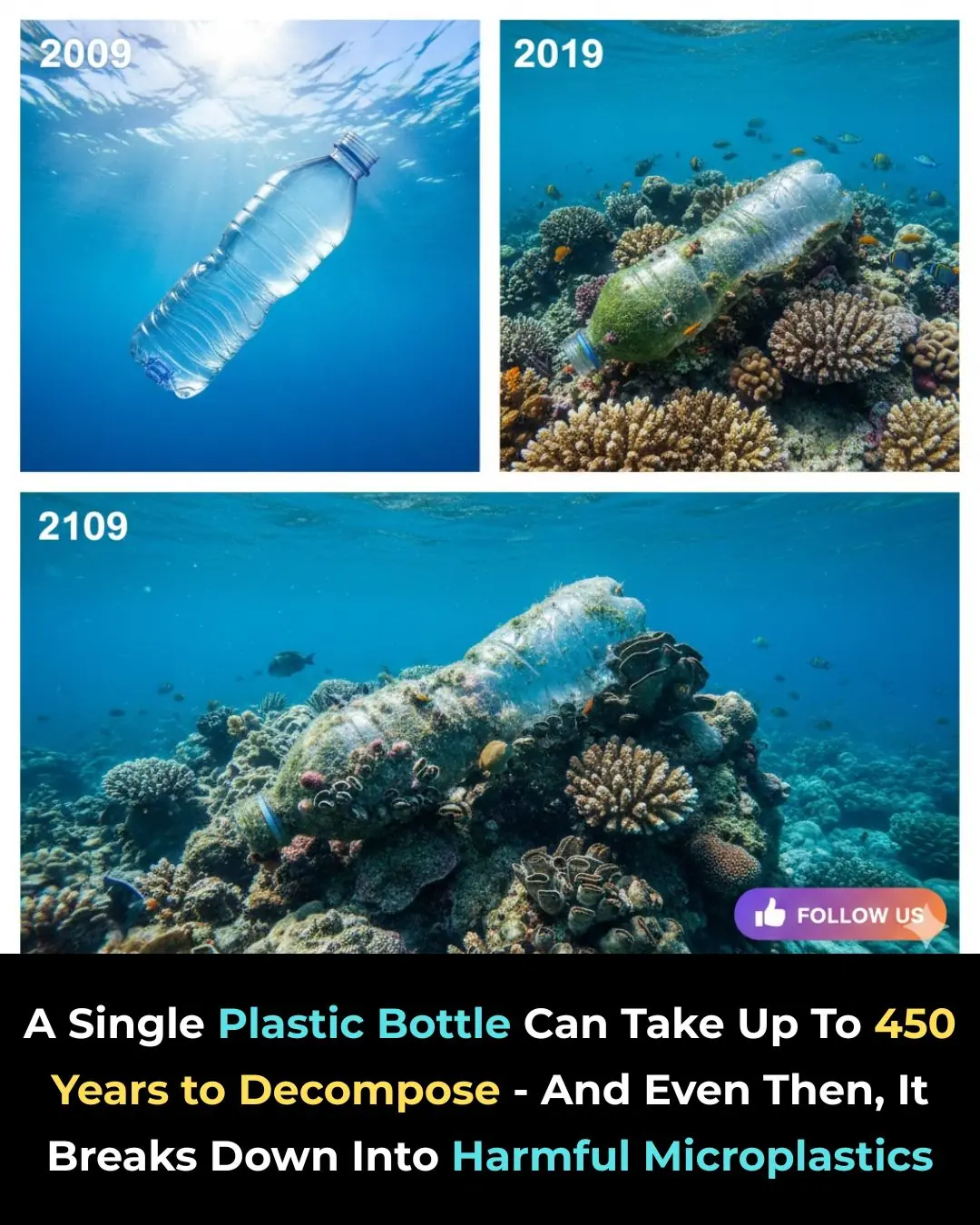
A single plastic bottle may seem insignificant—used for just a few minutes before being thrown away—but its environmental impact can last for centuries. Scientists estimate that a plastic bottle can take up to 450 years to break down. Even then, it never truly disappears. Instead, it fragments into tiny particles known as microplastics, which persist in the environment and continue to cause harm long after the original product is forgotten.
Microplastics have become one of the most alarming pollution issues of our time. Researchers have now detected these particles almost everywhere: in oceans and rivers, agricultural soil, the air we breathe, and even inside the human body. Studies have confirmed the presence of microplastics in human blood, lungs, and organs, raising serious concerns about long-term health effects that are still not fully understood.
The impact on wildlife is equally devastating. Marine animals frequently mistake plastic debris for food. Sea turtles confuse plastic bags with jellyfish, birds feed bottle caps to their chicks, and fish ingest microplastics that accumulate in their bodies. These materials can cause internal injuries, block digestive systems, lead to starvation, or result in death. As plastics break down, they also absorb and transport toxic chemicals, which then move up the food chain—eventually reaching humans.
Despite these dangers, plastic consumption continues at an alarming rate. Globally, more than one million plastic bottles are purchased every minute, according to environmental organizations. While some are recycled, a significant portion ends up in landfills, waterways, or the natural environment. Recycling alone has proven insufficient to address the scale of the problem, especially as many plastics are difficult or uneconomical to recycle.
Environmental experts emphasize that the core issue lies in single-use culture. Items designed for convenience are often used briefly but leave behind damage that lasts for generations. Ecosystems disrupted by plastic pollution may take centuries to recover—if they recover at all.
The solution, scientists argue, requires both systemic change and individual action. Reducing reliance on single-use plastics, choosing reusable alternatives, supporting refill systems, and demanding stronger policies from governments and corporations are all essential steps. Every plastic item avoided today helps reduce the burden placed on future generations.
What we use for minutes can shape the planet’s health for centuries. The Earth remembers everything we throw away—and the choices we make now will define the world we leave behind.

News in the same category


A Hero on Four Paws: How a Cat’s Instincts Saved a Baby from an Alligator

Florida’s Trooper’s Law: A Landmark Step Toward Protecting Pets During Natural Disasters

An 11,000-Year-Old Indigenous Settlement in Saskatchewan Is Transforming Our Understanding of North America’s Ancient Past

When Speed Saves Lives: The Lamborghini Mission That Delivered Hope

MS Treatment Costs in the United States Surge by 125% Over Two Decades

Quick thinking action by hero father saved ten lives in Swiss fire after call from daughter

Woman d!es in suspected mountain lion attack in US state's first deadly encounter since 1999

DOJ fails again to get grand jury to indict New York AG Letitia James, a Trump target

North Dakota Little Caesars Goes Viral for Inviting Hungry Strangers Inside After Trash Can Incident

Jeff Bezos Warns Earth Has No Plan B, Calls for Moving Heavy Industry Into Space

South Florida Lifeguard Declines Job Offer After Rescue Controversy

Joe Budden Says He Feels Diddy 'Didn't Get Enough Time' in Prison After Watching Netflix Doc

GRAMMY-Winning Star Jekalyn Carr Sells Out First Signature Doll in One Hour

NBA Great Allen Iverson Backed an Affordable Housing Project in Virginia — And It's Moving Forward

Peter Greene, Pulp Fiction and The Mask Actor, Dies at 60

John Cena's last match: Results, grades and highlights as WWE legend retires on emotional farewell show

Mexico Ends Marine Animal Shows and Sparks a Health Centered Conservation Shift

California Turns Irrigation Canals Into Solar Power and Water-Saving Systems

Jesy Nelson's celebrity friends including ex Chris Hughes show support as Little Mix singer reveals twin girls' devastating diagnosis
News Post

16 Warning Signs of Poor Blood Circulation and How to Treat It

The Best Home Remedies For Getting Rid of Ear Infection

A Simple Act of Kindness That Turned a Lifelong Dream into Reality

Soap Left on Plates? British Dishwashing Method Sparks International Debate

A Hero on Four Paws: How a Cat’s Instincts Saved a Baby from an Alligator

Florida’s Trooper’s Law: A Landmark Step Toward Protecting Pets During Natural Disasters

An 11,000-Year-Old Indigenous Settlement in Saskatchewan Is Transforming Our Understanding of North America’s Ancient Past

Never realized this

When Speed Saves Lives: The Lamborghini Mission That Delivered Hope

Daily Step Counts Combined With Genetic Risk Can Better Predict Type 2 Diabetes

Gestational Diabetes Rates Surge Across the United States

Why Does Lung Cancer Affect Non-Smokers? A Hidden Culprit in the Kitchen That Many People Overlook

Love, Sacrifice, and the Healing Power of Commitment 💖🩺

Figo’s Bravery: A Testament to the Selflessness of Dogs 🐕💛

Braving the Storm: A Mail Carrier’s Act of Compassion ❄️💙

Belgian Prodigy Earns PhD in Quantum Physics at Just 15 🌟⚛️

One Plastic Bottle. One Huge Problem. 🌍♻️

A Major Shake‑Up in the EV World: BYD Surpasses Tesla 🚗⚡🔋🌍

MS Treatment Costs in the United States Surge by 125% Over Two Decades