I had no clue about this
Tips 10/01/2026 23:06
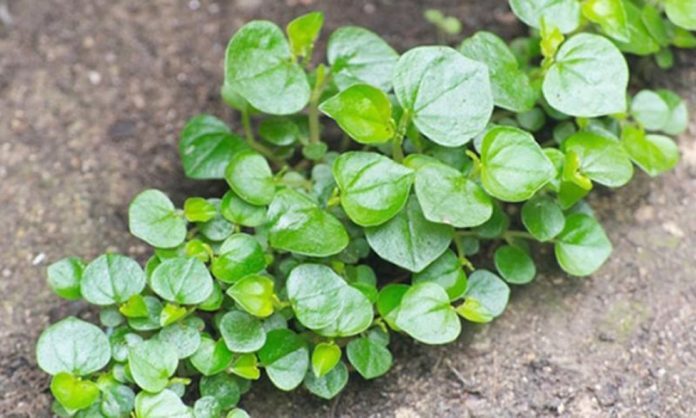
According to Infonet , and according to Traditional Medicine Practitioner Vu Quoc Trung (Hanoi Traditional Medicine Association): Purslane grows wild and has many different names depending on the region, such as pepper vegetable, single-leafed purslane, devil's purslane, thorny purslane, strong flower purslane, or single-leafed purslane.
In the past, vegetables grew in damp areas, garden corners, crevices in rocks, and damp, moldy wall cracks. People gathered them up like weeds, and no one ate them because the vegetables had a strange taste.
Nowadays, purslane has become a popular dish, and its price is quite high. People can use purslane in salads, as an ingredient in soups, or they can directly juice it to drink.
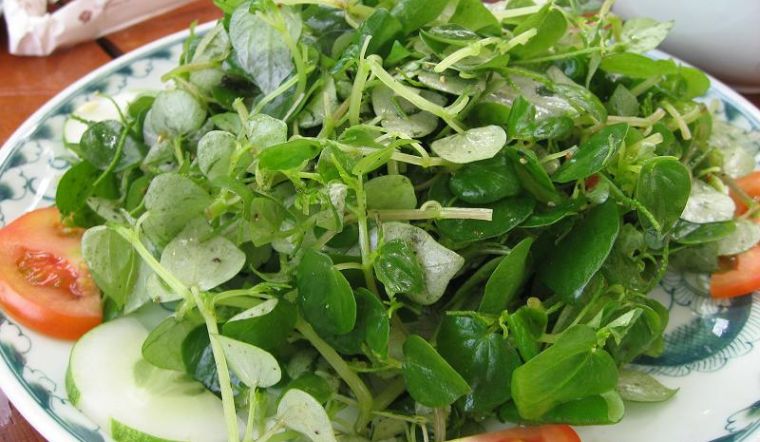
Purslane is used in salads.
In Traditional Chinese Medicine, purslane is considered cooling and has a sour and spicy taste, helping to nourish yin, replenish blood, eliminate toxins, clear heat, relieve stagnation, and benefit both bowel and bladder function. Nowadays, we can use purslane when experiencing symptoms of respiratory infections, hepatitis, gastritis, and enteritis.
In modern medicine, scientists have discovered that purslane is very rich in potassium. Specifically, 100g of purslane contains up to 277mg of potassium, 224mg of calcium, 62mg of magnesium, and 5.2mg of vitamin C. In addition, this vegetable also contains a lot of water and minerals, vitamins, and carotenoids.
Purslane also contains Peperomin E, which helps prevent the growth of cancer cells. Adding purslane to your daily meals is also an effective way to inhibit the harmful effects of free radicals in the body.
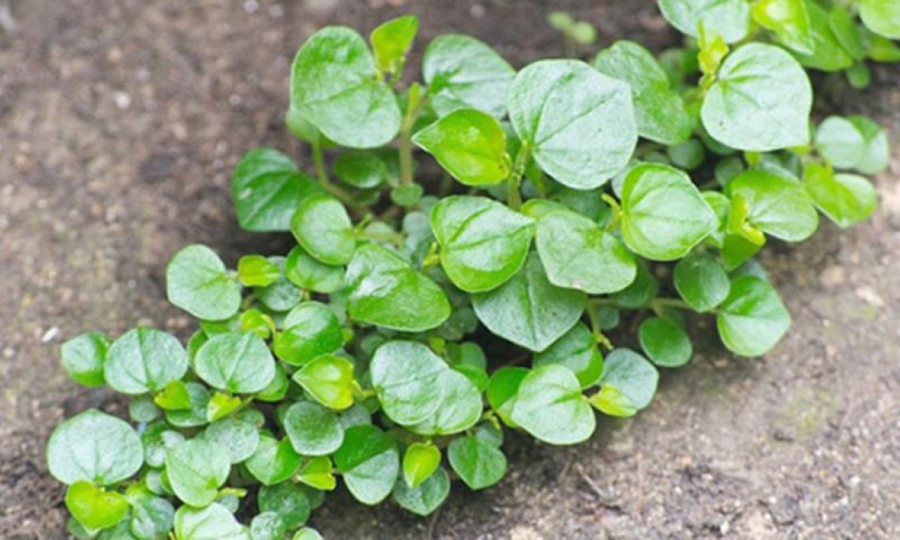
Purslane
Eating purslane helps prevent cardiovascular disease and atherosclerosis thanks to its high fiber content. Minerals such as potassium and magnesium are good for controlling blood pressure, reducing blood fat, lowering blood sugar levels, and preventing complications of cardiovascular disease.
Purslane is also good for bone development, used to treat osteoporosis in adults and prevent rickets in children. Purslane also contains beta-carotene (a precursor to vitamin A), which is good for eyesight.
Note that purslane is a diuretic and contains a lot of water, so you shouldn't eat too much of it in the evening. People with allergies, asthma, or a history of asthma should avoid eating it. People with a cold constitution or cold hands and feet should be cautious when consuming this vegetable.