Tiny Pumpkin Toadlet Discovered in Brazil's Atlantic Forest: A New Species of Vibrantly Colored Frog
Facts 15/12/2025 22:21
Revolutionary Cancer Treatment Technique Restores Cells to Healthy States
A groundbreaking discovery by a team of scientists in South Korea could fundamentally change the way we approach cancer treatment. Instead of using conventional methods that aim to destroy cancer cells through drugs or radiation, the researchers have pioneered a technique that encourages cancer cells to revert to their normal, healthy state. This novel approach could pave the way for a new class of cancer therapies that focus on restoring cellular health rather than eliminating cells entirely.
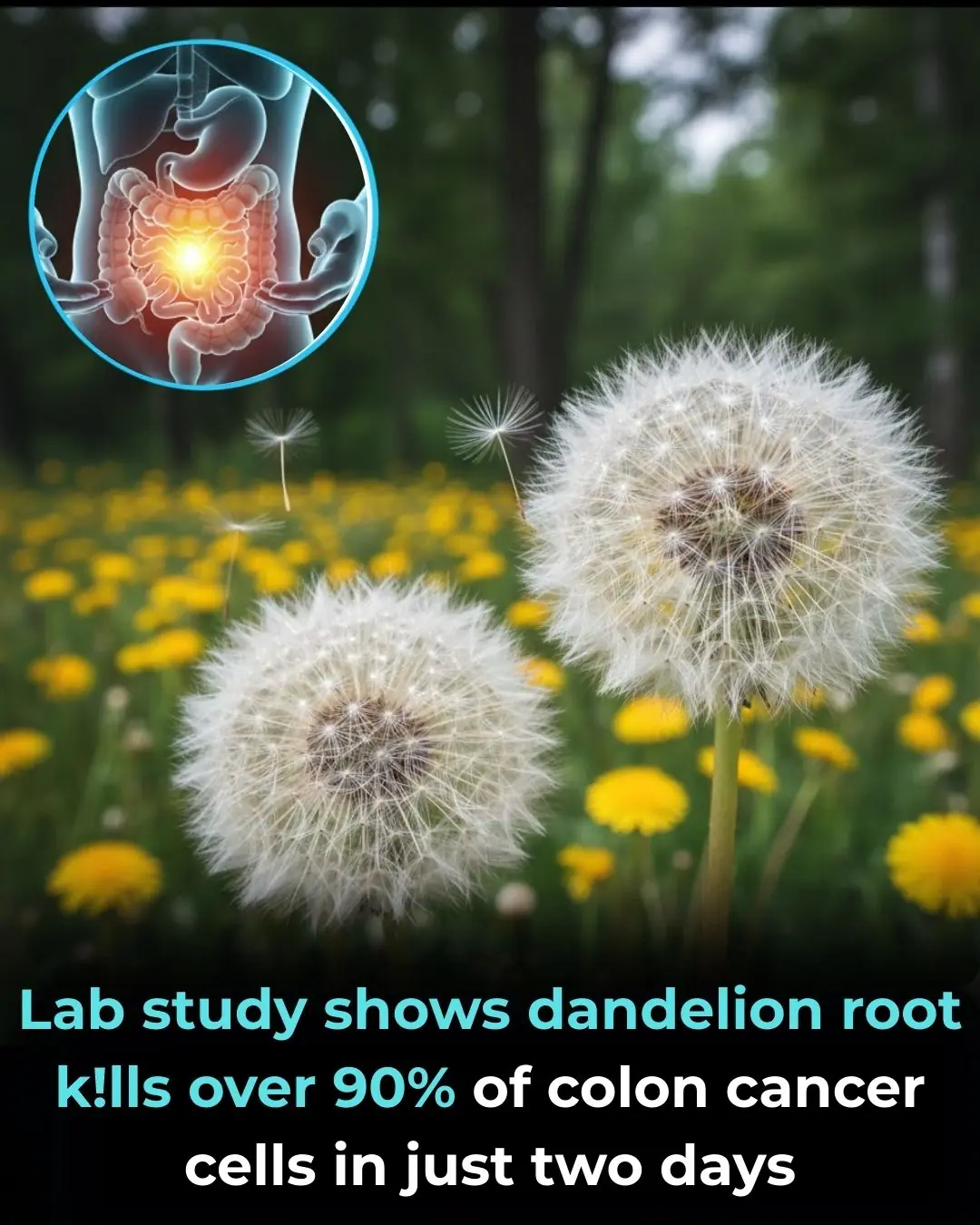
The team focused their research on colon cancer, a disease known for its ability to alter the behavior of normal cells in devastating ways. The researchers sought to understand the process by which healthy cells become cancerous, specifically identifying the moment when cells transition from being healthy to diseased. They discovered that at a certain fragile stage of this transition, the cells are not yet fully cancerous, making them susceptible to intervention.
To explore this, the scientists created computer models to simulate the developmental pathways of cells, comparing the normal processes with the ones hijacked by cancer. Through this approach, they identified what they call "master switches"—key regulatory factors that guide cells into their appropriate roles within the body. In cancerous cells, these switches go silent, allowing the cells to behave abnormally and uncontrollably. By reactivating these master switches in lab-based experiments, the researchers were able to reverse much of the cancerous behavior. The treated cells slowed their rapid, unchecked growth, restored their normal structure, and displayed characteristics more in line with healthy colon cells.
Animal trials showed promising results, with the reactivated master switches reducing the spread of the cancer and improving the health of the affected tissues. This suggests that the approach could have a significant impact on cancer treatment, offering a potentially less harmful alternative to traditional therapies such as chemotherapy and radiation. Instead of trying to destroy cancer cells, this method works by coaxing the cells back to their original, healthy state, reducing the risk of side effects commonly associated with current treatments.
However, it’s important to note that this research is still in its early stages. While the findings are promising, they have only been demonstrated in laboratory settings and animal studies, and much more work is needed before this method can be tested in human trials. Additionally, the technique may not be universally effective for all types of cancer or for all stages of the disease. Nonetheless, the concept of restoring the health of cells rather than solely focusing on eliminating cancer cells opens a new potential avenue for treatment.
This breakthrough offers a glimpse into the future of cancer therapy, where the emphasis may shift from simply eradicating cancer cells to more sustainable treatments that aim to restore the function of affected cells. If successful, this approach could dramatically change the way we treat cancer, potentially reducing the harsh side effects of current treatments and offering more personalized, less invasive options for patients.
Sources:
Nature Cancer Reviews – Emerging trends in cancer treatment: The potential of cell restoration therapies.
The Journal of Clinical Oncology – Advances in targeted cancer therapies: From destruction to restoration.
Cancer Research UK – New directions in cancer research: Understanding the biology behind cancer transitions.