Stuck Zipper Try This Simple Pencil Trick
Tips 26/08/2026 20:31
When a headline promises one simple trick for legs that look smoother and more even, I understand the appeal. Most of us have looked down at our shins or ankles and noticed those fine red-purple threads, patches of darker skin around the ankle bone, or an overall uneven look that seems to show up more with age, long days on our feet, or too much summer sun. I’ve spent enough years in a farmhouse kitchen and garden to know that our legs tell the story of how we live, but I also know there are gentle, sensible ways to help skin look better.
So let me be plain from the start: you do not rub away true broken capillaries with a homemade cream, scrub, or oil. The most effective “one trick,” if we are talking honestly, is daily compression paired with good circulation habits and proper medical treatment when needed. That may not sound as flashy as a miracle rub, but it is the practical, useful route. I’ll walk you through what broken capillaries really are, what can and cannot improve them, how to care for dark ankles and uneven tone safely, and when it is time to bring in a vein specialist or dermatologist.
1. What broken capillaries on the legs actually are
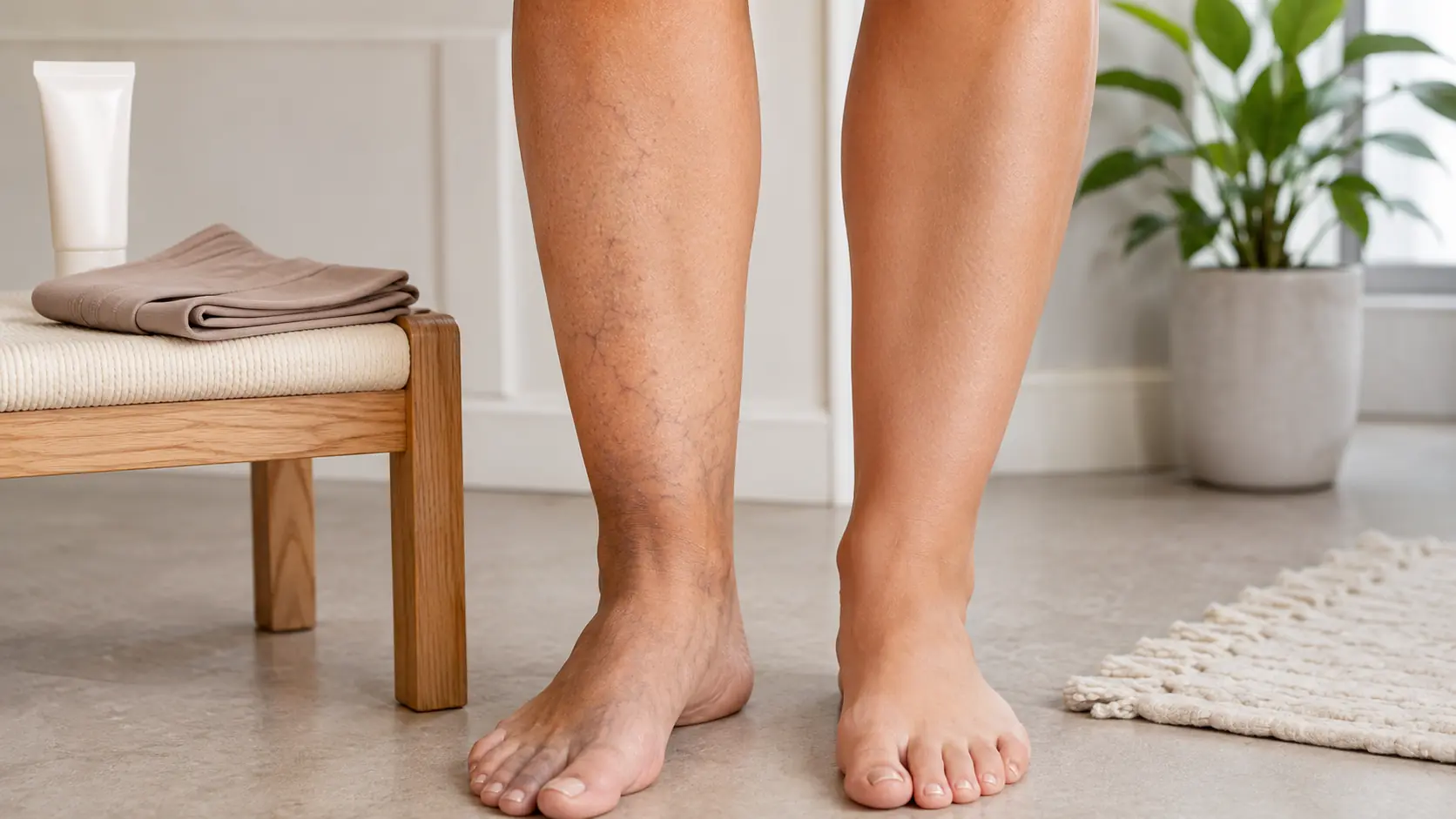
On the legs, what many folks call broken capillaries are often spider veins or tiny visible superficial blood vessels. They can appear red, blue, or purple and may branch out like little tree limbs or form fine webs. They commonly show up on the outer thighs, behind the knees, around the calves, and near the ankles.
These vessels are not usually “broken” in the way a cracked dish is broken. More often, they are small veins or capillaries that have become enlarged or more visible because of pressure, genetics, hormonal shifts, aging skin, or sun damage. Rubbing the skin may improve dryness or rough texture, but it does not seal up or erase the vessel underneath.
2. The real “1 trick”: consistent compression
If I had to name one practical step that helps more than most over-the-counter gimmicks, it would be wearing properly fitted compression socks or stockings. A mild graduated compression level of 15 to 20 mmHg is often used for daily leg fatigue and early visible veins, while 20 to 30 mmHg may be recommended by a clinician for more significant swelling or vein symptoms.
Compression works by gently supporting the veins and encouraging blood to move upward instead of pooling in the lower legs. That can reduce ankle swelling, lessen heaviness, and help prevent visible veins from worsening. It will not make established spider veins vanish overnight, but over 8 to 12 weeks of consistent use, many people notice the legs look less puffy and the skin tone appears more even simply because there is less congestion.
3. Why rubbing products alone does not remove spider veins
I know there are jars and bottles everywhere claiming to “dissolve” capillaries. In my experience, and according to what vein specialists explain, no topical rub can penetrate deeply enough to remove a visible spider vein in the way a medical procedure can. A cream might contain menthol, caffeine, arnica, or plant extracts that temporarily make skin feel tighter or cooler, but that is not the same as eliminating the vessel.
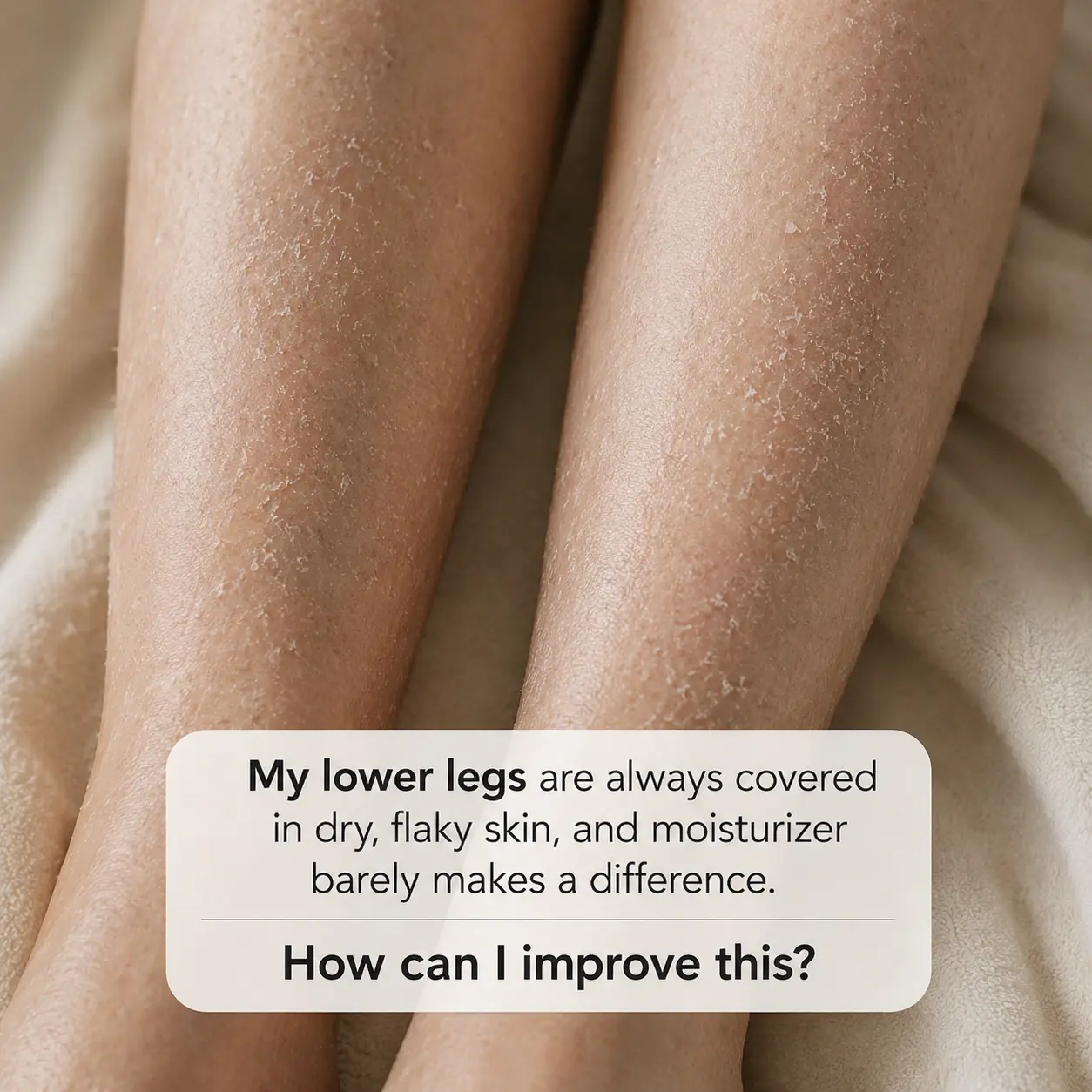
What topical care can do is improve the surface of the skin. If your legs are dry, flaky, or dull, a good moisturizer can make them look healthier within a week or two. If your ankles look darker because of friction or sun exposure, careful skin care may help some. But if the darkness is due to venous stasis, eczema, or hemosiderin staining from chronic vein issues, rubbing alone will not solve the cause.
4. The best daily leg-rub routine for smoother-looking skin
Now, if you want a simple rub that truly helps the appearance of uneven tone, this is the one I’d recommend: after a lukewarm shower, massage on a fragrance-free cream containing 10% urea, 5% lactic acid, or glycerin and ceramides. Use about 1 to 2 teaspoons per leg, from ankle to knee, once a day.
This type of moisturizer softens rough patches, supports the skin barrier, and gradually smooths ashy or thickened skin around the ankles. If you have darker, dry ankle areas from friction, consistency matters more than fancy ingredients. In 2 to 4 weeks, many people see softer skin and less obvious dullness. Just be careful not to use exfoliating acids on cracked, inflamed, or itchy skin.
5. Dark ankles are not always a cosmetic issue
Darkening around the ankles can come from several different causes, and this is where a lot of misleading advice begins. Some dark ankles are simply from dryness, old sun exposure, or repeated rubbing from socks, boots, or tight shoe straps. But some are related to poor circulation, eczema, diabetes, insulin resistance, fungal problems, or long-term swelling.
If the skin around the ankles is brownish-rust colored, especially with swelling, itching, or thickened texture, that may point to venous insufficiency. In plain terms, blood is not moving back up the leg as efficiently as it should. I would not treat that as a beauty nuisance. I would treat it as a reason to make an appointment and have the veins and skin checked properly.
6. What actually removes visible broken capillaries
The gold-standard treatments for spider veins on the legs are usually sclerotherapy and, in some cases, laser treatment. Sclerotherapy involves a medical professional injecting a solution into the small vein, causing it to collapse and gradually fade. Sessions often take 15 to 45 minutes depending on the area treated.
Many patients need 2 to 4 sessions, sometimes more, spaced several weeks apart. Improvement is not instant. Tiny vessels may fade over 3 to 6 weeks, while somewhat larger ones may take 3 to 4 months. Costs vary widely by region, but a single cosmetic session may run anywhere from about $250 to $600 or more.
Laser treatment may be used for very fine surface vessels or when injections are not suitable. A dermatologist or vein clinic can tell you which option fits the size and location of the vessels. In my book, money spent on a proper evaluation is wiser than money spent on ten miracle jars that do little beyond scenting the bathroom.
7. Five habits that keep leg veins from worsening
The old-fashioned advice is often the soundest. Move often, avoid standing in one place too long, elevate the legs when you can, maintain a healthy weight, and protect the skin from sun damage. Those are not glamorous habits, but they matter.
If you sit for long stretches, stand up every 30 to 60 minutes and walk for 2 to 5 minutes. If you stand for work, shift weight, do 10 to 20 calf raises every hour, and take sitting breaks when possible. At day’s end, elevate your legs above heart level for 15 to 20 minutes. That kind of routine helps reduce pressure in the lower legs and can make ankles look less full and less dark over time.
8. How to tell when you need medical attention
There are times when visible veins are not just cosmetic. Please do not ignore symptoms like aching, burning, throbbing, heaviness, nighttime cramps, ankle swelling, or itching near the veins. Those signs can point to venous insufficiency or other circulation concerns.
You should seek prompt medical attention if one leg becomes suddenly swollen, warm, red, and painful, because that can signal a blood clot. Also get checked if the skin around the ankle becomes hard, very dark, broken down, or develops an ulcer. Those are not conditions for internet tricks or pantry remedies.
9. A sensible weekly routine for uneven leg tone
If your main goal is healthier-looking skin overall, here is a practical weekly routine. Use a gentle, non-scrub cleanser in the shower. Two or three nights a week, apply a lotion with lactic acid or urea to dry ankles and shins. On the other nights, use a thick plain cream or ointment with petrolatum or ceramides.
In the morning, if your legs will be exposed, use a broad-spectrum sunscreen of SPF 30 or higher. Sun can deepen uneven tone and make existing redness more noticeable. If you shave, use a fresh razor and a lubricating shave cream to reduce tiny nicks and irritation that can worsen discoloration.
10. What to avoid if you have fragile leg veins
I would steer clear of harsh scrubs made with coarse sugar, salt, walnut shell, or stiff brushes, especially around the ankles and calves where skin can be thinner and circulation issues may already be present. Aggressive rubbing can irritate the skin, cause more redness, and worsen dryness.
Also avoid very hot baths, prolonged heat on the legs, and tanning, all of which can dilate blood vessels and make them show more. Be cautious with “vein removal” creams sold without clear medical evidence. If the product promises permanent removal in 7 days, I would put my money elsewhere.
11. The role of weight, hormones, and family history
Sometimes people blame themselves for every visible vein, and I don’t think that is fair. Family history plays a large role. If your mother or grandmother had spider veins or varicose veins, your chances are higher. Pregnancy, menopause, and hormone changes can also influence how veins behave.
Extra weight can add pressure to the legs, and years of standing can do the same, but even lean, active people may still develop these little visible vessels. That is why I encourage realistic expectations. Good habits help, but they are not a guarantee against genetics.
12. If you want the shortest path to better-looking legs
If I were advising a friend across my kitchen table, I’d say this: first, figure out whether the issue is mostly visible veins, mostly dry uneven skin, or a circulation problem causing color change. Second, start compression if you are on your feet a lot or get swelling. Third, use a steady moisturizer routine for 4 weeks. Fourth, wear sunscreen on exposed legs. And fifth, if the vessels truly bother you, book a consult for sclerotherapy instead of chasing miracle rubs.
That is the honest path. Not the loudest one, perhaps, but the one that respects your time, your comfort, and your health.
13. My final word on “the trick”
I come from a generation that believed in practical remedies, and I still do. But practical remedies work best when they match the problem. For rough, dull skin, rub in a good cream daily. For puffy, tired lower legs, wear compression and elevate. For true broken capillaries or spider veins, seek proper treatment.
There is comfort, I think, in telling the truth plainly. Our legs carry us through gardens, grocery aisles, church steps, long workdays, and family holidays. They deserve care, not false promises. If you use one trick, let it be the one that actually supports the legs you stand on every day.
We does not give medical advice, diagnosis, or treatment.