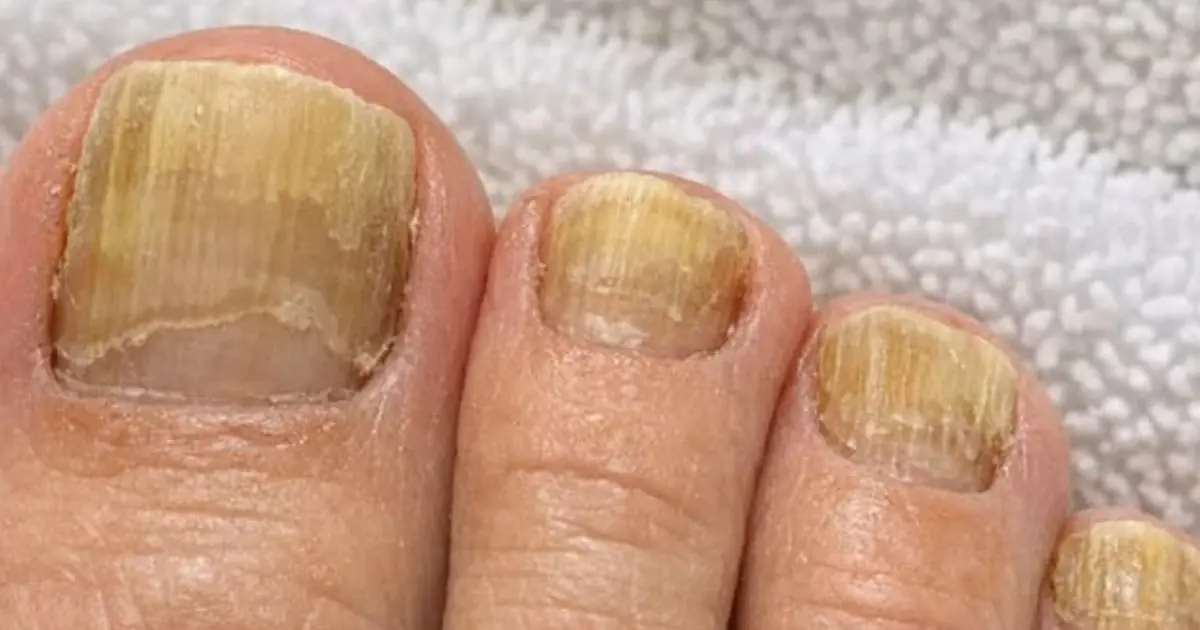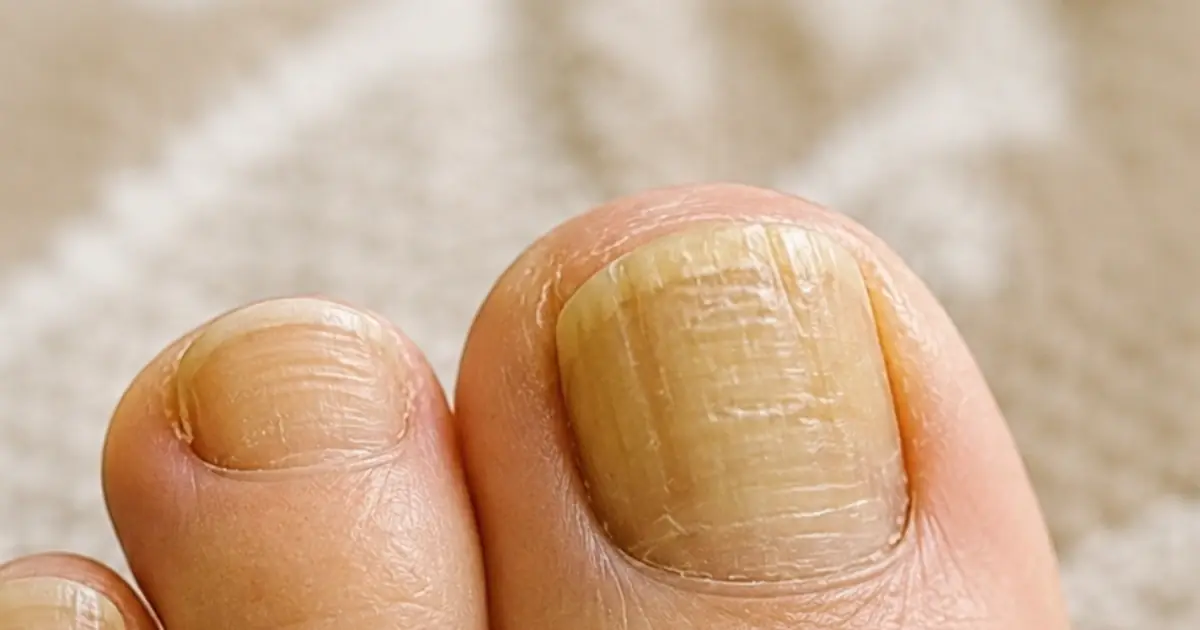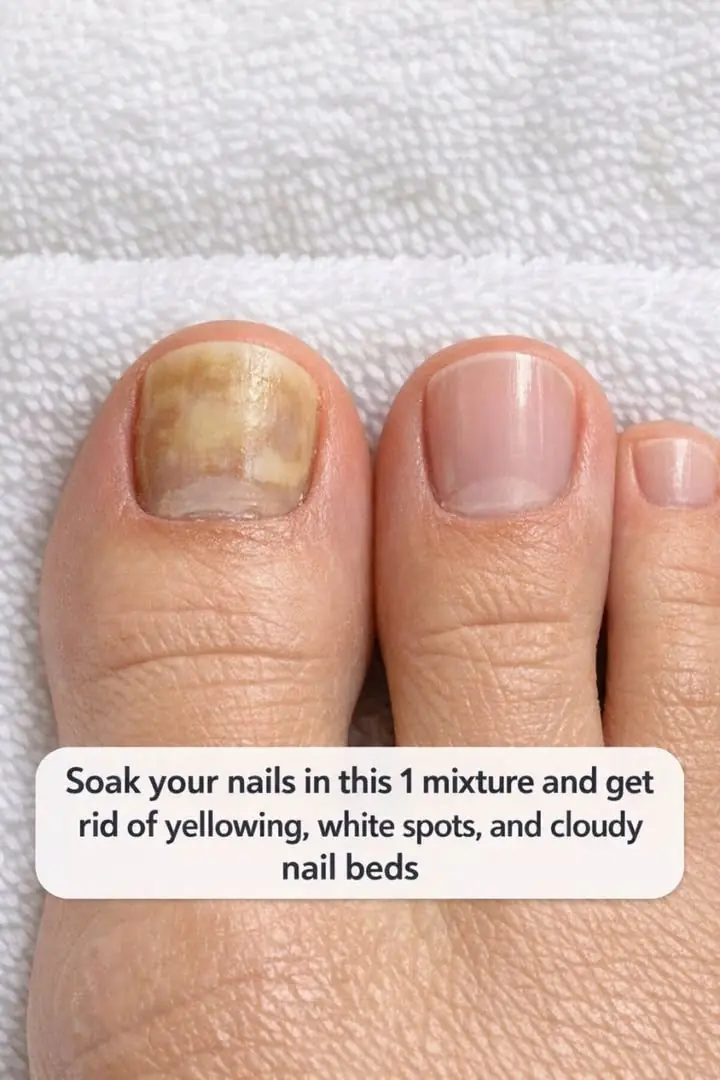
Soak your nails in this 1 mixture and get rid of yellowing, white spots, and cloudy nail beds
Tips 23/08/2026 13:38
If your mother is getting large, dark purple patches on her forearms after what seems like the tiniest knock against a doorframe, countertop, or grocery cart, I understand why that would make your heart jump a bit. I’ve seen this in plenty of older folks, and by the look of it, it can seem far more dramatic than it is. One little bump, and suddenly there’s a bruise the size of a plum or even a teacup saucer, deep violet one day and then reddish-brown and yellow over the next week or two.
One common cause is something called senile purpura, also known as actinic purpura, which is a harmless but very noticeable kind of bruising that tends to happen on the forearms and hands of older adults. Still, because bruising can sometimes point to a more serious problem, it helps to know what fits the usual pattern, what makes it more likely, what you can do over the weekend, and when not to wait for the clinic to reopen.
1. What senile purpura usually looks like
Senile purpura typically shows up as flat purple patches, often 1 to 4 inches across, on the forearms, backs of the hands, and sometimes the shins. The skin is not usually cut open, and the spot often looks much worse than the injury that caused it. A person may say, “I barely tapped the counter,” and yet the mark looks like a hard fall happened.
These patches are caused by small blood vessels near the skin surface breaking after very minor trauma. In older skin, especially skin that has had decades of sun exposure, those tiny vessels lose some protection. The bruise can be dark purple or maroon at first, then fade through brown, greenish, and yellow over 1 to 3 weeks. Many people get new spots before the old ones have fully disappeared.
2. Why it happens more in older adults
As we age, the skin naturally becomes thinner. The supportive tissue under the skin also shrinks, and collagen and elastic fibers are not what they once were. I think of it like an old quilt that has been washed and stretched for years; it still serves, but it no longer cushions the same way. When that protective layer thins out, blood vessels are more likely to break from a small knock.
Years of sunlight add to the problem, especially on the outer forearms, where sleeves may not always have covered the skin. That is one reason these bruises often show up in the same places over and over. A person may be perfectly healthy otherwise and still develop these dramatic-looking patches just from ordinary aging and sun damage.
3. Why the forearms are such a common spot
The forearms take a lot of everyday bumps. Reaching into a cupboard, carrying laundry baskets, brushing past a doorway, lifting boxes from the trunk, even leaning on a chair arm can do it. The outer forearms also get more cumulative sun exposure than many other body areas, especially for folks who spent years gardening, driving, hanging laundry, fishing, or working outdoors.
I’ve known farm wives who never thought twice about sun on their arms from April through October, and decades later those forearms told the whole story. So when the bruises are mostly on the forearms and hands, and especially when they appear after small bumps, that pattern does fit senile purpura quite well.
4. What makes it more likely
Several things raise the odds. Age is the big one, particularly after 60. Sun-damaged skin is another. Medicines that thin the blood or reduce clotting can make the patches larger or more frequent. That includes aspirin, clopidogrel, warfarin, apixaban, rivaroxaban, dabigatran, and similar drugs.
Long-term steroid use can also thin the skin. That may include prednisone pills or, in some people, heavy use of strong steroid creams on the skin over time. Even some supplements can contribute to easier bruising, such as fish oil, vitamin E, ginkgo, garlic supplements, or high-dose turmeric in some cases. It does not mean the person has done anything wrong, just that several small factors can add up.
5. Signs that this may be the usual harmless kind
It is more reassuring if the bruises are mainly on the forearms or backs of the hands, happen after minor bumps, are not especially painful, and your mother otherwise feels well. With senile purpura, the skin may look thin, almost tissue-paper-like, and there may be old pale marks or healed bruises nearby.
Usually there is no fever, no swelling of the whole arm, no warmth, no pus, and no severe tenderness. The spots are commonly flat rather than raised. The amount of color can be impressive, but the person often says it hardly hurts at all. That mismatch between appearance and discomfort is common with ordinary purpura from fragile skin.
6. Red flags that mean do not wait until Monday
Now here is the part I would not brush aside. Seek urgent care, an on-call service, or the emergency department sooner rather than later if the bruising is happening without any bump at all, if there are many new bruises all over the body, or if you also see tiny pinpoint red or purple dots that do not blanch when pressed. Those can suggest a bleeding or platelet problem rather than simple fragile skin.
Also do not wait if there is bleeding from the gums, nosebleeds that are hard to stop, blood in the urine, black or tarry stools, vomiting blood, fainting, chest pain, shortness of breath, severe weakness, confusion, or a severe headache. The same goes for a rapidly enlarging painful bruise, major swelling, loss of hand function, a cold or pale hand, or bruising after a significant fall, especially if your mother takes a blood thinner.
7. When medicines may be playing a role
If your mother takes aspirin every day, or a prescription blood thinner such as Eliquis, Xarelto, Pradaxa, or warfarin, even a small bump can produce a bruise that spreads to 3, 4, or 5 inches over a day or two. That does not automatically mean danger, but it does raise the need to pay attention. It is worth checking her pillbox, medication list, and any recent changes.
One caution from an old kitchen-table worrier like me: do not stop a prescribed blood thinner on your own just because of bruising unless a clinician specifically tells you to. Those medicines are often preventing stroke, blood clots, or heart trouble. Make a note of the bruise size, where it is, how fast it appeared, and whether it happened after a known bump, then call her usual clinician when the office reopens.
8. What you can do at home over the weekend
If it truly looks like an ordinary bruise from a minor knock and she feels fine, simple home care is usually enough. A cool pack wrapped in a thin towel can be placed on the area for 10 to 15 minutes at a time, 3 to 4 times during the first 24 hours. Do not put ice directly on thin older skin, because it can injure it.
If the area is sore, keeping the arm slightly elevated on a pillow while sitting can help a bit. Encourage gentle movement of the hand and wrist unless it is painful, so stiffness does not set in. Most important, protect the skin from more knocks for a few days. Even setting a folded dish towel on a chair arm or wearing a long-sleeved soft cotton shirt can help.
9. What not to do
Do not massage the bruise deeply, because that can irritate the small broken vessels and worsen tenderness. Do not apply very hot compresses right away in the first day. Do not tape fragile skin unless absolutely necessary; older skin can tear when tape is removed.
And unless a doctor has advised it, do not start or stop medicines in a rush over one bruise. If she takes over-the-counter pain relievers, be aware that aspirin and sometimes ibuprofen or naproxen may worsen bruising in some people. If she needs pain relief and has been told it is safe for her, acetaminophen is often gentler on bruising, but follow her own clinician’s advice and the package directions.
10. How long these patches usually last
Most senile purpura patches begin to fade over 7 to 21 days. Larger ones may linger closer to 3 weeks, especially if the person is on a blood thinner. The color often changes in stages, and it may look worse before it looks better, particularly in the first 24 to 48 hours as blood spreads a little under the skin.
Some people are left with a faint brownish mark for a while after the purple clears. The patch may look dramatic, but if it follows the usual bruise pattern and gradually softens in color, that is generally reassuring. Taking a phone photo with the date beside it can help you tell whether it is stabilizing or expanding.
11. Ways to reduce future bruising
You usually cannot prevent every bruise, but you can cut down the number. Long sleeves made of soft but sturdy fabric can provide a bit of cushion. Around the house, padding the sharp edge of a favorite table, moving a wire laundry basket that scrapes the forearm, or clearing narrow walkways can make more difference than people expect.
Sun protection matters too. Broad-spectrum sunscreen with SPF 30 or higher on the forearms and hands, reapplied if outdoors for more than 2 hours, may help limit further sun damage. Some clinicians also recommend regular moisturizing to support the skin barrier, though it will not fully prevent purpura. I’ve found that simple habits, faithfully done, are often more helpful than fancy products.
12. When to ask the doctor for a routine evaluation
Even if this sounds like senile purpura, it is still worth bringing up at the next routine appointment, especially if the bruises are new, becoming more frequent, or much larger than before. A clinician may want to review her medications, supplements, liver history, nutrition, and recent illnesses. Sometimes basic blood work is ordered, such as a complete blood count and tests related to clotting, if the story does not sound typical.
Make that appointment sooner if the bruises are starting to appear on the trunk, upper arms, thighs, or face without clear injury, or if there is unusual fatigue, weight loss, or repeated infections. Those details help separate ordinary age-related purpura from something that deserves a closer look.
13. A few conditions that can look similar
Not every purple patch is senile purpura. A regular bruise from a harder impact can look similar. Skin tears can happen alongside bruising in very thin skin. Vasculitis, certain platelet disorders, clotting problems, liver disease, and medication-related bleeding can also create purple marks, though the pattern is often different.
Cellulitis is another condition families sometimes worry about, but that is usually more red than purple and tends to be warm, swollen, and tender, sometimes with fever. A blood clot in the arm usually causes swelling and pain rather than a flat purple skin patch from a light bump. These differences are why the whole picture matters more than color alone.
14. So, is it serious this weekend?
If your mother is an older adult, the patches are on her forearms, they follow tiny bumps, she feels normal otherwise, and there are no signs of active bleeding or widespread unexplained bruising, this is often not an emergency and may well be senile purpura. In that situation, careful observation over the weekend is reasonable.
But if anything about it seems out of pattern for her, if she is on a blood thinner and the bruise is rapidly expanding, or if there are warning signs like nosebleeds, gum bleeding, black stools, marked weakness, or bruises appearing everywhere, then I would not sit and stew until Monday. I would get medical help sooner. Sometimes the hardest part is sorting ordinary aging from true danger, but watching the pattern calmly and knowing the red flags goes a long way.
15. A practical weekend checklist
Here is the simple version I’d follow at home. Measure the bruise with a ruler or compare it to a coin or index card and note the size. Check whether there was a known bump. Review her medicines and supplements. Look for other bruises in unusual places, gum bleeding, nosebleeds, or tiny pinpoint spots. Ask how she feels overall: steady, weak, dizzy, short of breath, or just fine.
If she seems well, use a cool compress 10 to 15 minutes at a time, protect the arm from more bumps, and take a photo today and another tomorrow. If the patch slowly behaves like a normal bruise, call the clinic when it opens and mention that you suspect senile purpura. If new concerning symptoms show up, trust that instinct and seek care right away. Sometimes peace of mind is worth the trip, and I’ve never faulted a family for being careful with their mama.
We does not give medical advice, diagnosis, or treatment.