Scabies or Skin Allergy …Why the Difference Matters More Than You Think
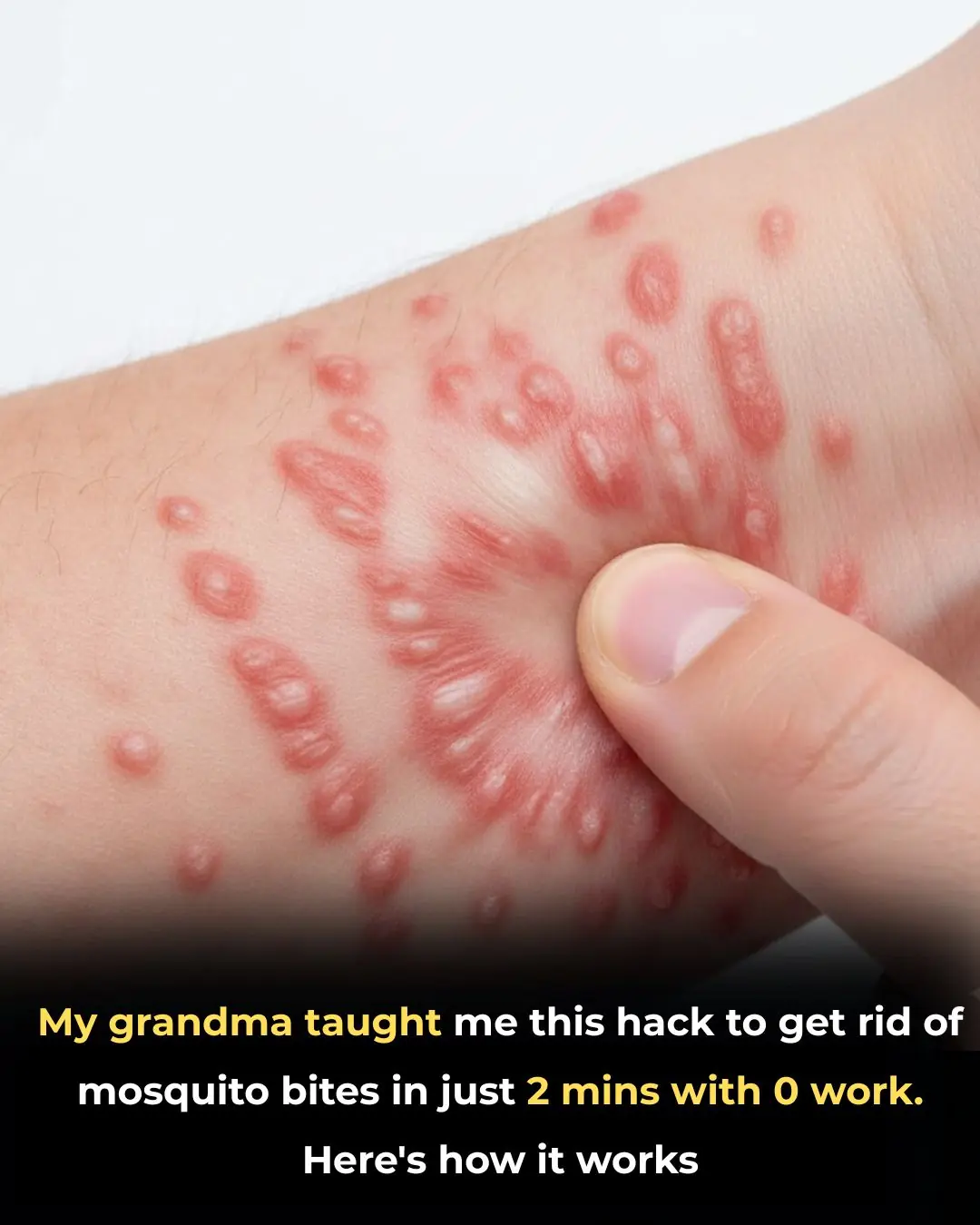
Skin problems are some of the most frustrating health issues people deal with. When persistent itching, redness, or rashes appear, it’s natural to assume the cause is an allergy. However, scabies—a condition many people underestimate—can look surprisingly similar in its early stages.
Although allergies and scabies may share outward symptoms, they are fundamentally different conditions with very different causes, risks, and treatments. Mistaking one for the other can delay proper care and, in the case of scabies, allow the condition to spread within households or close communities.
Understanding how each condition works is the first step toward effective treatment and peace of mind.
What Scabies Really Is—and the Myths Surrounding It
Scabies, medically known as scabiosis, is a parasitic skin infestation caused by a microscopic mite called Sarcoptes scabiei. The mite is invisible to the naked eye, but its presence can cause intense discomfort once it burrows into human skin.
One of the most harmful myths about scabies is that it’s caused by poor hygiene. This is simply not true. Scabies has nothing to do with cleanliness. It spreads through close human contact, which means anyone—children, adults, seniors, and people with excellent hygiene—can be affected.
Once on the skin, the mite burrows into the outermost layer and begins its life cycle. The body’s reaction isn’t to the mite itself, but to its eggs and waste products, which trigger an immune response.
Why Scabies Itching Is So Intense—Especially at Night
One of the hallmark signs of scabies is severe itching that worsens at night. Many people describe it as relentless, often disrupting sleep and daily functioning.
This nighttime pattern happens for several reasons:
- Body temperature naturally rises at night
- Warm bedding increases skin sensitivity
- Fewer distractions make itching more noticeable
- The immune response becomes more pronounced during rest
Importantly, the itching isn’t caused by the mite moving. It’s the body’s allergic-type reaction to substances left behind by the mite. Even after successful treatment, itching can persist for a short time as the immune system settles.
How Scabies Spreads—and Why Households Are Vulnerable
Scabies spreads mainly through prolonged, close skin-to-skin contact. Brief interactions, like a handshake, are usually not enough. Higher-risk situations include:
- Sharing a bed
- Living in the same household
- Extended physical contact
- Crowded living environments
In some cases, scabies can also spread through recently used clothing, towels, or bedding. This is why healthcare providers often recommend treating all household members at the same time, even if some have no symptoms yet. Without coordinated treatment, reinfestation can easily occur.
How Skin Allergies Are Different
Skin allergies are not contagious and are not caused by parasites. They occur when the immune system overreacts to substances that are otherwise harmless.
Common allergy triggers include:
- Soaps, detergents, and cleaning products
- Cosmetics or skincare ingredients
- Certain foods
- Environmental allergens like pollen, dust, or pet dander
Allergic reactions often improve once the trigger is removed. While redness and itching are common, allergies typically lack the burrows, patterned rashes, and severe nighttime itching seen with scabies.
Why Self-Diagnosis Can Make Things Worse
Because scabies and allergies can look similar, self-diagnosis can be risky. Using the wrong treatment may:
- Fail to eliminate scabies mites
- Temporarily mask symptoms
- Allow the infestation to spread
- Prolong discomfort and frustration
Over-the-counter anti-itch creams may offer temporary relief, but they do not treat scabies itself. A healthcare professional is needed to confirm the diagnosis and recommend appropriate treatment, which may include prescription topical or oral medications.
Treatment plans often include preventive steps such as washing bedding in hot water, cleaning frequently used items, and avoiding the sharing of personal belongings.
Why Early Recognition Makes a Difference
When scabies is identified and treated early:
- Symptoms resolve more quickly
- Household transmission is reduced
- Sleep and quality of life improve sooner
Knowing the difference between scabies and allergies empowers you to seek the right care at the right time—protecting both yourself and those around you.
Final Note
Scabies can be uncomfortable and emotionally distressing, but it is treatable and manageable with proper medical care. Allergies, while frustrating, require an entirely different approach. Understanding which condition you’re dealing with is the key to lasting relief.