Silent Symptoms of Anemia You Should Never Ignore
Health 13/12/2025 10:07

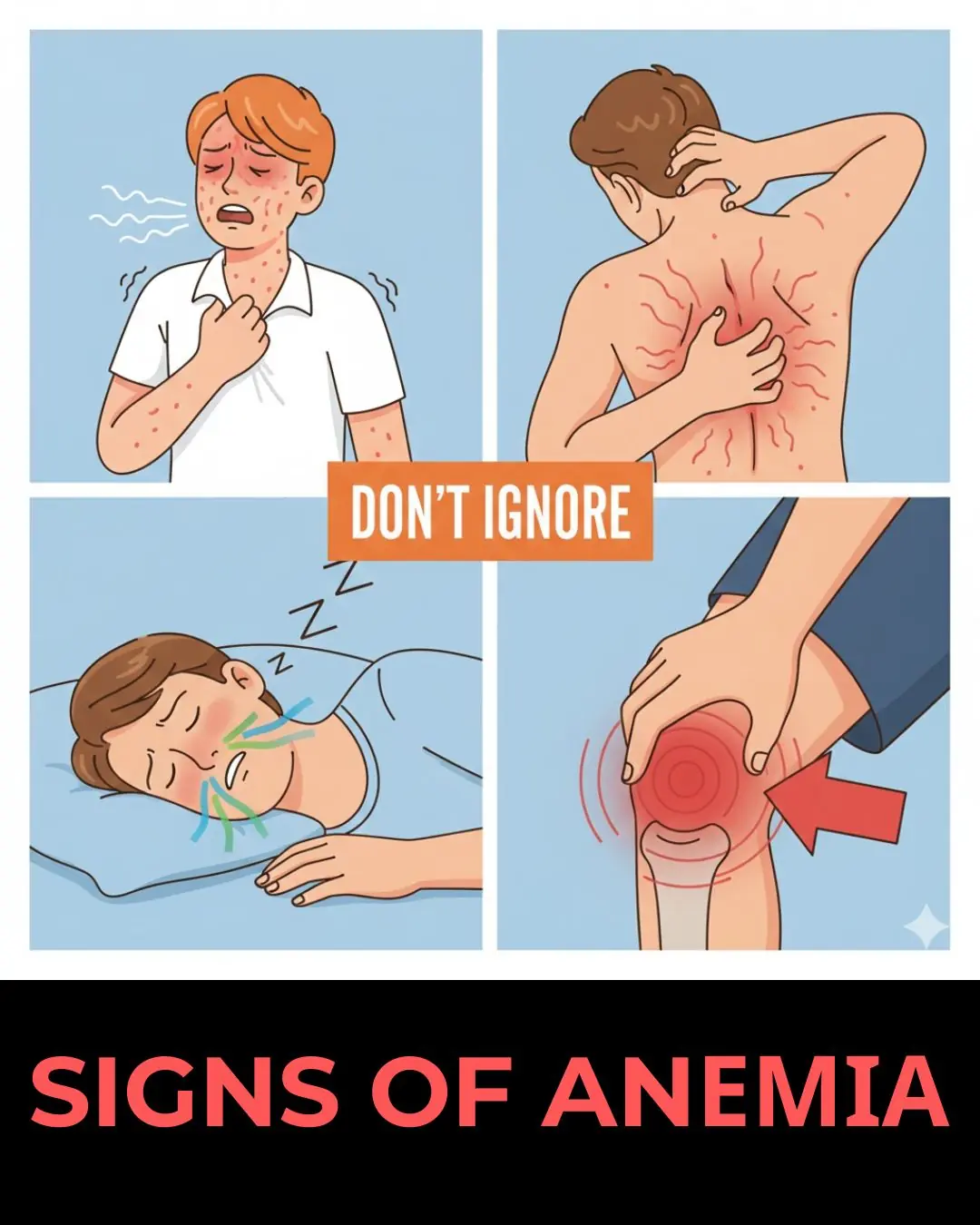
Anemia is a common yet often overlooked condition that occurs when your body does not have enough healthy red blood cells to transport sufficient oxygen to tissues and organs. While anemia is frequently associated with obvious signs like extreme weakness, many of its warning signals are subtle and easy to dismiss as everyday stress, lack of sleep, or a demanding lifestyle.
Because anemia can gradually worsen over time, ignoring these early symptoms may lead to serious complications affecting the heart, brain, and overall quality of life. Below are 12 quiet but critical symptoms of anemia that should never be ignored.
Feeling exhausted all the time—even after adequate rest—is one of the most common signs of anemia. Without enough oxygen-rich blood, your muscles and brain struggle to function efficiently, leaving you drained and lacking motivation throughout the day.
A noticeable paleness in the face, gums, inner eyelids, or nail beds can be a visible indicator of low red blood cell levels. In some cases, the skin may take on a faint yellowish tone due to the breakdown of red blood cells.
If simple activities like walking, climbing stairs, or light exercise leave you unusually breathless, your body may be compensating for reduced oxygen delivery by increasing your breathing rate.
An inadequate oxygen supply to the brain can cause frequent dizziness, especially when standing up quickly. In more advanced cases, anemia may even result in fainting spells.
When oxygen levels drop, the body prioritizes vital organs such as the heart and brain. This reduces blood flow to the extremities, making your hands and feet feel persistently cold.
Anemia-related oxygen deficiency can trigger frequent headaches or migraines. Blood vessels in the brain may widen to compensate, leading to pressure, throbbing pain, or discomfort.
To make up for low oxygen levels, the heart may beat faster or irregularly. Ongoing palpitations or a racing heart can signal increased strain on the cardiovascular system.
In moderate to severe anemia, chest pain or tightness may occur, particularly in individuals with existing heart conditions. This symptom should always be treated as a medical concern.
Anemia can divert nutrients away from non-essential tissues such as hair and nails. Over time, this may cause nails to become weak and break easily, along with noticeable hair shedding or thinning.
Craving non-food substances such as ice, clay, dirt, or starch may be a sign of iron deficiency anemia. This condition, known as pica, is often overlooked but can be an important diagnostic clue.
Iron deficiency anemia has been linked to restless legs syndrome, which causes uncomfortable sensations and an uncontrollable urge to move the legs—especially at night—leading to poor sleep quality.
A reduced desire to eat, particularly in children, can be an early indicator of anemia. If left untreated, this may contribute to delayed growth, weakness, and further nutritional deficiencies.
If you experience several of these symptoms simultaneously or notice them worsening over time, it’s important to consult a healthcare professional. Anemia can result from various underlying causes, including:
Iron, vitamin B12, or folate deficiency
Chronic conditions such as kidney disease or cancer
Bone marrow disorders
Heavy menstrual bleeding or internal blood loss
A simple blood test measuring hemoglobin and iron levels is often enough to confirm a diagnosis.
Treatment depends on the type and severity of anemia. Iron deficiency anemia—the most common form—is typically managed through:
A diet rich in iron (red meat, leafy greens, lentils, beans, and fortified cereals)
Iron supplements, taken only under medical supervision
Vitamin C intake to improve iron absorption (found in citrus fruits, tomatoes, and bell peppers)
Other forms of anemia may require vitamin B12 or folate supplementation, medication, or in severe cases, blood transfusions.
Anemia often develops quietly, but its impact can be widespread—affecting energy levels, mental clarity, heart health, and overall well-being. Recognizing subtle symptoms such as persistent fatigue, pale skin, or cold extremities can lead to early diagnosis and more effective treatment.
Listen to your body’s quiet warnings. Addressing anemia early can restore vitality, improve focus, and significantly enhance your quality of life.