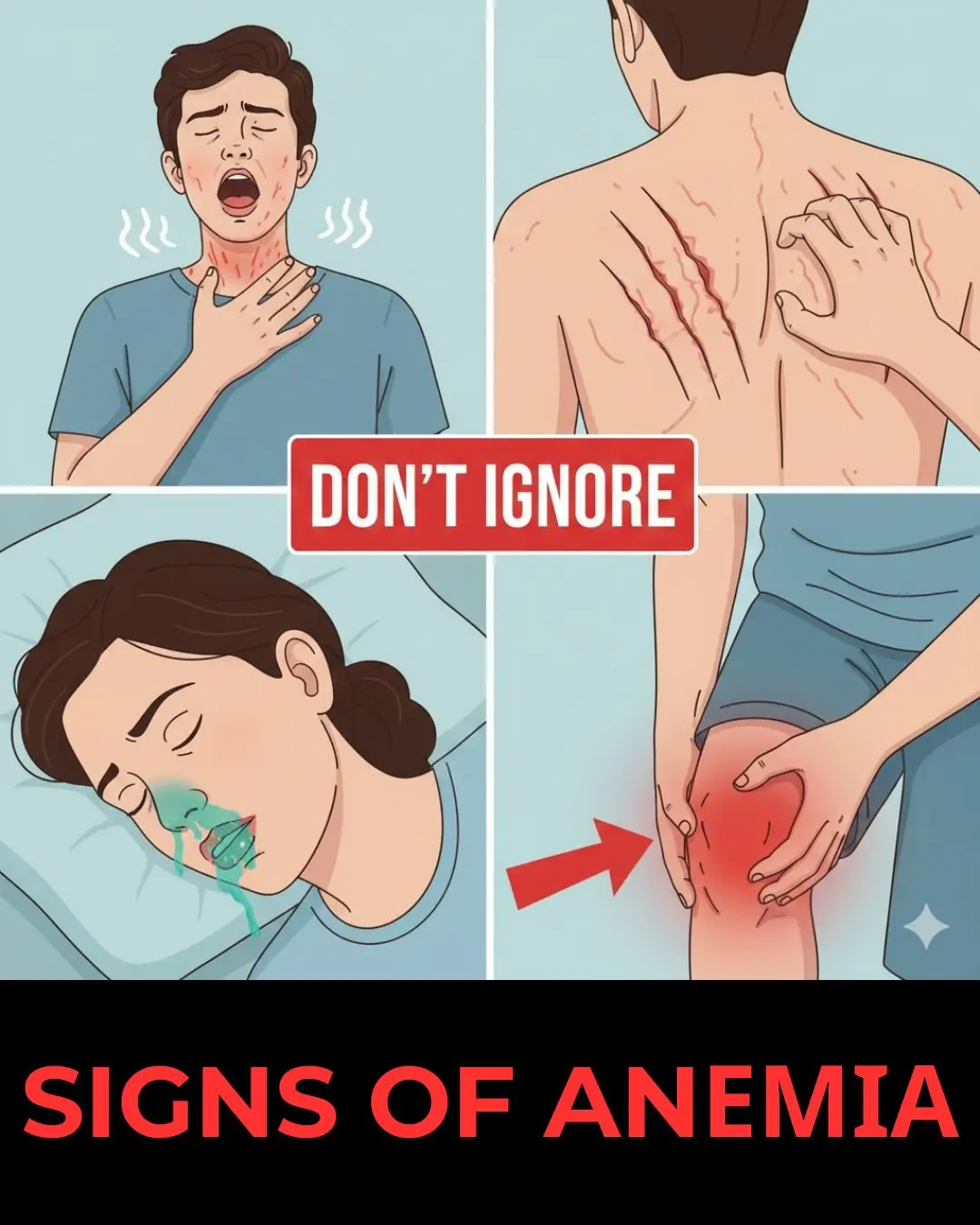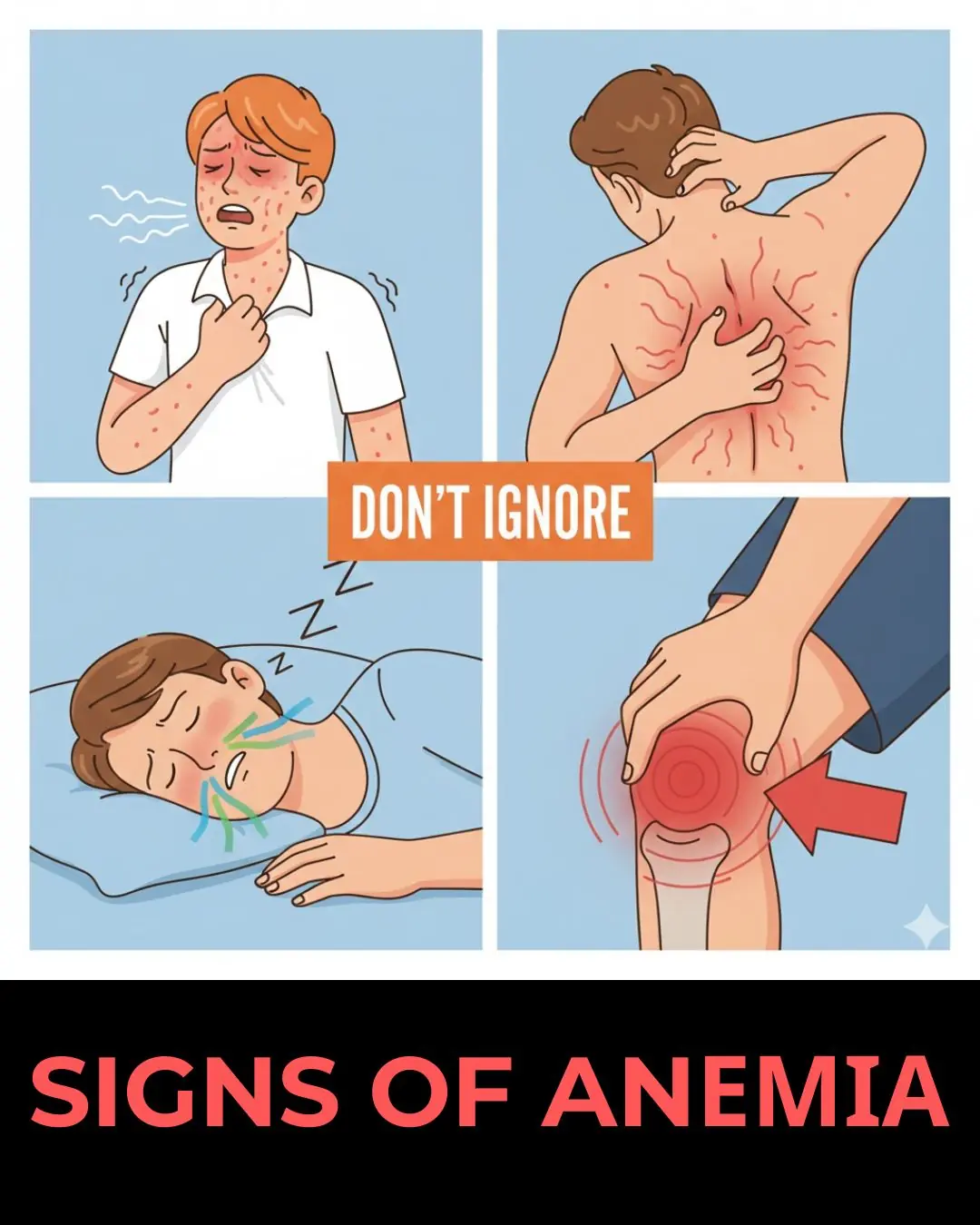
Silent Symptoms of Anemia You Should Never Ignore
Health 13/12/2025 10:07
Blood pressure is far more than just a pair of numbers recorded during a routine doctor’s visit. It is one of the clearest indicators of your heart and vascular health, offering valuable insight into how hard your heart is working to circulate blood throughout your body. As people age, monitoring blood pressure becomes increasingly important, as even small changes can significantly affect long-term health outcomes.

Understanding how blood pressure changes over time—and what is considered healthy at different life stages—can help you take early, preventive action against serious conditions such as heart disease, stroke, and kidney damage (American Heart Association, Mayo Clinic).
Blood pressure measures the force of blood pushing against the walls of your arteries each time your heart beats. When this pressure is consistently too high, it can silently damage blood vessels and organs for years before symptoms appear. For this reason, hypertension is often referred to as a “silent killer” (CDC, The New York Times).
While an ideal reading is commonly cited as around 120/80 mm Hg, what qualifies as “normal” can vary slightly depending on age, overall health, genetics, and lifestyle factors.
For most adults, the following general ranges are used as a guideline:
| Blood Pressure Category | Systolic (top number) mm Hg | Diastolic (bottom number) mm Hg |
|---|---|---|
| Low | Less than 90 | Less than 60 |
| Optimal | Less than 120 | Less than 80 |
| Normal | 120–129 | 80–84 |
| Normal to High | 130–139 | 85–89 |
| High | Greater than 140 | Greater than 90 |
A reading close to 120/80 mm Hg is widely considered a healthy target for most adults (American Heart Association).
Blood pressure naturally changes as the body grows and develops. In children and adolescents, normal ranges are lower than in adults and gradually rise with age:
| Age Group | Systolic (mm Hg) | Diastolic (mm Hg) |
|---|---|---|
| Newborns (up to 1 month) | 60–90 | 20–60 |
| Infants | 87–105 | 53–66 |
| Toddlers | 95–105 | 53–66 |
| Preschoolers | 95–110 | 56–70 |
| School-aged children | 97–112 | 57–71 |
| Adolescents | 112–128 | 66–80 |
Pediatric blood pressure is often evaluated in relation to height, age, and sex, which is why regular checkups are important during childhood and adolescence (AAP, Mayo Clinic).
In adulthood, average blood pressure tends to rise gradually, with some differences between men and women:
| Age | Women | Men |
|---|---|---|
| 18–39 years | 110/68 mm Hg | 119/70 mm Hg |
| 40–59 years | 122/74 mm Hg | 124/77 mm Hg |
| 60+ years | 139/68 mm Hg | 133/69 mm Hg |
These figures represent averages, not ideal targets, and individual goals may differ depending on existing health conditions (Harvard Health Publishing, American Heart Association).
The likelihood of developing high blood pressure increases significantly with age due to several biological changes:
Stiffer arteries: As arteries lose elasticity over time, blood flows less easily, causing pressure to rise.
Plaque buildup: Cholesterol and fatty deposits can accumulate inside blood vessels, narrowing them and increasing resistance.
Hormonal and kidney changes: Aging affects how the body manages salt and fluid balance, both of which directly influence blood pressure.
Because of these factors, hypertension is a major contributor to heart attacks, strokes, heart failure, and vascular dementia in older adults (The Lancet, Harvard Medical School).
No matter your age, consistent lifestyle habits play a powerful role in keeping blood pressure under control.
Maintain a Healthy Weight
Excess weight increases strain on the heart. Even modest weight loss can lead to measurable improvements in blood pressure (CDC).
Follow a Heart-Healthy Diet
Focus on:
Fruits and vegetables
Whole grains
Low-fat dairy products
Lean proteins
Limit:
Excess sodium
Saturated and trans fats
Added sugars
The DASH diet (Dietary Approaches to Stop Hypertension) is widely recommended for preventing and managing high blood pressure (NIH, Mayo Clinic).
Stay Physically Active
Aim for at least 150 minutes of moderate exercise per week, such as brisk walking, swimming, or cycling. Regular activity helps keep blood vessels flexible and the heart strong (WHO).
Quit Smoking
Smoking damages blood vessels and causes blood pressure to spike. Quitting can reduce cardiovascular risk almost immediately (American Heart Association).
Limit Alcohol Intake
Excessive alcohol consumption raises blood pressure over time. Moderation—up to one drink per day for women and two for men—can help lower risk (The Guardian, CDC).
While high blood pressure becomes more common with age, it is not inevitable. By understanding how blood pressure evolves throughout life and making small, consistent lifestyle changes, you can significantly reduce your risk of serious cardiovascular disease and maintain better health well into older adulthood.
If you haven’t checked your blood pressure recently, consider this a timely reminder to do so today.