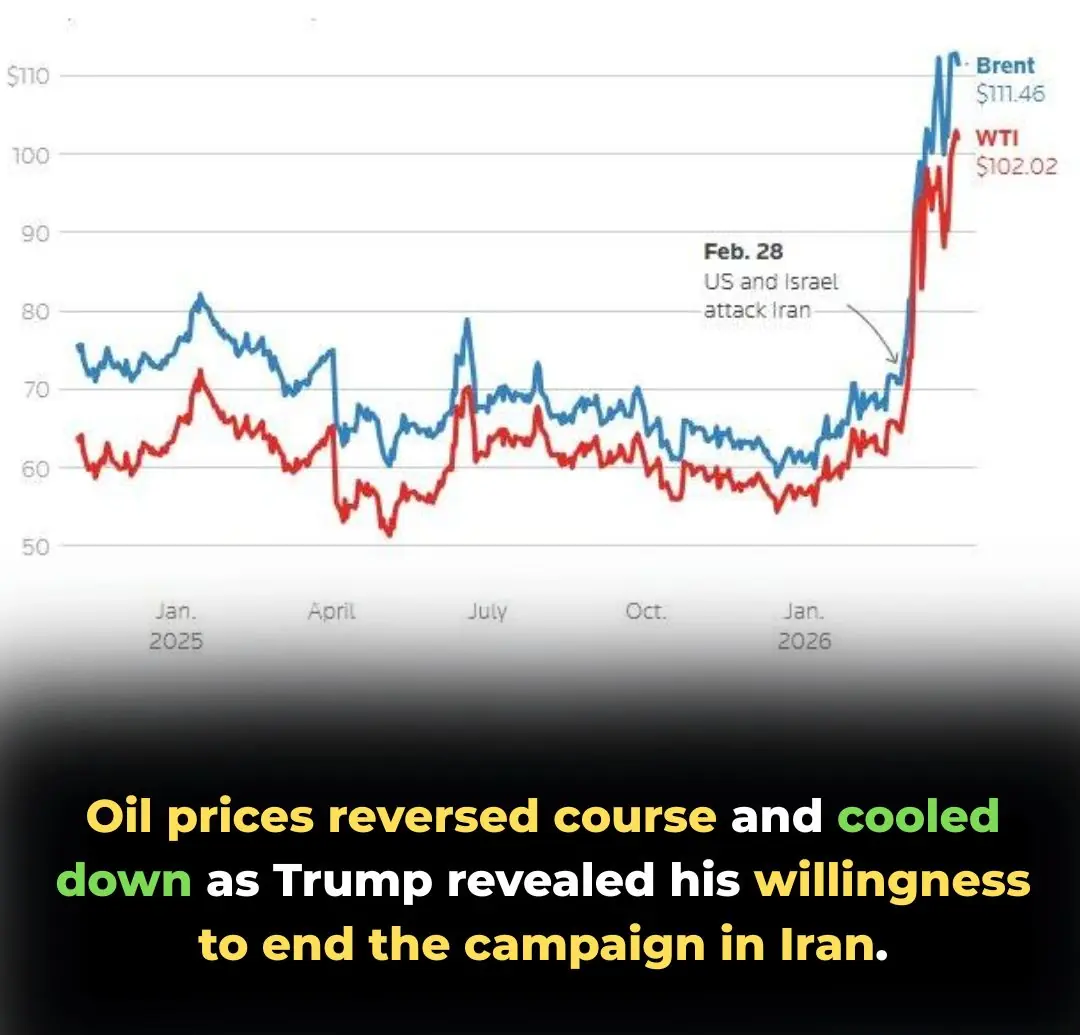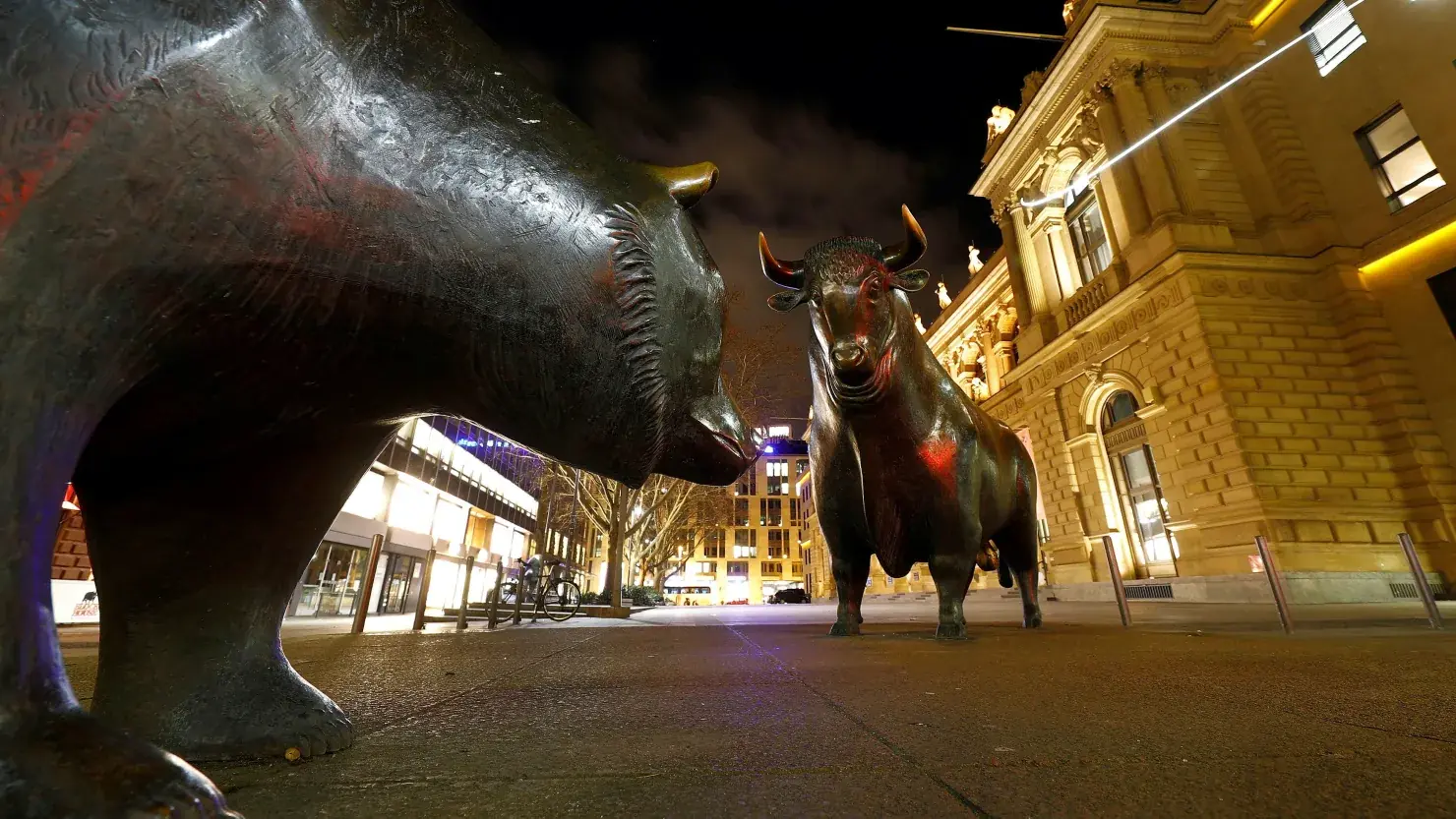
Europe stocks rebound strongly as Trump says Iran war will end in weeks
News 01/04/2026 16:24

As global temperatures continue to shatter records, the conversation around climate change is shifting from "environmental concern" to a critical public health emergency. Extreme heat is no longer just an uncomfortable summer quirk; it is a silent killer affecting millions and reshaping the global economy.
The human body maintains a core temperature of approximately 37°C. When external heat combined with high humidity prevents sweat from evaporating, our internal cooling system fails.
Key Health Risks:
Heat Exhaustion: Characterized by heavy sweating, rapid pulse, and dizziness.
Heatstroke: A medical emergency where the body temperature rises above 40°C, potentially leading to organ failure or brain damage.
Cardiovascular Strain: Extreme heat forces the heart to work harder, increasing the risk of heart attacks.
Beyond health, extreme heat is a "productivity tax." Workers in agriculture, construction, and manufacturing are on the front lines. Research suggests that when temperatures exceed 32°C, labor productivity drops significantly as the body requires more frequent breaks to avoid collapse.
Economic Impact: Estimates suggest trillions of dollars in lost GDP by 2030 due to heat-related labor slowdowns.
Inequality Gap: Developing nations in tropical regions bear a disproportionate burden, worsening global economic disparity.
Cities are often significantly warmer than surrounding rural areas. Concrete, asphalt, and a lack of vegetation trap heat, creating "islands" that stay hot even at night. This prevents the body from recovering during sleep, leading to cumulative heat stress.
To mitigate the risks of rising temperatures, health experts recommend several proactive steps:
Hydration is Key: Drink water even if you don't feel thirsty.
Seek Shade & Cool Spaces: Utilize public cooling centers or air-conditioned environments during peak sun hours (11 AM – 4 PM).
Know the Signs: Recognize the difference between tiredness and heat exhaustion. If you stop sweating while feeling hot, seek medical help immediately.
Addressing the impact of extreme heat requires more than just individual action; it demands systemic change. From urban planning with more "green lung" spaces to stricter labor laws protecting outdoor workers, adapting to our warming world is the defining challenge of the 21st century.