Tips 26/12/2025 14:55
Ugh, got a crusty looking bump on my elbow. Can I remove this myself at home, or do I need to see a doc? Looks so bad
Discovering a crusty or rough bump on your elbow can be both concerning and irritating. Whether it causes physical discomfort or simply looks unpleasant, it’s natural to want to remove it as quickly as possible. However, before attempting any form of self-treatment, it’s important to understand what the bump might be and whether treating it at home is safe.
In this article, we’ll explore the possible causes of a crusty bump on the elbow, how to tell if it might be a wart, and when home remedies may be appropriate. We’ll also discuss situations where professional medical advice is necessary, along with common treatment options and prevention tips.
1. Identifying the Bump: Could It Be a Wart?
Warts are small, rough skin growths caused by the human papillomavirus (HPV). While they commonly appear on the fingers and hands, warts can also develop on elbows due to frequent friction and minor skin injuries. They usually feel grainy or rough and may range in size from 1 millimeter to 1 centimeter.
A common identifying feature of warts is the presence of tiny black dots within the bump. These dots are clotted blood vessels and are often a clear sign that the growth is a wart. Warts may also feel hard, uneven, or slightly raised above the surrounding skin.
That said, not every crusty elbow bump is a wart. Conditions such as eczema, psoriasis, calluses, or keratosis can create similar-looking lesions. Because of this, careful observation—or professional evaluation—is important before starting treatment.
2. Common Causes of Bumps on the Elbow
In addition to warts, there are several other reasons a bump may form on the elbow:
-
Bursitis: This occurs when the bursa, a fluid-filled sac that cushions joints, becomes inflamed. Elbow bursitis often causes swelling and tenderness rather than a rough texture.
-
Cysts: These are closed pockets of tissue filled with fluid, pus, or other material and are usually soft or firm rather than crusty.
-
Skin conditions: Eczema and psoriasis can cause dry, scaly, or crusted patches that may resemble bumps.
-
Lipomas: These are benign fatty growths beneath the skin that are usually soft and painless.
-
Calluses: Repeated pressure or friction on the elbow can lead to thickened, rough skin.
Each of these conditions requires different treatment approaches, so accurate identification is essential.
3. When Home Remedies May Be Appropriate
Home treatment may be considered if the bump is small, painless, slow-growing, and strongly resembles a wart. Over-the-counter remedies containing salicylic acid are commonly used to gradually peel away wart tissue. Another widely known method is duct tape therapy, which may help remove layers of the wart over time.
Keep in mind that home treatments require patience. Results may take several weeks or even months, and effectiveness varies from person to person. During treatment, it’s important to watch for redness, swelling, pain, or worsening of the bump, which may indicate irritation or infection.
4. Popular Viral Hacks for Wart Removal
Social media has popularized various “natural” wart removal hacks, including apple cider vinegar, banana peels, and garlic. Apple cider vinegar is thought to work due to its acidic nature, which may slowly break down wart tissue.
However, there is limited scientific evidence supporting these methods. Some may cause skin irritation, burns, or allergic reactions if used incorrectly or too frequently. Anyone trying these remedies should do so cautiously and stop immediately if the skin becomes painful or inflamed.
5. Over-the-Counter Wart Treatments
Many pharmacy products are specifically designed to treat warts. These usually contain salicylic acid or freezing agents that target wart tissue. Popular examples include Compound W and Dr. Scholl’s wart removal products.
These treatments typically require consistent use over several weeks. Following the instructions carefully is crucial to avoid damaging healthy surrounding skin. If there is no improvement after prolonged use, medical advice should be sought.
6. Risks of DIY Wart Removal
Removing a wart at home carries several risks. Improper techniques may cause infection, scarring, or bleeding. Additionally, HPV can spread through broken skin, potentially leading to new warts on other parts of the body.
Another major risk is misdiagnosis. Treating a non-wart lesion as a wart may delay proper care and worsen the condition. Using sharp objects or attempting to cut off a bump is especially dangerous and should be avoided.
7. Warning Signs That Require Medical Attention
You should consult a healthcare professional if the bump:
-
Is painful or rapidly increasing in size
-
Changes color, shape, or texture
-
Bleeds easily or shows signs of infection
-
Does not improve after weeks of home treatment
People with weakened immune systems should also seek medical advice early, as viral infections can be harder to control in these cases.
8. Professional Treatment Options
If home and over-the-counter treatments fail, doctors can offer more effective medical procedures, such as:
-
Cryotherapy: Freezing the wart with liquid nitrogen
-
Laser therapy: Using concentrated light to destroy wart tissue
-
Electrosurgery: Burning off the wart with an electric current
-
Curettage: Surgically scraping off the wart
These treatments are usually faster and more effective, though multiple sessions may be required depending on the size and location of the wart.
9. Preventing Future Elbow Bumps
Preventive steps include maintaining good hygiene, moisturizing the skin to prevent cracking, and avoiding direct contact with warts. Do not share personal items such as towels, clothing, or razors.
If your elbows experience frequent pressure or friction, wearing protective padding can help. Supporting your immune system through a healthy diet, proper sleep, and regular physical activity also reduces the risk of viral skin infections.
10. Common Myths About Wart Removal
Many myths surround wart treatment. One common misconception is that cutting off a wart will permanently remove it—this can actually worsen the problem. Another myth is that warts have deep “roots,” when in reality, they grow only in the top layers of skin.
While folk remedies and superstitions are generally harmless, they should not replace medically proven treatments.
11. When to Seek a Second Opinion
If treatment isn’t working, or if you feel uncertain about a diagnosis, seeking a second medical opinion is reasonable. Another healthcare provider may suggest alternative treatments or confirm that the bump is harmless.
It’s especially important to seek further advice if you feel your concerns weren’t fully addressed or if you have underlying health conditions that may affect treatment outcomes.
In summary, a crusty bump on the elbow is often harmless, but identifying its cause is key to safe and effective treatment. When in doubt, professional guidance is always the best choice to protect your skin and overall health.
News in the same category

Purple blotches keep showing up on my arms. Doctor isn’t available for weeks. What should I do?

Don't add vermicelli to your spring rolls; add this ingredient to make them crispy, and you can make a hundred of them to eat gradually – they'll still taste delicious.
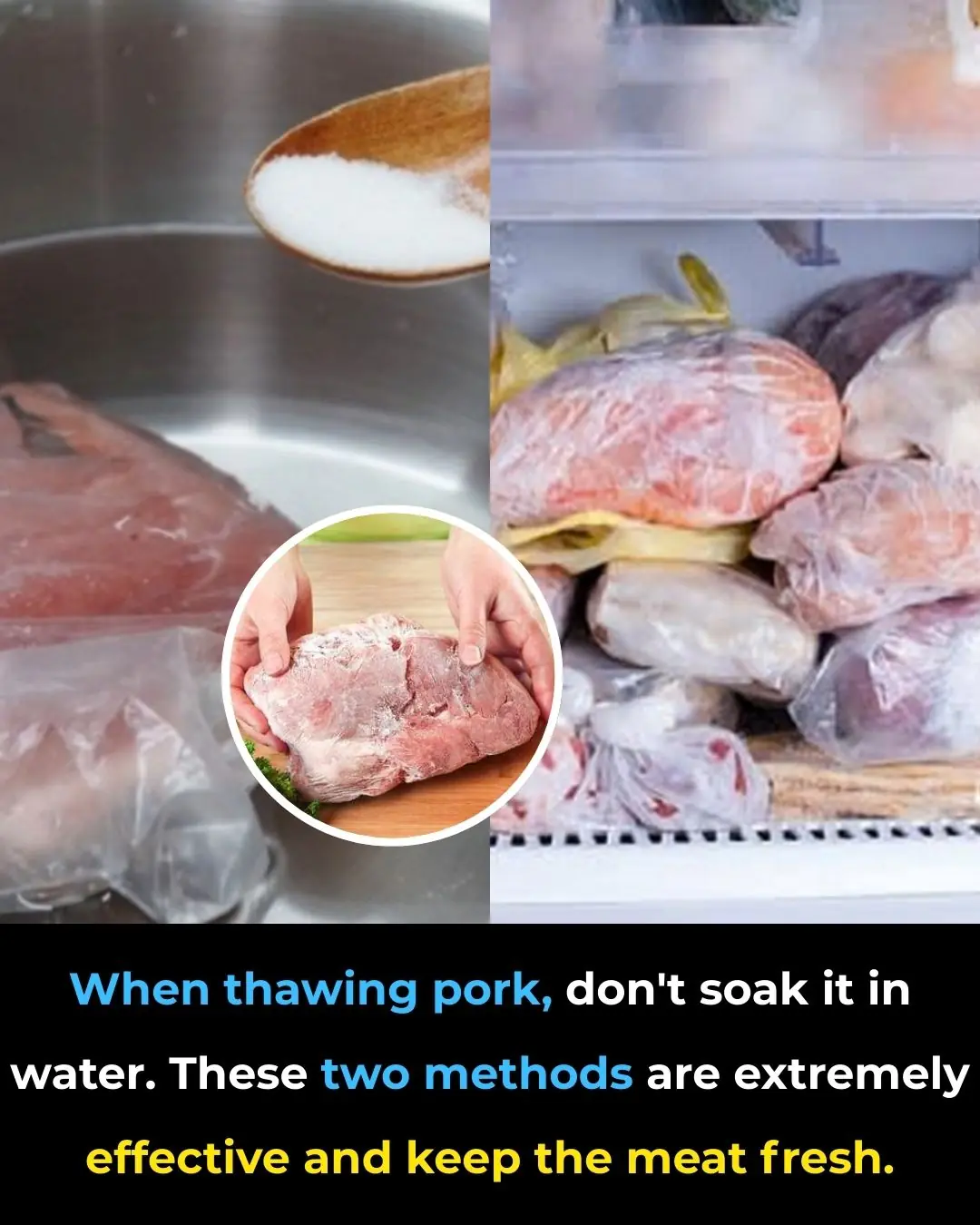
When thawing pork, don't soak it in water. These two methods are extremely effective and keep the meat fresh.

When making spring rolls, remember to brush this onto the wrapper; the spring rolls will be crispy, golden brown, and won't get soggy even after a while.

Most people will go their entire life without ever knowing what the drawer under the oven was actually designed for

Why do many people recommend squeezing lemon juice into the oil before frying?
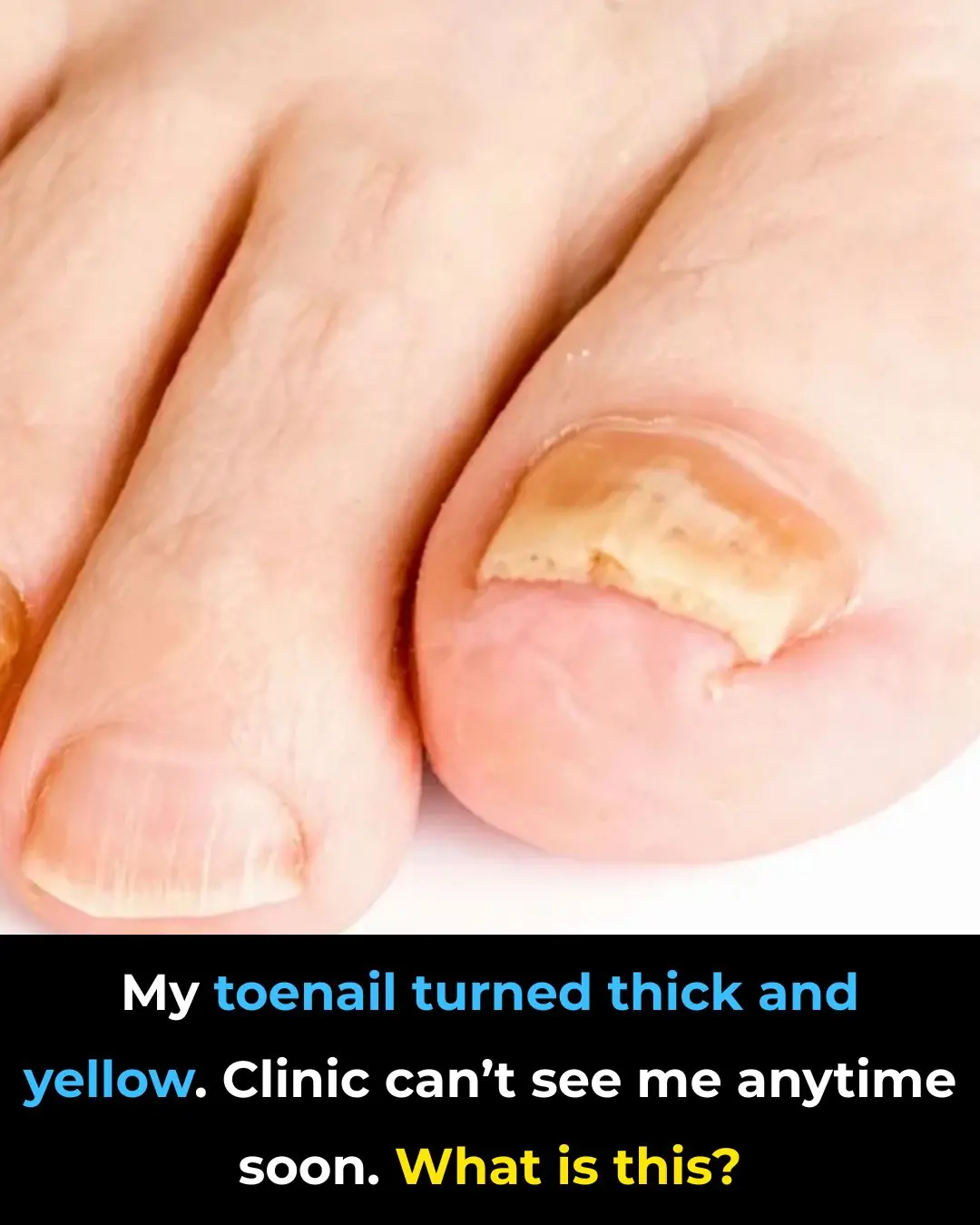
My toenail turned thick and yellow. Clinic can’t see me anytime soon. What is this?
This changes everything

Tips for stir-frying noodles to make them chewy and delicious with less oil: Don't blanch the noodles in boiling water.

Grilling dried squid often results in tough, chewy squid, but a skilled cook from the coastal region suggests soaking them in this ingredient to make them all delicious and sweet, a real treat.

4 ways to reheat boiled chicken without drying it out: Keep the meat tender, juicy, and fragrant like freshly cooked chicken.
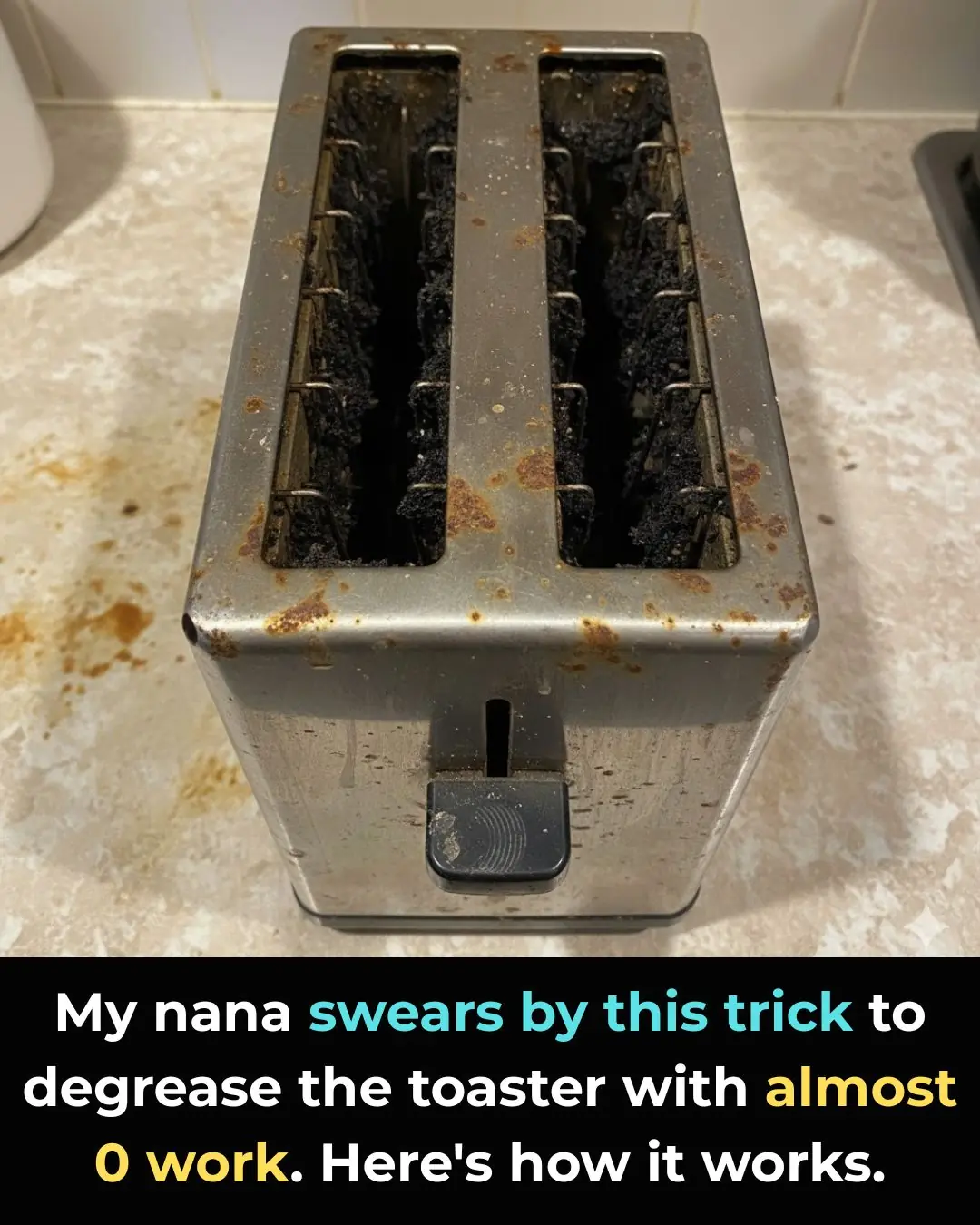
Yes, yes yes! This is what I've been looking for!
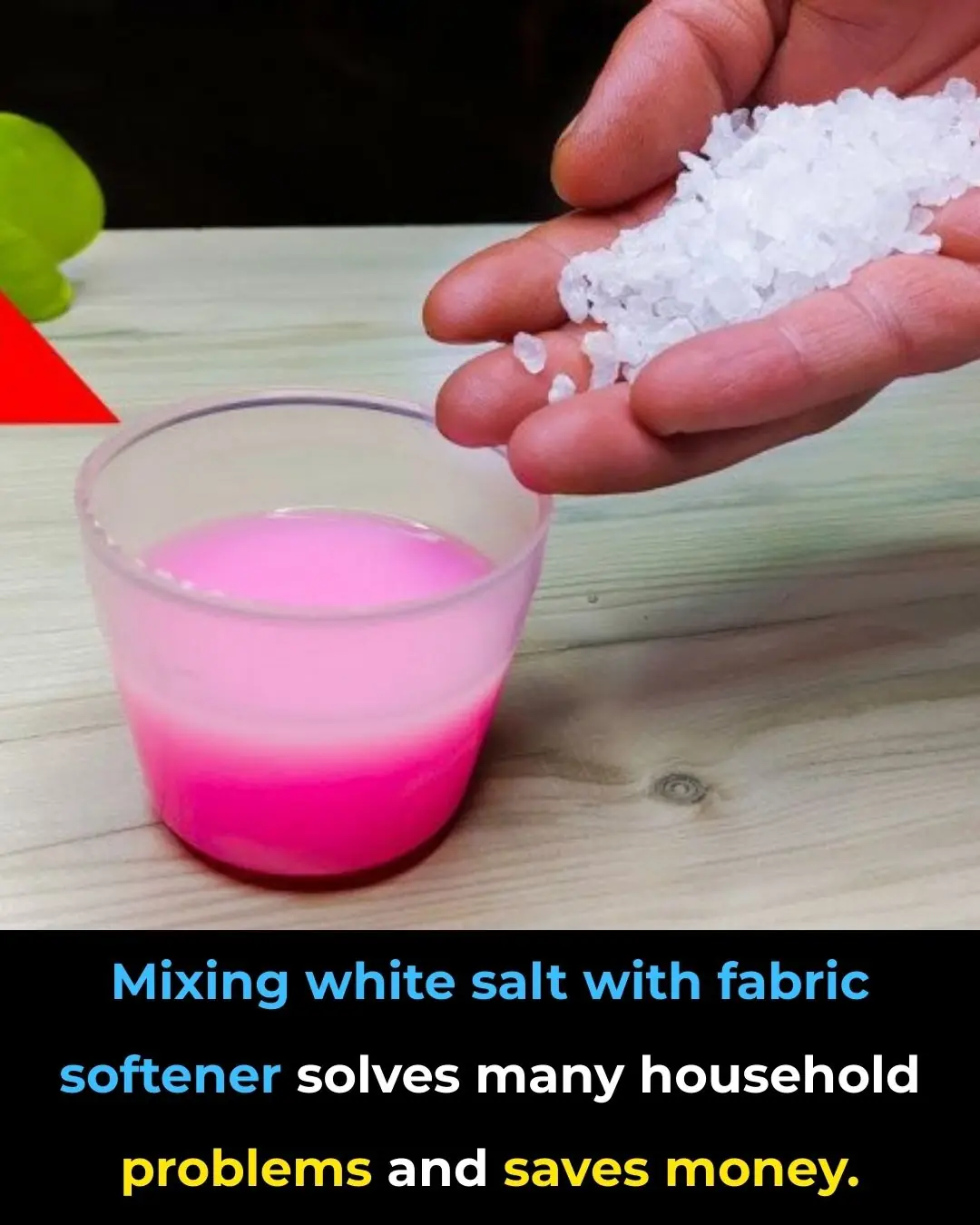
Mixing white salt with fabric softener solves many household problems and saves money

Misconceptions that turn water purifiers into breeding grounds for germs – stop using them immediately or you could harm your whole family

Secrets to longevity after age 50: The 'golden' drink for lasting health.
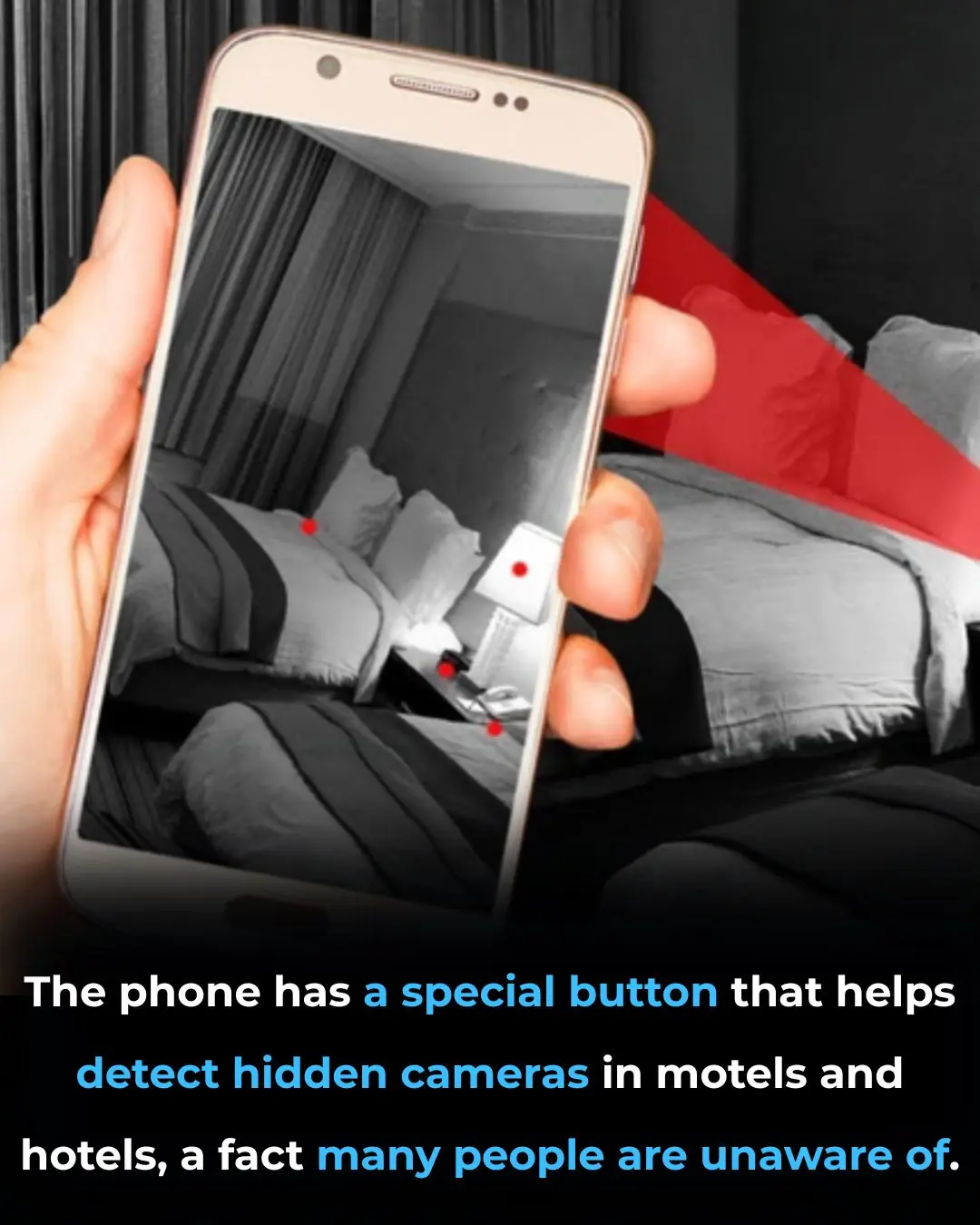
The phone has a special button that helps detect hidden cameras in motels and hotels, a fact many people are unaware of

Chinese actress triumphs over stomach cancer for 25 years: Her secret is doing 3 things every day.
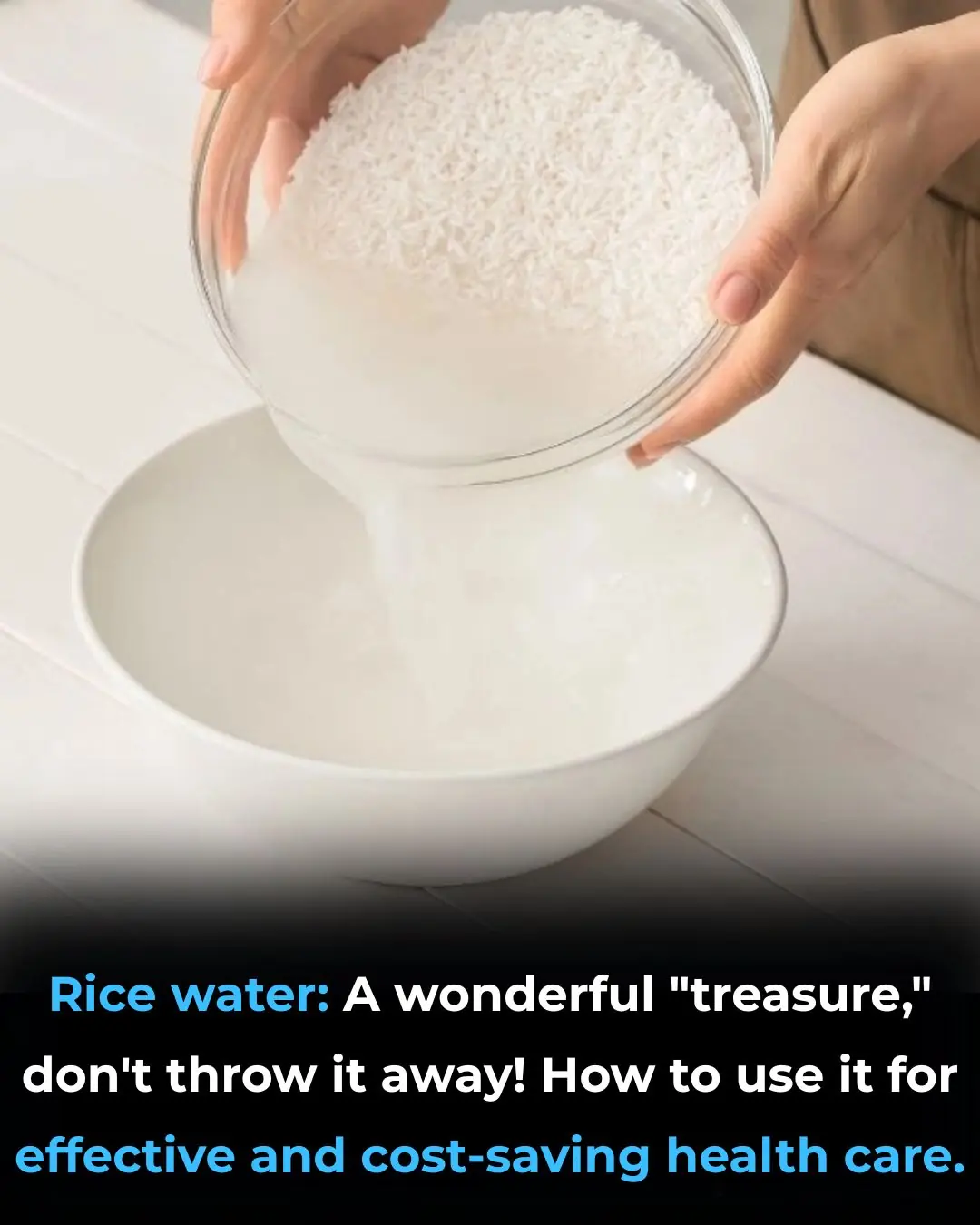
Rice water: A wonderful "treasure," don't throw it away! How to use it for effective and cost-saving health care.
News Post
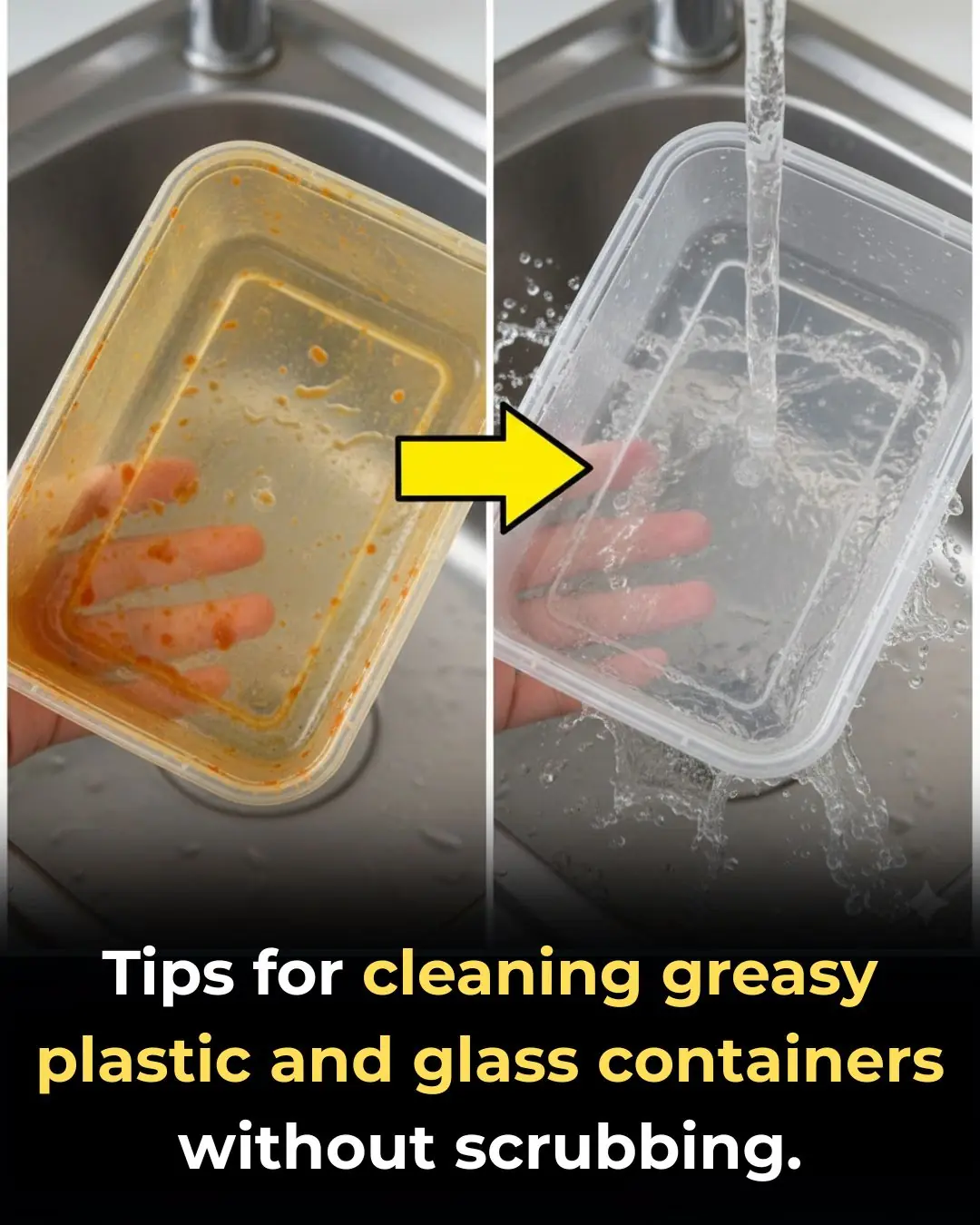
Tips for cleaning plastic containers and glass containers full of grease, without scrubbing
Tips 26/12/2025 17:01

DIY Rice Water Ice cubes for Clear Skin – Shrink Large Pores
Beatuty Tips 26/12/2025 15:54

Six Weeks After My Husband Left Me And Our Newborn In A Snowstorm, I Walked Into His Wedding Holding The One Thing He Never Thought I’d Have
Life stories 26/12/2025 15:51

12 Thick Eyebrow Growth Home Remedies – Eyebrow Growth Oil & Serum
Beatuty Tips 26/12/2025 15:51

The moment I signed the divorce papers, I immediately canceled his 15 credit cards. While he was celebrating a $75,000 wedding with his mistress, he froze at just one sentence from me.
Life stories 26/12/2025 15:50

My boyfriend proposed to me on my birthday. With tears of joy, I said, “Yes, of course!” He stood up and shouted, “It’s just a joke!” His friends were filming it to post on YouTube, all of them laughing hysterically. But a few weeks later…
Life stories 26/12/2025 15:49

10 DIY Beauty Ice cubes for Face, Glowing Skin
Beatuty Tips 26/12/2025 15:48

I WALKED INTO MY BROTHER’S ENGAGEMENT PARTY. THE BRIDE WHISPERED WITH A SNEER: ‘THE STINKY COUNTRY GIRL IS HERE!’ SHE DIDN’T KNOW I OWNED THE HOTEL — OR THAT THE BRIDE’S FAMILY WAS ABOUT TO LEARN IT THE BLOODY WAY.
Life stories 26/12/2025 15:47

MY HUSBAND ASKED FOR A DIVORCE. HE SAID: ‘I WANT THE HOUSE, THE CARS, EVERYTHING EXCEPT THE SON’ MY LAWYER BEGGED ME TO FIGHT. I SAID: ‘GIVE IT ALL TO HIM.’ EVERYONE THOUGHT I’D LOST MY MIND.
Life stories 26/12/2025 15:47

I HAD A FEELING MY HUSBAND WAS SLIPPING SLEEPING PILLS INTO MY TEA. THAT NIGHT, WHILE HE STEPPED OUT, I POURED IT DOWN THE SINK AND PRETENDED TO BE ASLEEP. WHAT HE DID NEXT MADE MY BLOOD RUN COLD…
Life stories 26/12/2025 15:46
Purple blotches keep showing up on my arms. Doctor isn’t available for weeks. What should I do?
Tips 26/12/2025 15:00

Proven Health Benefits of Dates (Dried, Fresh, Medjool) – Science Based
Health 26/12/2025 14:53

DIY Turmeric & Ginger Shots to Fight Inflammation, Boost Immunity & Soothe Your Gut
Health 26/12/2025 14:49
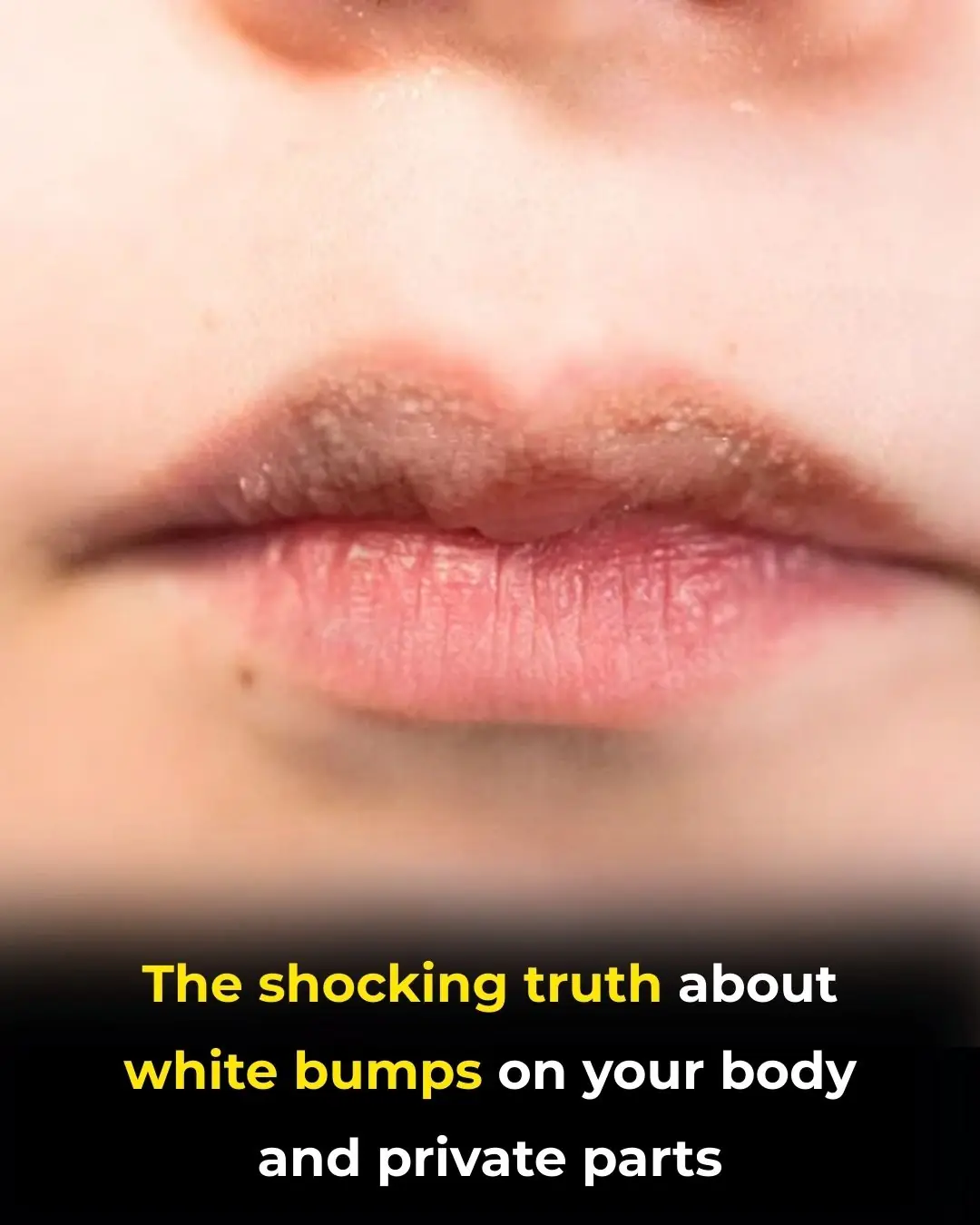
White Bumps or Spots on Lips: Causes and Effective Treatments
Health 26/12/2025 14:47
Don't add vermicelli to your spring rolls; add this ingredient to make them crispy, and you can make a hundred of them to eat gradually – they'll still taste delicious.
Tips 26/12/2025 13:52
When thawing pork, don't soak it in water. These two methods are extremely effective and keep the meat fresh.
Tips 26/12/2025 13:47
When making spring rolls, remember to brush this onto the wrapper; the spring rolls will be crispy, golden brown, and won't get soggy even after a while.
Tips 26/12/2025 13:45
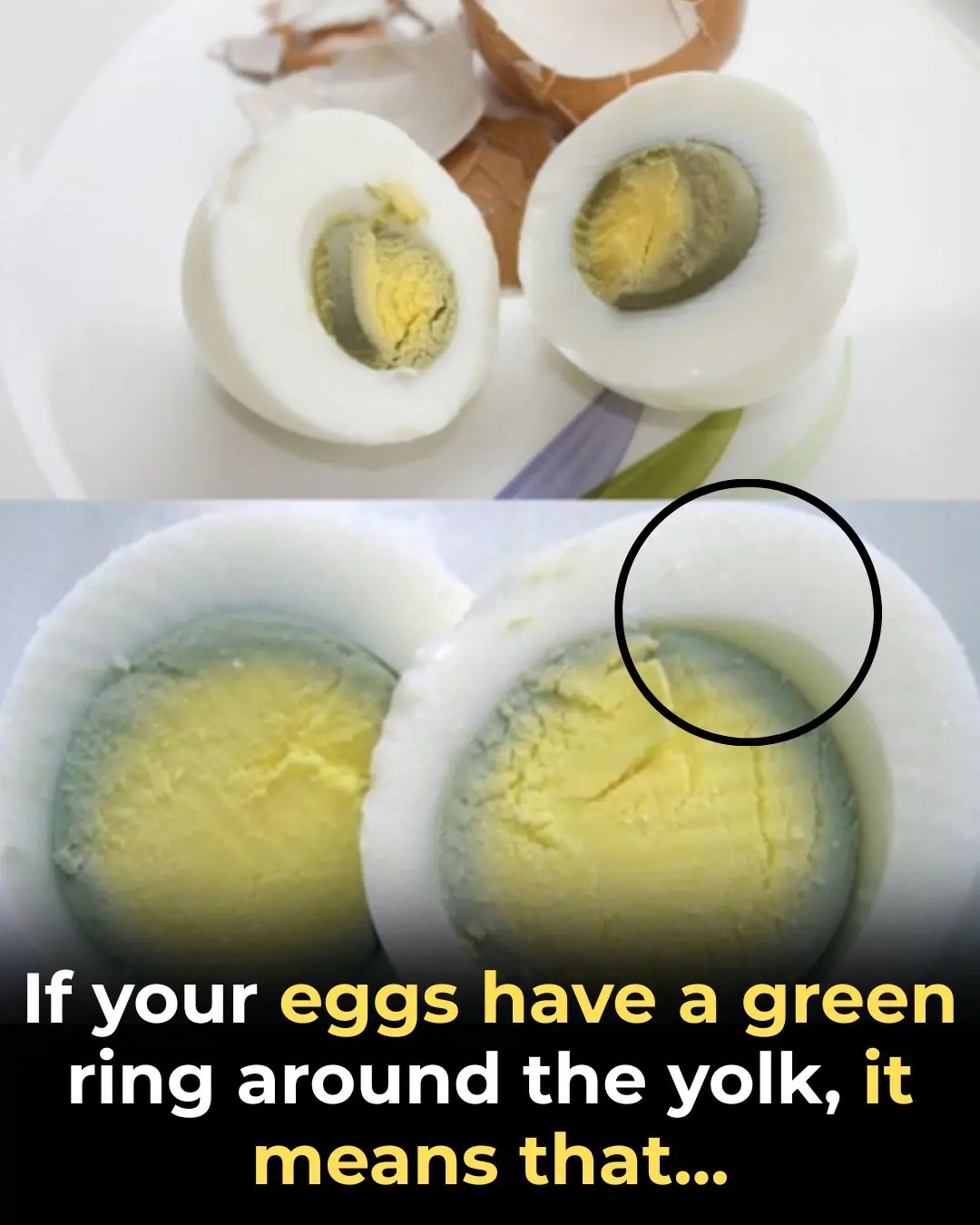
HealthWhy Your Hard-Boiled Eggs Have That Weird Green Ring
Health 26/12/2025 12:38
Why Your Blood Pressure Is Higher in the Morning
Health 26/12/2025 11:41