What a Small Wrist Bump May Mean: Understanding Ganglion Cysts
Health 18/07/2026 21:03
Drooling during sleep is something many people experience occasionally. Waking up to find a damp pillow after a particularly deep sleep is usually not a cause for concern. However, when excessive drooling becomes frequent, persistent, or severe, it may sometimes point to an underlying health issue that deserves attention.
Saliva plays an important role in maintaining oral health. It helps lubricate the mouth, supports digestion, protects teeth, and assists with swallowing. Normally, the body continuously produces saliva throughout the day and night, while automatic swallowing prevents excessive buildup.
When this balance is disrupted, saliva may escape from the mouth during sleep, leading to noticeable drooling. While sleeping position is often responsible, certain medical conditions can also contribute.
Here are 6 underlying conditions that may be linked to excessive nighttime drooling.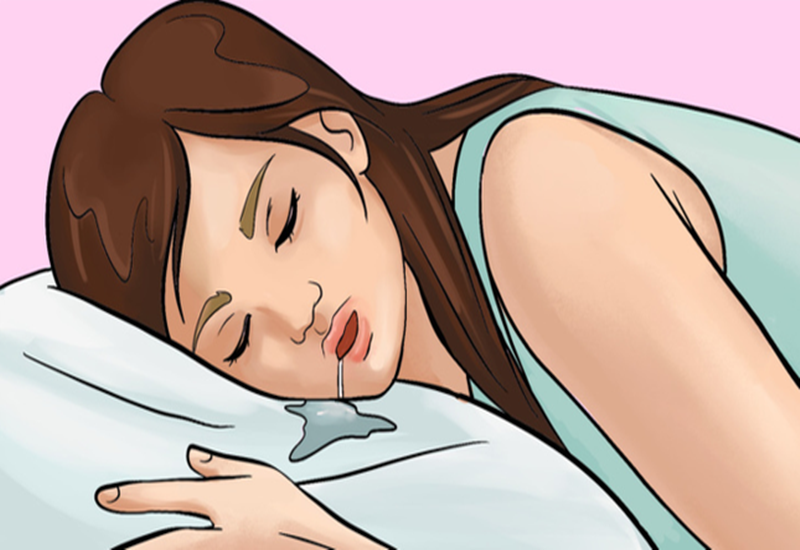
Before exploring possible causes, it's important to understand how drooling occurs.
Excessive drooling may result from:
Increased saliva production
Difficulty swallowing saliva
Mouth breathing
Relaxation of facial muscles during sleep
For many people, drooling is harmless and related to sleeping posture. However, chronic or worsening symptoms may indicate a deeper issue.
One of the most common causes of nighttime drooling is nasal congestion.
When the nose becomes blocked, people often breathe through their mouths while sleeping.
Allergies
Common colds
Sinus infections
Nasal polyps
Deviated septum
Mouth breathing increases the likelihood that saliva will escape during sleep.
When the mouth remains open for extended periods, swallowing becomes less efficient and drooling may occur.
Snoring
Stuffy nose
Facial pressure
Dry mouth upon waking
Treating the underlying nasal problem often reduces drooling.
Sleep apnea is a sleep disorder characterized by repeated interruptions in breathing during sleep.
The most common form is obstructive sleep apnea.
Loud snoring
Gasping during sleep
Excessive daytime fatigue
Morning headaches
Poor sleep quality
People with sleep apnea often sleep with their mouths open due to airway obstruction.
This can increase saliva leakage during the night.
Untreated sleep apnea has been associated with:
High blood pressure
Heart disease
Stroke
Daytime fatigue
Anyone who experiences significant drooling alongside loud snoring or breathing interruptions should consider medical evaluation.
GERD occurs when stomach acid flows backward into the esophagus.
This condition can sometimes stimulate increased saliva production.
The body may create additional saliva as a protective response to acid irritation.
This phenomenon is sometimes called "water brash."
Heartburn
Sour taste in the mouth
Chronic cough
Hoarseness
Difficulty swallowing
Excess saliva production combined with sleeping posture may contribute to nighttime drooling.
Certain neurological disorders can affect the muscles involved in swallowing.
When swallowing becomes less efficient, saliva may accumulate and escape from the mouth.
Parkinson's disease
Stroke
Multiple sclerosis
Cerebral palsy
The problem is often not excessive saliva production itself.
Instead, reduced swallowing frequency allows saliva to build up.
Muscle weakness
Tremors
Balance problems
Speech difficulties
Persistent drooling accompanied by neurological symptoms should always be medically evaluated.
Seasonal and environmental allergies can contribute to excessive drooling in several ways.
Allergies may cause:
Nasal congestion
Increased mucus production
Mouth breathing
These factors can increase the likelihood of drooling during sleep.
Pollen
Dust mites
Pet dander
Mold
Managing allergies may significantly improve nighttime symptoms.
Some medications may increase saliva production as a side effect.
Certain psychiatric medications
Some medications used for neurological disorders
Certain antibiotics
Specific blood pressure medications
The medication may stimulate saliva production or affect swallowing mechanisms.
If excessive drooling begins shortly after starting a new medication, discussing the issue with a healthcare provider may be helpful.
Never stop prescribed medications without professional guidance.
In addition to the six conditions above, several other factors may contribute.
Sleeping on the side or stomach can make saliva more likely to escape from the mouth.
Some people swallow less frequently during deep sleep stages.
Certain oral health conditions may affect saliva control.
Tonsil enlargement can contribute to mouth breathing and drooling.
Occasional drooling is often normal.
It may simply occur because:
You slept deeply
You slept on your side
You had temporary nasal congestion
You were unusually tired
In these situations, symptoms typically resolve without treatment.
Although drooling is often harmless, some situations warrant medical attention.
Seek evaluation if drooling is accompanied by:
Difficulty swallowing
Choking episodes
Speech problems
Facial weakness
Significant snoring
Breathing interruptions during sleep
Sudden onset of symptoms
These signs may indicate a more serious underlying condition.
A healthcare provider may begin by reviewing:
Questions may focus on:
Sleep habits
Medications
Neurological symptoms
Nasal problems
The doctor may examine:
Mouth and throat
Nasal passages
Neurological function
Depending on symptoms, testing may include:
Sleep studies
Allergy testing
Swallowing evaluations
Imaging studies
These assessments help identify the root cause.
The best treatment depends on the underlying cause, but several strategies may help.
Some people notice improvement when sleeping on their backs.
Managing allergies or sinus issues may reduce mouth breathing.
Healthy gums and teeth support normal saliva control.
Adequate hydration helps maintain normal saliva consistency.
Treating conditions such as sleep apnea may significantly reduce drooling.
In many cases, yes.
Helpful habits may include:
Maintaining a healthy weight
Managing allergies
Avoiding smoking
Limiting alcohol before bed
Following good sleep hygiene practices
These measures may improve overall sleep quality while reducing contributing factors.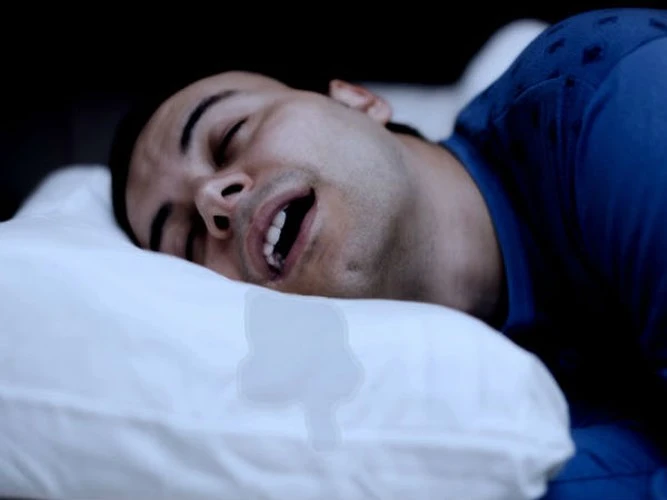
Occasional drooling during sleep is common and usually harmless. However, excessive or persistent drooling may sometimes be linked to underlying conditions such as nasal congestion, sleep apnea, acid reflux, allergies, neurological disorders, or medication side effects.
Understanding the potential causes can help identify when drooling is simply a normal occurrence and when it may signal a need for medical evaluation. Paying attention to accompanying symptoms such as snoring, swallowing difficulties, breathing problems, or neurological changes can provide important clues.
If excessive drooling becomes frequent, disruptive, or is accompanied by other concerning symptoms, consulting a healthcare professional can help determine the cause and identify the most appropriate treatment. In many cases, addressing the underlying issue can significantly improve both drooling and overall sleep quality.










Is Horseradish Good for You? Proven Health Benefits of Horseradish (Science Based






Is Horseradish Good for You? Proven Health Benefits of Horseradish (Science Based