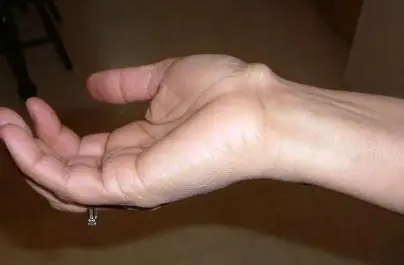
What a Small Wrist Bump May Mean: Understanding Ganglion Cysts
Health 18/07/2026 21:03
Strawberries are among the most loved fruits worldwide, known for their sweet flavor, vibrant color, and nutritional value.
However, a recent viral trend has surprised many people: soaking strawberries in salt water sometimes reveals tiny white, worm-like creatures wriggling out of the fruit. This unsettling discovery has raised an important question—should you throw the strawberries away, or are they still safe to eat?
The small white worms you may see are typically the larvae of fruit flies, particularly the spotted wing drosophila. This insect lays its eggs inside ripe or ripening fruit, unlike many other fruit flies that prefer overripe produce. Because of this, even strawberries that look perfectly fresh on the outside may contain these microscopic eggs, which later hatch into larvae.
While the idea of insects inside your fruit may sound alarming, it is actually more common than most people realize. Fruits grown outdoors are naturally exposed to insects, and complete avoidance is nearly impossible without heavy pesticide use. In many cases, these larvae are harmless if accidentally consumed, as they do not carry diseases that affect humans.
Soaking strawberries in salt water is a simple method to draw out these larvae. The salt creates an environment that forces them to exit the fruit. Typically, you only need to soak the strawberries for about 5–10 minutes, then rinse them thoroughly under clean running water. This process not only removes potential larvae but also helps clean dirt and pesticide residues.
The key concern for most people is safety. From a scientific standpoint, consuming these larvae unintentionally is not considered harmful. They are composed mostly of protein and are broken down by the digestive system like other food. However, psychological discomfort plays a significant role—many people understandably feel uneasy about eating fruit that may have contained insects.
If you find the presence of larvae disturbing, soaking and rinsing your strawberries before eating is a practical solution. You can also choose to buy organic or locally grown produce from trusted sources, although this does not completely eliminate the possibility. Another option is to cut the strawberries open and inspect them before consumption.
Ultimately, there is no strict need to throw your strawberries away if you discover these tiny creatures. They are a natural part of the ecosystem surrounding fresh produce. With proper cleaning and handling, strawberries remain a safe, healthy, and delicious addition to your diet.
In conclusion, while the sight of tiny white worms emerging from strawberries can be shocking, it does not mean the fruit is dangerous. Understanding the natural processes behind food production can help reduce unnecessary fear. A simple rinse and proper preparation are often all it takes to enjoy your strawberries with confidence.







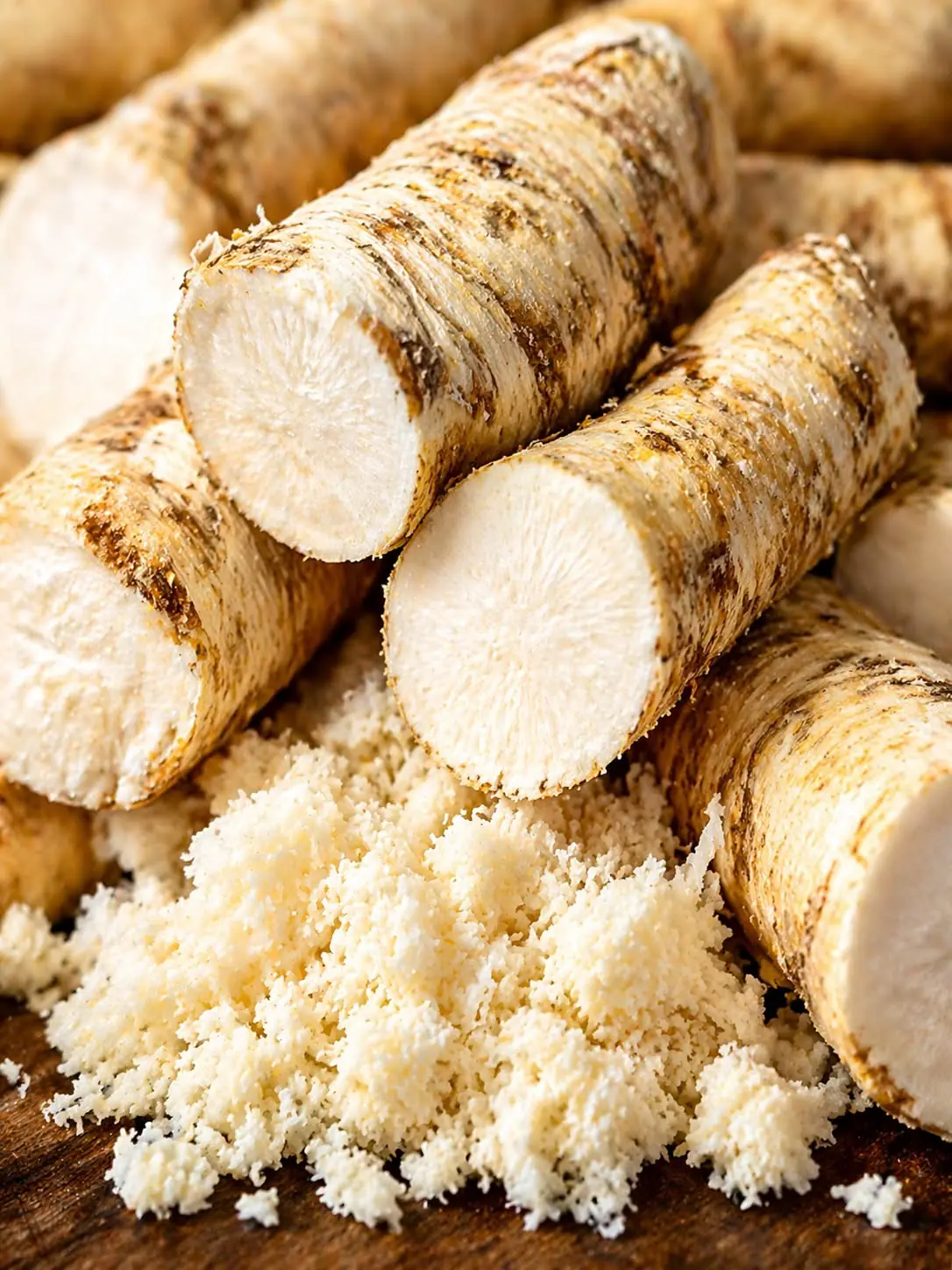
Is Horseradish Good for You? Proven Health Benefits of Horseradish (Science Based






Is Horseradish Good for You? Proven Health Benefits of Horseradish (Science Based