Cashew Nuts: Are They Good For You, Nutrition Facts, Benefits and More (Research Based)
Health 29/08/2026 16:06
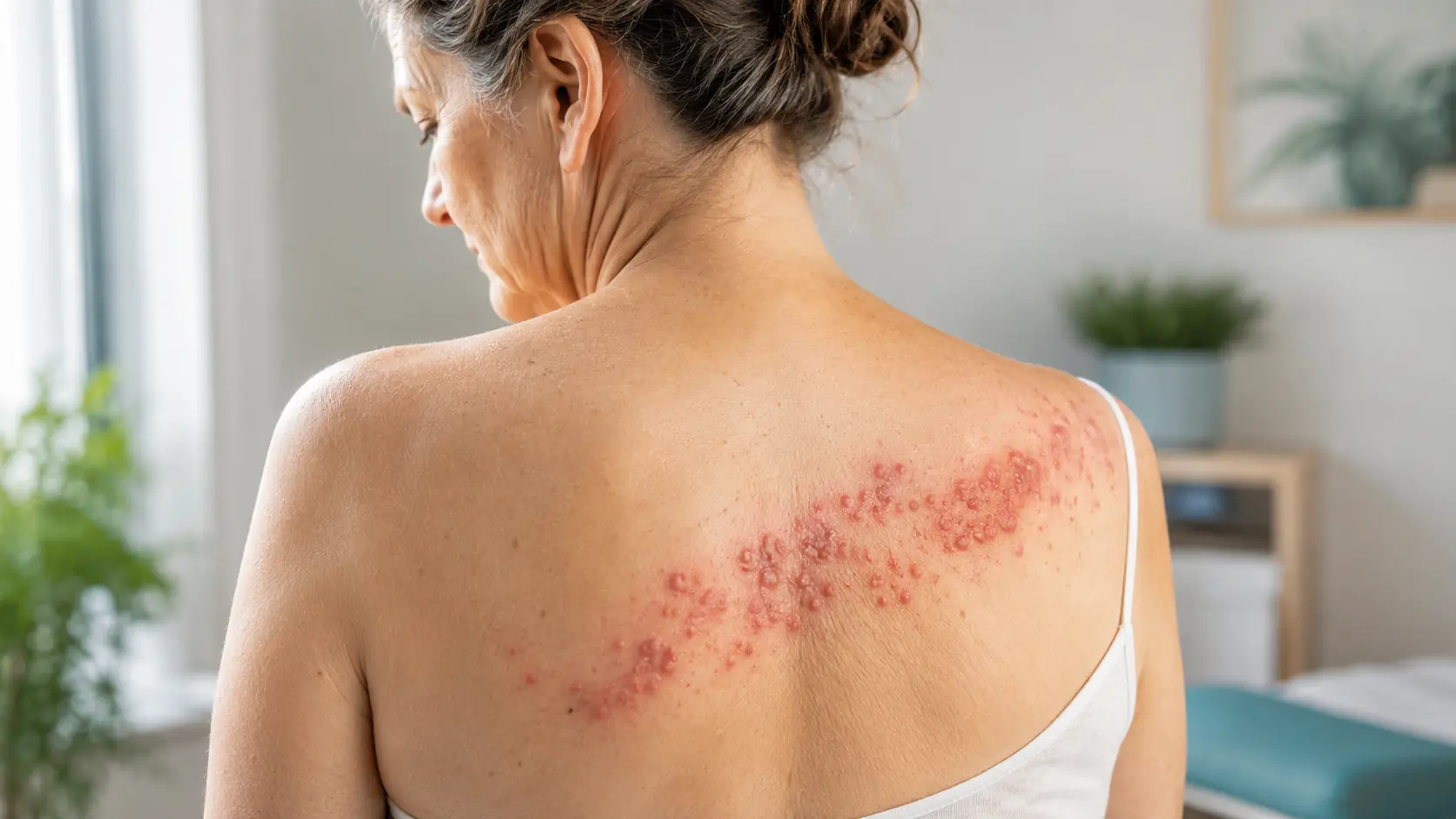
White or pale patches on the back can become especially noticeable after spending time in the sun.
The surrounding skin darkens, while certain areas remain lighter, creating a patchy appearance that can make people wonder whether they are dealing with sun damage, dry skin, a fungal infection, or something more complicated.
The first thing to understand is that not every white patch has the same cause.
A homemade mixture may help dry, rough skin look smoother, but it cannot treat every condition that causes changes in pigmentation.
Knowing the difference can save you from wasting time on remedies that were never going to solve the underlying problem.
The back is a common place for uneven pigmentation because it is exposed to several factors at once:
Sometimes an area simply tans differently from the surrounding skin.
In other cases, pale patches may result from a superficial yeast condition called tinea versicolor, which commonly appears on the shoulders, chest and upper back.
Other possibilities include changes after inflammation, eczema, vitiligo, or other pigment disorders.
The American Academy of Dermatology emphasizes that lighter or white patches can have several causes, which is why an accurate diagnosis matters when the spots are persistent or spreading.
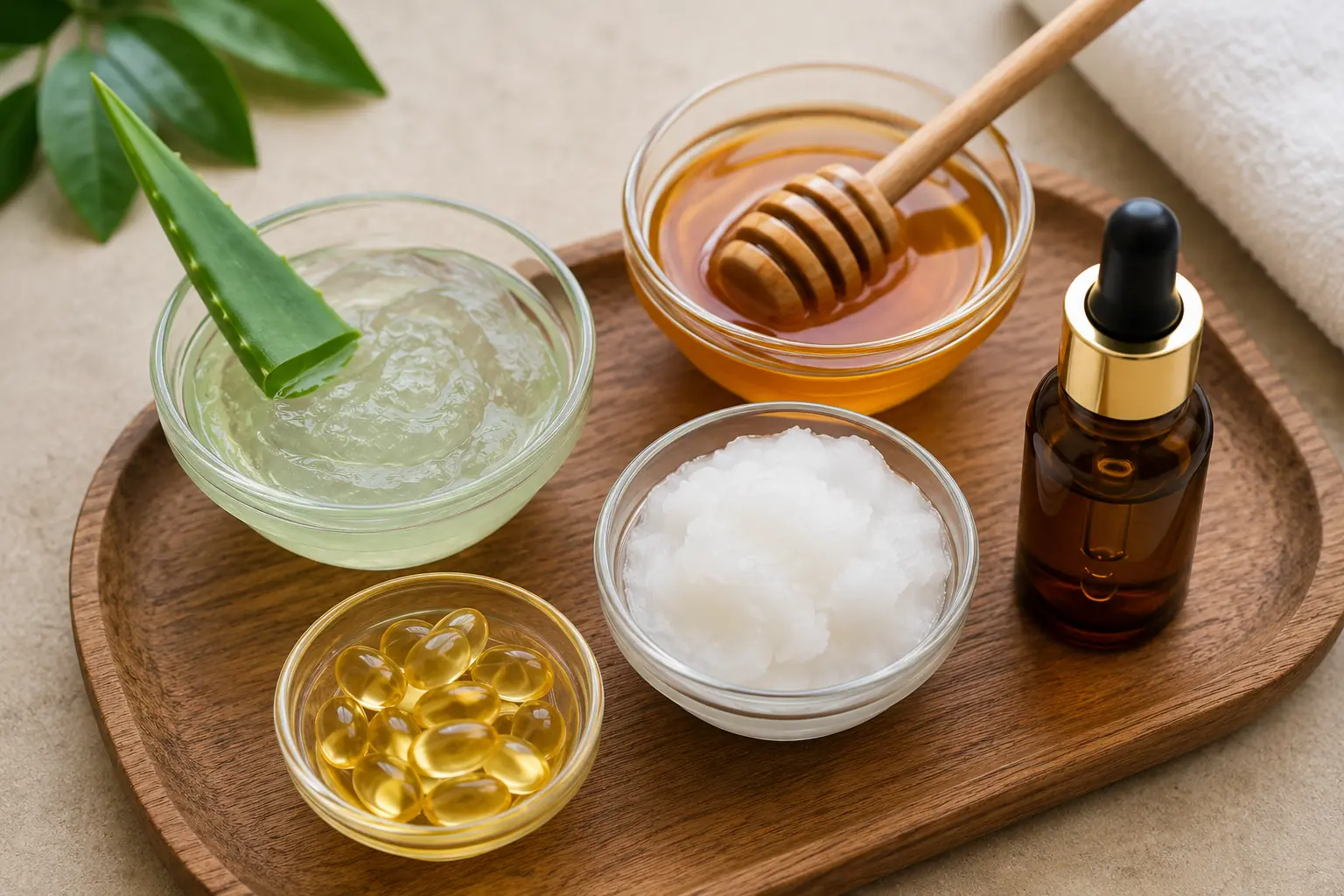
For skin that simply feels rough, flaky or neglected, the Remedy Daily article suggests a very simple mixture:
Mix everything in a clean bowl until it forms a soft paste.
If it feels too thick, add a small amount of lukewarm water.
If it is too runny, add a little more ground oats.
This mixture should be viewed as a skin-conditioning mask, not as a medical treatment.
Finely ground oats are often used in skincare because they are gentle and can help dry or irritated skin feel more comfortable.
Unlike harsh body scrubs, oats provide very mild surface exfoliation without requiring aggressive rubbing.
Yogurt contains lactic acid, an alpha-hydroxy acid.
In a simple homemade mixture, the effect is much weaker and less predictable than a professionally formulated skincare product, but yogurt may help soften accumulated dead surface skin.
Honey primarily helps the mixture stay moist and spreadable.
It also acts as a humectant, meaning it can help retain moisture on the surface of the skin.
None of these ingredients, however, should be expected to eliminate a fungal infection or restore pigment lost because of vitiligo.
Start with clean skin.
Wash the back gently with lukewarm water and a mild cleanser, then pat it dry.
Leave the skin slightly damp.
Spread a thin layer of the oat mixture over the uneven or rough-looking areas.
There is no need to apply a very thick coat.
Leave it on for approximately 10 to 15 minutes.
Before rinsing, wet your fingertips and gently massage the mixture for a few seconds. Avoid aggressive scrubbing.
Rinse thoroughly with lukewarm water.
Then apply a plain moisturizer while the skin is still slightly damp.
The original article recommends limiting use to around one or two times per week, because excessive exfoliation can actually make irritated or uneven skin look worse.
The mixture may be helpful when the main problem is:
After several uses, skin may feel softer and appear somewhat smoother.
If uneven tanning is the problem, gentle skincare plus time may also make the contrast gradually less obvious as the tan fades.
But it is important to keep expectations realistic.
A cosmetic mask can improve the surface appearance of the skin.
It cannot correct every cause of pigment loss.
One of the most common causes of patchy light or dark areas across the back is tinea versicolor.
Despite the name “fungal,” it is caused by an overgrowth of a yeast that normally lives on human skin.
The condition tends to thrive in warm, humid environments and can become more noticeable during hot weather.
Typical features may include:
A tan often makes the affected areas stand out more clearly because the yeast-related patches may not tan in the same way as surrounding skin.
This is an important distinction.
Oats, yogurt and honey are not established treatments for tinea versicolor.
The American Academy of Dermatology recommends antifungal products for the condition. Depending on the case, these may contain ingredients such as:
Some mild cases can be treated with over-the-counter antifungal products, while widespread or recurrent cases may require treatment from a dermatologist.
Even after the yeast has been successfully treated, normal skin color may take weeks or months to return.
So persistent pale patches after treatment do not necessarily mean that the antifungal medicine failed.
Another mistake is assuming that every pale patch is tinea versicolor.
Vitiligo, for example, causes loss of pigment and may create clearly defined light or white areas.
Other causes include previous inflammation, injury and various skin conditions.
AAD specifically recommends getting unexplained white or lighter patches diagnosed because several conditions can look similar.
If a patch is completely chalk-white, steadily expanding or appearing in several unrelated areas of the body, a dermatologist can determine whether pigment cells themselves are being affected.
Imagine two neighboring areas of skin.
One tans normally.
The other does not.
After several days in the sun, the difference between them becomes much more dramatic.
That is why pale patches often seem to “appear” in summer even when the underlying condition was already present.
Instead of trying to tan the surrounding skin until everything matches, protect the entire area from further UV exposure.
Dermatologists recommend a broad-spectrum, water-resistant sunscreen with SPF 30 or higher and reapplication approximately every two hours when outdoors, as well as after sweating or swimming.
A loose shirt or other sun-protective clothing can be even easier for hard-to-reach areas such as the back.
Trying to “even out” pale patches by intentionally tanning the rest of the skin can increase the contrast.
It also adds unnecessary UV damage.
AAD states plainly that there is no safe way to tan and that tanning damages the skin.
Allowing an existing tan to gradually fade while protecting the skin usually produces a more even appearance over time.
Heat and perspiration can make tinea versicolor more likely to recur.
If you sweat heavily:
For people who repeatedly develop tinea versicolor, dermatologists may recommend periodic use of a medicated cleanser to reduce recurrence, especially during warm and humid periods.
White patches often lead people to experiment with aggressive home remedies.
That can create a second problem: irritated skin.
Be especially cautious about putting substances such as these directly on affected skin:
Irritation may produce redness, burning and inflammation.
And after the irritation clears, some skin tones can be left with additional darker or lighter pigmentation.
If your goal is to make the skin look more even, creating new inflammation is the opposite of what you want.
Even relatively gentle ingredients can cause allergic or irritant reactions.
Before using the oat-yogurt-honey mixture across the entire back, try a small amount on a limited area.
Rinse it off after the normal application time and monitor the skin.
Stop using it if you experience:
If you are allergic to bee products, omit the honey.
Instead of searching for a miracle mixture, a simple routine is usually more sustainable.
Wash the back with a mild cleanser once daily and after heavy sweating.
If the skin feels dry or rough, apply moisturizer shortly after bathing.
AAD recommends applying moisturizer to damp skin because it helps trap water in the skin.
Use SPF 30+ broad-spectrum sunscreen on exposed skin or cover the back with clothing.
If you have tinea versicolor, use an antifungal treatment rather than relying on cosmetic masks.
Scrubbing harder does not make pigment return faster.
Gentle, consistent care is usually better than repeatedly stripping the skin.
That depends entirely on the cause.
Dry, dull skin may begin looking smoother within days or weeks.
Uneven tanning usually fades gradually as skin naturally renews itself.
After tinea versicolor is treated, the yeast may be gone long before the skin color becomes uniform again; pigmentation can take weeks or months to normalize.
Vitiligo and other pigment disorders follow completely different courses and may need dermatologic treatment.
This is why there is no universal timeline—and no single mixture that works for every white patch.
Professional evaluation is worthwhile if the patches:
A dermatologist can often distinguish common causes simply by examining the pattern, and additional testing can be performed when necessary.
Getting the right diagnosis may ultimately be faster and cheaper than buying several unrelated home remedies.
A mixture of ground oats, plain yogurt and honey can be a pleasant way to moisturize and gently smooth dry, rough skin on the back. It may make uneven-looking skin appear softer and healthier, especially when dryness or surface buildup contributes to the problem.
But it is not a cure for every type of white patch.
If the spots are caused by tinea versicolor, proper antifungal treatment is more appropriate. If pigment is disappearing for another reason, a dermatologist can help determine why.
For most people, the smartest routine is straightforward:
gentle cleansing, regular moisturizing, good sun protection, less friction and sweat buildup—and treatment matched to the actual cause of the patches.
Sometimes the best home remedy is knowing what can safely be handled at home and what deserves a proper diagnosis.




Is It Safe To Eat an Egg With a Crack In it?