Drinking a Cola Could Shorten Your Lifespan by This Exact Amount, According to Scientists
Health 01/12/2025 15:46
The human brain possesses a remarkable yet troublesome tendency: it clings to negative experiences far more tightly than positive ones. Recent scientific studies reveal just how powerful this bias can be. Harsh criticisms, insulting remarks, or emotionally painful moments can linger in our memory for up to 20 years, while compliments, achievements, or words of encouragement often fade within just 30 days. This profound imbalance is deeply rooted in evolutionary biology. Our ancestors relied on heightened awareness of danger—predators, social threats, or environmental risks—to stay alive. As a result, the brain evolved to prioritize anything that might signal harm, encoding negative information with far greater intensity than positive experiences.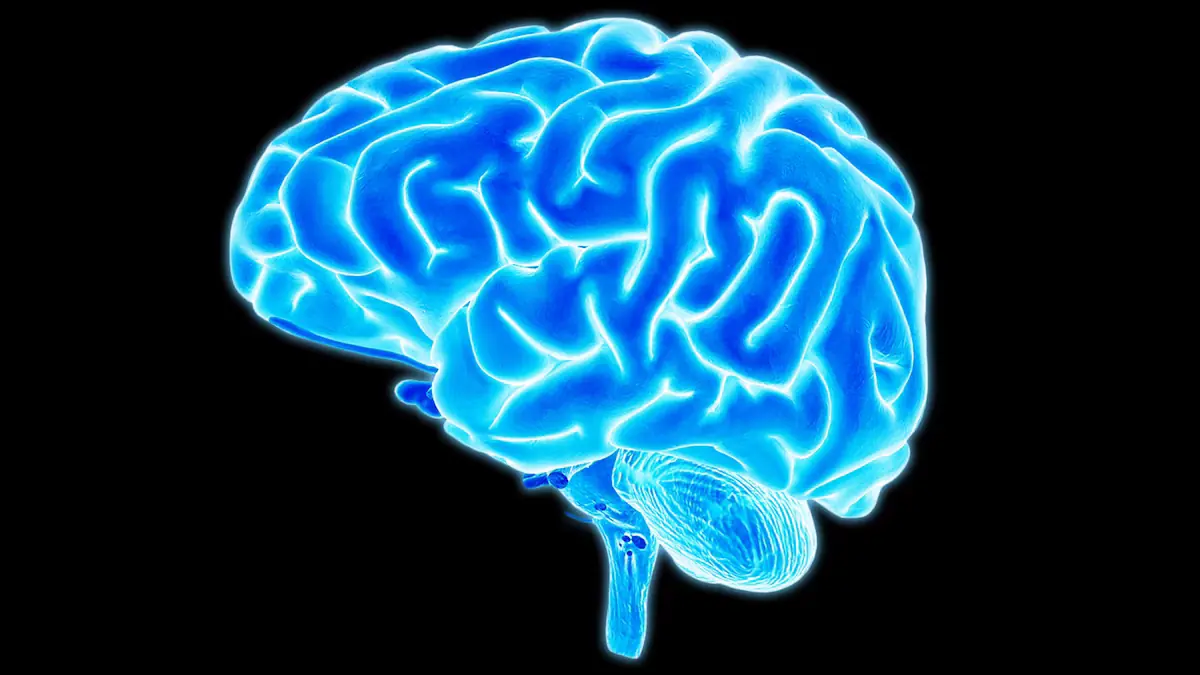
Because of this built-in negativity bias, many people struggle to hold onto uplifting moments, even when they occur frequently. Experts recommend several strategies to help counteract this tendency by strengthening the brain’s ability to store positive memories. One powerful method is journaling: writing down happy events, sincere compliments, or meaningful achievements helps reinforce their memory traces. When individuals revisit these entries over time, the repetition strengthens neural pathways associated with joy, pride, and gratitude. Mindfulness is another effective technique—it encourages individuals to slow down, savor pleasant moments, and deeply absorb the good feelings they generate. Even something as simple as repeating positive affirmations or verbalizing praise to oneself or others can help cement uplifting thoughts, building emotional resilience and reshaping mental habits.
Understanding this cognitive imbalance can be incredibly empowering. When people become aware that their brains naturally amplify negativity, they can take intentional steps to emphasize gratitude, acknowledgment, connection, and self-compassion. This mindset shift is especially valuable in relationships. Regularly expressing appreciation, offering consistent encouragement, and celebrating small wins can help ensure that positivity has a chance to take root and grow. Over time, consciously reinforcing these moments can make positive interactions more memorable and impactful.
From an evolutionary perspective, negative experiences—especially those involving criticism or social rejection—trigger strong activity in the amygdala, the brain’s emotional processing center. This activation helps encode the experience into long-term memory with exceptional clarity. Positive events, on the other hand, typically produce a more subdued neural response. Without repetition or intentional reflection, the brain does not hold onto them as firmly, allowing them to slip away quickly. This neurological reality explains why a single harsh comment can overshadow dozens of kind words.
The emotional consequences of this asymmetry are far-reaching. Negative remarks can erode self-esteem, heighten stress, and create long-lasting insecurity. Meanwhile, positive feedback often fails to provide the long-term reassurance needed to balance out these emotional wounds unless it is given frequently and meaningfully. This imbalance shapes how individuals see themselves and how they interpret their environment.
The fleeting nature of positive reinforcement also affects learning, work performance, and interpersonal relationships. In professional and educational environments, an overemphasis on criticism without sufficient encouragement can lead to burnout, anxiety, and decreased motivation. Research by psychologist John Gottman illustrates this clearly: successful relationships—whether romantic, professional, or familial—tend to maintain a “5:1 ratio” of positive to negative interactions. When positive reinforcement is abundant, individuals feel safer, more motivated, and more connected. When it is lacking, negativity quickly overshadows the benefits of praise and recognition.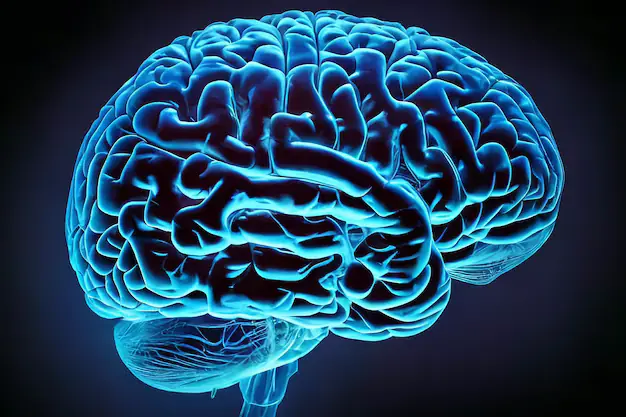
In conclusion, although our brains are hardwired to remember negative events more vividly, this evolutionary mechanism no longer always serves our well-being in the modern world. By understanding how negativity bias works and by intentionally cultivating habits that highlight positivity—such as journaling, mindfulness, and consistent affirmation—we can shift the emotional balance in our lives. With conscious effort, we can ensure that moments of kindness, encouragement, and achievement leave a lasting impression, ultimately fostering stronger mental health, healthier relationships, and more resilient communities.