These are the consequences of sleeping with the…
Health 11/07/2026 23:24
There is no known cure for psoriasis, but over-the-counter (OTC) and prescription-strength creams can relieve symptoms. The best options include steroid creams, scale softeners, anti-itch solutions, and more.1
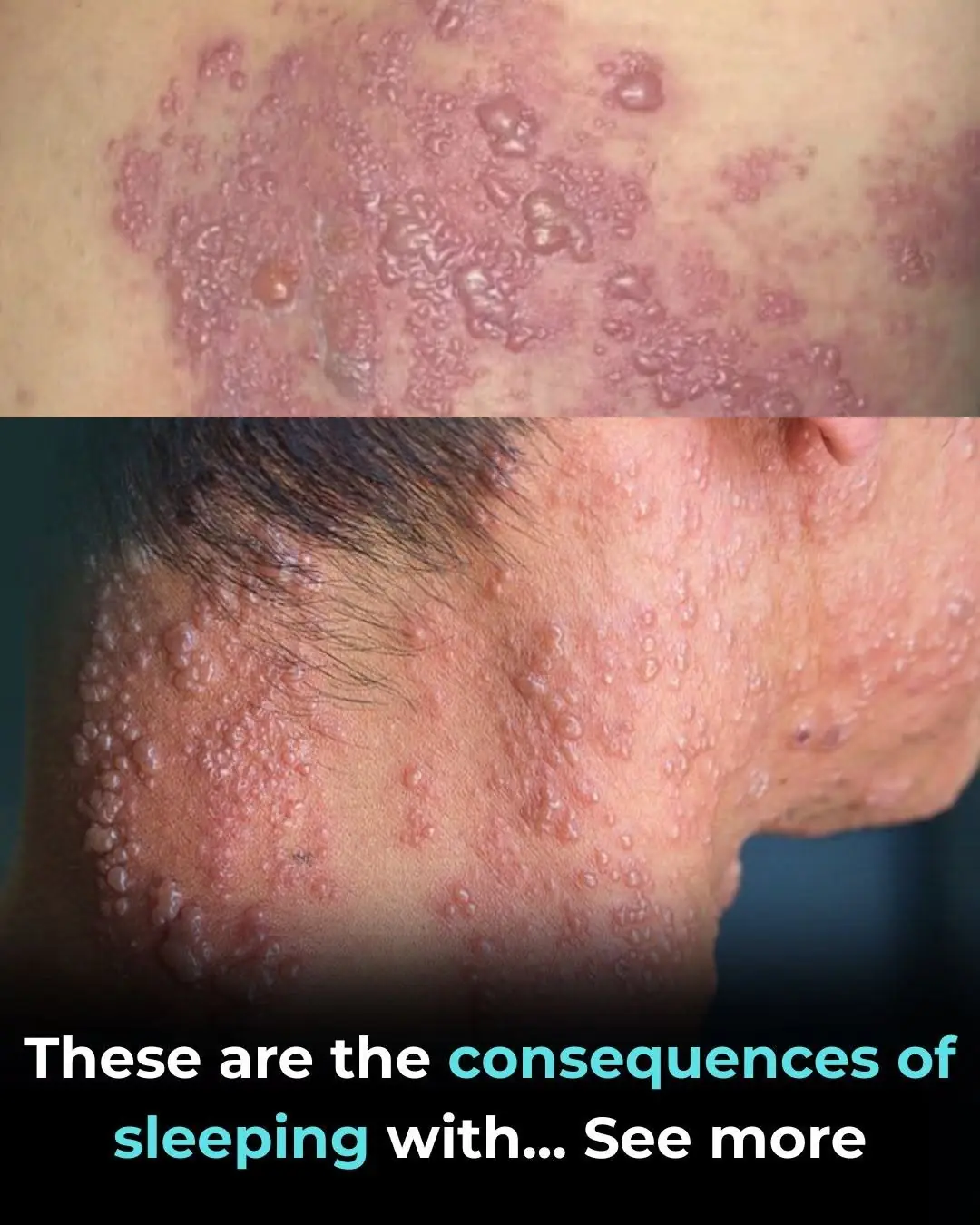
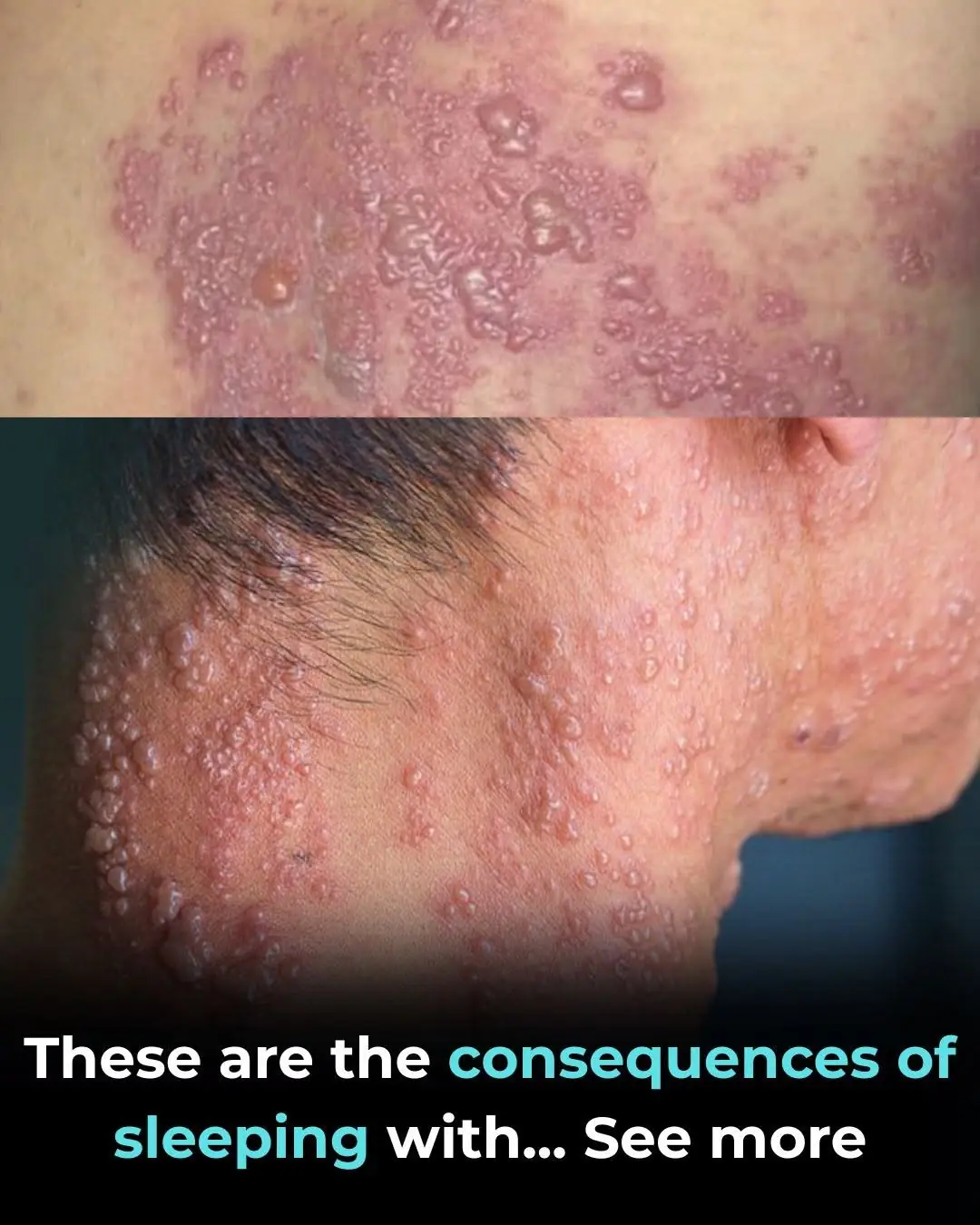
Psoriasis is a skin condition that causes skin to appear scaly and inflamed.2
For many people with mild psoriasis, dermatologists (doctors who specialize in skin, hair, and nail conditions) may suggest OTC creams.
These creams can reduce itching, protect the skin barrier, and exfoliate the skin.
Mild corticosteroids, like hydrocortisone cream, can be purchased without a prescription to help manage psoriasis symptoms.3
Hydrocortisone creams decrease inflammation, which can help reduce redness, swelling, and itching.45 These creams usually work well for a few patches of psoriasis, but larger patches will need prescription-strength steroids.6
You may experience a burning or stinging feeling when first applying a hydrocortisone cream.5
Scale softeners/lifters, also known as keratolytics, can help soften scales and remove the hardened outer layer of the skin.
Scale softeners contain ingredients like urea and salicylic, glycolic, and lactic acids.78 It is recommended that you take a warm, 15-minute bath before using a scale softener for the best results.1
Scale softeners can be harsh on skin, though. Using these creams more than necessary can also worsen psoriasis symptoms.19
Certain preparations of coal tar can be used to treat skin conditions like psoriasis, even in difficult-to-treat areas on the palms and soles of your feet.
Some people may see complete skin clearing with coal tar, but it is important to get a lotion with the right concentration of coal tar for you.
Coal tar has an unpleasant odor, may stain skin and clothing, and may cause skin irritation.10 Stop using it if you experience severe stinging, burning, or worsening psoriasis.11
Anti-itch creams containing ingredients like calamine, camphor, and menthol can help relieve itchiness.1
These products can irritate or dry your skin, which can, in turn, worsen psoriasis symptoms.12 Use a moisturizer when using an anti-itch cream.13
For moderate to severe psoriasis, a healthcare provider may recommend prescription-strength creams alone or in addition to other treatments.
Steroids come in different strengths and potencies. Prescription-strength steroids are a preferred treatment for moderate to severe psoriasis. They help reduce inflammation and prevent skin cells from overgrowing.14
Some steroid creams that may be prescribed for psoriasis include:14
The effectiveness of topical steroid creams tends to increase with strength, as do the side effects.4 Side effects of prescription-strength steroids include worsening acne, itching, stretch marks, thinning of the skin, and red or purple spots on the skin.14
Apply steroid creams only to the affected areas, and do not use them longer than three weeks without consulting a healthcare provider.15
Keratolytics are drugs that help remove excess skin. Prescription keratolytic cream can help slow skin growth and remove skin scales.167
These topical creams include Tazorac (tazarotene) and prescription-strength salicylic acid, sold under brand names like Salex and Keralyt.
Tazarotene can cause burning, itching, and skin redness, especially when used at high concentrations.1714
Prescription-strength salicylic acid also helps other psoriasis creams work better. Some side effects of salicylic cream include tooth pain, headache, dizziness, hearing problems, and vomiting.7
The FDA has approved calcineurin inhibitors like Protopic (tacrolimus) and Elidel (pimecrolimus) to treat dermatitis (eczema). Dermatologists may also prescribe these creams to manage psoriasis symptoms.18
Protopic and Elidel creams suppress the immune system and reduce inflammation by blocking calcineurin, a protein that contributes to inflammation.1920
You can safely apply calcineurin inhibitors to affected areas twice daily and may see results within 1-4 weeks.1817
Side effects include burning, tingling, and worsened itching, but these effects often improve with continued use.1418
Vitamin D analogs, such as Dovonex (calcipotriene) and Vectical (calcitriol), treat mild to moderate psoriasis in people 18 years or older.21
These creams slow down the growth of rapidly dividing cells and support skin repair.10 Dermatologists may prescribe vitamin D analogs to flatten thick psoriasis and remove scales.1422
Vitamin D analogs are generally safe, but some people experience burning, peeling, itchiness, and dryness.22
Zoryve is a cream version of the drug roflumilast. It is approved to treat psoriasis in people older than 6. It works by blocking a molecule called phosphodiesterase-4 (PDE4), which plays a role in inflammation.2324
Zoryve is steroid-free and can treat psoriasis in sensitive areas like the face and where the skin folds together, such as the underarms, buttocks, and beneath the breasts.25
Side effects include diarrhea, headache, and increased blood pressure.10
Vtama is applied to the affected area once a day in a thin layer.26
Vtama acts as an aryl hydrocarbon receptor (AHR) agonist, meaning it sticks to and activates AHR, a protein that regulates immune response. When AHR is activated, your inflammatory response decreases.
Common side effects include folliculitis (inflamed hair follicles) and the common cold. Another potential side effect of Vtama is irritant contact dermatitis. This is when skin becomes red, sore, or inflamed after coming in direct contact with an irritating substance.26
Avoid using products containing the following ingredients if you have psoriasis, as they may further irritate your skin:27
If psoriasis creams do not provide any symptom improvement, or if the affected area is too large to use creams, ask a doctor about alternative treatments.28
Depending on the severity of your case, a dermatologist may recommend an oral medication to be used alone or with topical creams.29
Some prescription oral medications to manage psoriasis include Rheumatrex (methotrexate), Otezla (apremilast), Soriatane (acitretin), and Sotyktu (deucravacitinib).14
Your provider may also recommend biologics like Remicade (infliximab), Humira (adalimumab), Cosentyx (secukinumab), and Tremfya (guselkumab) for more severe cases of psoriasis.30
Another option is ultraviolet B (UVB), also known as narrowband phototherapy. This treatment is usually prescribed for children, pregnant or breastfeeding people, or those with a weakened immune system.3132
American Academy of Dermatology Association. Psoriasis treatment: Phototherapy.