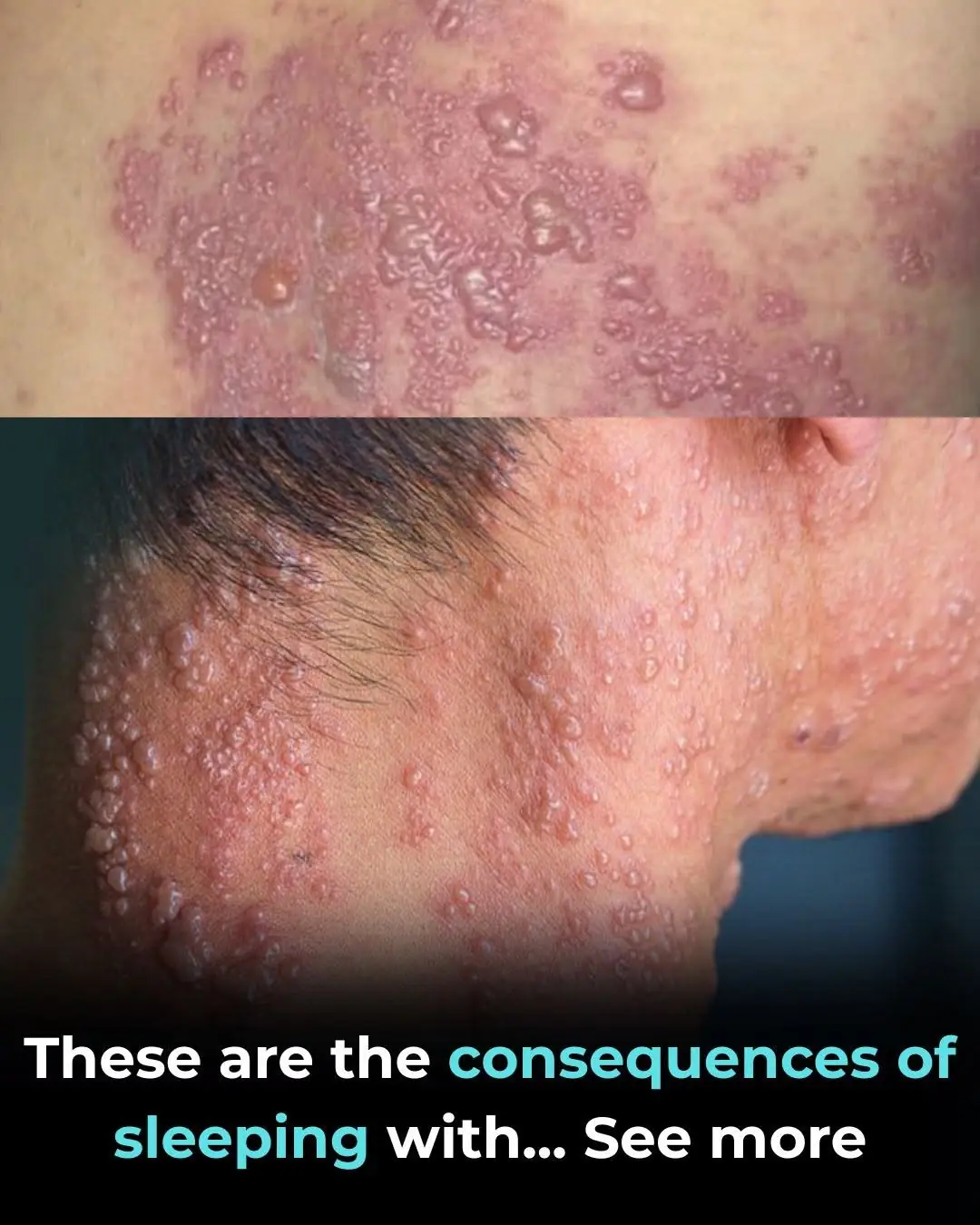
These are the consequences of sleeping with the…
Health 11/07/2026 23:24
Your nails can reveal clues about your overall health, but changes in their appearance aren't always cause for concern. Things like yellowing, ridges, or brittleness are often related to aging or everyday wear and tear. In some cases, however, they may be linked to underlying health conditions.
:max_bytes(150000):strip_icc():format(webp)/GettyImages-1350400186-623ee667f6f6431d9f1f66b679c91017.jpg)
Deepak Verma / Getty Images
The appearance of yellow nails can happen naturally as you get older, but aging is not the only cause. Other possible factors include:
:max_bytes(150000):strip_icc():format(webp)/GettyImages-2235724580-dbaf3cc2d09041eaac0d699e50c01692.jpg)
Alena Ivochkina / Getty Images
About 20% of people experience brittle nails,4 and the reasons why run the gamut.
Debra Jaliman, MD, a New York-based dermatologist and author of "Skin Rules," attributes them to things like:
Speak with a healthcare provider if brittle nails are an ongoing, unexplained problem. Conditions like psoriasis, eczema, and hypothyroidism also cause brittle nails.56
:max_bytes(150000):strip_icc():format(webp)/GettyImages-596786140-f33656029cc247afb020468ad7af21a2.jpg)
Toa55 / Getty Images
White spots on nails, called leukonychia, are extremely common and almost always harmless.7 While there's a commonly-held notion that white spots are indicative of a calcium deficiency, that's not the case; they're usually the result of minor trauma or bumps to the area where your nail grows.7
Deep, horizontal ridges or grooves, also known as Beau's lines, happen when nail growth is temporarily interrupted. There are several reasons this can occur:8
:max_bytes(150000):strip_icc():format(webp)/GettyImages-151033003-b29d215afae547c0ae2cbd6552a28146.jpg)
BSIP / Contributor / Getty Images
You might have nail pitting if you notice small, shallow dents on the surface of your nails.10
The cause is usually a type of inflammatory skin condition, including:
:max_bytes(150000):strip_icc():format(webp)/Health-DermNetNZ-Finger-clubbing-360b34c70ac74df5b2bb7389024ddbf0.jpg)
Reproduced with permission from © DermNet and © Raimo Suhonen dermnetnz.org.
Nail clubbing is much less common than issues like yellowing nails or pitting.
"Clubbing of the nails is when the ends of your fingers swell and the nail becomes curved and rounded," Anthony said. The nail becomes convex and curves downward over the fingertip, creating a bulbous appearance.
When it develops, clubbing is usually associated with an underlying medical condition—80% of cases are associated with diseases of the lung and chest area, like:12
Another 5% are linked to gastrointestinal conditions such as inflammatory bowel disease (IBD).12
Contact a healthcare provider as soon as possible to determine the cause of this nail condition. While it may be a harmless genetic trait you inherited, an underlying cause is more likely.
"Spoon" nails, also called koilonychia, are nails that become unusually thin and curve inward, creating a shallow depression that can sometimes hold a drop of water.12 While this nail shape can occasionally result from repeated trauma or certain skin conditions, it's most often linked to an underlying health issue.
"The most common cause is iron deficiency anemia," said Jaliman.
Less commonly, spoon nails may be associated with conditions such as hypothyroidism or autoimmune diseases.13 If you notice your nails becoming spoon-shaped and don't know why, it's a good idea to see a healthcare provider, who can check for iron deficiency and other possible causes.
Most dark streaks or black discoloration under a nail aren't serious. A bruise from stubbing your toe or slamming your finger in a door (called a subungual hematoma) is a common cause and will usually grow out with the nail over time.
However, you should see a dermatologist if you notice a new dark brown or black stripe that doesn't appear to be related to an injury, especially if it affects just one nail, gets wider or darker over time, extends onto the surrounding skin, or is paired with a persistent, painful growth. These changes can be a sign of subungual melanoma, a type of skin cancer.14
American Academy of Dermatology Association. How to check your nails for melanoma.