These are the consequences of sleeping with the…
Health 11/07/2026 23:24
Endoscopy uses a thin, flexible, lighted tube with a camera (endoscope) to examine inside your body. Doctors may use it to diagnose and treat various conditions.
Endoscopy helps investigate, confirm, and treat many symptoms and conditions, such as:1
Doctors might insert other instruments through the endoscope to:1
An upper endoscopy is an examination of the upper gut. It's often referred to as an endoscopy. However, this is only one of many endoscopy types performed by different doctors.
Other types include:
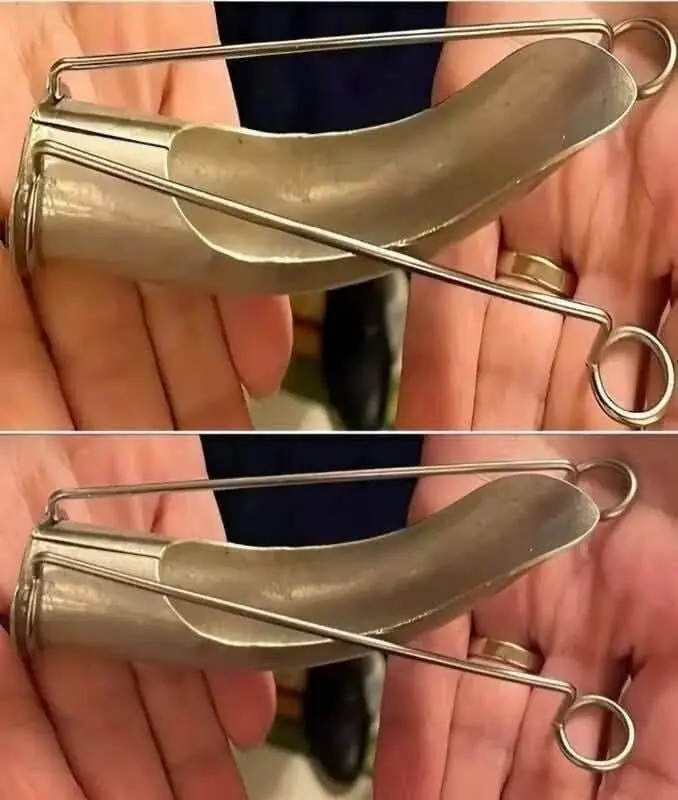
Anoscopy: A family physician often uses this procedure to check the anus and lowest part of the large intestine (rectum). It helps diagnose:2
A doctor might recommend an anoscopy for symptoms like blood in your stool, itching or painful lumps around your anus, or painful bowel movements.2
Arthroscopy: Orthopaedic surgeons specialize in bones, joints, ligaments, tendons, and muscles. They perform arthroscopies to examine inflammation and treat acute or chronic (long-term) injuries, including tendon or ligament tears and carpal tunnel syndrome (a group of conditions caused by nerve compression in the wrist).3
Bronchoscopy: Thoracic surgeons, who specialize in chest organs like the lungs and heart, use this procedure to examine the airways and lungs. It is an important procedure for managing and diagnosing lung diseases and respiratory disorders.4
Capsule endoscopy: This procedure is also used to examine the small intestine. A doctor will give you a capsule with a small camera inside. The capsule takes images of your gut lining as it passes through your gut over 1-2 days. Capsule endoscopy is most often used to examine gastrointestinal bleeding.5
Colonoscopy: Gastroenterologists use this procedure to examine the lining of the colon and rectum. It is a common test that screens for colorectal cancer in people over the age of 45. It can also stop bleeding or diagnose conditions like IBS.6
Cytoscopy: Urologic surgeons, who specialize in urinary tract organs, use this test to examine the urethra, bladder, prostate, and other nearby structures. It might be used for conditions like:7
Enteroscopy: A gastroenterologist performs this procedure to examine the entire small intestine. In contrast, an upper endoscopy only looks at the upper portion. An enteroscopy is commonly used to diagnose small intestine conditions—for example, if you have abnormal x-ray results or tumors, or unexplained diarrhea or gastrointestinal bleeding.8
Laparoscopy: Many types of medical specialists including general surgeons and gynecologists (medical doctors who specialize in female reproductive health) use laparoscopy to view the inside of your body and take biopsies without a large incision. It's usually used to diagnose the cause of symptoms in the abdomen or pelvis (area between your hips), including pain and difficulty getting pregnant.9
Mediastinoscopy: Thoracic surgeons use this procedure to examine the space between the lungs and breastbone, called the mediastinum. It's most commonly used to diagnose lung cancer.10
Thoracoscopy: Thoracoscopy includes pleuroscopy, which views the chest cavity, and surgical thoracoscopy, also known as video-assisted thoracoscopic surgery (VATS). VATS is performed by a thoracic surgeon. Thoracoscopy is used to manage and treat heart and lung conditions.11
Upper endoscopy: This is also known as esophagogastroduodenoscopy, EGD, or endoscopy. Gastroenterologists use this test to look at the lining of the upper gut for bleeding, tumors, or other signs of disease. The upper gut includes the esophagus, stomach, and upper part of the small intestine (duodenum).12
All endoscopy procedures involve inserting a thin, flexible tube into the body through either a small cut or a natural opening like your mouth or anus. The tube has a light and camera on one end.
Talk with a doctor before your procedure for more information on what to expect for your particular procedure.
You will complete a questionnaire and a waiver before the endoscopy. The pre-questionnaire helps identify any potential risks that would prevent you from having the procedure.
You might need to change into a medical gown for the procedure.1 The medical staff may check your blood pressure, oxygen levels, and pulse before the endoscopy. You will likely receive pain medication and a sedative or anesthesia, depending on the procedure.1
A sedative is a medication that causes sleepiness and helps you relax. Conscious sedation causes drowsiness and forgetfulness, and deep sedation puts you into a deeper sleep mode.13
Most people are given a sedative unless they are considered a very high-risk person or are pregnant.14 Talk with a doctor and the procedural team about the best option for you.
If you receive anesthesia, the anesthesiologist will ask you about any medical conditions. This information can help determine the type of anesthesia and the amount to use.14
An endoscopy procedure usually takes about 15-30 minutes, plus prep time. The procedure can be as brief as 5-10 minutes.14
You will likely lie on an examination table during the procedure. The medical staff may instruct you on how to position yourself. For example, you will likely lie on your left side during an upper endoscopy.14
The anesthesiologist (a medical doctor who specializes in drugs used for pain management and sedation) will administer the anesthesia via an intravenous (IV) line in a vein, likely in your arm.14
The medical doctor or surgeon will insert the endoscope into your body—for example, into your esophagus or anus. For procedures like thoracoscopy or laparoscopy, the surgeon will make a small incision to insert the endoscope.
They may insert other instruments through the endoscope during the procedure. These tools deliver medications, treat bleeding, remove polyps or tumors, and collect tissue for biopsy.
You may have some pain or discomfort during the procedure, especially if you do not have anesthesia or deep sedation.1
You may feel pain or discomfort after the procedure. For example, you might have a sore throat, bloating, or nausea. The staff will likely monitor you for about 1-2 hours as the sedative or anesthesia wears off.12
Most endoscopies do not require an overnight hospital stay. You will need to pre-arrange a ride home if you had a sedative or anesthesia. The medical staff may also provide instructions for post-endoscopy care. You will likely be advised to rest at home that day.1
Other post-procedure instructions will vary depending on the endoscopy type. For example, you will need to wear a chest tube for 1-2 days after a thoracoscopy.11
Endoscopies are relatively safe procedures, but there are some potential risks and side effects. The risks depend on the type of endoscopy.
Possible risks include:
Some symptoms following endoscopy require immediate medical attention, such as:41512
Preparation depends on the type of endoscopy. For example, an anoscopy does not require any preparation. A colonoscopy requires a particular diet and laxatives. Speak with a doctor about how to prepare for your procedure and follow their instructions.
You will need to consider the following:6121
Check with your insurance provider to see whether the endoscopy is covered. Some procedures, like a colonoscopy, may only be covered if they are used to screen for cancer.17
You may receive results immediately after the procedure. A pathologist (a medical doctor who specializes in examining body tissues and fluids) will review any samples taken. It might take several days to get the results of a biopsy.12
You may receive your results via in-office appointment, mobile app, or over the phone, depending on the reasons for the endoscopy and the results.
The doctor or surgeon will tell you if they find abnormalities after the procedure.
Endoscopy results might be: