A Chocolate Compound May Help the Brain Reclaim Its Youth
News 14/12/2025 22:06
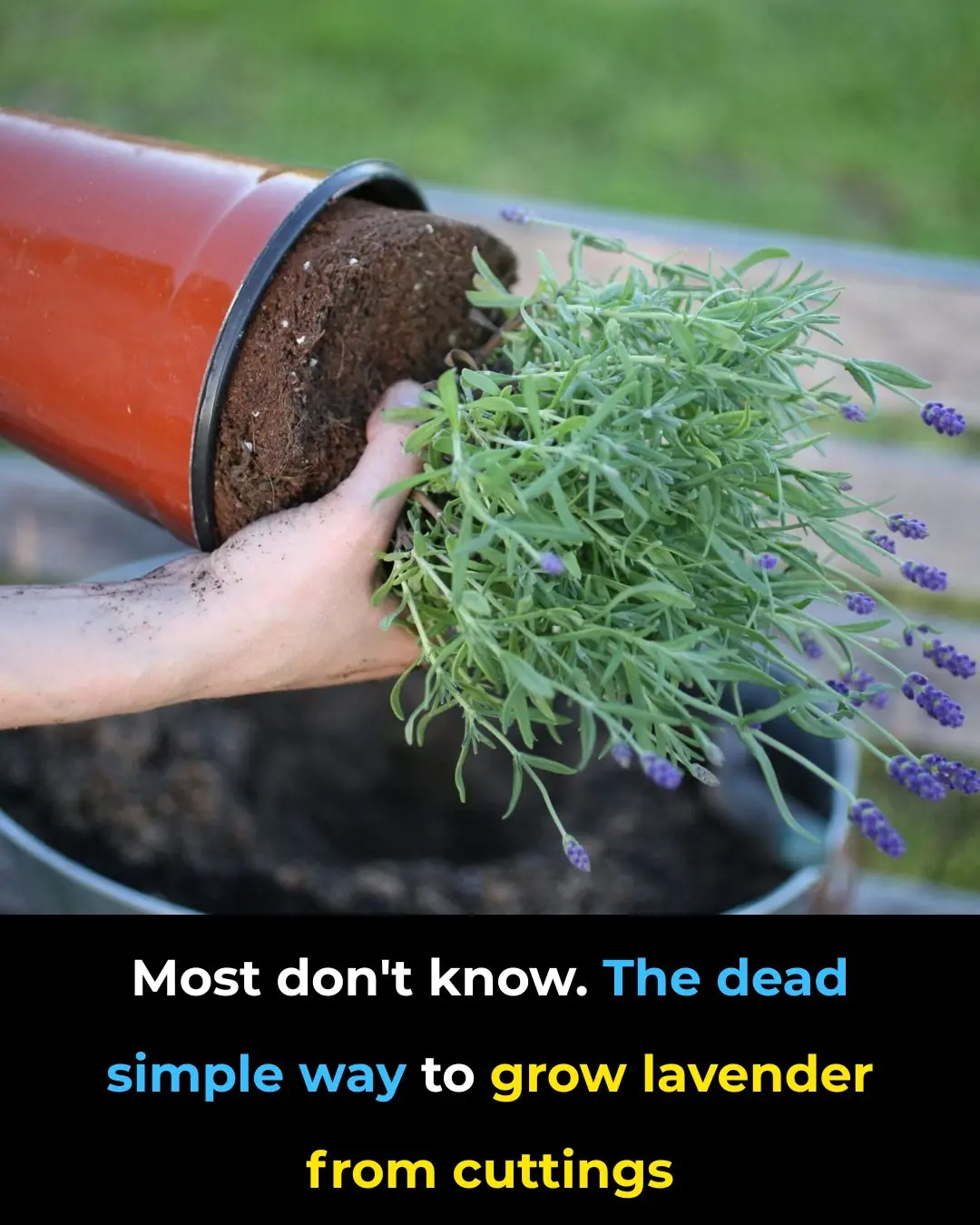
Lavender is one of the most beloved plants in home gardens thanks to its calming fragrance, silvery foliage, and low-maintenance nature. It’s drought-tolerant, thrives in full sun, and prefers dry, well-drained soil. However, despite its hardy reputation, lavender is surprisingly picky about its neighbors.
Planting the wrong companions nearby can lead to poor growth, root rot, pest issues, or even the slow decline of your lavender plants. If you want your lavender to thrive year after year, here are 10 plants you should never plant near lavender—and why.
Lavender originates from the Mediterranean, where it grows in dry, sunny environments with excellent drainage. It prefers slightly alkaline soil and does not tolerate excess moisture. Too much water, shade, or rich soil can quickly stress the plant and cause disease.
Because of this, lavender does best when surrounded by plants with similar needs, not ones that demand frequent watering or acidic soil.
Mint is one of the worst companions for lavender. It spreads aggressively through underground runners and thrives in moist, nutrient-rich soil. Not only will mint compete for space and nutrients, but the frequent watering it needs can quickly lead to root rot in lavender.
While lavender and roses are often planted together for aesthetic reasons, they are not ideal companions. Roses require more water and richer soil than lavender. This difference in care can stress lavender and make it more vulnerable to disease, especially fungal issues.
Basil loves moisture, fertile soil, and regular watering—everything lavender dislikes. When planted together, basil’s needs often dictate watering schedules that leave lavender sitting in damp soil, which can stunt growth and damage roots.
Camellias prefer acidic soil and partial shade, which directly conflicts with lavender’s need for alkaline soil and full sun. Planting them together often results in nutrient imbalances and poor growth for both plants.
Peonies require richer soil and more consistent moisture than lavender. While peonies are beautiful, their watering needs can easily overwhelm lavender, leading to soggy soil conditions and reduced airflow around the plant.
Hydrangeas thrive in moist, acidic soil and often prefer partial shade. Lavender, on the other hand, needs dry conditions and plenty of sunlight. Planting these two together almost guarantees that one of them will suffer—usually the lavender.
Fuchsias prefer cool temperatures, shade, and frequent watering. These conditions are completely unsuitable for lavender, which thrives in heat and sun. The moisture-loving nature of fuchsias can quickly create an environment where lavender struggles to survive.
Hostas are shade-loving plants that require consistently moist soil. Lavender will not tolerate these conditions. Planting them near each other often leads to weak lavender growth and increased risk of fungal disease.
Azaleas need acidic soil and regular watering, making them incompatible with lavender’s dry, alkaline preferences. When planted together, lavender often shows signs of stress such as yellowing leaves and reduced flowering.
Like azaleas, rhododendrons thrive in acidic, moisture-retentive soil and partial shade. These conditions are the opposite of what lavender needs and can quickly lead to declining plant health if planted nearby.
Instead of moisture-loving plants, choose companions that share lavender’s preferences. Great options include:
Rosemary
Thyme
Sage
Oregano
Echinacea
These plants thrive in similar conditions and help create a low-maintenance, drought-tolerant garden.
Lavender may look easygoing, but choosing the wrong neighbors can seriously affect its health. By avoiding plants with conflicting water, soil, and sunlight needs, you give your lavender the best chance to flourish.
A little planning goes a long way—and your garden will thank you with healthier plants, stronger fragrance, and more blooms year after year.