A Chocolate Compound May Help the Brain Reclaim Its Youth
News 14/12/2025 22:06
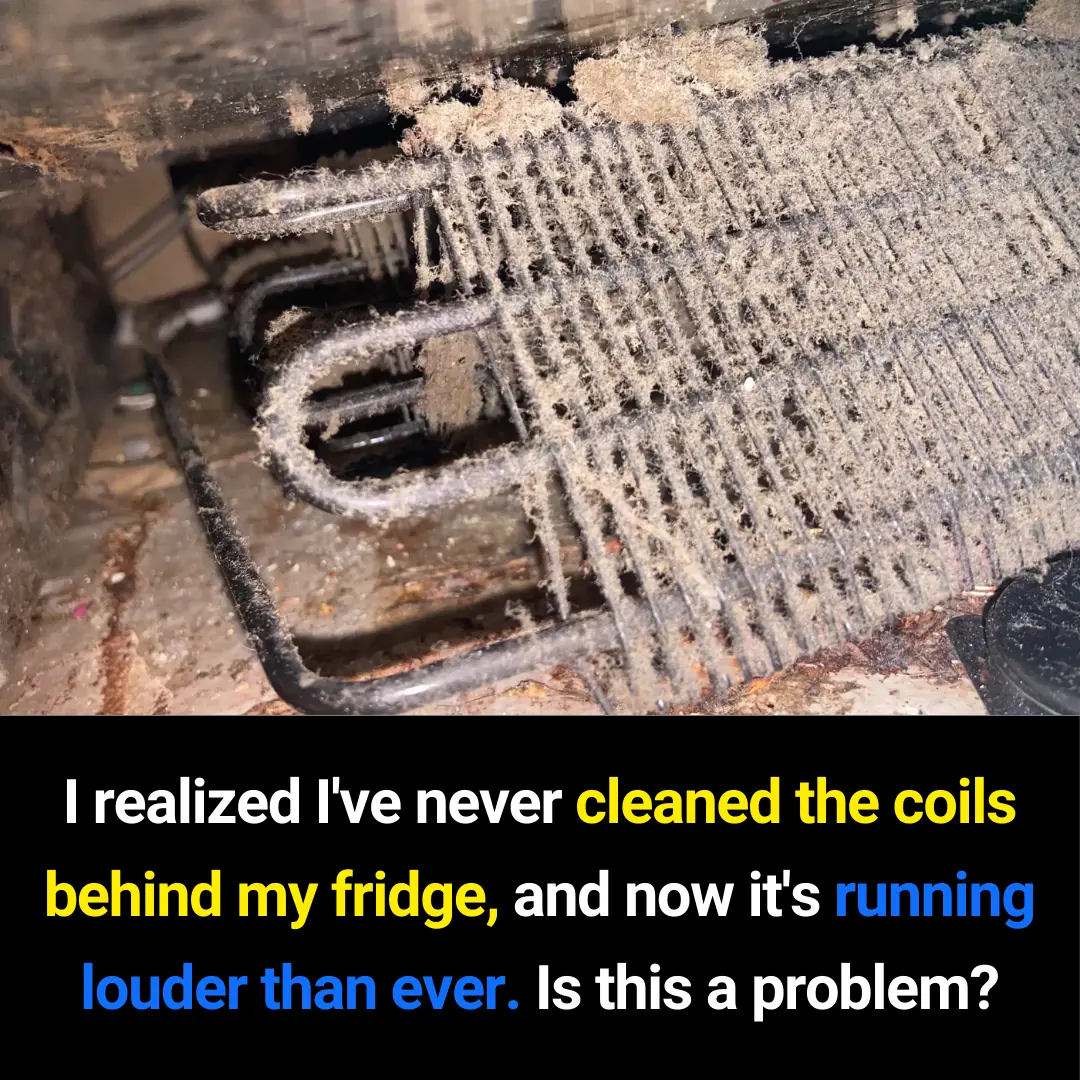
Many of us take the steady hum of our refrigerator for granted. As long as the food stays cold, we rarely think about what’s happening behind the scenes. But when that hum suddenly turns into a loud roar, it can be both surprising and concerning. A noisy refrigerator is more than just a nuisance—it can signal that your appliance is struggling to operate efficiently.
One maintenance task that’s frequently overlooked, yet extremely important, is cleaning the condenser coils behind or beneath a refrigerator. These coils are essential for heat dissipation, and when they are clogged with dust and debris, they can cause your fridge to run louder, less efficiently, and even wear out faster over time. In this article, we’ll explore what’s happening, why dirty coils matter, and how you can fix the problem with simple steps backed by expert recommendations.
Under normal conditions, a refrigerator emits a gentle humming sound as the compressor and fans cycle on and off to maintain cool temperatures. Most refrigerators operate within a noise range of about 32–47 decibels (dB), similar to a quiet conversation or background music. However, when that sound level rises noticeably—sometimes above 55 dB—it can indicate that internal components are working harder than they should.
This type of increased noise often happens when airflow around the condenser coils is restricted, forcing the compressor and fan motors to operate at higher power. When that occurs, the fridge doesn’t just become louder—it also becomes less efficient, consumes more energy, and could signal an underlying issue needing attention. Refrigerator Solve
To understand the problem, it helps to know the refrigeration process. A refrigerator uses a refrigerant that cycles through the system to absorb heat from inside the unit and release it outside. This cycle depends on the compressor to circulate refrigerant through a network of coils.
There are two key types of coils:
Evaporator Coils (inside the fridge) absorb heat, cooling the interior.
Condenser Coils (at the back or bottom) release that heat into the room.
This exchange of heat is essential. When the condenser coils are blocked by dust, pet hair, and other debris, they can’t release heat effectively, and the system becomes stressed. Appliance Update
The condenser coils act like the radiator of your fridge, allowing heat collected from the interior to escape into the surrounding air. However, dust and other debris act like an insulating blanket, trapping heat and reducing the coil’s ability to perform this task efficiently. This forces the compressor to run longer and harder to maintain the desired cool temperature, which leads to:
Increased noise
Higher energy consumption
Shorter appliance lifespan
Possible premature failure of components
Experts agree that dirty coils can increase energy use by up to 30–35% compared with clean coils—a significant inefficiency for an appliance that runs continuously throughout the year. Regular cleaning is simple, cost-effective, and helps prolong the life of your fridge. Refrigerator Solve+1
Aside from unusual noise, there are other clear signals that your condenser coils might need attention:
The fridge feels warm to the touch on the exterior.
Longer compressor run times or inconsistent cycling.
Rising electricity bills without any change in usage habits.
Food not staying as cold as expected.
Visible dust and debris on the coils when inspected.
If any of these symptoms appear alongside the noise, dirty coils are a likely culprit. commongoodventures.org
While a louder fridge is rarely a direct safety concern, ignoring the problem can lead to more serious issues. An overworked compressor not only consumes more energy but can also wear out faster, leading to costly repairs or full replacement. In rare cases, accumulated heat and electrical strain could even increase the risk of component overheating. Regular maintenance, including cleaning, helps prevent these issues before they escalate.
Although dirty condenser coils are common, they are not the only reason for a noisy fridge. If you clean the coils and the noise persists, other mechanical problems—such as worn fan motors, failing compressors, or loose internal parts—might be responsible. In such cases, consulting a professional technician for diagnosis is wise.
Thankfully, cleaning your fridge coils doesn’t require special skills. Here’s a step-by-step guide:
Unplug the Refrigerator to avoid electrical hazards.
Locate the Condenser Coils — usually at the back or beneath a kickplate.
Use a Vacuum Cleaner with Brush Attachment to remove loose dust and debris.
Gently Brush Away Stubborn Dirt using a coil brush or soft bristle tool.
Wipe with a Damp Cloth if Needed, and let everything dry thoroughly before plugging the fridge back in.
Repeat this Cleaning Every 6–12 Months, or more frequently if you have pets or a dusty home. Appliance Update+1
There’s no one-size-fits-all schedule, but many appliance experts recommend:
Every 6–12 months for most homes.
Every 3–6 months if you have pets that shed hair.
More often in dusty environments or areas with heavy debris accumulation.
Keeping up with this maintenance can significantly improve efficiency and reduce long-term operating costs. Appliance Update+1
If cleaning the coils doesn’t solve the noise and performance issues, it may be time to contact a qualified technician. Professionals can inspect components like compressors, fan motors, and refrigerant systems that are beyond basic cleaning.
Additionally, if your fridge is older and increasingly problematic, investing in a newer, more energy-efficient model could save you money over time through lower energy bills and fewer repairs.
Refrigerator noise is common, but when it becomes louder than usual, don’t ignore it. Dirty condenser coils are a frequent and often overlooked cause of increased noise, energy waste, and decreased performance. Regular cleaning, proper maintenance, and occasional professional inspections can keep your fridge running quietly, efficiently, and reliably for years to come.
References (Reliable Sources):
Refrigeratorsolve: benefits and energy savings from cleaning fridge coils. Refrigerator Solve
HomeAlliance: how dirty coils increase energy consumption and maintenance tips. homealliance.com
Common Good Ventures: signs and effects of dirty coils on refrigerator performance. commongoodventures.org
ApplianceUpdate: recommended coil cleaning tools and frequency.