Woman Ate Eggs at Every Meal for Five Months—A Routine Checkup Revealed a Surprising Blood Test Result
Health 03/07/2026 23:46
As we grow older, our bodies undergo many natural changes. Bones gradually lose density, muscle mass decreases, metabolism slows, and the body's ability to absorb certain nutrients becomes less efficient. While a balanced diet remains the foundation of good health, some vitamins become especially important during the aging process.
It's important to understand that not every older adult needs vitamin supplements. Many people can meet their nutritional needs through a healthy diet, while others may benefit from supplementation due to dietary restrictions, certain medical conditions, or reduced nutrient absorption. Before starting any supplement, it's always best to consult a healthcare professional.
Here are four vitamins that play important roles in supporting bone, brain, and immune health as we age.
Several age-related changes can affect nutrient levels, including:
Reduced absorption of certain vitamins
Changes in appetite
Chronic medical conditions
Medication interactions
Less time spent outdoors
Reduced muscle mass
Changes in digestive function
These factors can increase the risk of vitamin deficiencies in some older adults.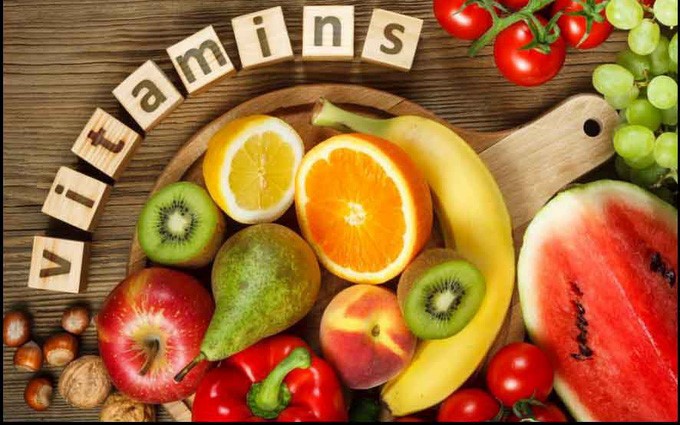
Vitamin D is often called the "sunshine vitamin" because the body produces it when the skin is exposed to sunlight.
As people age, however, the skin becomes less efficient at producing vitamin D, and many older adults spend less time outdoors.
Vitamin D helps the body:
Absorb calcium
Maintain strong bones
Support muscle strength
Promote normal immune function
Support nerve function
Low vitamin D levels have been associated with:
Osteoporosis
Increased fracture risk
Muscle weakness
Falls in older adults
Good dietary sources include:
Fatty fish (salmon, sardines, mackerel)
Egg yolks
Fortified milk
Fortified plant-based beverages
Fortified breakfast cereals
Some people may require supplements if blood tests show low vitamin D levels.
Vitamin B12 plays a crucial role in maintaining healthy nerve cells and producing red blood cells.
As people age, stomach acid production often decreases, making it more difficult to absorb vitamin B12 from food.
Vitamin B12 supports:
Brain function
Memory
Nerve health
Red blood cell formation
DNA production
Vitamin B12 deficiency may contribute to:
Fatigue
Weakness
Numbness or tingling
Difficulty walking
Memory problems
Confusion
Because these symptoms may develop gradually, deficiencies sometimes go unnoticed.
Vitamin B12 is naturally found in:
Fish
Meat
Poultry
Eggs
Milk
Cheese
Fortified breakfast cereals
Vegetarians and vegans may need fortified foods or supplements to meet their needs.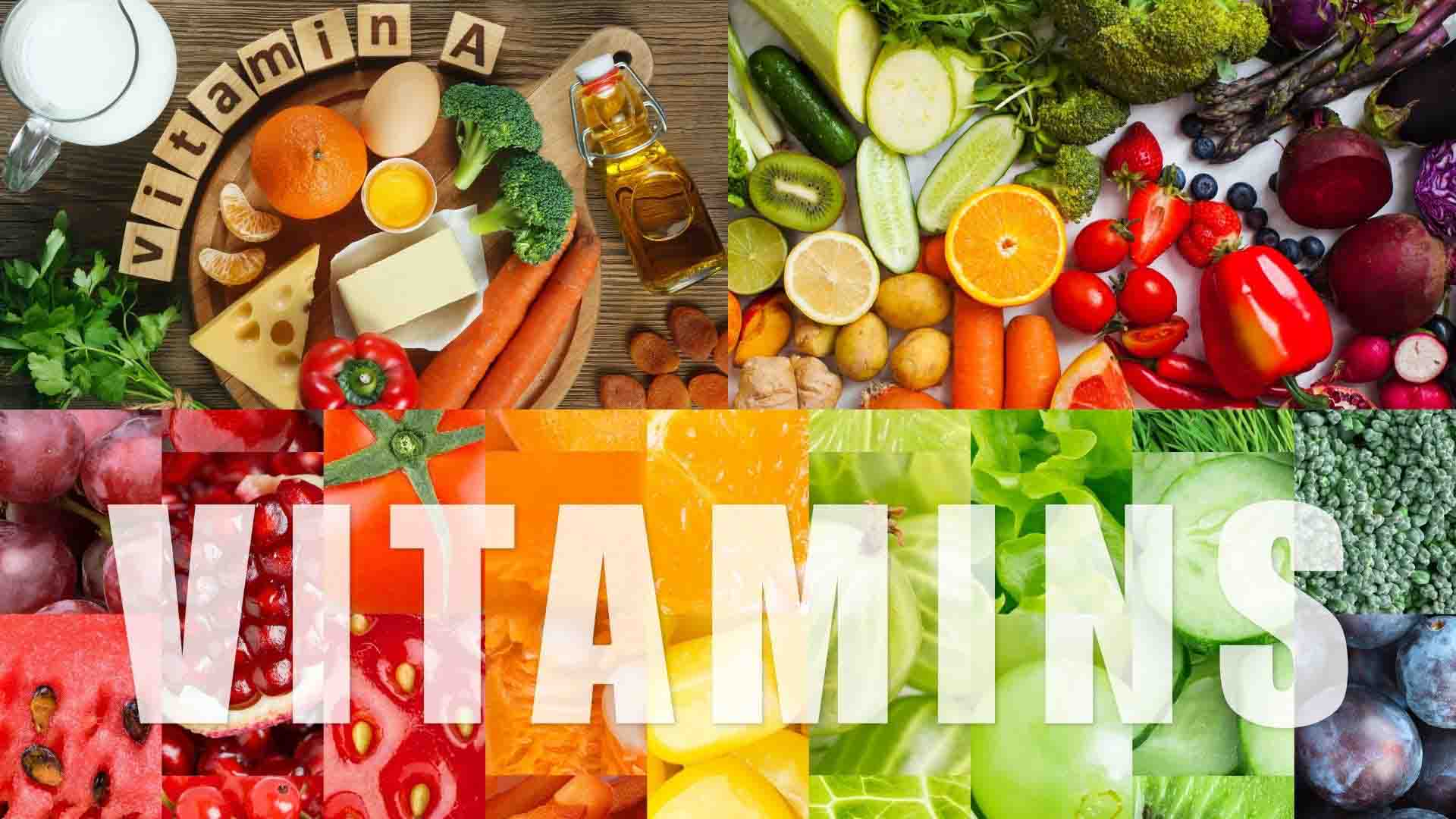
Vitamin C is a powerful antioxidant that helps protect cells from oxidative stress.
It also supports collagen production, which is essential for healthy skin, blood vessels, bones, and connective tissues.
Vitamin C helps:
Support immune function
Promote wound healing
Improve iron absorption
Protect cells from free radical damage
Maintain healthy skin
While vitamin C cannot prevent all illnesses, getting enough is important for overall health.
Excellent sources include:
Oranges
Strawberries
Kiwi
Bell peppers
Broccoli
Tomatoes
Brussels sprouts
Eating a variety of fruits and vegetables usually provides adequate vitamin C.
Vitamin B6 is involved in hundreds of chemical reactions throughout the body.
Although severe deficiency is uncommon, adequate intake remains important throughout older adulthood.
Vitamin B6 supports:
Brain development and function
Neurotransmitter production
Immune function
Protein metabolism
Red blood cell production
Together with vitamins B12 and folate, vitamin B6 helps regulate levels of homocysteine, an amino acid associated with cardiovascular health.
Vitamin B6 can be found in:
Chicken
Turkey
Fish
Potatoes
Bananas
Chickpeas
Fortified cereals
Most healthy adults can obtain sufficient vitamin B6 through a varied diet.
Although calcium is a mineral—not a vitamin—it deserves mention because it works closely with vitamin D.
Together they help maintain:
Bone strength
Normal muscle function
Healthy nerve signaling
Good calcium sources include:
Dairy products
Fortified plant milks
Tofu made with calcium
Sardines with bones
Leafy green vegetables
Some individuals may need supplements if dietary intake is insufficient.
Yes.
More is not always better.
Excessive intake of certain vitamins—especially through supplements—can be harmful.
For example:
Too much vitamin D may raise blood calcium levels.
Excess vitamin B6 from supplements may damage nerves.
Very high doses of vitamin C may cause digestive upset or increase the risk of kidney stones in susceptible individuals.
Always follow your healthcare provider's recommendations and avoid taking high-dose supplements unless medically indicated.
Not necessarily.
Many older adults obtain enough vitamins through a balanced diet.
However, supplements may be appropriate for some individuals, including those who:
Have limited diets
Have digestive disorders affecting absorption
Have osteoporosis
Follow vegetarian or vegan diets
Have confirmed vitamin deficiencies
Take medications that interfere with nutrient absorption
Blood tests can help determine whether supplementation is necessary.
Vitamins are only one part of healthy aging.
Other important habits include:
Focus on:
Fruits
Vegetables
Whole grains
Lean proteins
Healthy fats
Dairy or fortified alternatives
Regular exercise supports:
Muscle strength
Bone density
Balance
Heart health
Brain function
Aim for 7–9 hours of quality sleep each night.
Maintaining social connections may support emotional well-being and cognitive health.
Routine medical care allows deficiencies and chronic conditions to be identified early.
False.
Vitamin needs vary based on diet, health conditions, medications, and laboratory results.
Taking excessive amounts provides no additional benefit and may even be harmful.
Whole foods provide fiber, healthy fats, minerals, and plant compounds that supplements cannot fully replace.
A balanced diet should remain the primary source of nutrients whenever possible.
Speak with your healthcare provider if you experience:
Persistent fatigue
Memory changes
Muscle weakness
Frequent falls
Unexplained numbness or tingling
Poor appetite
Difficulty maintaining a balanced diet
Your provider may recommend blood tests to evaluate for possible vitamin deficiencies.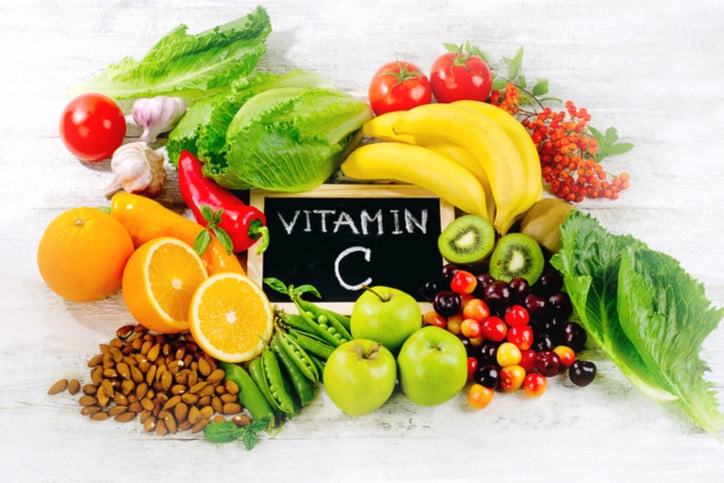
Healthy aging depends on many factors, and good nutrition is one of the most important. Vitamins D, B12, C, and B6 all play valuable roles in supporting bone strength, brain function, immune health, and overall well-being. While some older adults may benefit from supplements, many can meet their nutritional needs through a varied, balanced diet rich in fruits, vegetables, whole grains, lean proteins, and fortified foods.
Rather than taking supplements "just in case," the best approach is to focus on healthy eating, regular physical activity, and routine medical care. If you are concerned about your vitamin levels or have symptoms that could suggest a deficiency, consult a healthcare professional for personalized advice and appropriate testing.