In recent years, the growing number of stroke cases among young adults has become a serious public health concern. Although stroke is often associated with older individuals, medical data shows that it increasingly affects people under the age of 45. Recognizing the warning signs early can make the difference between recovery and long-term disability—or even death.
Several factors contribute to stroke risk in younger populations. These include unhealthy lifestyle habits such as poor diet, physical inactivity, smoking, excessive alcohol consumption, and chronic stress. Recreational drug use, particularly stimulants like cocaine and methamphetamine, has also been linked to higher stroke risk. Additionally, hormonal contraceptives containing estrogen may slightly increase the likelihood of clot formation, particularly in women who smoke or have other risk factors. The rising prevalence of hypertension, obesity, and type 2 diabetes among younger adults further compounds the issue.
According to the American Heart Association, stroke incidence among young adults has increased by approximately 40 percent in recent years. Currently, an estimated 10–15 percent of all strokes occur in individuals between the ages of 18 and 45. This shift highlights the urgent need for greater awareness and preventive strategies targeted at younger demographics.

Dr. Khurram Nasir, chief of the division of cardiovascular prevention and wellness at the Houston Methodist DeBakey Heart and Vascular Center in Texas, has emphasized the importance of early recognition. He explains that although medical advancements have significantly improved emergency stroke treatment, these benefits depend heavily on how quickly patients seek care. Time-sensitive treatments such as clot-dissolving medications are most effective when administered within the first few hours after symptoms begin.
A stroke occurs when blood flow to the brain is blocked (ischemic stroke) or when a blood vessel in the brain ruptures (hemorrhagic stroke). Without adequate oxygen and nutrients, brain cells begin to die within minutes. This can result in permanent neurological damage, affecting speech, movement, memory, and cognitive function. Globally, stroke remains one of the leading causes of long-term disability.
Common Stroke Symptoms in Young Adults
-
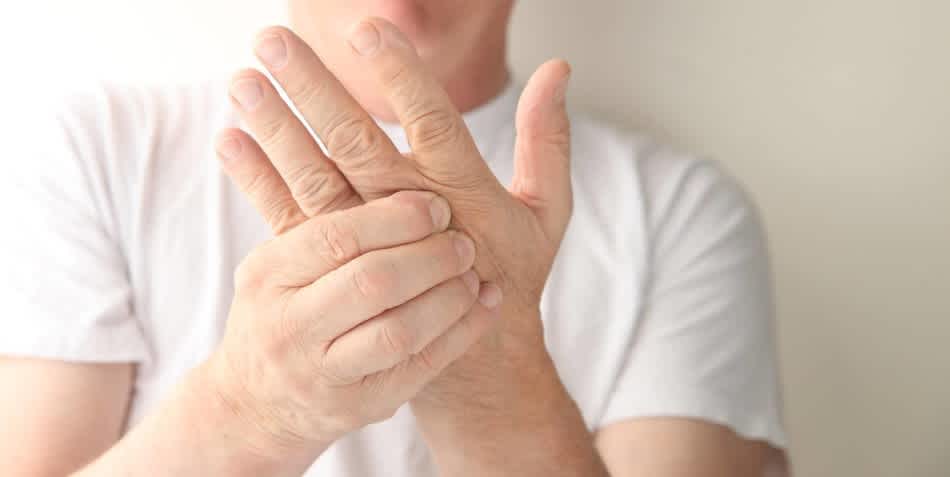
Sudden weakness or numbness on one side of the body
Weakness, numbness, or tingling—particularly affecting the face, arm, or leg on one side—may indicate a blocked artery or bleeding in the brain. -
Difficulty speaking or understanding speech
Slurred speech, confusion, or trouble forming coherent sentences is a classic warning sign. A person may know what they want to say but be unable to articulate it properly. -
Sudden, severe headache
An abrupt and intense headache, especially one described as the “worst headache ever,” may signal a hemorrhagic stroke. -
Dizziness or loss of balance
Difficulty walking, lack of coordination, or sudden imbalance can point to involvement of the cerebellum, the brain region responsible for movement and posture. -
Vision problems
Blurred vision, double vision, temporary loss of vision in one eye, or sensitivity to light may also indicate a stroke.
Health professionals often use the acronym FAST to help people remember key warning signs:
-
Face drooping
-
Arm weakness
-
Speech difficulty
-
Time to call emergency services
If you or someone around you experiences any of these symptoms—even if they appear mild or temporary—seek immediate medical attention. Acting quickly can significantly reduce the risk of permanent brain damage and improve the chances of recovery.
Stroke is not just a condition of old age. Greater awareness, healthier lifestyle choices, and rapid response to warning signs are essential steps in protecting young adults from its devastating impact.