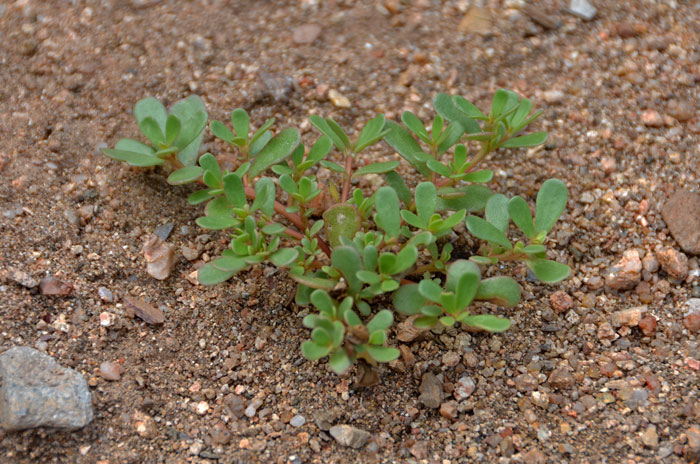
Purslane (Portulaca oleracea) is often dismissed as a stubborn garden weed, yet it is truly one of nature’s most underrated superfoods. Beneath its small, fleshy leaves lies an impressive concentration of nutrients that rival many cultivated vegetables—and even some animal-based foods. With its crisp texture and mildly tangy, lemony-salty flavor, purslane brings both nourishment and culinary creativity to the table.
If you’re not already growing this resilient plant, here are seven compelling reasons to give it a place in your garden—and on your plate.
1. A Remarkable Source of Omega-3 Fatty Acids
Purslane stands out as one of the richest plant-based sources of omega-3 fatty acids, particularly alpha-linolenic acid (ALA). In fact, it contains higher levels of omega-3s than many common leafy greens and even rivals certain meats and fish.
Omega-3 fatty acids are essential for:
For vegetarians and vegans seeking non-animal sources of healthy fats, purslane offers a simple, whole-food solution that fits seamlessly into a plant-based lifestyle.
2. Packed with Essential Vitamins and Minerals
Purslane is dense with micronutrients that support overall wellness. It provides significant amounts of:
-
Vitamin A – supports vision, immune function, and healthy skin
-
Vitamin C – strengthens immunity and combats oxidative stress
-
Vitamin E – protects cells from damage
-
Magnesium & Potassium – help regulate blood pressure and muscle function
-
Calcium & Iron – contribute to bone strength and healthy blood
Compared to many common vegetables, purslane delivers an impressive nutrient profile per serving, making it a highly efficient way to nourish your body.
3. Promotes Heart Health Naturally
Thanks to its omega-3 content, potassium levels, and antioxidant compounds, purslane is particularly beneficial for cardiovascular wellness.
It may help:
-
Lower LDL (“bad”) cholesterol
-
Support healthy HDL (“good”) cholesterol levels
-
Maintain balanced blood pressure
-
Reduce oxidative stress linked to heart disease
How to enjoy it: Toss fresh purslane into salads, blend it into smoothies, or stir it into soups for an easy heart-friendly boost.
4. Supports Healthy Weight Management and Digestion
Low in calories yet rich in fiber and water content, purslane is an excellent addition to weight-conscious meals. Its fiber helps promote satiety, reducing overeating and unnecessary snacking.
Additionally, its slightly mucilaginous (gel-like) texture can:
Serving idea: Add it to green smoothies, light summer bowls, or sauté it gently with vegetables for a satisfying but low-calorie dish.
5. A Powerful Antioxidant Ally
Purslane contains an array of antioxidants, including:
-
Beta-carotene
-
Glutathione
-
Melatonin
-
Betalains
These compounds help neutralize free radicals, protect cells from premature aging, and support the body’s natural defense systems. The presence of melatonin is especially unique among vegetables and may contribute to cellular protection and healthy sleep cycles.
To maximize antioxidant benefits, enjoy purslane fresh and minimally processed.
6. Exceptionally Easy and Sustainable to Grow
One of purslane’s greatest strengths is its resilience. It thrives in poor soil, tolerates heat, and requires minimal water, making it ideal for drought-prone regions and sustainable gardening practices.
Once established, it grows quickly and abundantly, often producing multiple harvests throughout the season.
Gardening tip: Grow purslane from seeds or cuttings. It adapts well to containers, raised beds, and even small urban balconies—making it accessible to almost anyone interested in home gardening.
7. Deliciously Versatile in the Kitchen
Unlike many leafy greens that wilt easily or taste bitter, purslane offers a crisp bite and a refreshing flavor with subtle citrus notes.
You can enjoy it in many ways:
-
Raw: Mix into salads, wraps, or sandwiches for added crunch
-
Cooked: Stir into soups, stews, stir-fries, or omelets
-
Pickled or fermented: Create a probiotic-rich side dish
-
Blended: Add to sauces, pestos, or green juices
Simple recipe idea: Sauté purslane lightly with garlic, olive oil, and a squeeze of lemon juice for a quick, nutrient-dense side dish.
A Small Plant with Big Benefits
Purslane is far more than a weed—it’s a resilient, sustainable superfood packed with essential nutrients and remarkable health-supporting properties. Whether your goal is to strengthen your heart, improve digestion, increase antioxidant intake, or diversify your plant-based meals, this humble green deserves a second look.
By welcoming purslane into your garden and kitchen, you’re not just growing a plant—you’re cultivating a powerful ally for long-term wellness. 🌿