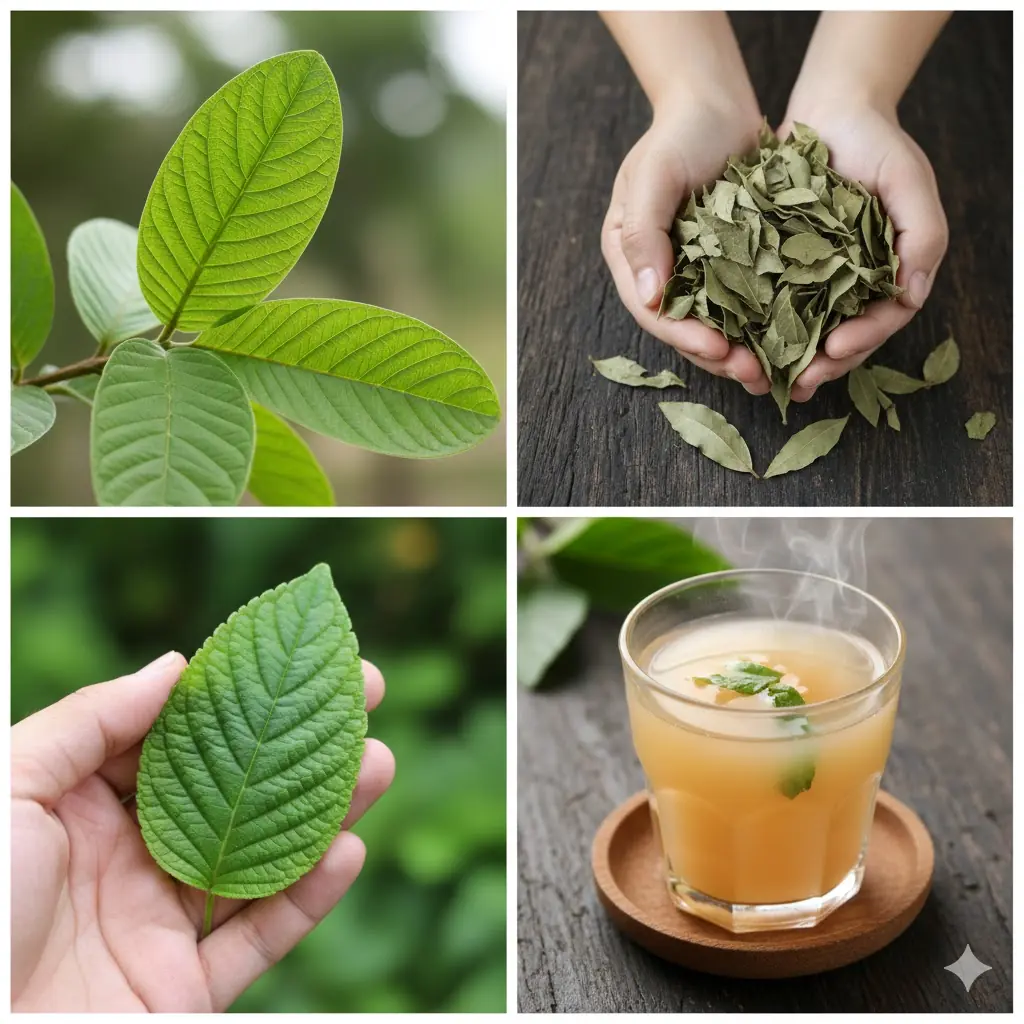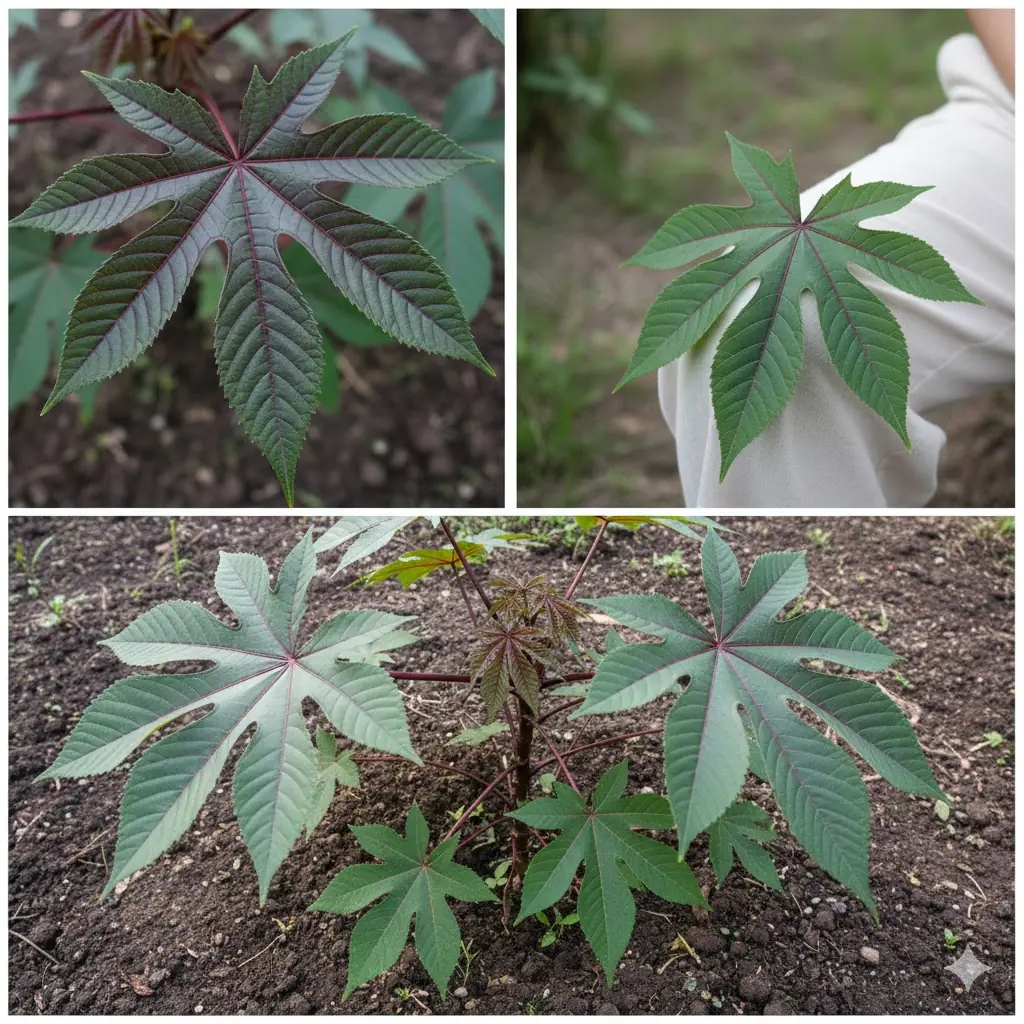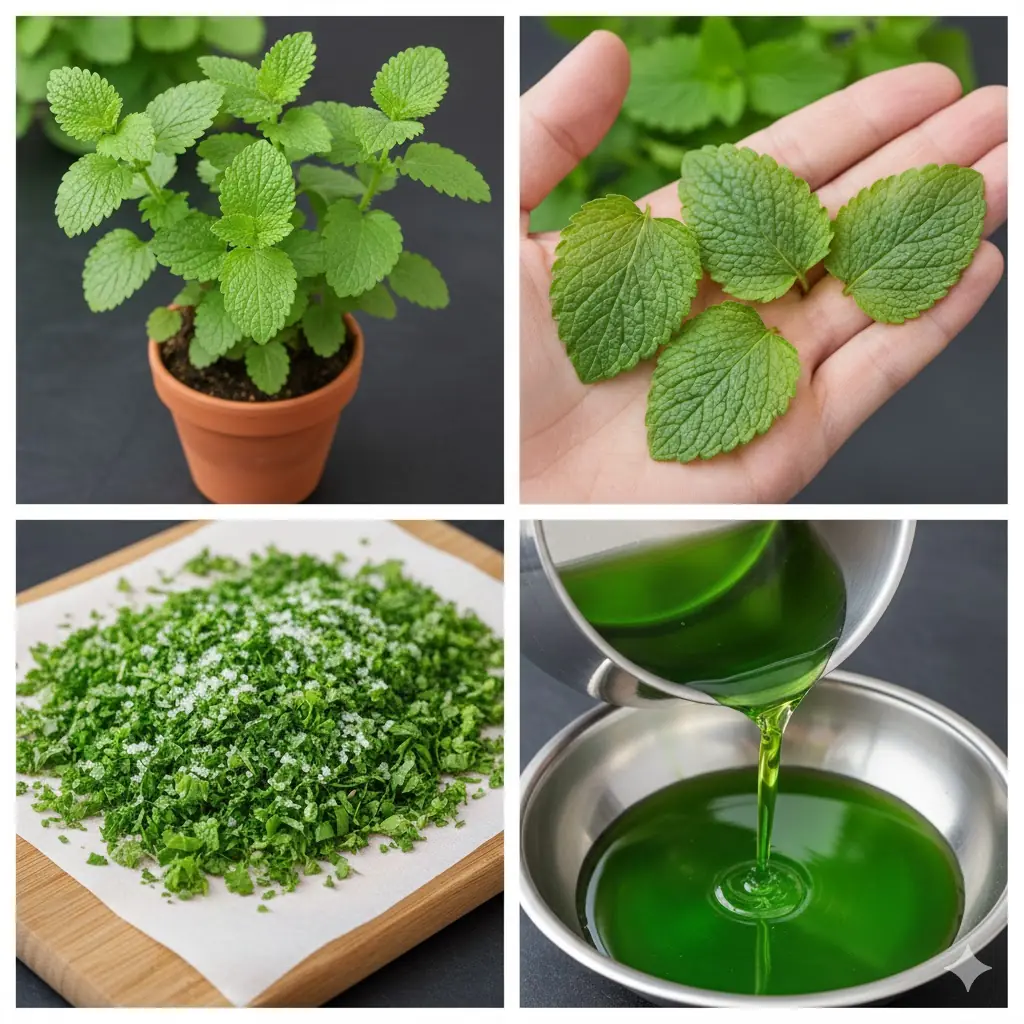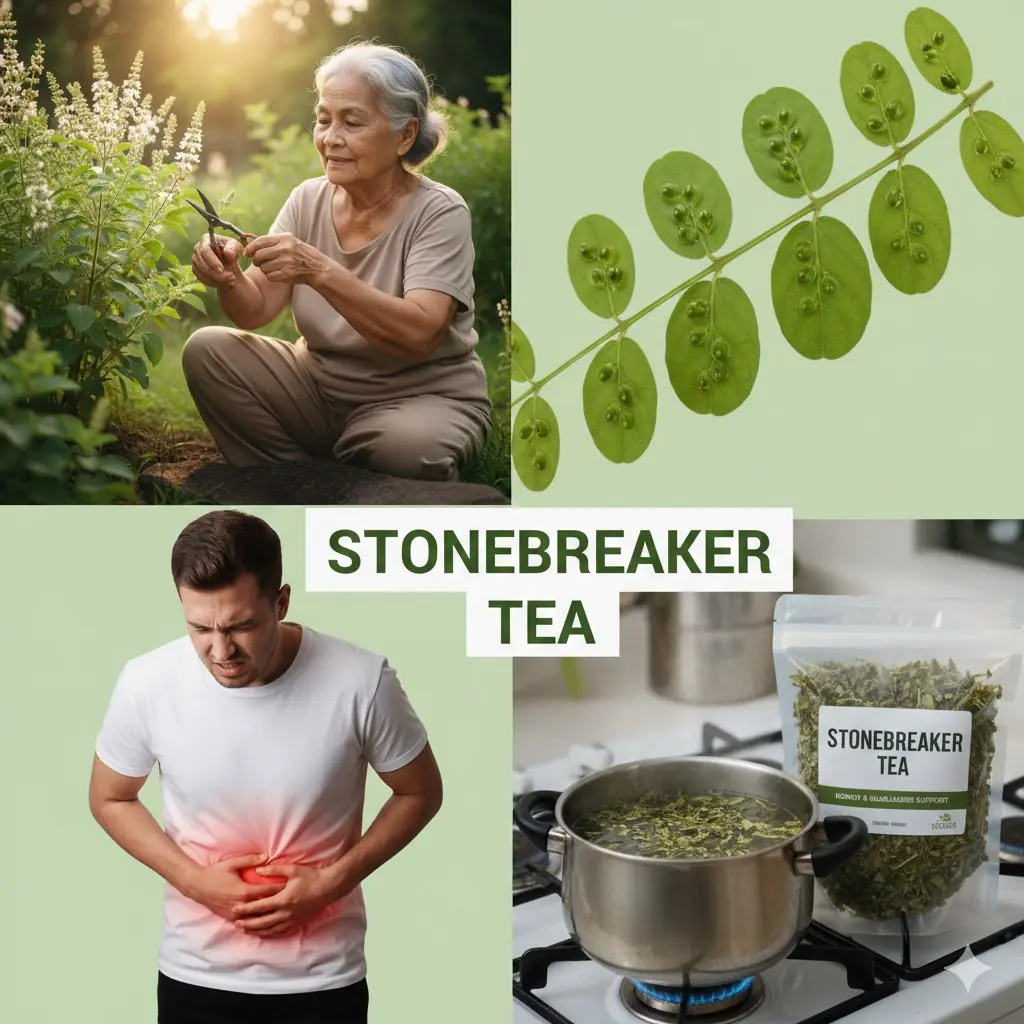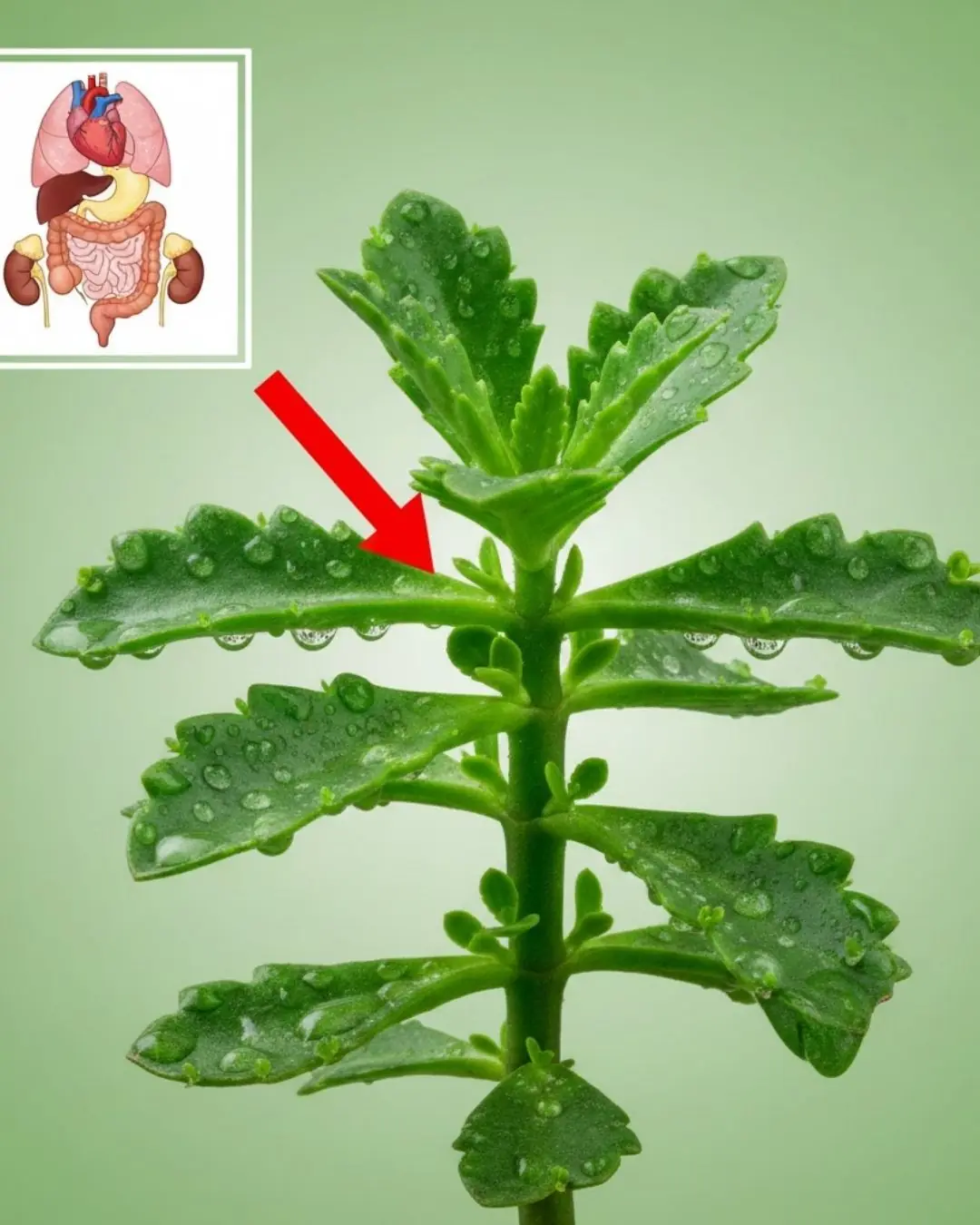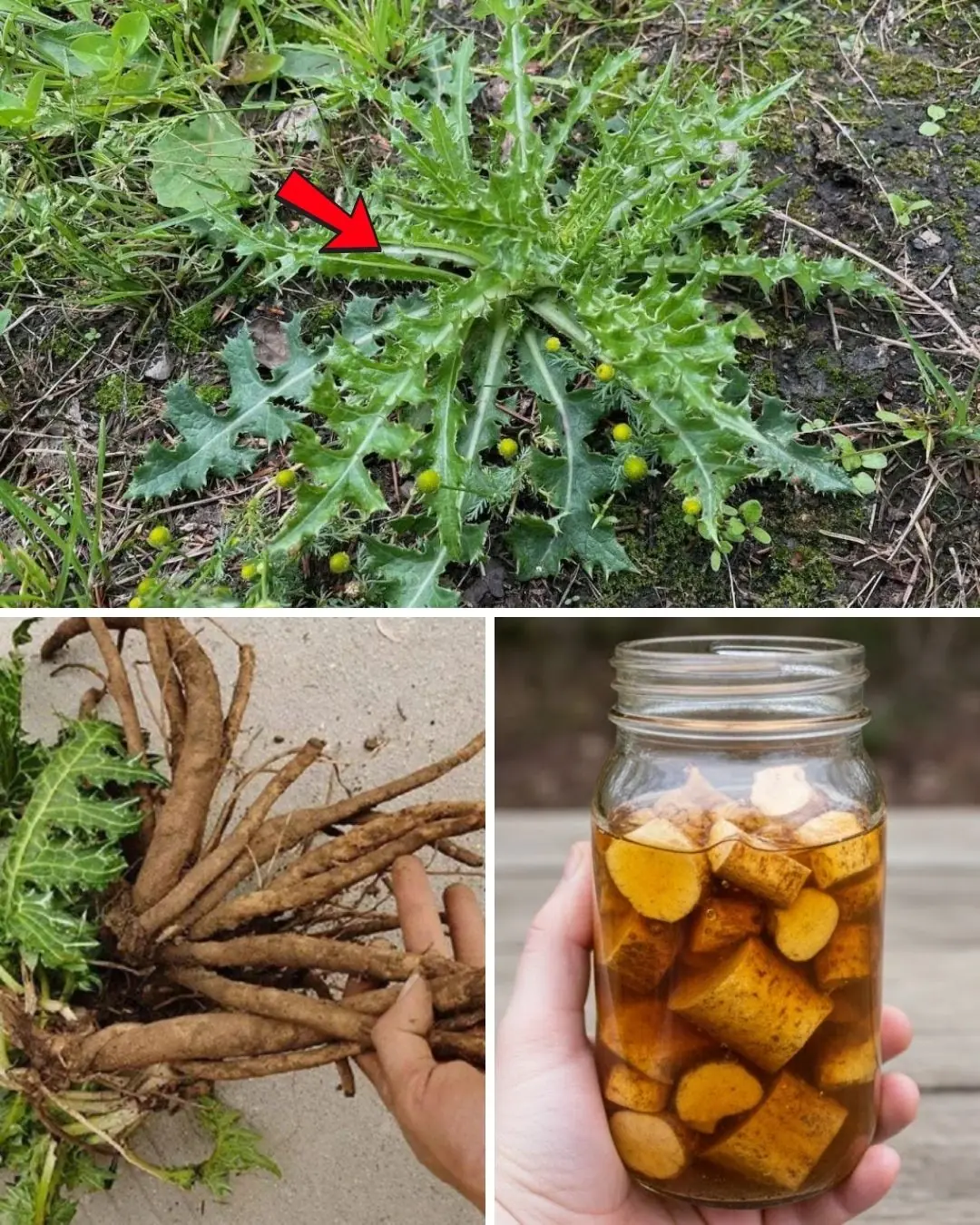
Wood sorrel (Oxalis spp.) is a small but remarkable herbaceous plant that grows abundantly across forests, lawns, gardens, and meadows in many regions of the world. Frequently mistaken for clover because of its trifoliate leaf pattern, wood sorrel can be distinguished by its delicate, heart-shaped leaflets and charming five-petaled flowers, which are often yellow, white, or pale pink. Though modest in appearance, this resilient plant offers an impressive range of nutritional, medicinal, culinary, and ecological benefits. Let’s explore why wood sorrel deserves far more appreciation than it typically receives.
Nutritional Benefits
Rich in Vitamin C
Wood sorrel is naturally high in vitamin C, an essential nutrient that supports immune function, collagen production, and overall vitality. Historically, plants rich in vitamin C were valued for preventing scurvy, a condition caused by deficiency of this crucial vitamin. Adding a few fresh leaves to salads or simply nibbling them while foraging can provide a refreshing boost of this immune-supporting nutrient.
Powerful Antioxidant Compounds
This plant contains flavonoids and other antioxidant compounds that help neutralize free radicals in the body. By reducing oxidative stress, antioxidants may contribute to long-term cellular health and support the body’s natural defense systems. Regular inclusion of antioxidant-rich plants in the diet is associated with a lower risk of chronic conditions linked to inflammation and aging.
Valuable Mineral Content
Wood sorrel also provides important minerals such as potassium, calcium, and magnesium. These minerals play essential roles in nerve signaling, muscle contraction, heart rhythm regulation, and bone strength. Even though it is typically consumed in small amounts, wood sorrel can complement a balanced, mineral-rich diet.
Medicinal Uses
Gentle Digestive Support
Traditionally, wood sorrel has been used to stimulate appetite and ease mild digestive discomfort. Its pleasantly tart flavor can encourage digestive secretions, supporting smoother digestion. The plant also has a mild diuretic effect, which may assist the body in eliminating excess fluids and metabolic waste.
Anti-Inflammatory and Fever-Reducing Properties
Wood sorrel has been valued in folk medicine for its anti-inflammatory and antipyretic (fever-reducing) qualities. A simple infusion made from its leaves has been used to help soothe minor inflammatory conditions and mild fevers. While it should not replace professional medical care, it has historically served as a gentle, plant-based remedy for everyday ailments.
Topical Applications for Minor Wounds
Crushed fresh leaves have traditionally been applied to small cuts, scrapes, or skin irritations. Thanks to its natural antimicrobial properties, wood sorrel may help keep minor wounds clean while supporting the skin’s natural healing process. Its cooling sensation can also provide mild soothing relief.
Note: Wood sorrel contains oxalic acid, which gives it its characteristic tangy flavor. While safe in moderate culinary amounts for most people, excessive consumption should be avoided, especially by individuals prone to kidney stones or certain mineral imbalances.
Culinary Uses
Bright Addition to Salads
The fresh leaves of wood sorrel offer a crisp texture and a lemony, tangy taste that enlivens salads. They blend beautifully with mixed greens, cucumbers, tomatoes, and mild cheeses. A small handful can instantly brighten the flavor profile of raw vegetable dishes.
Refreshing Herbal Tea
Wood sorrel can be brewed into a light, refreshing tea. Simply steep fresh or dried leaves in hot water for several minutes. The result is a pleasantly tart infusion that can be enjoyed warm or chilled. A touch of honey can balance its natural acidity for those who prefer a sweeter taste.
Flavorful Culinary Herb
In the kitchen, wood sorrel can be used similarly to herbs like parsley or basil. It adds brightness to soups, sauces, omelets, and stews. The leaves can be blended into pesto, stirred into yogurt-based dips, or sprinkled over finished dishes as a vibrant garnish. Its citrus-like flavor makes it especially appealing in spring and summer recipes.
Gardening and Environmental Benefits
Effective Ground Cover
Wood sorrel spreads easily and forms a dense mat, making it useful as a living ground cover. Its growth habit helps reduce soil erosion and suppress competing weeds. In naturalized gardens, it can create a soft, green carpet that requires minimal maintenance.
Supporting Pollinators
The delicate flowers of wood sorrel attract bees, butterflies, and other beneficial pollinators. By providing nectar and pollen, the plant contributes to biodiversity and helps sustain healthy pollinator populations—an essential component of thriving ecosystems.
Soil Indicator Plant
Wood sorrel is often considered an indicator species. It tends to flourish in slightly acidic soils, so its abundance can provide clues about soil pH levels. Gardeners who notice large patches of wood sorrel may wish to test and adjust soil conditions depending on what they plan to cultivate.
A Humble Plant with Remarkable Potential
Though sometimes dismissed as a simple weed, wood sorrel is anything but ordinary. From its vitamin-rich leaves and traditional medicinal applications to its refreshing culinary uses and ecological value, this modest plant offers a surprising array of benefits. Whether you encounter it during a woodland walk or choose to cultivate it intentionally in your garden, wood sorrel can become a valuable addition to both your natural wellness routine and your landscape.
By embracing plants like wood sorrel, we reconnect with traditional knowledge, seasonal eating, and a deeper appreciation for the quiet abundance growing all around us.