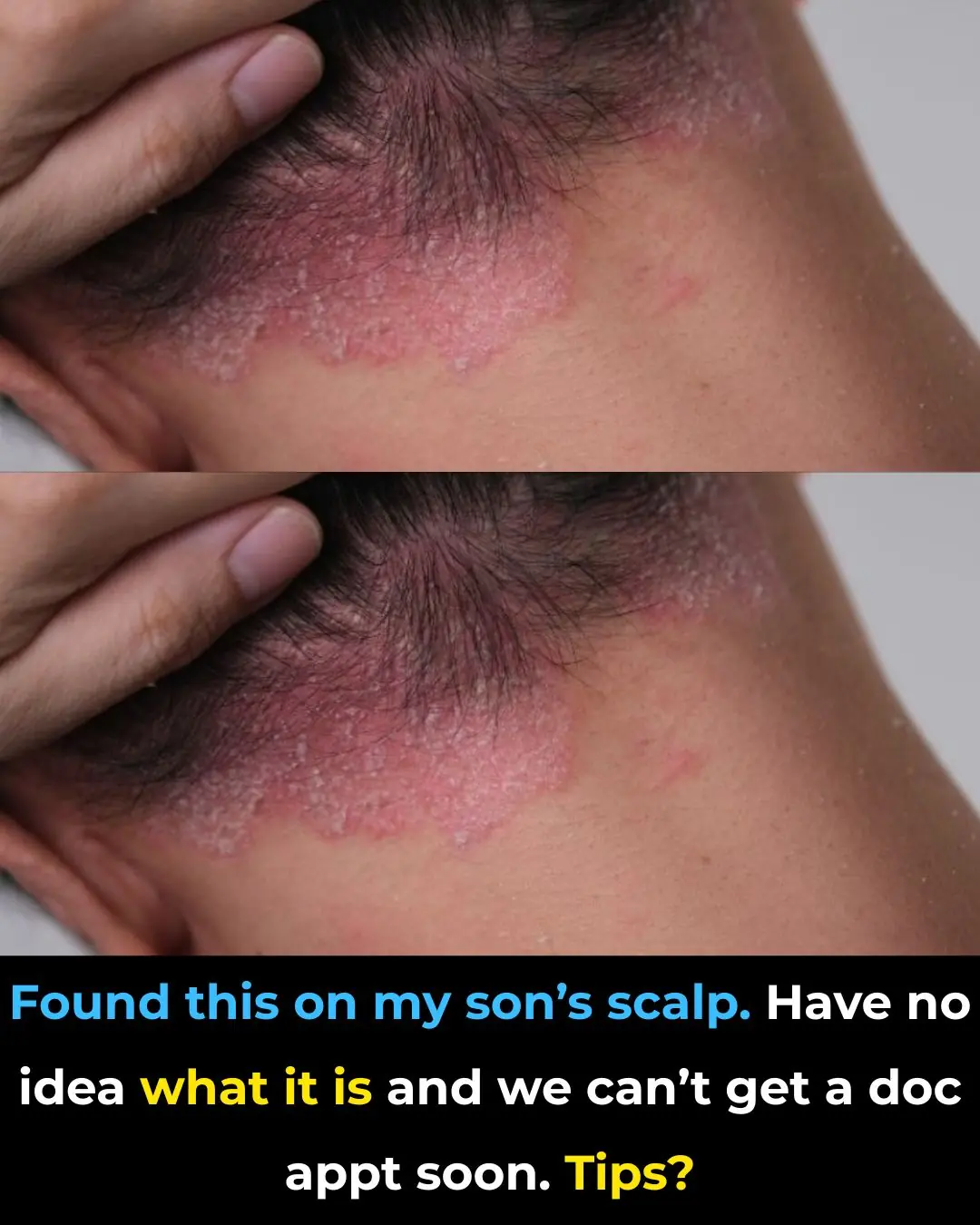
I have absolutely no idea! Let's see why.
Tips 24/02/2026 14:42

Joint pain, tendon inflammation, and rheumatic discomfort affect millions of people around the world. These issues often become more noticeable with age, physical strain, repetitive motion, or even seasonal changes—particularly during cold or damp weather. For some individuals, discomfort may appear gradually; for others, it can flare up after physical activity, long hours of standing, or extended computer use.
Although modern medicine offers a wide range of treatment options—including anti-inflammatory medications, topical gels, and physical therapy—not everyone responds well to these approaches. Some people experience side effects, while others simply prefer gentler, more natural methods whenever possible. As a result, interest in traditional home remedies has grown steadily in recent years.
Interestingly, certain household remedies once commonly used in family care and amateur sports recovery have quietly endured across generations. One such method is a simple natural compress made from everyday kitchen ingredients. Today, it is being rediscovered by individuals seeking temporary relief, relaxation, and a sense of comfort without relying solely on pharmaceuticals.
This article explains how the compress is prepared, why many people find it soothing, and the situations in which it is most commonly used.
This remedy consists of a warm, topical compress applied externally to sore joints or inflamed tendons. It is not consumed and does not enter the bloodstream. Instead, it works through warmth, moisture, and sustained contact with the skin—elements long associated with muscle relaxation and localized comfort.
Its popularity stems from its simplicity and accessibility:
No special equipment required
Very low cost
Ingredients commonly found at home
Easy to prepare, apply, and remove
Can be used while resting or sleeping
Because of these advantages, many people consider it a supportive comfort measure rather than a medical treatment. It is often used alongside rest and gentle self-care practices.
All ingredients are inexpensive and widely available:
1 tablespoon grated soap (preferably natural, fragrance-free, or mild baby soap)
1 tablespoon all-purpose flour
1 tablespoon pure honey
1 tablespoon warm water
Tip: Avoid heavily scented or detergent-rich soaps, as these may irritate sensitive skin. If you have sensitive skin, choosing a mild, hypoallergenic soap is recommended.
In a clean bowl:
Add the grated soap, flour, honey, and warm water.
Stir slowly until a thick, smooth, paste-like consistency forms.
The mixture should be spreadable but not runny. If it appears too thin, add a small pinch of flour to thicken it. If too thick, add a few drops of warm water and mix again.
Transfer the paste into a small zip-top plastic bag.
Press out excess air before sealing.
Alternatively, wrap the mixture securely in plastic wrap.
This step prevents mess and ensures even contact with the skin. Spreading the mixture evenly inside the bag helps distribute warmth uniformly across the affected area.
Place the sealed compress over the sore joint or tendon.
(Common areas include knees, ankles, wrists, fingers, elbows, and shoulders.)
Wrap gently with a towel, scarf, or elastic bandage.
Make sure the wrap is secure but not tight. Circulation should never be restricted. The goal is warmth and comfort—not pressure. You should still be able to move slightly without discomfort.
For best results, remain relaxed and avoid strenuous movement during application.
Minimum time: 2 hours
For chronic or deeper discomfort: some people leave it on overnight
If used overnight, ensure the compress is securely sealed to avoid leakage. Remove it immediately if you experience irritation, itching, burning, or unusual discomfort.
While this remedy has not been scientifically proven as a medical treatment, each ingredient has a long tradition of use in folk practices.
Honey
Traditionally valued for its soothing qualities, honey has been widely used in home remedies for irritated tissues and skin comfort.
Soap
Soap helps the mixture maintain structure and spread evenly, ensuring consistent contact with the skin.
Flour
Flour provides thickness and stability, allowing the compress to remain in place for extended periods.
Warm Water
Warmth may encourage local circulation and muscle relaxation. Gentle heat is commonly associated with reduced stiffness and temporary relief from tension.
Together, these elements create sustained warmth and mild moisture. Many people associate this combination with decreased stiffness, improved comfort, and temporary pain relief—particularly after physical exertion or during colder weather.
This method is typically used as a supportive comfort measure for:
Joint discomfort related to arthritis or osteoarthritis
Tendon inflammation after physical activity or overuse
Stiffness or swelling in hands, wrists, knees, and ankles
Rheumatic pain aggravated by cold or damp conditions
General muscle tightness surrounding joints
Mild post-exercise soreness
It is important to understand that this remedy is intended to promote relaxation and comfort—not to cure underlying medical conditions.
To use this compress responsibly:
Always perform a patch test on the inner arm and wait 15–20 minutes before full application.
Do not apply to open wounds, rashes, infections, or broken skin.
Avoid using on highly sensitive or allergy-prone areas.
Rest the joint during application for best results.
After removal, gently rinse the skin with lukewarm water and pat dry.
Discontinue use immediately if irritation occurs.
Individuals with chronic medical conditions, diabetes-related circulation issues, or skin sensitivities should exercise additional caution.
Stop using the compress and consult a healthcare professional if:
Pain persists or worsens
Swelling increases significantly
Redness, heat, numbness, or limited mobility develops
You experience recurring or severe flare-ups
Home remedies should never replace professional diagnosis, physical therapy, or medical treatment when needed. Persistent joint pain may indicate underlying conditions that require proper evaluation.
This traditional compress remains popular because it is simple, affordable, and gentle. Many people—especially older adults, physically active individuals, and those sensitive to strong commercial products—find it comforting for short-term relief.
While individual experiences vary, this remedy illustrates how long-standing household practices can still offer supportive comfort in modern life. When used thoughtfully, combined with rest and healthy movement habits, such simple methods may complement broader wellness routines.
Sometimes, rediscovering small, practical traditions reminds us that effective self-care does not always have to be complicated or expensive—it can begin right in the kitchen.
Disclaimer: This article is for informational purposes only and does not constitute medical advice. Always consult a qualified healthcare provider for diagnosis, treatment, or personalized recommendations.