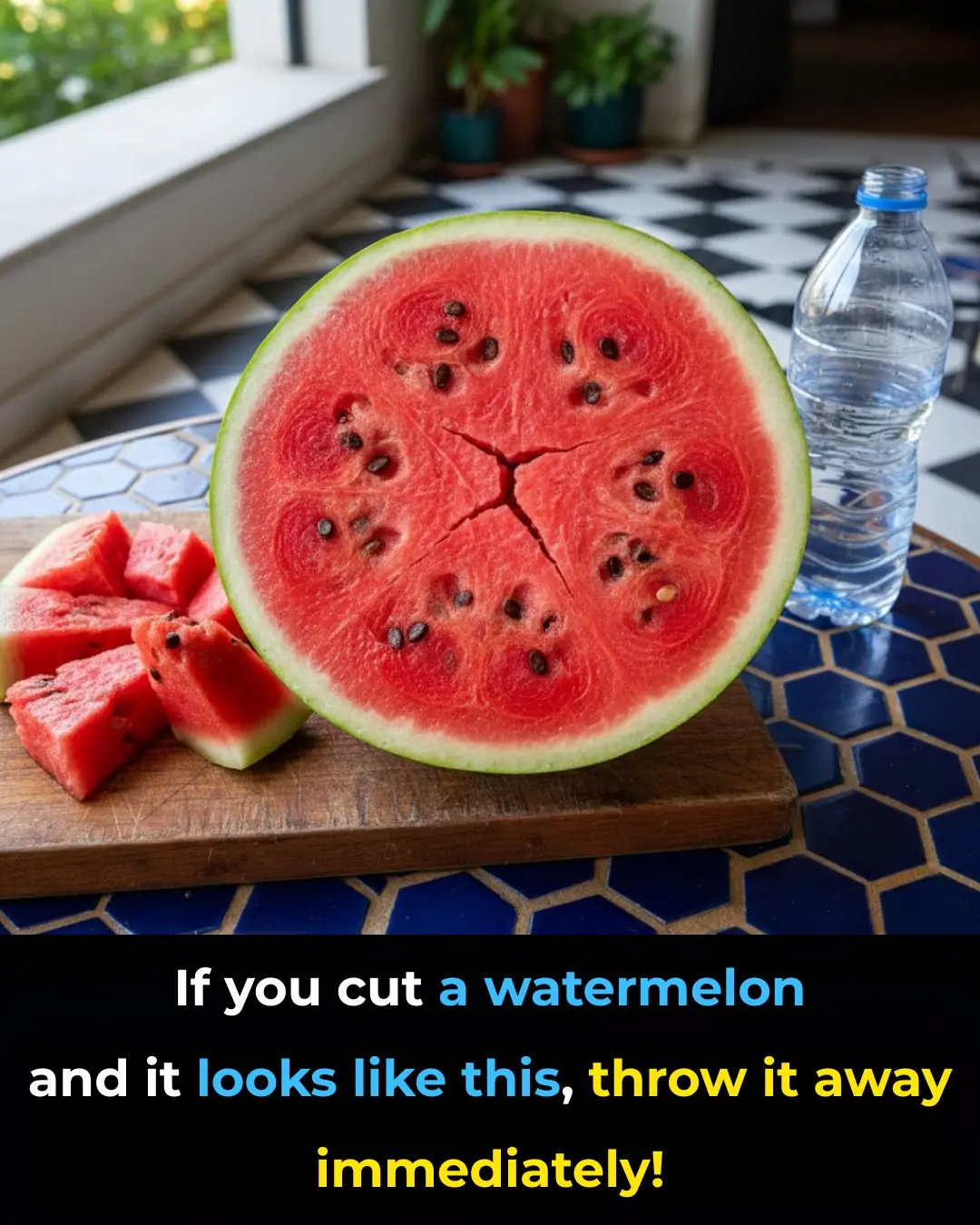
Throw Watermelon Away Immediately If It Looks Like This
Health 24/02/2026 14:46

When kidney function begins to decline, choosing vegetables can feel confusing. You may hear warnings about potassium, fluid retention, phosphorus, or rising creatinine—but rarely receive clear, practical advice.
The reality is simple:
Not all vegetables affect the kidneys the same way.
Portion size matters just as much as the food itself.
The right choices can help stabilize lab values.
The wrong choices, especially in excess, may increase complications.
Because the kidneys regulate potassium, sodium, fluid balance, and waste filtration, impaired kidney function changes how your body handles certain minerals. Below are four vegetables generally considered more kidney-friendly for many individuals with reduced kidney function, followed by four commonly limited in renal diets.
Individual needs vary depending on GFR, potassium levels, medications, and stage of CKD. Always follow personalized guidance from your nephrologist or renal dietitian.
(Generally lower in potassium, hydrating, and gentle on digestion.)
Zucchini is often included in kidney-conscious meal plans because it is relatively low in potassium and high in water content. Its mild fiber supports digestion without being overly taxing.
It also contains vitamin C and plant antioxidants that may support inflammation balance—important in chronic kidney disease.
Best preparation:
Steamed or boiled
Lightly sautéed with olive oil
Seasoned with garlic, lemon, or herbs
Avoid salty sauces or packaged spice blends
Cabbage is naturally lower in potassium than many leafy greens. It is rich in fiber, which supports bowel regularity and may help reduce waste buildup in the bloodstream.
It also contains glucosinolates and vitamin C, contributing to overall antioxidant intake.
Best preparation:
Lightly steamed or boiled
Shredded in fresh salads (moderate portions)
Avoid butter-heavy or salty preparations
Cucumber is over 95% water and naturally low in potassium and sodium. This makes it one of the easiest vegetables for many people with reduced kidney function.
Its hydration support can be helpful, particularly for individuals managing fluid balance carefully under medical supervision.
Best preparation:
Fresh, peeled or unpeeled
With lemon juice or olive oil
Avoid adding salt or bottled dressings
Cauliflower is lower in potassium compared to many darker greens and root vegetables. It provides fiber, vitamin C, and antioxidants, and is often used as a substitute for higher-potassium foods like potatoes.
Best preparation:
Steamed or roasted
Mashed as a potato alternative
Seasoned with herbs instead of salt
(Often higher in potassium, oxalates, or concentrated minerals.)
Raw spinach contains high levels of potassium and oxalates. Oxalates may contribute to kidney stone formation in susceptible individuals, and potassium can accumulate if filtration is reduced.
If permitted:
Consume only cooked
Use small portions
Drain thoroughly after boiling
Tomatoes—especially sauces, pastes, and juices—are concentrated sources of potassium. In reduced kidney function, excess potassium (hyperkalemia) may affect heart rhythm and blood pressure.
Recommendation:
Use fresh tomatoes in small portions
Avoid concentrated forms unless medically approved
Swiss chard is high in potassium and oxalates. Although often marketed as a “cleansing” vegetable, it can place additional strain on impaired kidneys.
If used:
Rarely
Always boiled
Discard the cooking water
Beets contain significant potassium and natural nitrates. Beet juice is especially concentrated and generally discouraged unless approved by a healthcare provider.
Recommendation:
Small cooked portions only
Avoid juicing
Healthy kidneys filter excess minerals efficiently. But when kidney function declines:
Potassium can accumulate in the bloodstream
Sodium may cause swelling and fluid retention
Oxalates may form crystals
Mineral imbalances can affect heart and muscle function
This explains why vegetables considered “superfoods” for the general population are not automatically ideal for people with CKD.
Boil vegetables and discard the cooking water to reduce potassium
Avoid bouillon cubes and powdered broths
Flavor foods with lemon, garlic, onion, herbs, and olive oil
Rotate vegetables instead of eating the same one daily
Avoid green juices containing spinach, beets, or tomato
Monitor your GFR and serum potassium regularly
Work with a renal dietitian whenever possible
Remember: even kidney-friendly vegetables can become problematic if portion sizes are excessive.
Choosing the right vegetables can support kidney function, help stabilize potassium levels, and reduce unnecessary strain on already compromised filtration systems. Low-potassium, hydrating, and moderate-fiber vegetables are generally easier on the kidneys, while high-potassium or high-oxalate vegetables often need to be limited.
Kidney nutrition is never one-size-fits-all. Your lab results, stage of CKD, medications, and overall health all matter.
Under the guidance of evidence-based frameworks such as KDIGO 2024 recommendations, individualized nutrition remains one of the most powerful non-pharmacological tools for slowing CKD progression and protecting remaining kidney function.
Small, consistent dietary adjustments—made with awareness and professional guidance—can support long-term kidney resilience and overall well-being.
This article is for educational purposes only and does not replace medical advice. Always consult your healthcare provider before making dietary changes.