
Health 17/08/2026 20:41
BE CAREFUL, if you get these bruises on your body, it means you have Ca…
Oh, my dear friend, I see headlines like this popping up on social media, and I know how easily they can make your heart skip a beat. "If you get these bruises, it means you have cancer." It is designed to grab your attention and spark immediate fear.
But at 87, and having lived on my own in my cozy farmhouse for the past eight years, I have learned a very valuable lesson: panic is the enemy of clarity. Let's take a gentle, science-backed look at what bruises actually mean, when they are nothing to worry about, and when it might be time to call your doctor.
The Anatomy of a Bruise: A Sign Your Body Is Healing
First, let's understand what a bruise actually is. When you bump into something, small blood vessels called capillaries just beneath the surface of your skin break . Blood leaks out into the surrounding tissue, and because the skin isn't broken, that blood gets trapped. The body then sets to work, breaking down and reabsorbing the trapped blood . The changing colors—from red to blue-purple to greenish-yellow—are simply the different stages of healing . So, in a way, the bruise itself is not the injury; it is the evidence of your body's remarkable healing process.
Why Do We Bruise More Easily as We Get Older?
This is one of the most common reasons for unexplained bruises, and it's entirely natural. As we age, our skin becomes thinner and loses some of the protective fatty layer that cushions blood vessels . Because the blood vessels are closer to the surface, they are more susceptible to damage from even the most minor knocks . This condition is known as actinic purpura, and it is most common on the forearms and hands . It is not a sign of an underlying health problem but rather a sign that our skin is simply becoming more delicate .
The Most Common Culprits Behind Unexplained Bruises
Before jumping to any conclusions, consider these far more common explanations.
1. Over-the-Counter Medications
This is a surprisingly common culprit! Many people don't realize that common over-the-counter medications like blood thinners, NSAIDs (like ibuprofen), and aspirin can significantly increase your tendency to bruise . They work by thinning the blood or inhibiting platelet function, which is exactly what you want them to do for your heart, but it also means a minor bump that wouldn't have left a mark before can now cause a noticeable bruise.
2. Nutritional Deficiencies
What we put into our bodies matters. Deficiencies in key nutrients, particularly vitamin C and vitamin K, can lead to easier bruising. Vitamin C is essential for the synthesis of collagen, a protein that strengthens blood vessel walls . Vitamin K plays a vital role in the blood clotting process .
3. Everyday Life and Exercise
Strenuous exercise, carrying heavy grocery bags, or even wearing tight clothing can cause minor trauma to blood vessels . If you've been more active than usual, you may simply be bruising from micro-tears in the muscles.
4. Genetics
Some people are simply born with more fragile capillaries or thinner skin than others. If you've always bruised easily, it may be a natural part of your genetic makeup.
The Serious Conditions: When Bruising Is a Red Flag
While most unexplained bruising is harmless, it is also true that in rare cases, it can be a sign of something more serious. This is usually accompanied by other symptoms, and it's the combination of symptoms that points to a problem.
Condition How It Affects Bruising Blood cancers (Leukemia) Can cause a low platelet count and blood clotting problems, leading to easy bruising Liver disease The liver produces proteins essential for clotting. When it's not functioning properly, it can lead to easy bruising Blood disorders Conditions like hemophilia or von Willebrand disease can cause excessive bleeding and bruising Platelet disorders A low platelet count (thrombocytopenia) can lead to easy bruising and tiny red spots (petechiae)The Warning Signs: When to Call Your Doctor
If your bruises are accompanied by any of these signs, it is wise to consult a healthcare professional:
-
Sudden onset of many unexplained bruises, especially if you haven't changed your activity level or medications.
-
Unusually large or painful bruises.
-
Bruises that appear without any trauma or are accompanied by bleeding elsewhere (like nosebleeds or bleeding gums).
-
A family history of a bleeding disorder.
-
Other symptoms such as fever, fatigue, or jaundice.
A Gentle Reminder
It is so easy for our minds to go to the worst possible place when we notice something unusual on our skin. But I want to remind you that most bruising is a normal, everyday event and a natural part of the body's healing process. It is the body's way of healing and protecting itself.
The sensational headlines you see are designed to grab your attention—not to give you a reason to worry. If you have concerns, a calm, informed conversation with your doctor is always the most empowering step.
Tags:
News in the same category
What Can Your Urine Tell You about Your Health
Raspberries: Nutrition Facts, Calories, Carbs, Proven Health Benefits (Science Based)
Here’s What Your Stool Can Tell You About Your Health
Proven Health Benefits of Sage (Science Based)
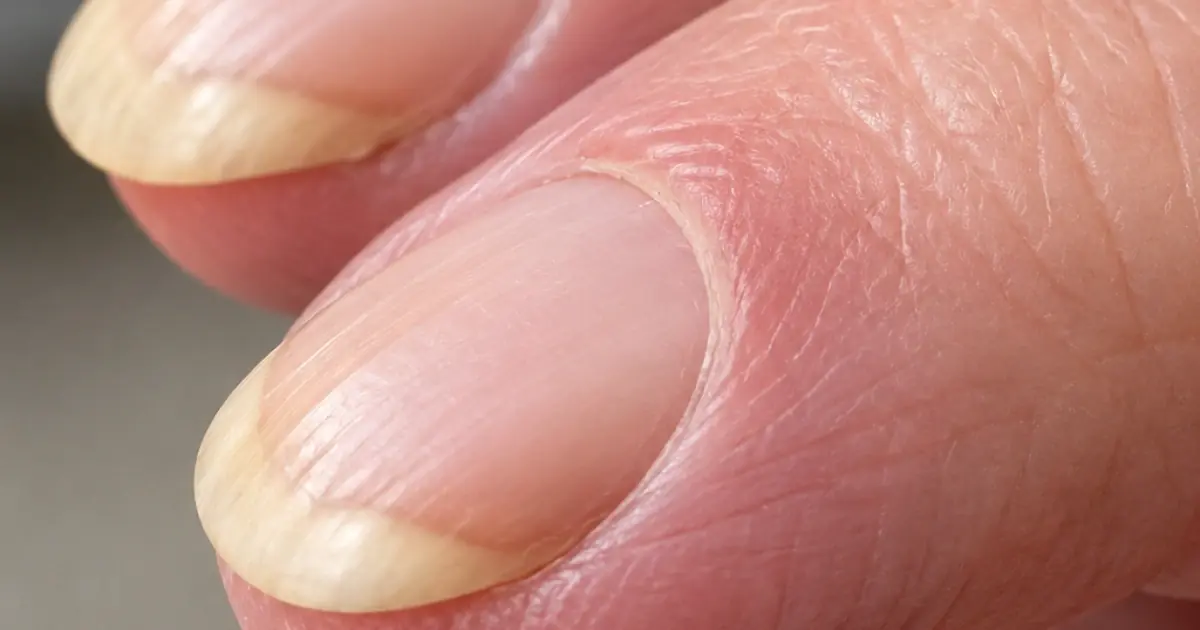
My dad's fingertips have become really round and the nails are curving over the edge. Why is this happening to him?

Natural Foods That Help Relieve Constipation
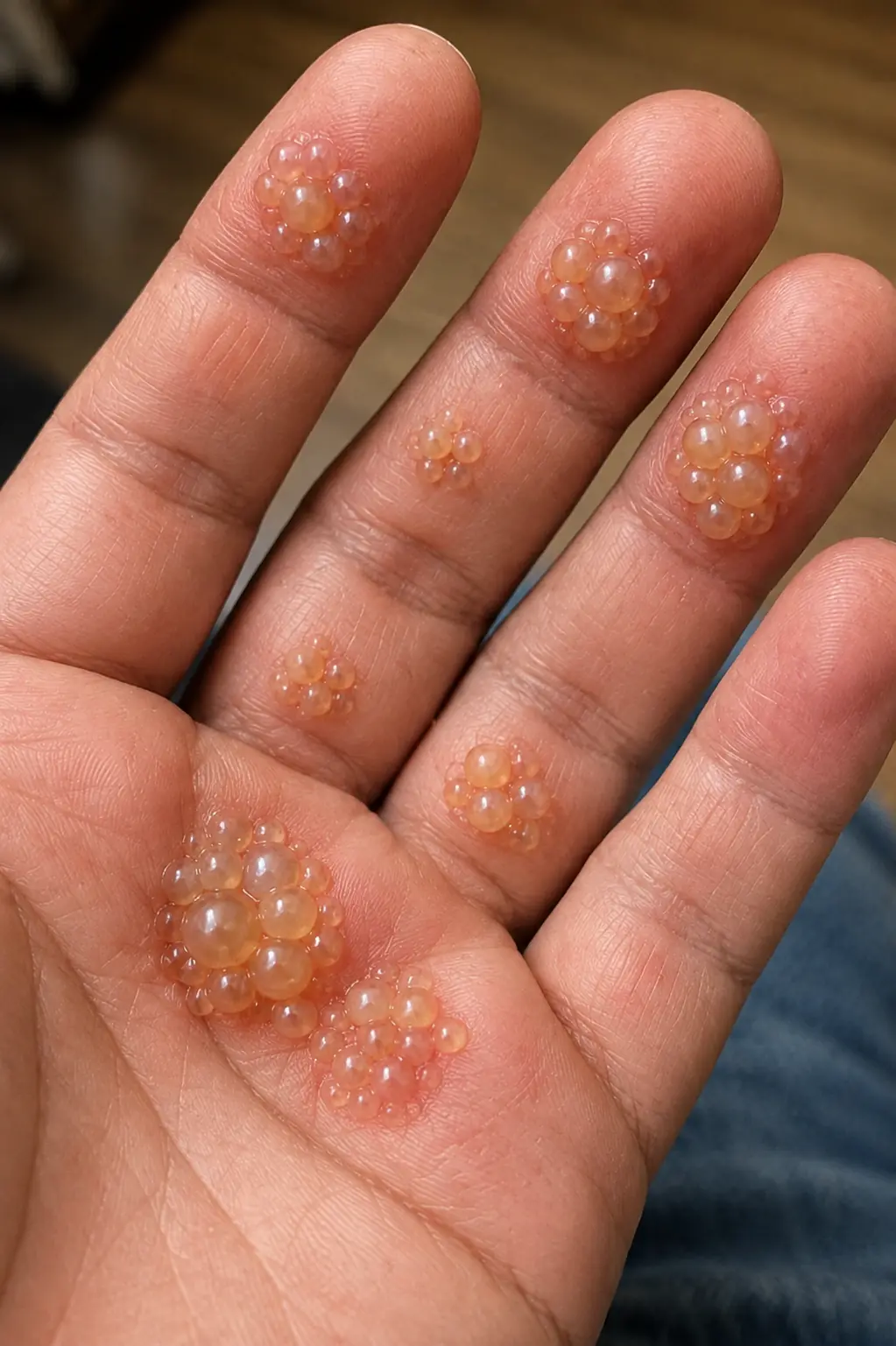
Husband's fingers are covered in these tiny water blisters. He can't even type for work. We need help asap!

Food Left in the Fridge Too Long? These 3 Foods May Pose Hidden Health Risks
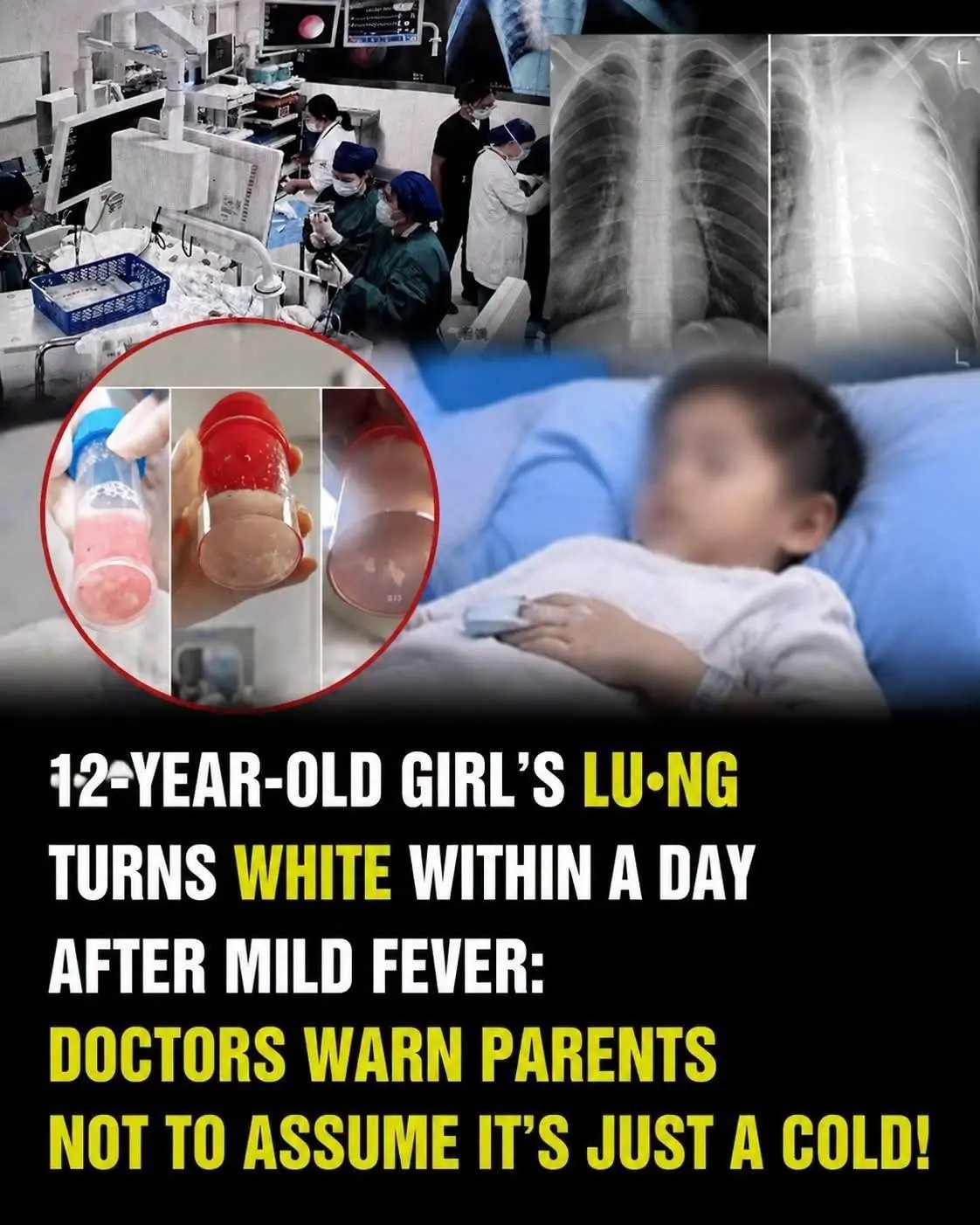
This frightening case shows how quickly a child's condition can deteriorate
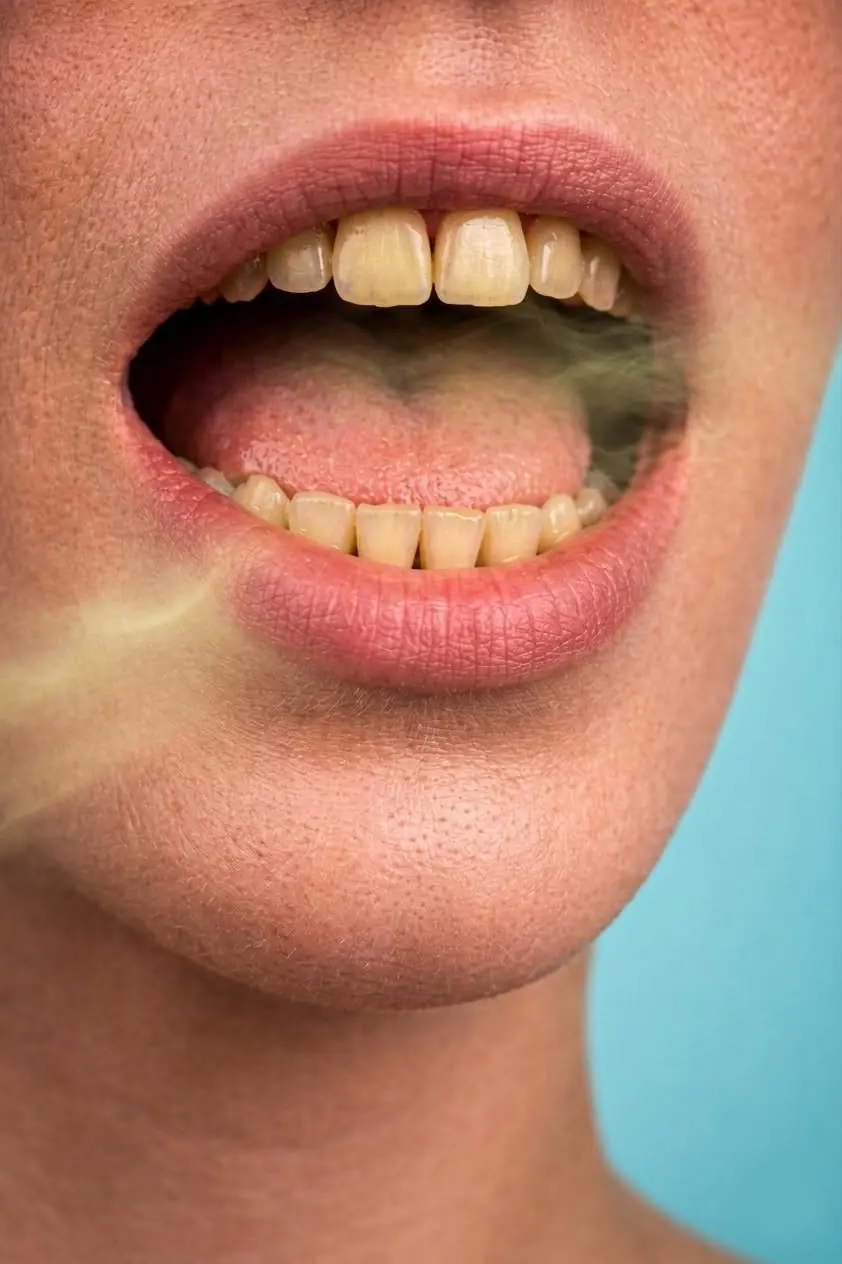
How to Get Rid of Bad Breath (Halitosis): Scientifically Proven Home Remedies
How to Easily Remove Pesticides From Your Fruits and Vegetables
Proven Health Benefits of Ginger Root and Ginger Tea (Including Ginger Lemon Tea Recipe)
12 Signs of Pancreatic Can.cer You Should Never Ignore
Proven Foods to Help You Sleep or Make You Sleepy (Science Based) – Cherries, Bananas and More
Proven Foods to Help You Sleep or Make You Sleepy (Science Based) – Cherries, Bananas and More
My 64-year-old husband woke up with this blood red patch on his eye. Do we need to go to the hospital?
16 Warning Signs of Poor Blood Circulation and How to Treat It
The Anti-Cancer Diet: Cancer Fighting Foods to Help Prevent Cancer (Evidence Based)
Scientifically Proven Health Benefits of Figs (Fruit, Leaves, Dried or Fresh)
News Post
If You Have This Plant in Your House, Then You Have a Natural Air Purifier (and So Much More)
Facts 19/08/2026 17:26

Why Do Hotels Always Place a Cloth Across the Bed? Most Guests Never Know Its Real Purpose
Facts 19/08/2026 16:26
Shoulder Pain from Sleeping: Causes, Solutions and More
Health 19/08/2026 15:44
What Can Your Urine Tell You about Your Health
Health 19/08/2026 15:38
Raspberries: Nutrition Facts, Calories, Carbs, Proven Health Benefits (Science Based)
Health 19/08/2026 15:31
Here’s What Your Stool Can Tell You About Your Health
Health 19/08/2026 12:10
Proven Health Benefits of Sage (Science Based)
Health 19/08/2026 12:05
Rub this 1 mixture on your nose and get rid of deep dark blackheads, enlarged pores, and greasy buildup for glowing skin.
Tips 19/08/2026 09:15
My dad's fingertips have become really round and the nails are curving over the edge. Why is this happening to him?
Health 19/08/2026 09:11
Natural Foods That Help Relieve Constipation
Health 18/08/2026 20:47

Laundry Trick That Can Help Keep Whites Brighter
Tips 18/08/2026 20:41
Husband's fingers are covered in these tiny water blisters. He can't even type for work. We need help asap!
Health 18/08/2026 20:22
Food Left in the Fridge Too Long? These 3 Foods May Pose Hidden Health Risks
Health 18/08/2026 17:08
This frightening case shows how quickly a child's condition can deteriorate
Health 18/08/2026 16:57

My 5-year-old hid from her aunt and whispered, ‘Daddy…should I apologize?’ — that question unraveled the secret my parents had been trying to hide
Life stories 18/08/2026 16:50
How to Get Rid of Bad Breath (Halitosis): Scientifically Proven Home Remedies
Health 18/08/2026 12:16
How to Easily Remove Pesticides From Your Fruits and Vegetables
Health 18/08/2026 12:05
Proven Health Benefits of Ginger Root and Ginger Tea (Including Ginger Lemon Tea Recipe)
Health 18/08/2026 09:14
12 Signs of Pancreatic Can.cer You Should Never Ignore
Health 17/08/2026 21:35

Customers Rage Over Door Sign
Facts 17/08/2026 21:13