
Health 18/08/2026 16:57
This frightening case shows how quickly a child's condition can deteriorate
A Child’s Lung “Turns White” After a Mild Fever: What Parents Need to Know
A child developing a fever is common, especially during respiratory infections. Most fevers are caused by viral illnesses and resolve without serious complications. But sometimes a child who initially seems to have only a mild fever or cold symptoms can become significantly more unwell.
An X-ray may then show an area of the lung that appears unusually white or opaque.
This can be frightening for parents, especially when an image is described online as a child's “lung turning white within a day.” But the phrase can be misleading.
A lung does not literally turn white overnight. On a chest X-ray, healthy, air-filled lungs generally appear darker because X-rays pass through air relatively easily. Areas containing fluid, inflammatory material, collapsed lung tissue, or other substances can appear whiter or denser.
Understanding what that white appearance may represent is much more useful than assuming it automatically means one specific disease.
What Does a “White Lung” Mean on an X-Ray?
Radiologists may describe an area of increased opacity or air-space consolidation.
Several different conditions can produce this appearance.
One possibility is pneumonia, in which inflammation causes fluid and cellular material to accumulate within the air sacs of the lung.
Another possibility is atelectasis, where part of the lung becomes partially or completely collapsed.
Fluid around the lung, known as a pleural effusion, can also contribute to an abnormal white appearance.
Severe inflammation or fluid accumulation associated with other illnesses can create similar findings.
Therefore, the phrase “white lung” is a description of an imaging appearance, not a diagnosis.
Could Pneumonia Develop After a Mild Fever?
Yes.
Pneumonia can sometimes begin with symptoms that initially appear relatively mild.
A child may have:
- Fever
- Cough
- Runny nose
- Reduced appetite
- Tiredness
- Rapid breathing
- Chest discomfort
- Difficulty breathing
The severity of the initial fever does not always predict how serious the underlying illness will become.
Some children with pneumonia have high fever, while others may have only a modest temperature increase.
That's why parents should pay attention not only to the thermometer but also to how the child is breathing, behaving, drinking, and responding.
Breathing Is One of the Most Important Warning Signs
When evaluating a sick child, breathing problems deserve particular attention.
Watch for:
Breathing much faster than normal
Visible pulling in of the skin between or beneath the ribs
Nostrils flaring with each breath
Grunting
Difficulty speaking, crying, or feeding because of breathlessness
Bluish or gray lips or face
Unusual pauses in breathing
Severe lethargy or difficulty waking
These signs can indicate significant respiratory distress.
A child who is struggling to breathe should not be managed at home simply because the fever is mild.
Seek urgent medical care.
Why Can a Lung Become More Opaque So Quickly?
The lungs contain millions of tiny air sacs called alveoli.
Normally, these air sacs are filled with air, allowing oxygen to move into the bloodstream.
During certain illnesses, the air inside some alveoli can be replaced or reduced by:
- Inflammatory fluid
- Pus and cellular debris
- Blood
- Edema fluid
- Collapsed tissue
When this happens, the affected area absorbs more X-rays and therefore appears whiter on the radiograph.
This can sometimes develop relatively quickly during a serious illness.
However, the speed at which an X-ray changes depends on the underlying condition.
An abnormal chest X-ray must always be interpreted in the context of the child's symptoms, examination, oxygen level, medical history, and laboratory findings.
A Mild Fever Doesn't Always Mean a Mild Illness
This is one of the most important lessons for parents.
Temperature alone doesn't tell you how well a child is doing.
For example, a child with a temperature of 38°C may be breathing rapidly and becoming unusually sleepy, while another child with a higher temperature may remain alert, drinking fluids, and breathing comfortably.
That doesn't mean fever is unimportant.
It means the overall clinical picture matters more than one number.
Parents should pay attention to:
Breathing
Is the child breathing comfortably or working hard to breathe?
Hydration
Are they drinking? Are they urinating normally?
Alertness
Are they awake, responsive, and behaving reasonably normally?
Color
Do the lips and skin look normal, or are they blue, gray, or unusually pale?
Progression
Is the child improving, staying the same, or deteriorating?
Pneumonia Isn't Always Bacterial
Another common misconception is that pneumonia automatically means a bacterial infection.
That's not correct.
Pneumonia can be caused by viruses, bacteria, fungi, and other organisms.
In children, viruses are an important cause, particularly in younger age groups.
Bacterial pneumonia can also occur and may require antibiotic treatment.
Doctors determine the likely cause using the child's age, symptoms, physical examination, oxygen saturation, imaging when appropriate, and sometimes laboratory or microbiological testing.
Antibiotics do not treat viral infections, so parents should not give leftover antibiotics without medical advice.
Why Children Can Deteriorate Faster
Children, particularly infants and younger children, can sometimes develop breathing difficulties more quickly than adults.
Their airways are smaller, so swelling or mucus can have a relatively large effect on airflow.
Young children may also be unable to clearly explain symptoms such as chest tightness or shortness of breath.
Instead, they may simply become:
Very tired
Irritable
Less interested in food
Less active
Unable to drink normally
These behavioral changes can be important clues.
When Should Parents Seek Emergency Help?
Certain symptoms should be treated as urgent.
Seek emergency medical attention if a child has severe difficulty breathing, blue or gray lips or face, severe chest retractions, pauses in breathing, seizures, extreme drowsiness, confusion, or is difficult to wake.
A child who cannot keep fluids down, shows signs of significant dehydration, or is rapidly getting worse also needs prompt medical assessment.
For infants, particularly very young babies, fever itself can require urgent medical evaluation, depending on age and circumstances.
If you're unsure whether a child's breathing is abnormal, it is safer to have the child assessed by a healthcare professional rather than relying on an online image or symptom checklist.
What About the Chest X-Ray?
A chest X-ray can provide valuable information, but it isn't a standalone diagnosis.
A doctor may look for patterns such as:
- Focal consolidation
- Diffuse infiltrates
- Atelectasis
- Pleural effusion
- Hyperinflation
- Other abnormalities
The clinical context is essential.
For example, a white area on an X-ray could represent pneumonia in one child but atelectasis or fluid in another.
This is why parents should avoid interpreting an X-ray solely from an image found online.
Radiology is a medical specialty, and subtle findings can be difficult to interpret correctly without the appropriate clinical information.
Can Pneumonia Be Prevented?
Not every case can be prevented, but several measures can reduce the risk of serious respiratory infections.
Keeping vaccinations up to date is important.
Depending on the child's age and country, recommended immunizations can protect against infections that may cause pneumonia or severe respiratory disease.
Other helpful measures include:
Regular handwashing
Avoiding tobacco smoke exposure
Good ventilation
Keeping sick household members from close contact with vulnerable children when possible
Seeking medical care when concerning symptoms develop
Nutrition, sleep, and general health also support normal immune function.
Don't Let Viral Headlines Create Panic
The phrase “a child's lung turns white within a day” is dramatic and may attract attention online.
But medical reality is more nuanced.
A white or opaque area on a chest X-ray can indicate something important, but it doesn't automatically mean the lung has permanently failed, and it doesn't identify the cause by itself.
Some lung abnormalities can improve substantially with appropriate treatment.
The key is recognizing serious symptoms early and getting the child evaluated.
The Bottom Line
A child can develop a significant respiratory illness even when the initial fever seems mild.
If a chest X-ray later shows a white or opaque area, possible explanations include pneumonia, atelectasis, fluid, or other conditions. The finding needs to be interpreted by a qualified medical professional.
The most important thing for parents isn't memorizing what a “white lung” looks like.
It's recognizing the warning signs:
Fast or difficult breathing.
Chest pulling in with each breath.
Blue or gray lips.
Severe weakness or unusual sleepiness.
Difficulty drinking or signs of dehydration.
Rapid worsening of symptoms.
A mild fever should never be used as proof that a child is safe from serious illness.
If a child is having trouble breathing or appears seriously unwell, seek urgent medical care immediately rather than waiting for the fever to become higher.
And if a doctor has already found an abnormality on a child's chest X-ray, the safest next step is to follow the treating team's recommendations rather than trying to diagnose the image from social media.
The earlier a serious respiratory problem is recognized and treated, the better the chance of preventing complications.
Tags:
News in the same category
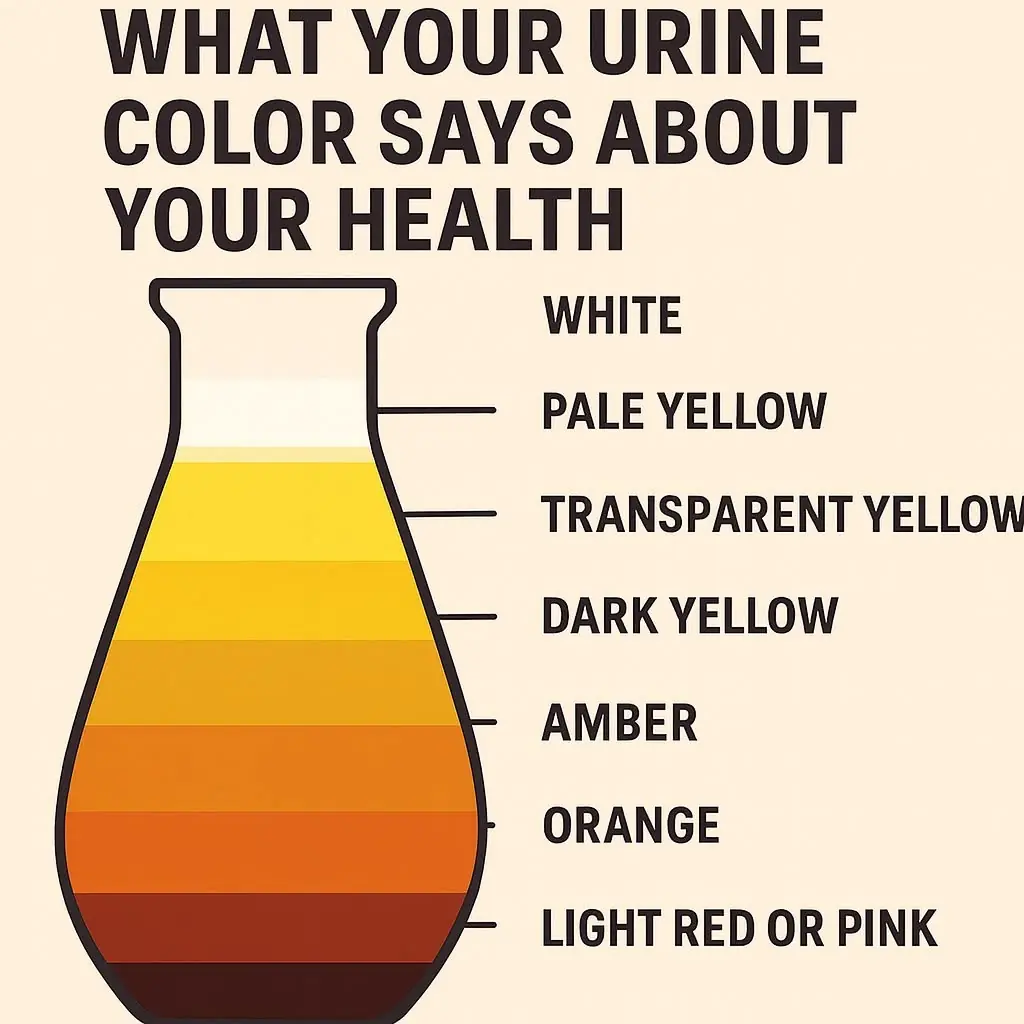
What Can Your Urine Tell You about Your Health

Raspberries: Nutrition Facts, Calories, Carbs, Proven Health Benefits (Science Based)

Here’s What Your Stool Can Tell You About Your Health
Proven Health Benefits of Sage (Science Based)

Natural Foods That Help Relieve Constipation
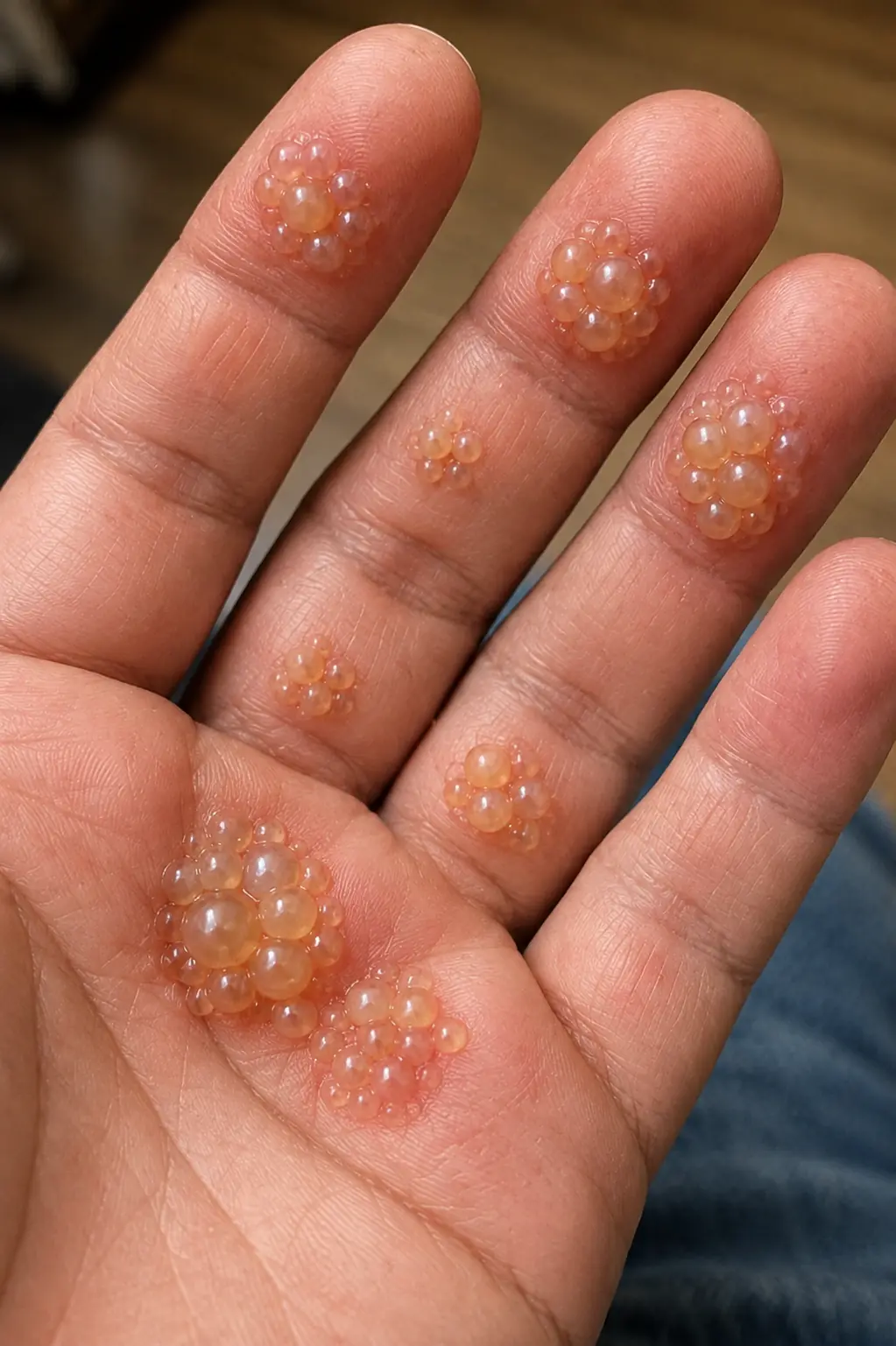
Husband's fingers are covered in these tiny water blisters. He can't even type for work. We need help asap!

Food Left in the Fridge Too Long? These 3 Foods May Pose Hidden Health Risks
How to Get Rid of Bad Breath (Halitosis): Scientifically Proven Home Remedies

How to Easily Remove Pesticides From Your Fruits and Vegetables

Proven Health Benefits of Ginger Root and Ginger Tea (Including Ginger Lemon Tea Recipe)
12 Signs of Pancreatic Can.cer You Should Never Ignore

BE CAREFUL, if you get these bruises on your body, it means you have Ca…

Proven Foods to Help You Sleep or Make You Sleepy (Science Based) – Cherries, Bananas and More
Proven Foods to Help You Sleep or Make You Sleepy (Science Based) – Cherries, Bananas and More
My 64-year-old husband woke up with this blood red patch on his eye. Do we need to go to the hospital?
16 Warning Signs of Poor Blood Circulation and How to Treat It

The Anti-Cancer Diet: Cancer Fighting Foods to Help Prevent Cancer (Evidence Based)

Scientifically Proven Health Benefits of Figs (Fruit, Leaves, Dried or Fresh)
News Post

If You Have This Plant in Your House, Then You Have a Natural Air Purifier (and So Much More)
Facts 19/08/2026 17:26

Why Do Hotels Always Place a Cloth Across the Bed? Most Guests Never Know Its Real Purpose
Facts 19/08/2026 16:26
Shoulder Pain from Sleeping: Causes, Solutions and More
Health 19/08/2026 15:44
What Can Your Urine Tell You about Your Health
Health 19/08/2026 15:38
Raspberries: Nutrition Facts, Calories, Carbs, Proven Health Benefits (Science Based)
Health 19/08/2026 15:31
Here’s What Your Stool Can Tell You About Your Health
Health 19/08/2026 12:10
Proven Health Benefits of Sage (Science Based)
Health 19/08/2026 12:05

Rub this 1 mixture on your nose and get rid of deep dark blackheads, enlarged pores, and greasy buildup for glowing skin.
Tips 19/08/2026 09:15
My dad's fingertips have become really round and the nails are curving over the edge. Why is this happening to him?
Health 19/08/2026 09:11
Natural Foods That Help Relieve Constipation
Health 18/08/2026 20:47

Laundry Trick That Can Help Keep Whites Brighter
Tips 18/08/2026 20:41
Husband's fingers are covered in these tiny water blisters. He can't even type for work. We need help asap!
Health 18/08/2026 20:22
Food Left in the Fridge Too Long? These 3 Foods May Pose Hidden Health Risks
Health 18/08/2026 17:08

My 5-year-old hid from her aunt and whispered, ‘Daddy…should I apologize?’ — that question unraveled the secret my parents had been trying to hide
Life stories 18/08/2026 16:50
How to Get Rid of Bad Breath (Halitosis): Scientifically Proven Home Remedies
Health 18/08/2026 12:16
How to Easily Remove Pesticides From Your Fruits and Vegetables
Health 18/08/2026 12:05
Proven Health Benefits of Ginger Root and Ginger Tea (Including Ginger Lemon Tea Recipe)
Health 18/08/2026 09:14
12 Signs of Pancreatic Can.cer You Should Never Ignore
Health 17/08/2026 21:35

Customers Rage Over Door Sign
Facts 17/08/2026 21:13