
Health 19/08/2026 12:10
Here’s What Your Stool Can Tell You About Your Health
Your stool can tell you plenty about what’s going on inside the body, give you a thumbs up regarding your intestinal well-being, or flag a cause for concern. A one-off occurrence of unusual feces is rarely something to worry about. When a potentially morbid characteristic becomes regular, further investigations might be required.
What is Normal Stool?
Normally, feces should be brown, medium soft (some describe it as toothpaste consistency) and around 4 to 8 inches long (10 to 20 cm).
Your stools should leave the body easily, with not much straining. Not every deviation from this description should alarm you.
Often changes in stool are attributed to food and lifestyle choices, so don’t panic too quickly.
Beetroot can give your stools some red color. While fatty food makes it soft, foul-smelling and causes the poop to float and may even cause your stools to become greasy.
The Bristol stool chart can help you assess what’s going on. You are aiming for types 3, 4 and 5. Type 4 is the Holy Grail of poop.
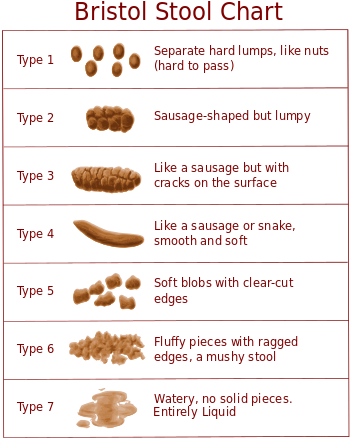
What Should You Look Out For?
You should be observing the color, shape, smell, consistency and buoyancy of your stool.
Red stool: If redness cannot be attributed to food or food colorings you recently consumed, it could be a sign of bleeding in the lower part of the gut. Colon cancer is what people fear most, although blood could also be a sign of common hemorrhoids or diverticulitis.
Green stool: Green is the color of bile. If feces moves through the intestines too quickly, the bile doesn’t have time to change to brown, and colors the poop green. Green poop can also come from antibiotics, iron supplements, or a diet of chlorophyll-rich leafy greens or food supplements such as spirulina, chlorella and wheatgrass. More ominous causes include Crohn’s disease, Irritable Bowel Syndrome or celiac disease.
For more information please refer to my article: Here Is Why You Have a Green Poop.
Yellow stool: A sudden onset of yellowish poop can be a sign of an infection. It could also point to a gallbladder dysfunction, the color suggesting there is not enough bile output, hence the excess of fats.
White stool: Pale, clay-like or white poop can be a sign there is not enough bile due to a bile duct obstruction.
Some of the causes of clay colored stools could include gallstones, hepatitis, bacterial infection, pancreatitis, cirrhosis and cancer. But if you recently had an X-ray using barium, the color can be a result of that substance.
Black stool: Black or dark green tarry poop can indicate bleeding in the upper part of the gut. But more often, the color results from iron consumption or certain foods, such as dark vegetables or too much meat, and will clear by itself, unless of course this dietary habit doesn’t change.
Pencil-thin stool: Thin narrow stool can signal an obstruction in the lower part of the bowels, or an external pressure on the colon, e.g. from a new growth. Colonoscopy needs to be performed to exclude colon cancer.
Small and hard stool: This is a sign of constipation, which is often brought on by inappropriate diet, lacking in fiber. Consume more fiber-rich foods, exercise, and try psyllium husk or ground flaxseeds to improve bowel movement.
Overly soft stool, clinging to the toilet bowl: If your body isn’t absorbing oils properly, this can result in such fecal behavior, plus you might observe oil droplets floating in the toilet. Think pancreas problems and get that area of your body checked.
Mucus in stool: Mucus is a normal compound in stool. But if you notice a lot of it, it could be a sign of inflammation, Crohn’s disease or ulcerative colitis. Read more about this subject in my article about Mucus in Stool: Is It Normal? Causes and Treatments.
Leukocytes (white blood cells) in stool: Leukocytes can also show up in your stools if you have a digestive tract disorder. For more information read my article: Leukocytes in Urine and Stool – Causes and Possible Solutions.
Foul smell: It’s not rocket science that poo has a strong odor. However, if the bathroom remains a no-go zone for a considerable amount of time after you’ve used it, this most often has to do with the type of food you’ve been eating and the length of time that passed since your last defecation. The foul smell can also be brought on by certain medications, or be a symptom of inflammation. If there is a malabsorption of food, this can also result in smelly poop, such as in the case of Crohn’s disease, celiac disease and cystic fibrosis.
Floating stool: This symptom alone is usually no cause for concern. Feces either floats or sinks depending on the amount of gas it contains. Floaty, foul smelling and oily poo can be a symptom of malabsorption of nutrients, especially if you are losing weight too.
Get to know your stool. Only by knowing what’s normal for YOU, you will be able to observe the differences, and potential dangers.
How Often Should You Go To The Toilet?
Again, it’s about what’s normal for you. As a rule of thumb, three bowel movements per day to three per week are considered normal. There are many things that can temporarily influence the frequency of your bowel movements and are not a cause for concern. Diet, travel, medications, hormonal fluctuations, sleep patterns, exercise, illness, surgery, childbirth, stress, are just some of the factors that can set you back.
You also need to observe the strain you need to push your poop out – defecating should be as easy as urinating or passing gas. Excessive effort can signal that something isn’t right.
Some Things You Can Do To Help You Move Your Bowels
Eat a healthy and balanced diet. Make sure you get enough fresh fruits and vegetables, which are the best sources of fiber. To boost your fiber intake, you can also add psyllium and freshly ground organic flax seed to your diet.
Avoid processed foods, and foods that contain a lot of sugar (especially artificial sweeteners) and chemical additives.
Keep a balanced gut flora by enjoying probiotic products, such as sauerkrauts, pickles, kombucha and kefir (read more about fermented foods here). Be especially careful to replenish your beneficial gut bacteria after a course of antibiotics (read my article about 3 things you should do after taking antibiotics). If probiotic food doesn’t do it for you, get a good probiotic supplement.
Drink lots of water and stay hydrated.
Another thing that may like to do is to cleanse your colon. Your colon is part of the digestive system and there are a wide variety of benefits from having a healthy digestive system. You can cleanse your colon using only 2 natural ingredients and you can learn how to do it in my post: How to Effectively Cleanse Your Colon With Only 2 Ingredients
Tags:
News in the same category
What Can Your Urine Tell You about Your Health
Raspberries: Nutrition Facts, Calories, Carbs, Proven Health Benefits (Science Based)
Proven Health Benefits of Sage (Science Based)

Natural Foods That Help Relieve Constipation
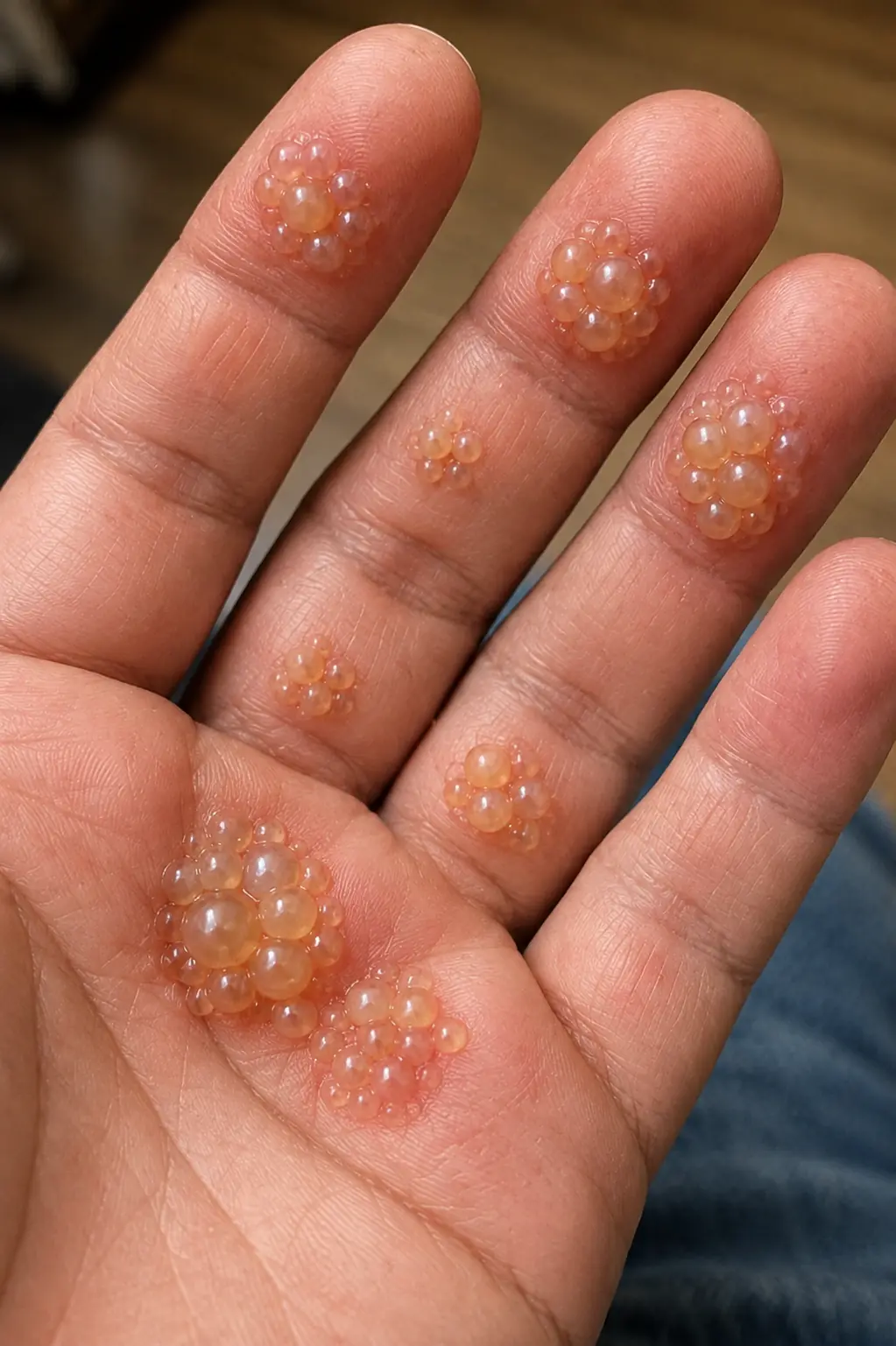
Husband's fingers are covered in these tiny water blisters. He can't even type for work. We need help asap!

Food Left in the Fridge Too Long? These 3 Foods May Pose Hidden Health Risks

This frightening case shows how quickly a child's condition can deteriorate
How to Get Rid of Bad Breath (Halitosis): Scientifically Proven Home Remedies
How to Easily Remove Pesticides From Your Fruits and Vegetables
Proven Health Benefits of Ginger Root and Ginger Tea (Including Ginger Lemon Tea Recipe)

12 Signs of Pancreatic Can.cer You Should Never Ignore
BE CAREFUL, if you get these bruises on your body, it means you have Ca…
Proven Foods to Help You Sleep or Make You Sleepy (Science Based) – Cherries, Bananas and More
Proven Foods to Help You Sleep or Make You Sleepy (Science Based) – Cherries, Bananas and More
My 64-year-old husband woke up with this blood red patch on his eye. Do we need to go to the hospital?
16 Warning Signs of Poor Blood Circulation and How to Treat It
The Anti-Cancer Diet: Cancer Fighting Foods to Help Prevent Cancer (Evidence Based)
Scientifically Proven Health Benefits of Figs (Fruit, Leaves, Dried or Fresh)
News Post
If You Have This Plant in Your House, Then You Have a Natural Air Purifier (and So Much More)
Facts 19/08/2026 17:26

Why Do Hotels Always Place a Cloth Across the Bed? Most Guests Never Know Its Real Purpose
Facts 19/08/2026 16:26
Shoulder Pain from Sleeping: Causes, Solutions and More
Health 19/08/2026 15:44
What Can Your Urine Tell You about Your Health
Health 19/08/2026 15:38
Raspberries: Nutrition Facts, Calories, Carbs, Proven Health Benefits (Science Based)
Health 19/08/2026 15:31
Proven Health Benefits of Sage (Science Based)
Health 19/08/2026 12:05
Rub this 1 mixture on your nose and get rid of deep dark blackheads, enlarged pores, and greasy buildup for glowing skin.
Tips 19/08/2026 09:15
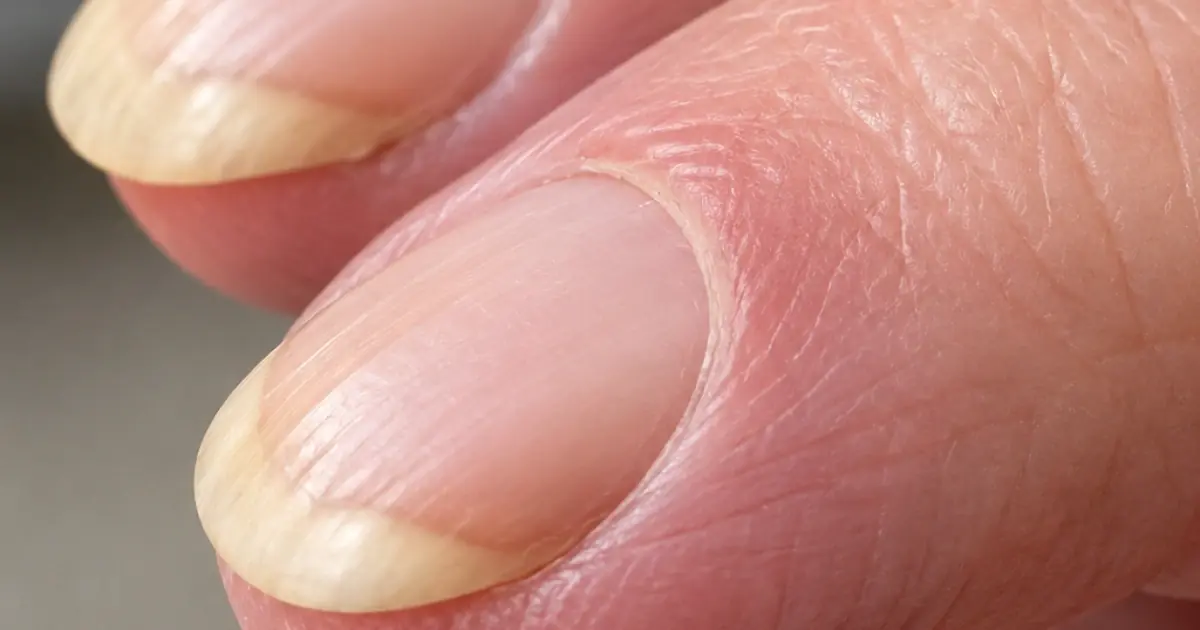
My dad's fingertips have become really round and the nails are curving over the edge. Why is this happening to him?
Health 19/08/2026 09:11
Natural Foods That Help Relieve Constipation
Health 18/08/2026 20:47

Laundry Trick That Can Help Keep Whites Brighter
Tips 18/08/2026 20:41
Husband's fingers are covered in these tiny water blisters. He can't even type for work. We need help asap!
Health 18/08/2026 20:22
Food Left in the Fridge Too Long? These 3 Foods May Pose Hidden Health Risks
Health 18/08/2026 17:08
This frightening case shows how quickly a child's condition can deteriorate
Health 18/08/2026 16:57

My 5-year-old hid from her aunt and whispered, ‘Daddy…should I apologize?’ — that question unraveled the secret my parents had been trying to hide
Life stories 18/08/2026 16:50
How to Get Rid of Bad Breath (Halitosis): Scientifically Proven Home Remedies
Health 18/08/2026 12:16
How to Easily Remove Pesticides From Your Fruits and Vegetables
Health 18/08/2026 12:05
Proven Health Benefits of Ginger Root and Ginger Tea (Including Ginger Lemon Tea Recipe)
Health 18/08/2026 09:14
12 Signs of Pancreatic Can.cer You Should Never Ignore
Health 17/08/2026 21:35

Customers Rage Over Door Sign
Facts 17/08/2026 21:13