Garden Healthy 06/02/2026 15:14
Bloodroot (Sanguinaria canadensis): The Hidden Power of a Small Forest Flower
Bloodroot (Sanguinaria canadensis): The Quiet Strength of a Woodland Healer
Deep in the shaded forests of North America, a small white flower appears as one of the first signs of spring. This delicate bloom is known as Bloodroot, named after the striking red sap that flows from its root when broken. Despite its fragile appearance, Bloodroot has long been respected as a powerful medicinal plant.
For centuries, Native American tribes and traditional herbal practitioners used Bloodroot with great care. It was valued for cleansing wounds, supporting skin renewal, easing breathing discomfort, and assisting the body’s natural purification processes. Today, Bloodroot is still recognized as a potent botanical ally—one that demands respect, knowledge, and restraint.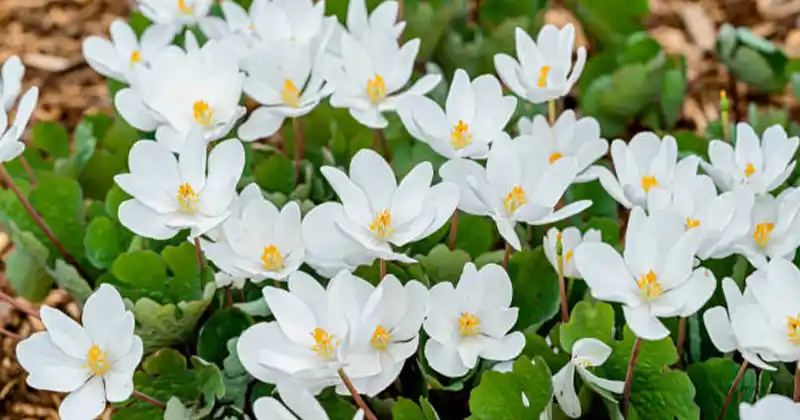
1. Natural Skin Cleanser and Traditional Wart Care
One of the most well-known traditional uses of Bloodroot involves stubborn skin growths such as warts or thickened skin. Its active compounds, including sanguinarine, were historically used to remove unhealthy tissue and encourage new skin formation.
Because Bloodroot is extremely strong, traditional practitioners emphasized pinpoint application only, never broad or repeated use. Even in folk medicine, it was treated as a “last resort” herb rather than a daily remedy.
⚠️ Bloodroot can irritate or burn healthy skin if misused and should never be applied to large areas.
2. Respiratory Support in Traditional Medicine
In very small, carefully prepared amounts, Bloodroot was once used to help clear excess mucus and soothe breathing discomfort. It often appeared in traditional cough blends alongside gentler herbs and honey.
Herbal traditions describe Bloodroot as an expectorant, meaning it helps the body release congestion—but only when used sparingly and infrequently. Modern herbalists generally advise avoiding internal use without professional guidance.
3. Blood Cleansing and Circulatory Symbolism
The plant’s vivid red sap inspired its name and symbolic connection to blood health. Traditional herbal systems believed Bloodroot supported circulation and assisted the liver’s natural detoxifying role, indirectly improving skin clarity and overall vitality.
Rather than a daily tonic, Bloodroot was seen as a short-term purifier, used occasionally and in extremely small amounts.
4. Oral and Gum Care
Early herbal tooth powders and mouth rinses sometimes included Bloodroot due to its antibacterial properties. Historical records show it was used to help reduce gum swelling and maintain oral cleanliness.
Modern herbal use focuses on external rinsing only, never swallowing, and always followed by rest periods to avoid irritation.
5. Skin Renewal and Scar Appearance
In folk skincare traditions, Bloodroot was believed to encourage gentle exfoliation and skin renewal. When highly diluted and applied only to specific spots, it was used to reduce the appearance of scars, dark patches, or uneven texture.
This use relied on careful dilution with soothing carriers like oils or gels to reduce harsh effects.
6. Immune Awareness and Defense
Some traditional systems viewed Bloodroot as an immune stimulant, helping the body recognize and respond to infection more efficiently. However, its strength means it was never intended for frequent or long-term use.
7. Natural Insect Deterrent
Bloodroot’s bitterness and strong scent made it useful beyond medicine. Dried root was sometimes placed near living spaces or garden edges to discourage insects, offering a plant-based alternative to chemical repellents.
8. Traditional Wound and Ulcer Support
When blended with natural carriers such as honey or oil, Bloodroot was historically used on small, stubborn wounds to discourage bacterial growth. These applications were brief and followed by thorough cleansing.
9. A Natural Red Dye for Crafts and Ceremony
Beyond healing, Bloodroot provided a rich red dye. Indigenous communities used it to color fabrics, baskets, and ceremonial markings, appreciating both its beauty and cultural symbolism.
10. Liver Support and Detox Traditions
Bloodroot was associated with cleansing and renewal, particularly regarding liver function. In traditional contexts, it was used occasionally to support the body’s elimination processes—not as a routine detox solution.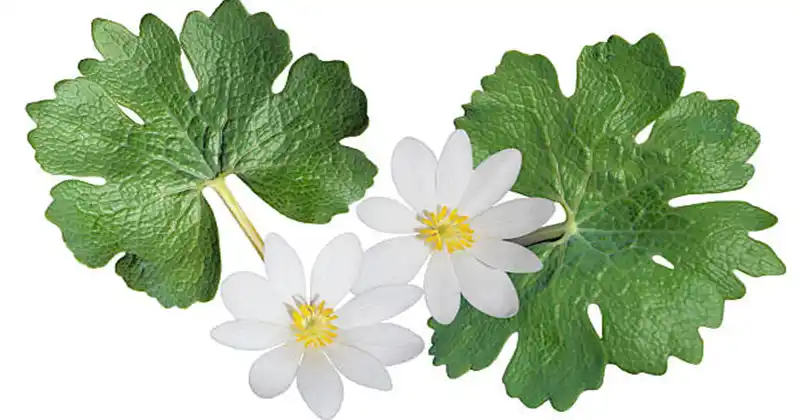
Safe Handling and Storage
-
Harvest with care: The root is traditionally collected in early spring. Gloves are recommended, as the sap may irritate skin.
-
Drying: Roots are cleaned, sliced, and air-dried away from direct sunlight.
-
Storage: Keep in sealed glass containers, protected from moisture and light.
-
Dosage philosophy: In traditional herbalism, less is more. Even a trace amount was considered sufficient.
Important Safety Notice
Bloodroot is a highly potent plant. Excessive or improper use may cause skin burns, digestive distress, or toxic reactions. It should never be used daily, applied to large skin areas, or taken internally without expert supervision. Pregnant or breastfeeding individuals should avoid it entirely.
Bloodroot is not a substitute for medical treatment and should always be approached with caution, respect, and informed judgment.
A Powerful Reminder from Nature
Bloodroot (Sanguinaria canadensis) stands as a reminder that some of nature’s smallest plants hold immense power. Its vivid red sap and long history of use teach an important lesson: true herbal wisdom lies not in strength alone, but in restraint, understanding, and respect.
Handled responsibly, Bloodroot remains one of the forest’s most fascinating botanical treasures.
🌿 Inspired by this story? Share it with friends who love nature, herbal wisdom, and forgotten plant knowledge.
News in the same category
The Hidden Power of Lactuca serriola Root (Prickly Lettuce Root)
Yellow Nutsedge (Cyperus esculentus): Benefits and Uses Explained for Beginners
Passion Flower Power: Why This Gentle Plant Deserves a Place in Your Home
Mullein and Ear Problems: Nature’s Remedy for Gentle Relief
Discover How to Make and Enjoy This Traditional African Herbal Combo for Women’s Wellness in 2025
Echinacea (Coneflower): 25 Benefits and How to Use It at Home
🌿 The “Hidden Herb” Ancient Healers Protected: Is Nutgrass the Ultimate Secret to Natural Health?
Juniper: 20 Remarkable Benefits and How to Use It
Warm Herbal Drinks and Circulation: Why Consistency Matters More Than Strength
The Hidden Power of the Honey Locust Tree (Gleditsia triacanthos): Health, Healing, and Everyday Uses
How to use guava to treat eye problems — natural remedies for the eyes

Dust cinnamon lightly on your lips. It works so fast it feels wrong
He Is the Least Likely to Have This Health Problem, According to Researchers
Eat Garlic Daily, But Avoid These 8 Common Mistakes That Ruin Its Benefits
The Leaf Everyone’s Talking About: Soursop Leaves and Their Potential Wellness Benefits
The Forgotten 100-Year-Old Golden Tea That Melts Cholesterol, Balances Blood Sugar, and Restores Kidneys
7 Benefits and Uses of Castor Oil
10 Reasons to pick purple dead nettle this spring
News Post

The Foster Kid Who Returned a Lost Wallet — The Owner Opened It and Started Shaking…
Life stories 07/02/2026 00:59

A Bus Passenger Complained About a Crying Baby — Until the Father Explained Why
Life stories 07/02/2026 00:34

An 80-Year-Old Woman Leaves Everything to Her Granddaughter — Not Her Children
Life stories 07/02/2026 00:25

My Dad Is a Hero
Life stories 07/02/2026 00:08

What Happens to Your Body When You Eat Cottage Cheese Regularly
Health 06/02/2026 23:34
7 Foods To Help You Live a Longer, Healthier Life
Tips 06/02/2026 23:32

The Face She Ran From
Life stories 06/02/2026 23:26

Clogged Sink? Don’t Use Hot Water
Tips 06/02/2026 23:25

Natural Ways to Clear Blackheads and Whiteheads
Tips 06/02/2026 23:22

Weekly Vinegar Foot Soak
Health 06/02/2026 23:19

If you feel itching in these 3 areas, here’s what your body might be trying to tell you
Health 06/02/2026 23:17

Street Kid Hero
Life stories 06/02/2026 23:08
Natural Drink That Helps Fight Diabetes, High Blood Pressure, and Poor Circulation
Health 06/02/2026 23:00
This Herbal Tea Improves Blood Circulation, Lowers Cholesterol, and Boosts Vision, Memory, and Sleep
Health 06/02/2026 22:58

Lemon + Nopal Drink: The Natural Detox That Helps Reduce Bloating, Support Kidneys, and Slim Your Waist in 7 Days
Health 06/02/2026 22:56

The Boy She Refused to Trust Held Her Son’s Life
Life stories 06/02/2026 20:24
Albizia julibrissin (Mimosa Tree): 20 Essential Benefits and How to Use It
Garden Healthy 06/02/2026 15:17
The Hidden Power of Lactuca serriola Root (Prickly Lettuce Root)
Garden Healthy 06/02/2026 15:15
Yellow Nutsedge (Cyperus esculentus): Benefits and Uses Explained for Beginners
Garden Healthy 06/02/2026 15:12