
Garden Healthy 06/02/2026 15:12
Yellow Nutsedge (Cyperus esculentus): Benefits and Uses Explained for Beginners
Yellow Nutsedge (Cyperus esculentus): A Beginner’s Guide to Benefits and Uses
Yellow nutsedge (Cyperus esculentus), often known as tiger nut, earth almond, or chufa, is a grass-like plant that grows from small underground tubers. Although many gardeners consider it a persistent and frustrating weed, this humble plant has long been appreciated in various cultures as a nutritious food, a traditional remedy, and a natural source of high-quality oil.
Originally native to Africa, yellow nutsedge has spread widely and now grows in many warm and temperate regions around the world. It commonly appears in gardens, farmland, riverbanks, and sandy soils near water. While the leafy part of the plant may look ordinary, the real treasure lies beneath the soil. Its tubers are naturally sweet, slightly nutty, and surprisingly rich in nutrients, making them the most valuable part of the plant.
If you’ve only ever known yellow nutsedge as an unwanted weed, it’s time to see it from a completely different perspective.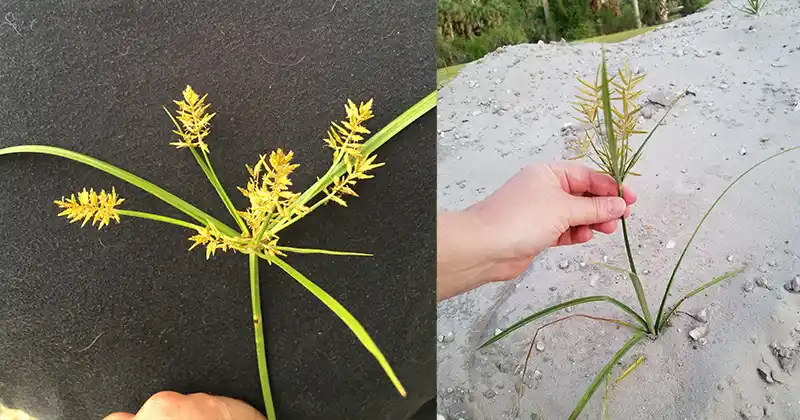
Nutritional Profile of Tiger Nuts
Tiger nut tubers are small but nutritionally powerful. For centuries, they have served as an important energy source and survival food in some regions. They typically contain:
-
Healthy fats, especially monounsaturated fats similar to those found in olive oil
-
High levels of dietary fiber that support digestion and gut health
-
Plant-based protein, making them suitable for vegetarians and vegans
-
Vitamins such as vitamin E and vitamin C
-
Essential minerals including magnesium, phosphorus, potassium, and iron
-
Natural sugars that provide quick yet balanced energy
-
Resistant starch, which plays a role in blood sugar regulation
This unique combination of nutrients makes tiger nuts both filling and nourishing.
Health Benefits of Yellow Nutsedge
1. Supports Digestive Health
The high fiber content helps promote regular bowel movements, reduce constipation, and encourage the growth of beneficial gut bacteria.
2. Promotes Heart Health
Monounsaturated fats may help lower “bad” LDL cholesterol while supporting healthy blood pressure levels.
3. Provides Natural Energy
Tiger nuts offer steady, long-lasting energy thanks to their balance of fats, carbohydrates, and natural sugars—without the need for caffeine.
4. Helps Regulate Blood Sugar
Resistant starch slows glucose absorption, which may help maintain more stable blood sugar levels.
5. Aids Weight Management
Fiber increases feelings of fullness, helping reduce overeating and unnecessary snacking.
6. Rich in Antioxidants
Vitamin E and other plant compounds help protect cells from oxidative stress and support healthy aging.
7. Supports Bone and Muscle Function
Magnesium and potassium play key roles in bone strength, muscle movement, and nerve signaling.
8. May Support Fertility and Vitality
In several African traditions, tiger nuts are believed to enhance libido and support reproductive health.
9. Naturally Dairy-Free Milk Alternative
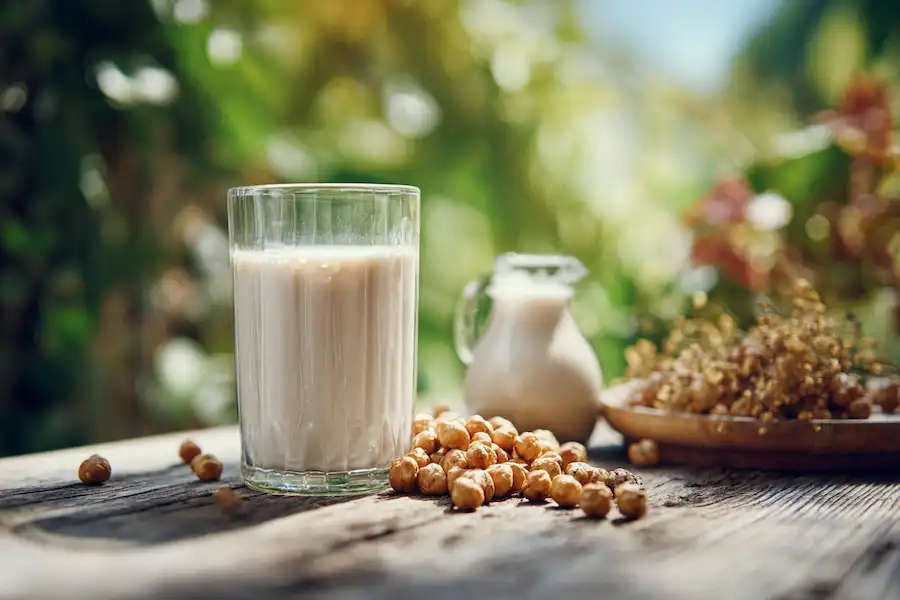
Tiger nut milk, known as horchata de chufa, is naturally lactose-free and suitable for people with dairy sensitivities.
10. Supports Skin Health
Vitamin E contributes to skin hydration, elasticity, and protection from environmental damage.
Traditional and Medicinal Uses
In traditional and folk medicine, Cyperus esculentus has been used for generations to:
-
Ease diarrhea and digestive discomfort
-
Reduce bloating and gas
-
Act as a mild diuretic to support kidney function
-
Soothe coughs when mixed with honey in traditional remedies
These uses are based on traditional knowledge. Scientific research is still ongoing, so it’s best to consult a healthcare professional before using tiger nuts for medicinal purposes.
Culinary Uses of Tiger Nuts
1. Fresh or Dried Consumption
Tiger nuts can be eaten raw for a chewy texture, roasted for a crunchy bite, or dried for long-term storage.
2. Tiger Nut Milk
The famous Spanish drink horchata de chufa is made by soaking, blending, and straining tiger nuts. The result is a naturally sweet, creamy, and refreshing beverage.
3. Baking and Cooking
Tiger nut flour is gluten-free and adds a mildly sweet, nutty flavor to breads, cookies, pancakes, and cakes.
4. Oil Extraction
Tiger nut oil is light, stable at high temperatures, and pleasant in taste. It is also commonly used in skincare and hair products.
Gardening and Agricultural Uses
Although yellow nutsedge is often treated as a weed, it has useful agricultural qualities when managed properly:
-
Cultivated as a food crop in parts of Africa, Spain, and the Middle East
-
Its dense root system helps stabilize soil and reduce erosion
-
The flowers can attract pollinators, supporting local biodiversity
Other Practical Uses
-
Cosmetics: Tiger nut oil is used in creams, lotions, and hair oils for its moisturizing properties
-
Animal Feed: Tubers can supplement feed for poultry and pigs
-
Survival Food: Easy to identify and harvest, making it valuable in emergency or foraging situations
How to Collect and Use Yellow Nutsedge
-
Identification: Look for narrow, grass-like leaves, a triangular stem, and clusters of yellow-brown seed heads
-
Harvesting: Gently pull up the plant and dig around the roots to find marble-sized tubers
-
Cleaning: Wash thoroughly to remove dirt and sand
-
Preparation:
-
Eat raw or roasted
-
Soak before eating to soften the texture
-
Grind into flour or blend into milk
-
-
Storage: Refrigerate fresh tubers for short-term use or dry them for long-term storage
Cautions and Considerations
-
Allergies: Rare, but try small amounts if eating for the first time
-
Wild Harvesting: Avoid areas treated with pesticides or chemicals
-
Invasive Growth: If cultivating intentionally, manage spread carefully to prevent it from overtaking your garden
Final Thoughts
Yellow nutsedge (Cyperus esculentus) may be widely misunderstood as just another garden weed, but it is actually a remarkably versatile and valuable plant. From its sweet, crunchy tubers to its nutritious oil and traditional uses, it has supported human diets and wellness practices for centuries.
For beginners, learning how to identify, harvest, and use yellow nutsedge can completely change the way you view this plant. With the right knowledge, a common garden nuisance can turn into a hidden natural treasure.
Inspired by this? Share the article with your friends and help spread the knowledge! 🌱
News in the same category
The Hidden Power of Lactuca serriola Root (Prickly Lettuce Root)
Bloodroot (Sanguinaria canadensis): The Hidden Power of a Small Forest Flower

Passion Flower Power: Why This Gentle Plant Deserves a Place in Your Home
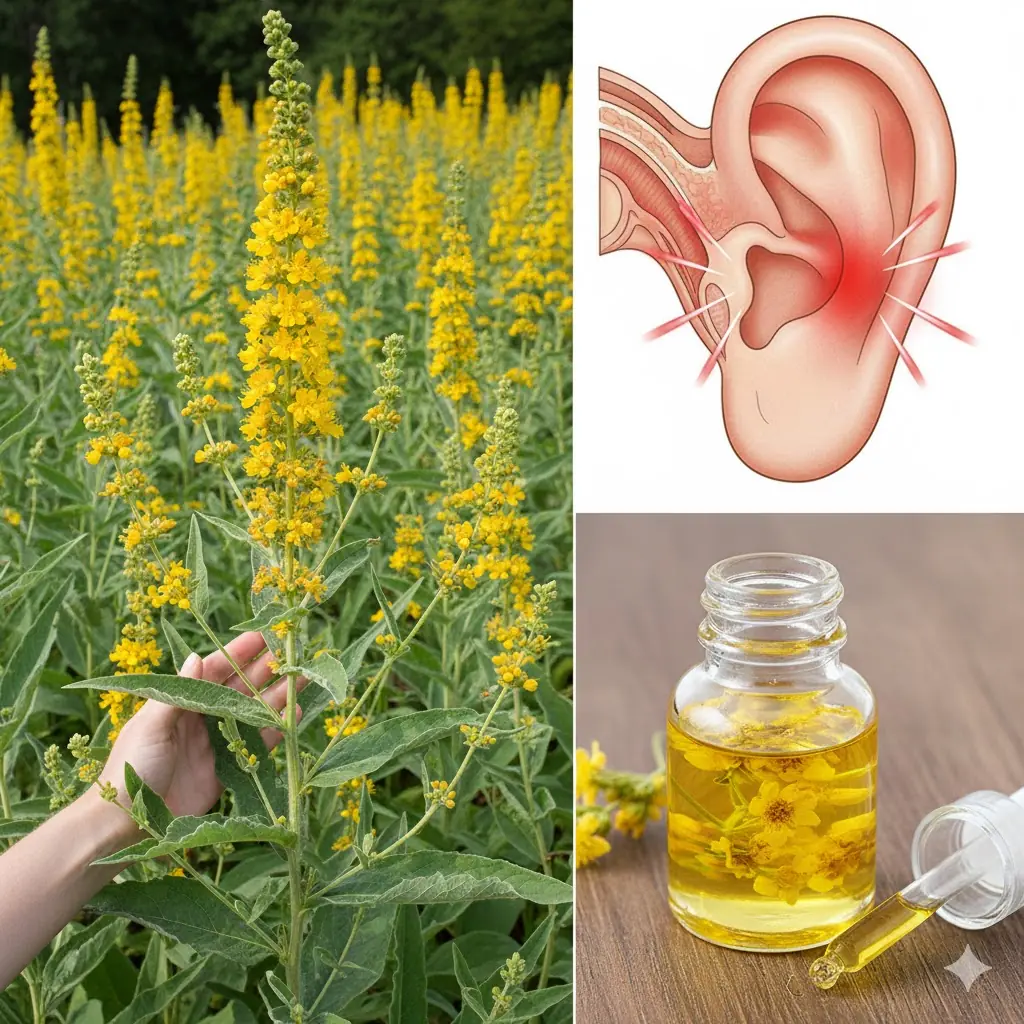
Mullein and Ear Problems: Nature’s Remedy for Gentle Relief

Discover How to Make and Enjoy This Traditional African Herbal Combo for Women’s Wellness in 2025
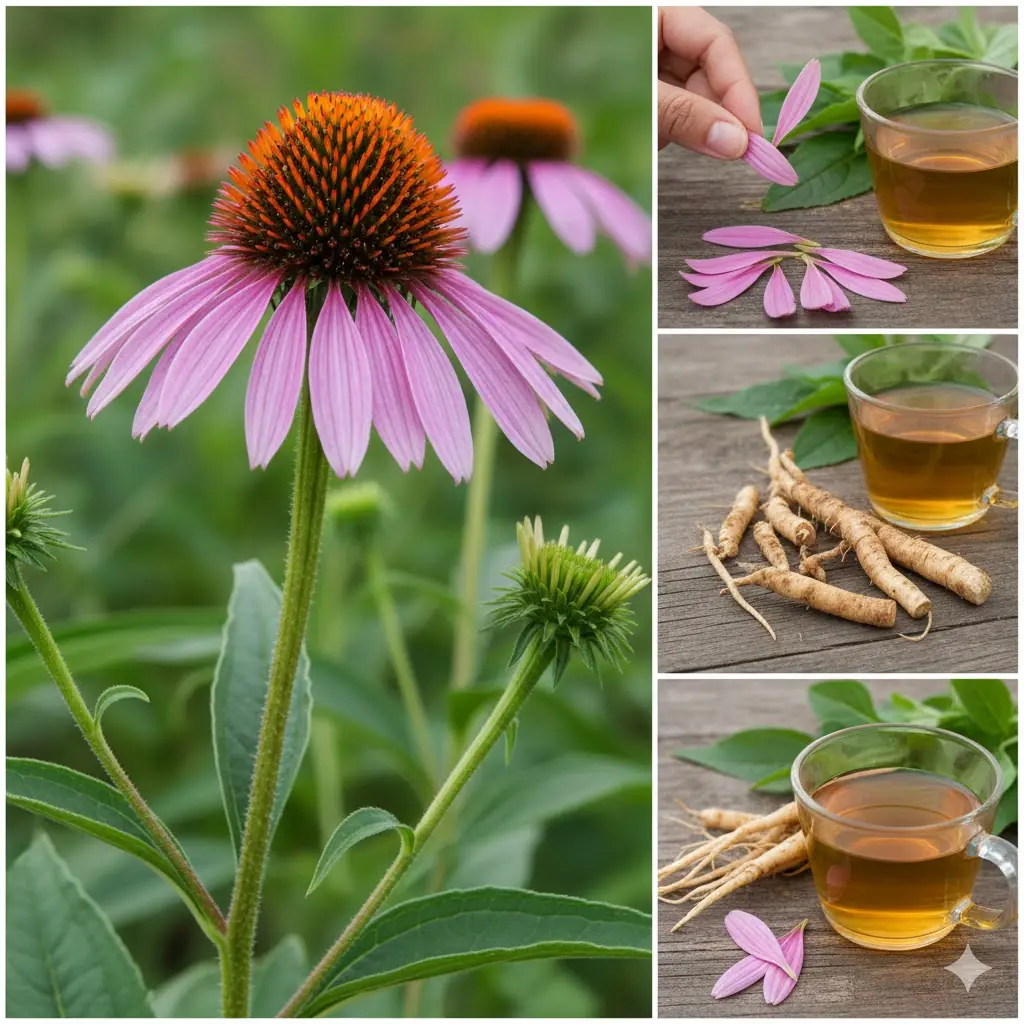
Echinacea (Coneflower): 25 Benefits and How to Use It at Home
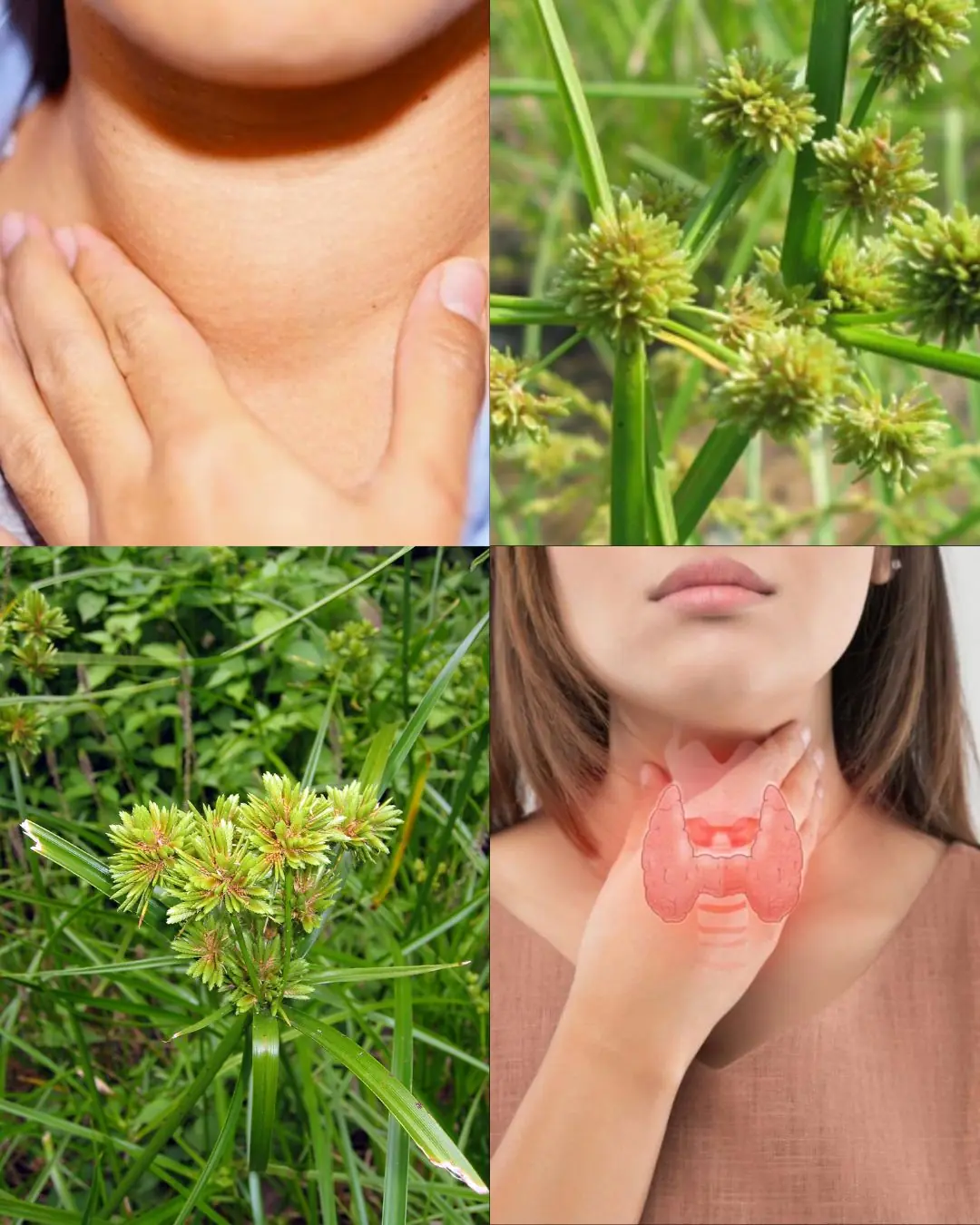
🌿 The “Hidden Herb” Ancient Healers Protected: Is Nutgrass the Ultimate Secret to Natural Health?
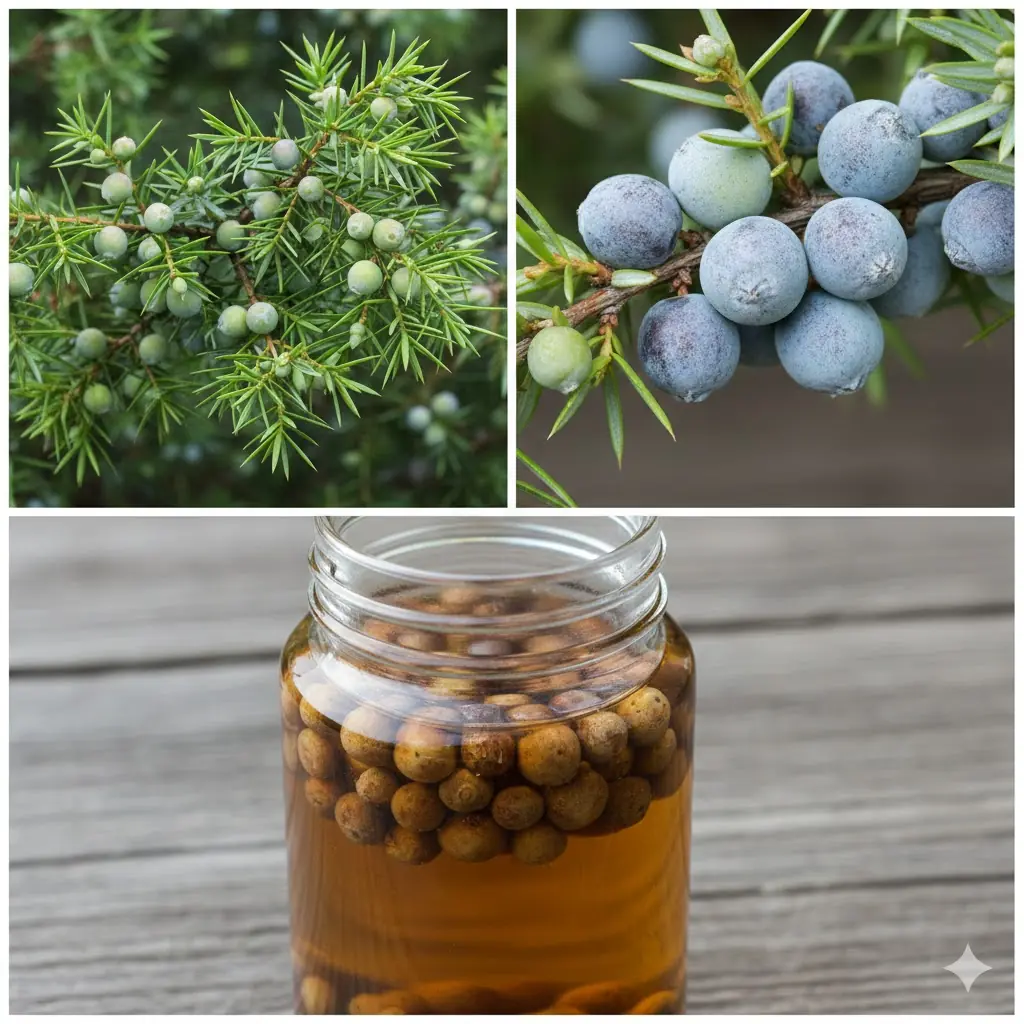
Juniper: 20 Remarkable Benefits and How to Use It

Warm Herbal Drinks and Circulation: Why Consistency Matters More Than Strength
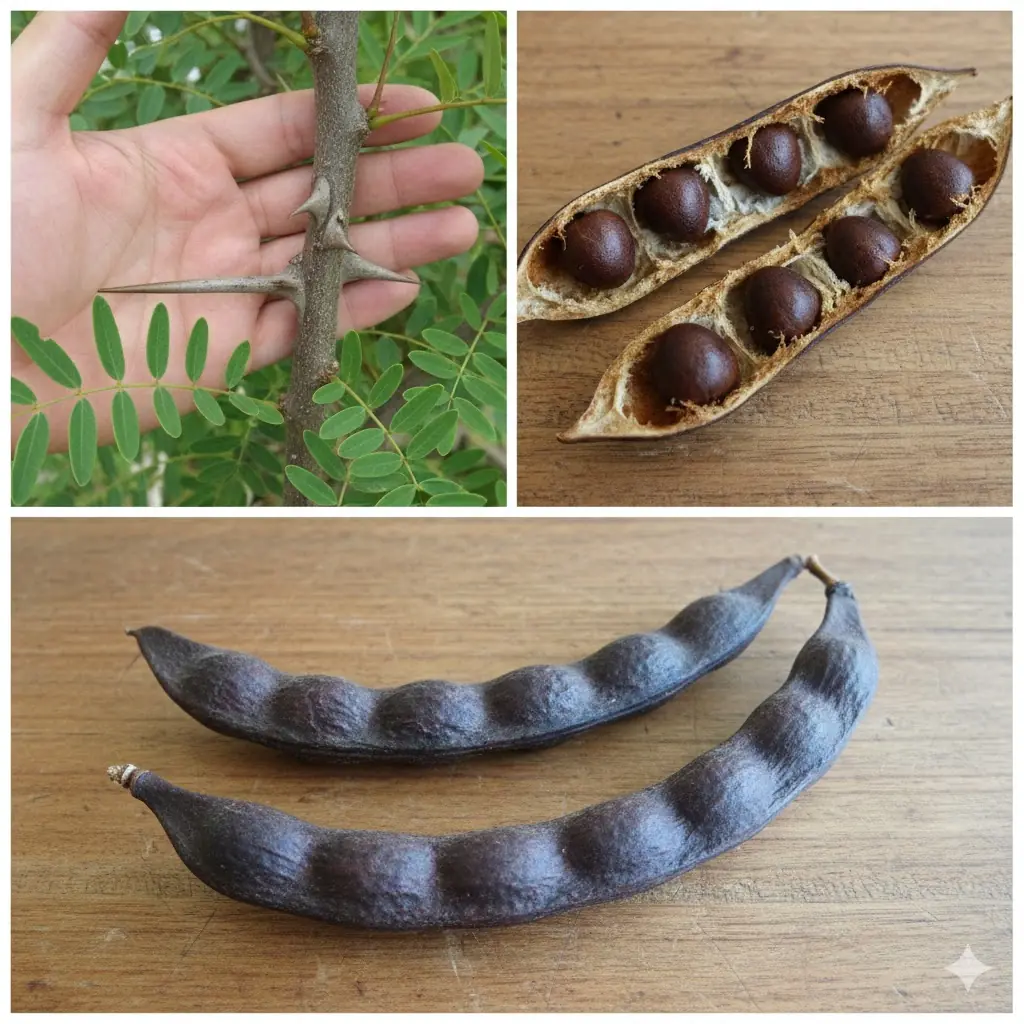
The Hidden Power of the Honey Locust Tree (Gleditsia triacanthos): Health, Healing, and Everyday Uses

How to use guava to treat eye problems — natural remedies for the eyes

Dust cinnamon lightly on your lips. It works so fast it feels wrong

He Is the Least Likely to Have This Health Problem, According to Researchers

Eat Garlic Daily, But Avoid These 8 Common Mistakes That Ruin Its Benefits

The Leaf Everyone’s Talking About: Soursop Leaves and Their Potential Wellness Benefits

The Forgotten 100-Year-Old Golden Tea That Melts Cholesterol, Balances Blood Sugar, and Restores Kidneys
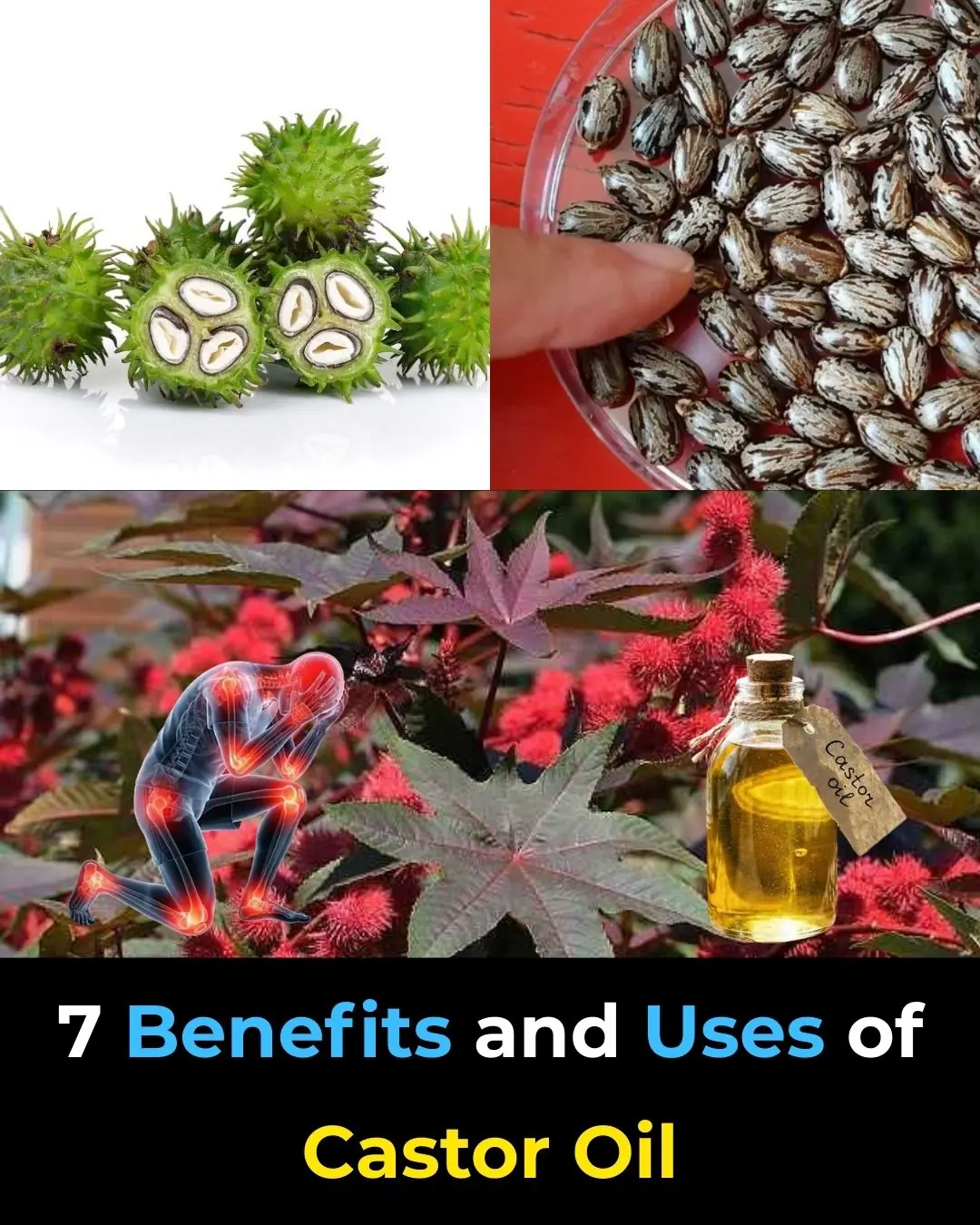
7 Benefits and Uses of Castor Oil

10 Reasons to pick purple dead nettle this spring
News Post

The Foster Kid Who Returned a Lost Wallet — The Owner Opened It and Started Shaking…
Life stories 07/02/2026 00:59

A Bus Passenger Complained About a Crying Baby — Until the Father Explained Why
Life stories 07/02/2026 00:34

An 80-Year-Old Woman Leaves Everything to Her Granddaughter — Not Her Children
Life stories 07/02/2026 00:25

My Dad Is a Hero
Life stories 07/02/2026 00:08

What Happens to Your Body When You Eat Cottage Cheese Regularly
Health 06/02/2026 23:34

7 Foods To Help You Live a Longer, Healthier Life
Tips 06/02/2026 23:32

The Face She Ran From
Life stories 06/02/2026 23:26

Clogged Sink? Don’t Use Hot Water
Tips 06/02/2026 23:25

Natural Ways to Clear Blackheads and Whiteheads
Tips 06/02/2026 23:22

Weekly Vinegar Foot Soak
Health 06/02/2026 23:19

If you feel itching in these 3 areas, here’s what your body might be trying to tell you
Health 06/02/2026 23:17

Street Kid Hero
Life stories 06/02/2026 23:08

Natural Drink That Helps Fight Diabetes, High Blood Pressure, and Poor Circulation
Health 06/02/2026 23:00

This Herbal Tea Improves Blood Circulation, Lowers Cholesterol, and Boosts Vision, Memory, and Sleep
Health 06/02/2026 22:58

Lemon + Nopal Drink: The Natural Detox That Helps Reduce Bloating, Support Kidneys, and Slim Your Waist in 7 Days
Health 06/02/2026 22:56

The Boy She Refused to Trust Held Her Son’s Life
Life stories 06/02/2026 20:24
Albizia julibrissin (Mimosa Tree): 20 Essential Benefits and How to Use It
Garden Healthy 06/02/2026 15:17
The Hidden Power of Lactuca serriola Root (Prickly Lettuce Root)
Garden Healthy 06/02/2026 15:15
Bloodroot (Sanguinaria canadensis): The Hidden Power of a Small Forest Flower
Garden Healthy 06/02/2026 15:14