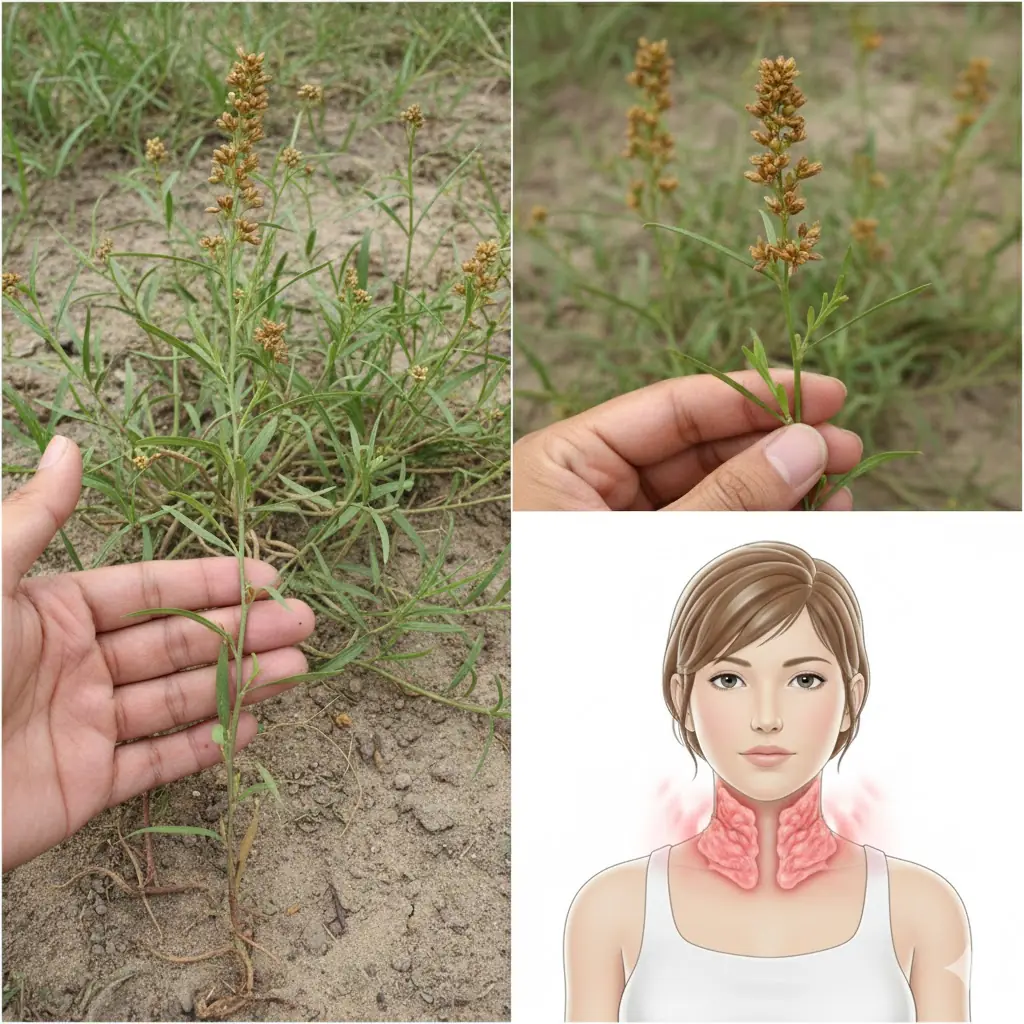
When our skin becomes itchy, we often attribute the discomfort to external factors such as sweat, hygiene products, laundry detergents, or the fabric of our clothing. While these are common triggers, persistent itching can sometimes reflect changes occurring inside the body rather than on its surface.
The skin is the body’s largest organ and often acts as a mirror of internal health. In many cases, unexplained or recurring itchiness may serve as an early warning sign that something within the body is out of balance. In medical terminology, chronic or persistent itching is referred to as pruritus. Although pruritus itself is not a disease, it may indicate underlying liver, circulatory, metabolic, kidney, or hormonal disorders that require attention.
Below are three body areas where recurring itchiness may signal an internal imbalance, along with possible causes and preventive measures.
1. Itching on the Nape of the Neck and Upper Back
The area extending from the base of the neck to the middle of the shoulder blades is one of the most commonly reported sites of unexplained itching. This region is particularly sensitive to muscle tension and circulatory changes.
Stress and emotional strain can contribute significantly to itching in this area. When the body is under stress, muscle tension increases and circulation may become restricted, leading to sensations such as burning, tingling, or persistent irritation. Reduced blood flow may also heighten nerve sensitivity, amplifying the itching sensation.
Other potential contributors include poor circulation, elevated blood pressure, and thyroid-related hormonal imbalances. Thyroid dysfunction, for example, can alter skin hydration and blood flow, sometimes resulting in dryness or irritation.
To manage these symptoms, individuals are encouraged to monitor their blood pressure regularly, practice stress-reduction techniques, and perform daily neck and shoulder stretches to improve circulation. If the itching persists despite these measures, consultation with a healthcare professional is strongly advised to rule out systemic causes.
2. Itching in the Legs: Calves and Ankles
Itching in the lower legs is often dismissed as a simple reaction to heat, friction from clothing, or dry skin. However, persistent itching in the calves and ankles may signal underlying cardiovascular or metabolic concerns.
When veins in the legs weaken—a condition often associated with chronic venous insufficiency—they struggle to return blood efficiently to the heart. As a result, blood can pool in the lower extremities, leading to swelling, heaviness, fatigue, and ongoing itchiness. Over time, this may also cause skin discoloration or thickening.
Metabolic disorders, particularly poorly controlled diabetes, can produce similar symptoms. Elevated blood glucose levels impair circulation and damage small blood vessels, which reduces oxygen delivery to the skin. This contributes to dryness, irritation, and delayed wound healing. Additionally, nerve damage associated with diabetes (diabetic neuropathy) may intensify abnormal skin sensations, including itching.
Kidney dysfunction can also play a role. When the kidneys are unable to effectively remove waste products from the bloodstream, toxins may accumulate and contribute to generalized or localized itching. In such cases, itching may be accompanied by skin dryness, peeling, or the appearance of small bumps.
To alleviate symptoms and support circulation, it is beneficial to elevate the legs briefly each day, engage in regular low-impact exercise such as walking, maintain adequate hydration, and monitor blood sugar levels if at risk for diabetes. Persistent or worsening symptoms warrant medical evaluation.
3. Itching in the Palms of the Hands or Soles of the Feet
Itching localized to the palms and soles is less commonly discussed but can be associated with liver dysfunction. The liver plays a critical role in filtering toxins from the bloodstream. When this function is impaired, substances such as bile salts may accumulate and circulate throughout the body.
These accumulated substances can irritate nerve endings, particularly in sensitive areas like the palms and soles, causing tingling, burning, or fine prickling sensations—often more noticeable at night. This type of itching may occur even in the absence of visible rash or skin changes.
In some cases, liver-related itching may be accompanied by additional symptoms such as jaundice (yellowing of the skin or eyes), persistent fatigue, reduced appetite, nausea, or digestive discomfort. These signs should not be ignored.
If such symptoms are observed, individuals should seek medical advice and request appropriate laboratory tests, including liver enzyme assessments. Lifestyle adjustments—such as reducing alcohol intake, limiting processed foods, and decreasing consumption of saturated fats—may also support liver health.
General Recommendations
Maintaining proper hydration, engaging in regular physical activity, and following a balanced diet are fundamental strategies for supporting overall health and skin function. Moisturizing regularly can also help reduce surface-level irritation, although it may not address deeper systemic causes.
It is important not to ignore persistent or unexplained itching, particularly when it lasts for several weeks or is accompanied by other symptoms. While occasional itchiness is common and often harmless, chronic pruritus may signal an underlying medical condition that requires professional evaluation.
If you suspect that your symptoms may reflect an internal issue, consult a healthcare provider for a thorough examination and appropriate diagnostic testing. Early detection and treatment can prevent complications and improve long-term health outcomes.