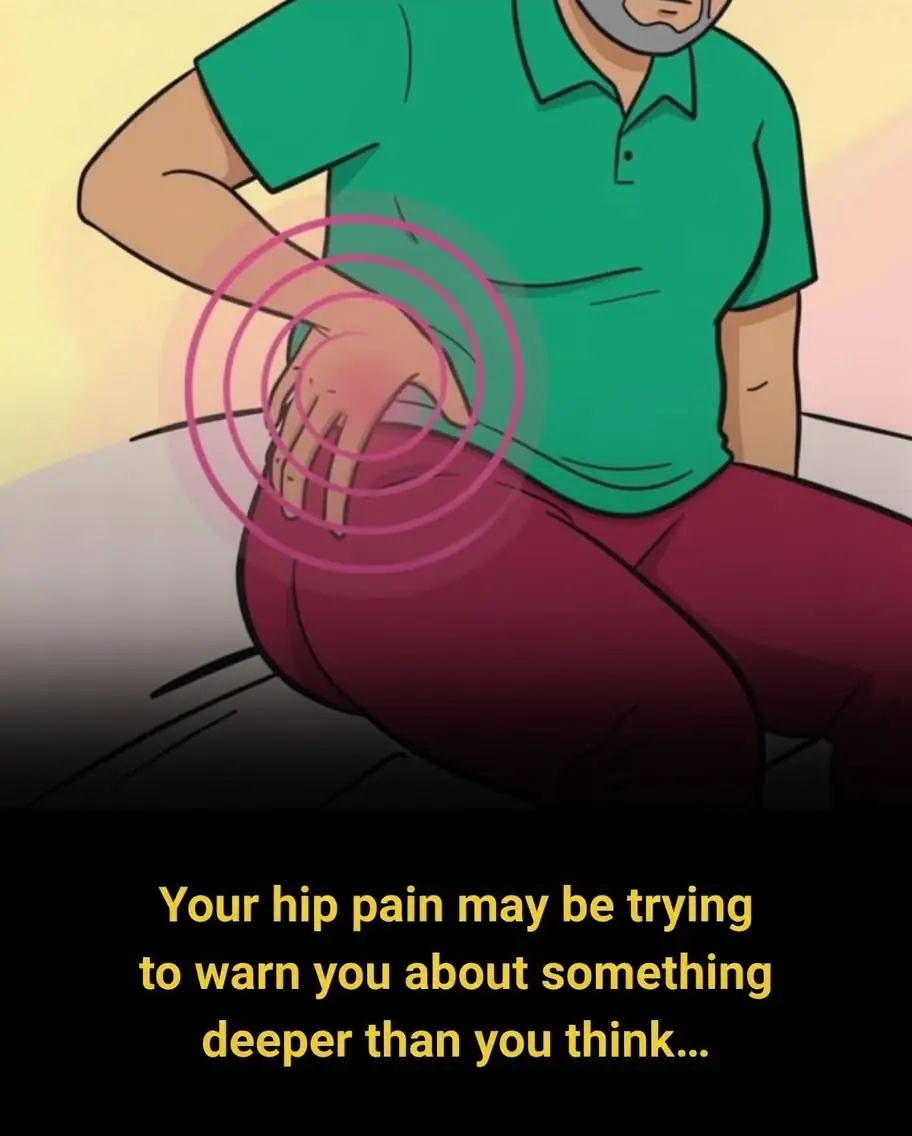
The Hidden Causes of Hip Pain That Doctors Want You to Know
Health 14/07/2026 12:06
Millions eat eggs every day, but few know these important safety rules.
Can Eating Eggs the Wrong Way Really Be Dangerous? Separating Facts From Fear
Eggs are packed with nutrients and enjoyed worldwide, but misleading headlines often leave people
wondering whether they are safe. Here's what science actually says.
Eggs have long been considered one of the most nutritious foods available. Rich in high-quality protein,
vitamins, minerals, and healthy fats, they are a staple in millions of diets around the world. Yet every year,
alarming headlines claim that eating eggs in a certain way can lead to serious illness—or even death.
While these stories often generate attention online, health experts say the real danger is usually not the egg
itself but how it is handled, stored, and prepared.


5
The biggest concern associated with eggs is bacterial contamination, particularly from Salmonella. This type
of bacteria can sometimes be found on eggshells or inside eggs and may cause foodborne illness if eggs are
consumed raw or undercooked.
Symptoms of Salmonella infection can include:
Nausea
Vomiting
Diarrhea
Stomach cramps
Fever
Dehydration
Most healthy adults recover within a few days. However, young children, older adults, pregnant women, and
people with weakened immune systems may face a higher risk of complications.
Experts emphasize that reports linking eggs to severe illness are typically connected to contamination rather
than the eggs themselves.
Another common mistake is improper food handling. Leaving eggs at room temperature for extended
periods can allow bacteria to multiply. Cross-contamination can also occur when raw eggs come into contact
with kitchen surfaces, utensils, or ready-to-eat foods
5
Food safety specialists recommend several precautions:
Cook eggs until both the whites and yolks are firm.
Refrigerate eggs promptly after purchase.
Wash hands thoroughly after handling raw eggs.
Clean surfaces and utensils that have come into contact with raw egg.
Avoid consuming eggs that are cracked or past their expiration date.
Nutrition experts also warn against believing sensational claims that portray eggs as inherently dangerous.
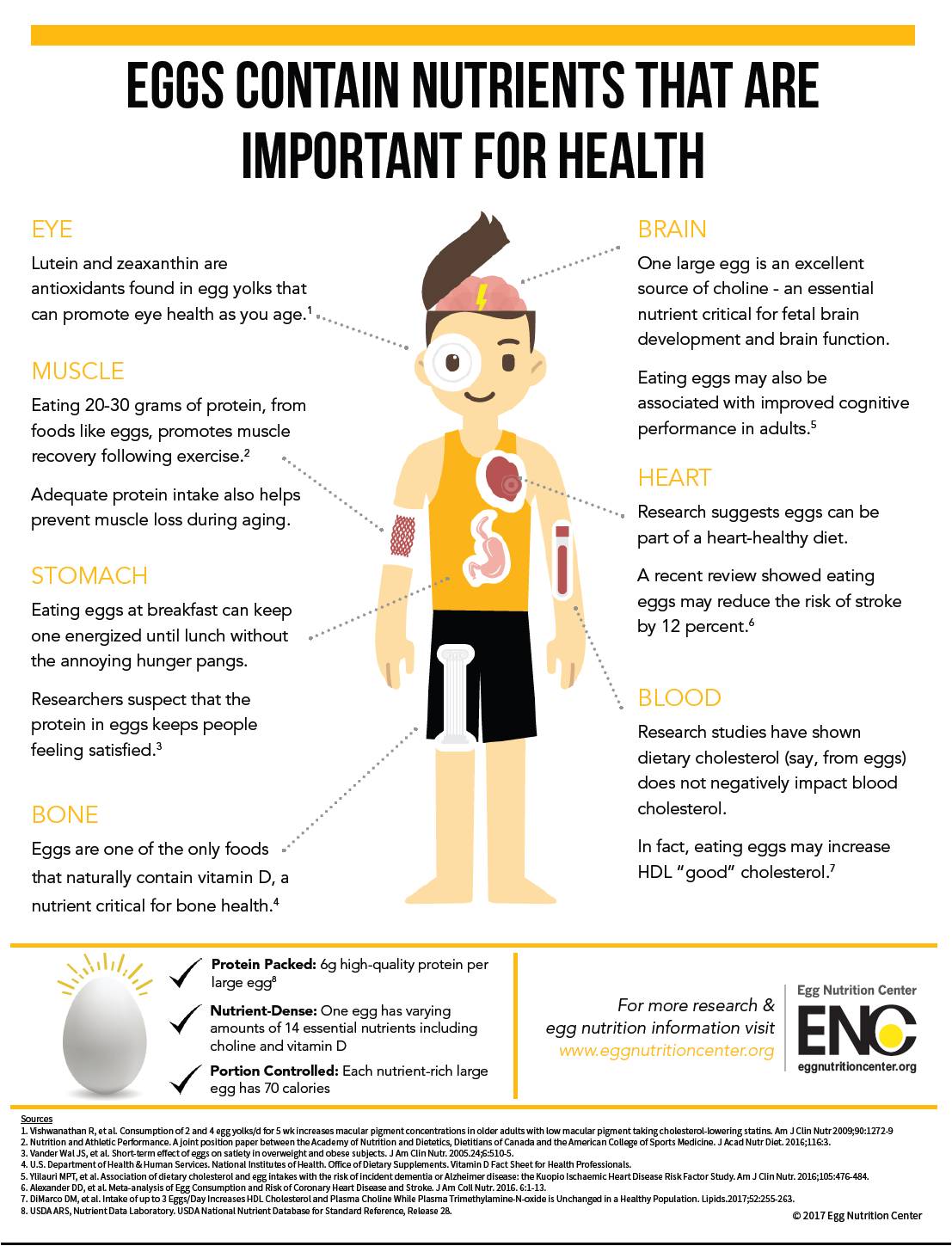
When prepared properly, eggs provide many important nutrients, including vitamin B12, vitamin D,
selenium, choline, and high-quality protein.
These nutrients play important roles in supporting muscle health, brain function, energy production, and
overall wellness.
In fact, research continues to show that eggs can be part of a healthy and balanced diet for most people. For
many individuals, a protein-rich breakfast containing eggs may help increase feelings of fullness and reduce
unnecessary snacking later in the day
5
Certain groups may need to take extra precautions. Pregnant women, elderly individuals, and people with
chronic illnesses are often advised to avoid raw or lightly cooked eggs and choose fully cooked preparations instead
Health professionals stress that context matters. The occasional headline suggesting that eggs are deadly
often leaves out critical details, such as contamination, poor storage, or unsafe preparation methods.
The bottom line is simple: eggs themselves are not the enemy. When sourced responsibly, stored correctly,
and cooked properly, they remain one of the most nutritious and affordable foods available.
Rather than fearing eggs because of alarming social media posts or exaggerated headlines, consumers should
focus on proper food safety practices and balanced nutrition. In most cases, enjoying eggs as part of a healthy
diet is both safe and beneficial.