Proven Health Benefits of Matcha Green Tea: Weight Loss, Cancer and More (Evidence Based)
Health 04/09/2026 11:32
Meta description: Apple cider vinegar is often promoted as a remedy for spider veins, purple marks, and uneven skin tone. Learn what it can—and cannot—do, why these changes appear, and which treatments actually work.
Red, blue, or purple marks on the legs can become more noticeable with age. Some look like tiny branching threads beneath the skin, while others appear as bulging veins, flat patches, or bruise-like discoloration.
Online remedies often promise that rubbing one simple solution—frequently apple cider vinegar—onto the legs can make these marks disappear.
Unfortunately, different types of discoloration have different causes, and no single kitchen ingredient can treat all of them.
A topical solution may temporarily moisturize, cool, or irritate the skin, but it cannot repair damaged vein valves or permanently close visible blood vessels beneath the surface.
Before trying to remove a purple mark at home, the first step is understanding what it might be.
Several unrelated conditions can make the legs look veiny, blotchy, or uneven.
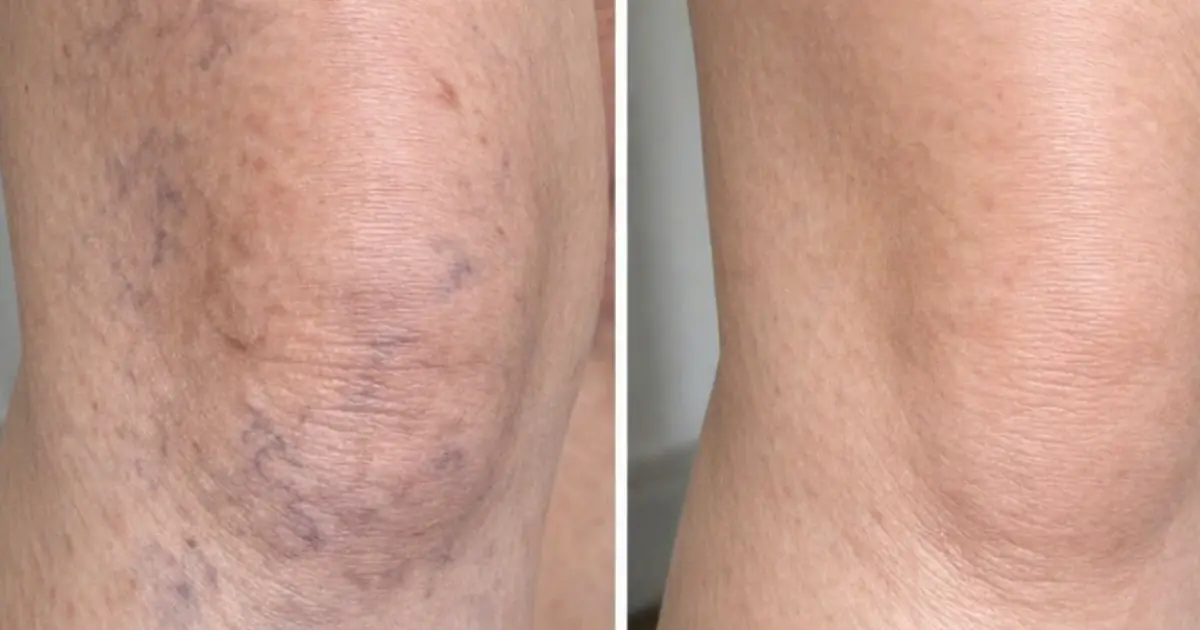
Spider veins are small damaged blood vessels located close to the skin’s surface. They may appear red, blue, or purple and often form patterns resembling tree branches or spiderwebs.
They are usually flat and do not create large bulges beneath the skin.
Spider veins are generally harmless and often represent a cosmetic concern. In some people, however, they appear alongside chronic venous insufficiency or larger varicose veins.
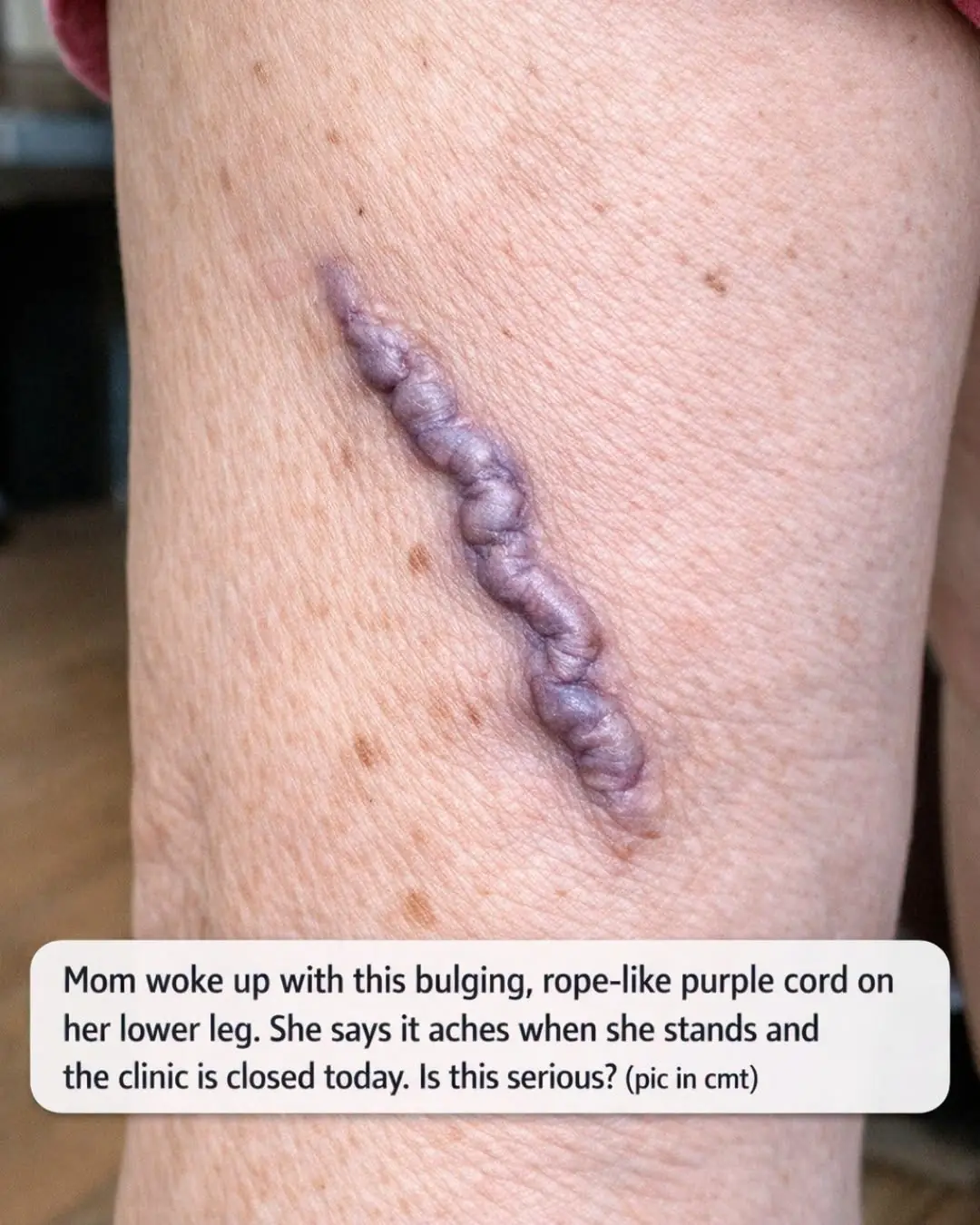
Varicose veins are larger superficial veins that become swollen, twisted, or raised.
They develop when vein walls weaken or valves fail to keep blood moving efficiently toward the heart. Blood then collects inside the vein, increasing pressure and causing it to widen.
Varicose veins may cause:
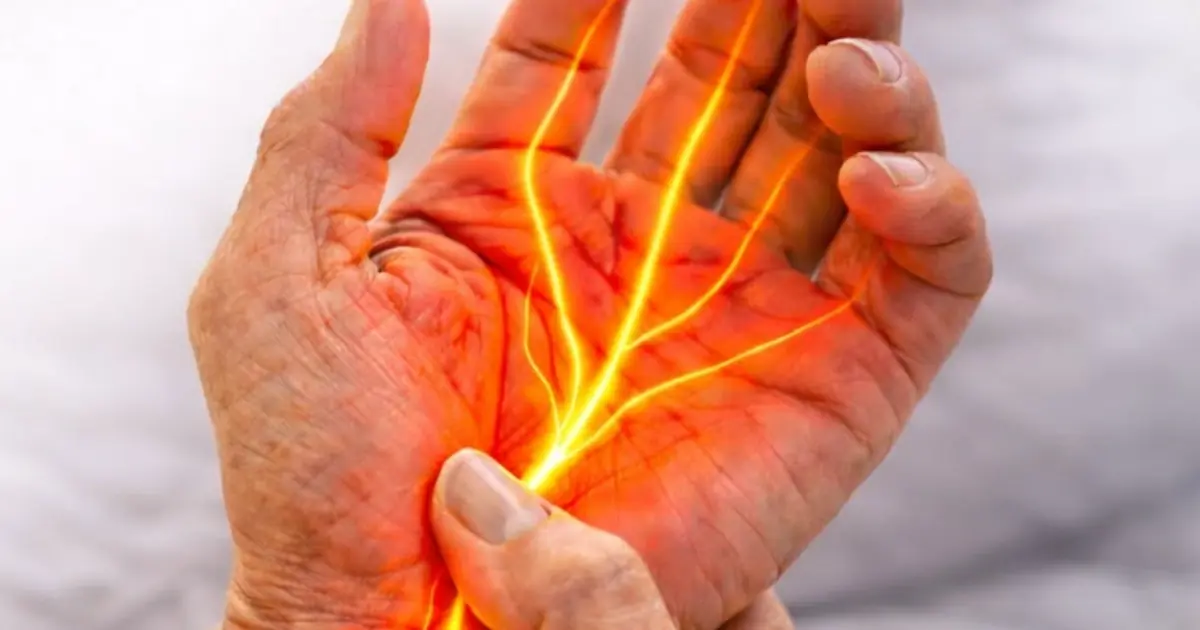
Aching or throbbing
Leg heaviness
Burning or itching
Swelling around the ankles
Nighttime cramps
Discomfort after prolonged standing
Skin discoloration
Dry or irritated skin
Unlike small spider veins, varicose veins sometimes require medical evaluation and treatment.
Bruises form when small blood vessels break and leak blood into surrounding tissue, usually following an injury.
A bruise commonly changes from red or purple to blue, green, yellow, or brown as it heals. Most gradually fade over one to three weeks.
Bruising that appears repeatedly without an obvious cause deserves medical attention.
Poor circulation in the leg veins can allow fluid and blood cells to leak into surrounding tissue. Iron-containing pigments from broken-down blood cells may then accumulate in the skin.
This can create reddish-brown, purple, or dark patches, especially around the ankles and lower legs.
The skin may also become itchy, dry, thickened, or inflamed. These changes may indicate chronic venous insufficiency rather than a simple cosmetic issue.
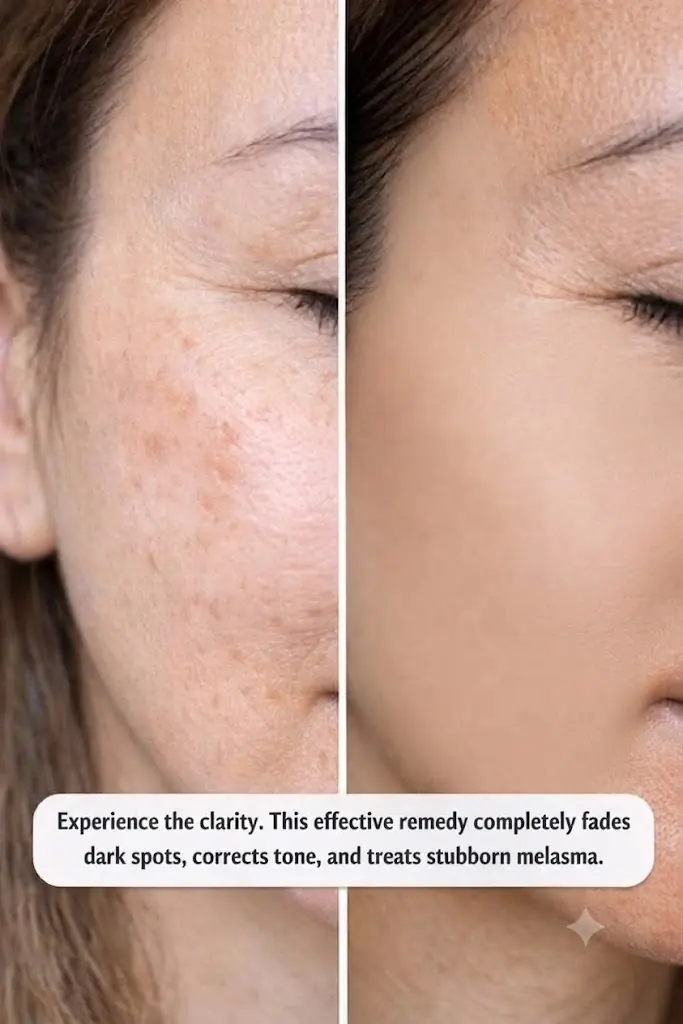
Uneven skin tone may also result from sun exposure, previous inflammation, eczema, healed injuries, medication, or another dermatological condition.
Because the causes vary, a remedy for pigmentation would not necessarily affect visible veins—and a vein procedure would not automatically remove every dark patch.
Spider and varicose veins become more common as people age, but they can affect younger adults as well.
Factors that may increase the likelihood include:
Family history
Pregnancy
Hormonal changes
Aging
Excess body weight
Prolonged sitting
Prolonged standing
Previous blood clots
Leg injuries
Limited physical activity
The veins in the legs must move blood upward against gravity. Small one-way valves help prevent blood from flowing backward.
When these valves or vein walls weaken, blood can pool inside superficial veins. The increased pressure may make them widen and become visible.
This is a structural problem beneath the skin, which explains why a substance rubbed onto the surface usually cannot eliminate it.
Apple cider vinegar is one of the most frequently promoted natural treatments for visible leg veins.
People are often advised to soak a cloth in diluted vinegar, wrap it around the legs, or massage the solution onto affected areas.
There is no strong evidence that this can permanently remove spider veins or varicose veins.
One small study examined external apple cider vinegar use alongside conventional measures in people with varicose veins. Participants reported improvement in some symptoms, but the study did not demonstrate that vinegar repaired damaged vein valves or eliminated the veins themselves.
Applying vinegar while elevating or massaging the legs may temporarily change how the legs feel. That does not mean the vinegar is treating the underlying vein problem.
Apple cider vinegar cannot:
Repair a faulty vein valve
Redirect blood through a healthier vein
Collapse an enlarged vein
Remove accumulated pigment from chronic venous disease
Treat a blood clot
Cure chronic venous insufficiency
Any claim that visible veins will vanish after a few days of topical vinegar should be treated cautiously.
Vinegar contains acetic acid. Applying it undiluted—or leaving it against the skin for a long time—can cause irritation and, in some cases, chemical burns.
Possible reactions include:
Redness
Burning
Stinging
Dryness
Peeling
Blistering
Darker or lighter pigmentation after inflammation
The risk may be higher on sensitive, recently shaved, damaged, eczematous, or ulcerated skin.
Never apply vinegar to an open sore, bleeding vein, infected area, or venous leg ulcer.
People with diabetes, poor circulation, reduced sensation, or delayed wound healing should be particularly cautious about experimenting with acidic home treatments.
Essential oils, garlic oil, witch hazel, aloe vera, and various herbal blends are also promoted for spider veins.
A moisturizer or cooling product may temporarily soothe dry or itchy skin. It will not close a damaged blood vessel underneath the skin.
Essential oils can also cause allergic contact dermatitis, irritation, or burns, especially when applied undiluted.
“Natural” does not automatically mean effective or harmless.
If a product makes the skin redder, more painful, more swollen, or more discolored, stop using it and seek medical advice when necessary.
Lifestyle measures cannot always remove veins that are already visible, but they may support circulation and reduce symptoms.
The calf muscles act as a pump that helps move blood back toward the heart.
Walking, cycling, swimming, and other forms of regular movement can support blood flow and reduce prolonged venous pressure.
Change position regularly if your work requires extended sitting or standing.
Take short walking breaks, move your ankles, and flex your calf muscles throughout the day.
Raising the legs while resting may temporarily reduce swelling and discomfort.
Support the legs comfortably rather than placing pressure directly behind the knees.
Excess body weight can increase pressure on the veins in the legs. Gradual weight management may help reduce symptoms and lower the risk of progression.
Chronic venous disease can make the lower legs dry and itchy.
A fragrance-free moisturizer may help protect the skin barrier, but it will not treat the faulty veins themselves.
Avoid scratching, because damaged skin is more vulnerable to infection and ulceration.
Medical compression stockings apply controlled pressure to the legs and may improve swelling, aching, and heaviness.
They must fit correctly. Compression is not suitable for everyone, particularly some people with impaired arterial blood flow.
Ask a healthcare professional which strength and size are appropriate before purchasing strong medical-grade stockings.
Professional treatment can close unwanted superficial veins so blood is redirected through healthier vessels. The treated vein is then gradually absorbed by the body.
Sclerotherapy is one of the most commonly used treatments for spider veins and small varicose veins.
A clinician injects a solution directly into the affected vessel. The solution irritates the vein lining, causing the vein to collapse and close.
The vein gradually fades over several weeks or months.
More than one treatment session may be necessary. Temporary bruising, swelling, discoloration, or small trapped areas of blood may occur.
Laser treatment directs controlled energy at visible blood vessels. Heat damages the targeted vessel, allowing it to close and gradually fade.
Laser treatment may be particularly useful for small vessels that are difficult to inject or veins in certain locations.
Several sessions may be required.
Larger varicose veins may be treated with heat delivered through a thin catheter inside the vein.
Radiofrequency or laser energy closes the faulty vessel, and blood is redirected through healthier veins.
This procedure is usually planned after an ultrasound examination.
Depending on the type and location of the vein, a specialist may recommend medical adhesive or ultrasound-guided foam sclerotherapy.
These procedures target the underlying abnormal blood flow rather than the skin surface.
Surgery is less commonly required than in the past, but it may still be appropriate for certain large or complicated varicose veins.
A vascular specialist can determine the most suitable treatment.
If visible veins are accompanied by pain, swelling, skin changes, or heaviness, a clinician may order a duplex ultrasound.
This noninvasive scan shows how blood moves through the veins and whether any valves are allowing backward flow.
Treating only the small visible veins without addressing an underlying circulation problem may produce disappointing or temporary results.
An ultrasound also helps distinguish superficial vein problems from conditions involving deeper veins.
Contact a healthcare professional if discoloration is new, unexplained, persistent, or worsening.
Arrange an evaluation if you notice:
Painful or bulging veins
Ongoing leg swelling
Increasing heaviness or aching
Warm, red, or inflamed skin
Significant itching or scaling
Hard or tender veins
Brown or purple discoloration around the ankles
A sore that does not heal
Repeated unexplained bruising
A skin patch that changes rapidly
Bleeding from a visible vein
A clinician can determine whether the problem is cosmetic, dermatological, vascular, or related to medication or another health condition.
A blood clot in a deep leg vein, known as deep vein thrombosis, requires urgent medical assessment.
Seek urgent care for:
Sudden swelling in one leg
New calf or thigh pain
Warmth in the affected area
Red, darkened, or unusually discolored skin
Unexplained tenderness
Call emergency services immediately if leg symptoms are accompanied by chest pain, sudden shortness of breath, coughing up blood, fainting, or a rapid heartbeat. These symptoms may indicate that a clot has traveled to the lungs.
Do not massage a leg when a blood clot is suspected.
A varicose vein near the skin surface can sometimes break and bleed significantly.
If this happens:
Lie down.
Raise the affected leg above the level of the heart.
Apply firm, direct pressure with a clean cloth or dressing.
Maintain continuous pressure without repeatedly lifting the cloth to check.
Seek urgent medical assistance.
Even if the bleeding stops, the vein should be professionally assessed because it may bleed again.
It may not be possible to prevent all spider or varicose veins, particularly when genetics, age, or pregnancy plays a role.
However, the following habits may support vein health:
Exercise regularly
Avoid sitting or standing still for long periods
Elevate the legs when resting
Maintain a comfortable weight
Avoid smoking
Protect the legs from injury
Follow medical advice after a blood clot
Use prescribed compression correctly
These measures may help reduce symptoms or slow progression, but they cannot guarantee that new veins will never appear.
Even after successful treatment, additional veins may develop elsewhere over time.
Apple cider vinegar and other topical home remedies have not been shown to permanently remove spider veins, repair varicose veins, or correct chronic venous insufficiency.
A topical solution may provide temporary cooling or make the skin feel smoother, but visible veins are structural blood vessels beneath the skin. Effective removal usually requires a procedure such as sclerotherapy, laser treatment, or endovenous ablation.
Purple spots and uneven tone can also result from bruising, pigmentation changes, inflammation, or circulation problems. Correctly identifying the cause is more important than applying the same remedy to every mark.
If the veins are purely cosmetic and cause no symptoms, treatment may be optional. If they are accompanied by pain, swelling, skin changes, bleeding, or a nonhealing sore, seek professional assessment.