Proven Health Benefits of Matcha Green Tea: Weight Loss, Cancer and More (Evidence Based)
Health 04/09/2026 11:32
Meta description: Tender red lumps that develop on the front of the shins and fade like bruises may be erythema nodosum. Learn about its symptoms, possible triggers, diagnosis, treatment, and warning signs.
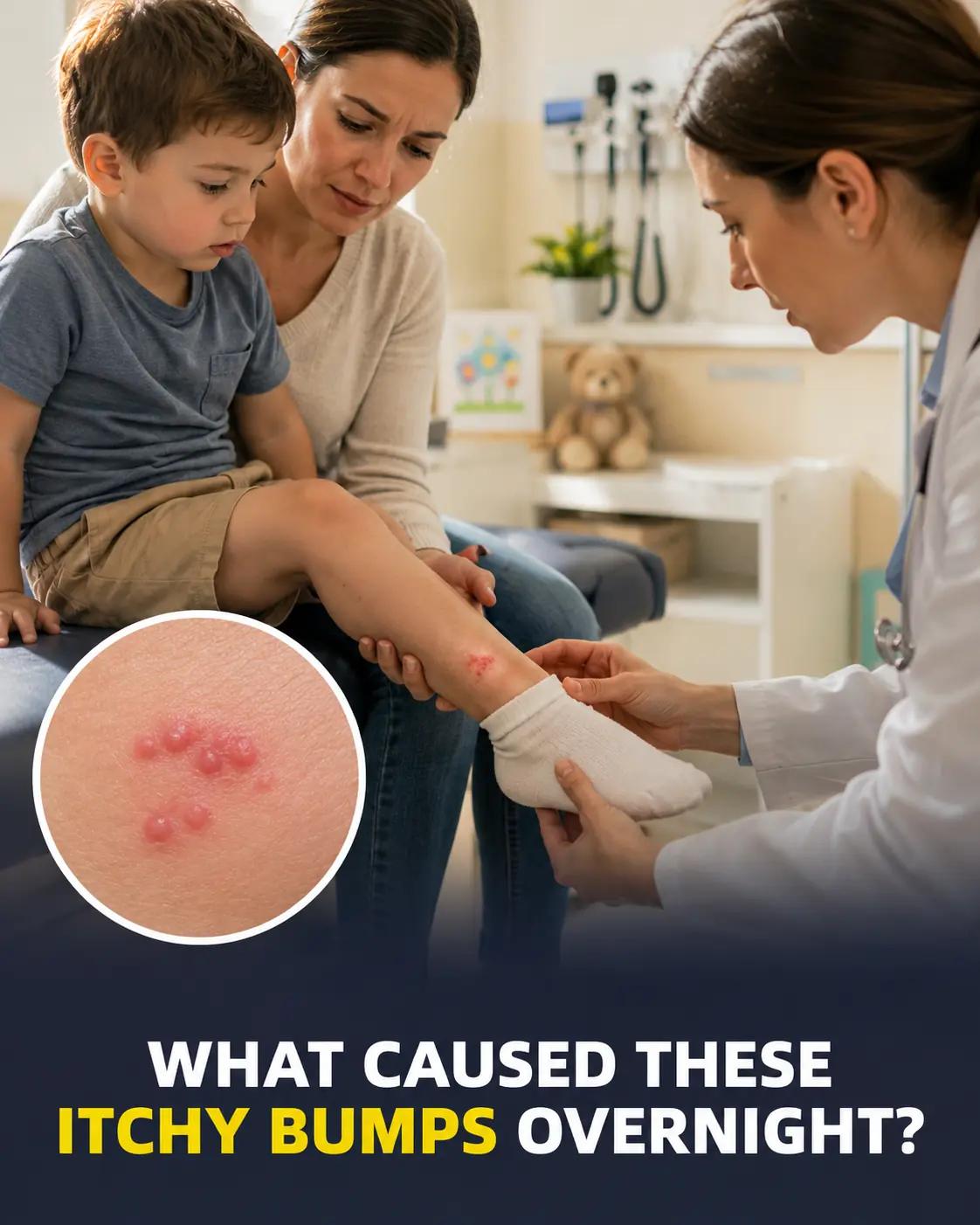
When raised red patches suddenly appear along the front of a child’s shins, they may initially look like insect bites, injuries, or unusual bruises.
If the areas feel warm, tender, and lumpy beneath the skin—and gradually change from red to purple or brown—one possible explanation is erythema nodosum.
Erythema nodosum is an inflammatory reaction affecting the layer of fat underneath the skin. The condition itself is usually temporary and often clears without scarring. However, it can develop in response to an infection, medication, or another health condition.
For this reason, unexplained tender nodules on the legs should be evaluated by a healthcare professional rather than treated as ordinary bruises at home.
Erythema nodosum is a form of inflammation known as panniculitis. Panniculitis affects the fatty tissue beneath the skin rather than only the skin’s surface.
The inflammation creates painful nodules that are most commonly found on the front of both lower legs.
The condition can affect people of any age, including children. Before puberty, it appears to affect boys and girls at similar rates. In adults, it is considerably more common among women.
Erythema nodosum is not a skin infection and is not contagious. It cannot be passed to another person by touching the bumps.
However, an infection that triggered the reaction—such as strep throat—may itself be contagious.
Erythema nodosum commonly begins with several raised, tender areas that develop over a few days.
The nodules may have the following characteristics:
Red or darker than the surrounding skin
Firm or lumpy beneath the surface
Warm to the touch
Painful or tender when pressed
Poorly defined rather than sharply outlined
Usually present on both shins
Several centimeters across
Not filled with fluid or pus
The bumps do not normally form open sores or ulcers.
As they heal, their appearance often changes in the same way as a bruise. A bright-red nodule may become purple, bluish, brown, yellow, or greenish before gradually flattening and fading.
These color changes do not necessarily mean that the condition is worsening. They can be part of the normal healing process.
On darker skin tones, the initial redness may be subtle. The nodules may appear purple, brown, or darker than the surrounding skin.
The skin changes may be accompanied by symptoms elsewhere in the body.
These can include:
Fever
Fatigue
Headache
A general feeling of illness
Aching muscles
Painful or swollen joints
Swelling around the ankles
Reduced appetite
Sore throat
Cough
Abdominal discomfort or diarrhea
Joint discomfort—particularly around the ankles, knees, or wrists—can sometimes continue after the skin lesions begin to fade.
Some people experience flu-like symptoms before the lumps appear. Others feel well apart from the tenderness in their legs.
Erythema nodosum is thought to occur when the immune system reacts strongly to a trigger elsewhere in the body.
The nodules are therefore often a sign of another process rather than a disease isolated to the skin.
In many cases, no definite cause is ever identified. When a trigger is found, it commonly falls into one of the following categories.
Streptococcal throat infection is one of the most common identifiable causes of erythema nodosum in children.
The skin reaction may appear during the illness or several weeks after the sore throat has improved.
A child does not always have obvious throat pain at the time the nodules develop. The doctor may therefore recommend a throat swab or blood test for recent streptococcal infection.
If an active bacterial infection is confirmed, appropriate antibiotics may be prescribed. Antibiotics do not directly erase the skin nodules, but they treat the underlying infection.
A variety of infections have been associated with erythema nodosum, including:
Viral respiratory infections
Mycoplasma respiratory infection
Tuberculosis
Certain fungal infections
Salmonella
Campylobacter
Yersinia
Other gastrointestinal infections
Which infections are considered will depend on the person’s age, symptoms, travel history, location, and possible exposures.
Testing everyone for every possible infection is neither necessary nor helpful. A healthcare professional will select investigations based on the medical history and examination.
Erythema nodosum can sometimes develop after starting a medication.
Medicines that have been associated with the condition include:
Certain antibiotics
Penicillin-related drugs
Amoxicillin
Sulfonamide medicines
Some hormonal medications
A reaction may occur even if the person has previously taken the same medicine without difficulty.
Do not stop a prescribed medication without speaking to the clinician who prescribed it. Suddenly discontinuing some medicines can create additional health risks.
The doctor can determine whether the medication is a likely trigger and whether an alternative is needed.
Erythema nodosum can occur in people with Crohn’s disease or ulcerative colitis.
Additional symptoms may include:
Recurrent abdominal pain
Persistent diarrhea
Blood in the stool
Unexplained weight loss
Poor growth in a child
Fatigue
Reduced appetite
The skin nodules may develop during a flare of intestinal inflammation, although this is not always the case.
A child with erythema nodosum and persistent digestive symptoms should receive further evaluation.
Sarcoidosis is an inflammatory disease that can affect the lungs, lymph nodes, skin, eyes, and other organs. It is a recognized cause of erythema nodosum in adults but is less common in young children.
Other inflammatory or immune-related conditions may also be associated with the rash.
These causes are much less common than ordinary infections, particularly in children. Their inclusion on a list does not mean that someone with shin nodules probably has a serious disease.
Pregnancy can trigger erythema nodosum in some adults. Hormonal medications may also be associated with the condition.
This possible cause applies primarily to adults and older adolescents rather than young children.
Even after a medical evaluation, the cause may remain unknown.
This is called idiopathic erythema nodosum. It does not necessarily mean that an important illness was missed.
In many such cases, the nodules resolve and do not return.
Bruises usually follow an impact or injury that damages small blood vessels. They are generally flat, although swelling may occur soon after an injury.
Erythema nodosum often:
Appears without remembered trauma
Produces multiple nodules
Affects both shins
Feels distinctly firm beneath the skin
Is warm and tender
Begins red before becoming bruise-like
Occurs with fever, joint pain, or recent illness
Bruises are more likely to appear over areas where a child commonly bumps into objects, such as the knees and lower legs. Active children often have several ordinary bruises at different stages of healing.
However, unexplained bruising combined with unusual bleeding, tiny non-blanching spots, pallor, fever, or significant illness requires prompt medical assessment.
Not every red or purple lump on the legs is erythema nodosum.
Other possibilities include:
Insect bites
Contact dermatitis
Hives
Cellulitis
Skin abscesses
Traumatic bruising
Inflamed cysts
Vasculitis
Other forms of panniculitis
Reactions to cold
Blood-clotting or platelet disorders
Cellulitis usually causes an expanding area of redness, warmth, swelling, and pain, often affecting one area rather than producing matching nodules on both shins.
An abscess may become increasingly painful and develop a soft center containing pus.
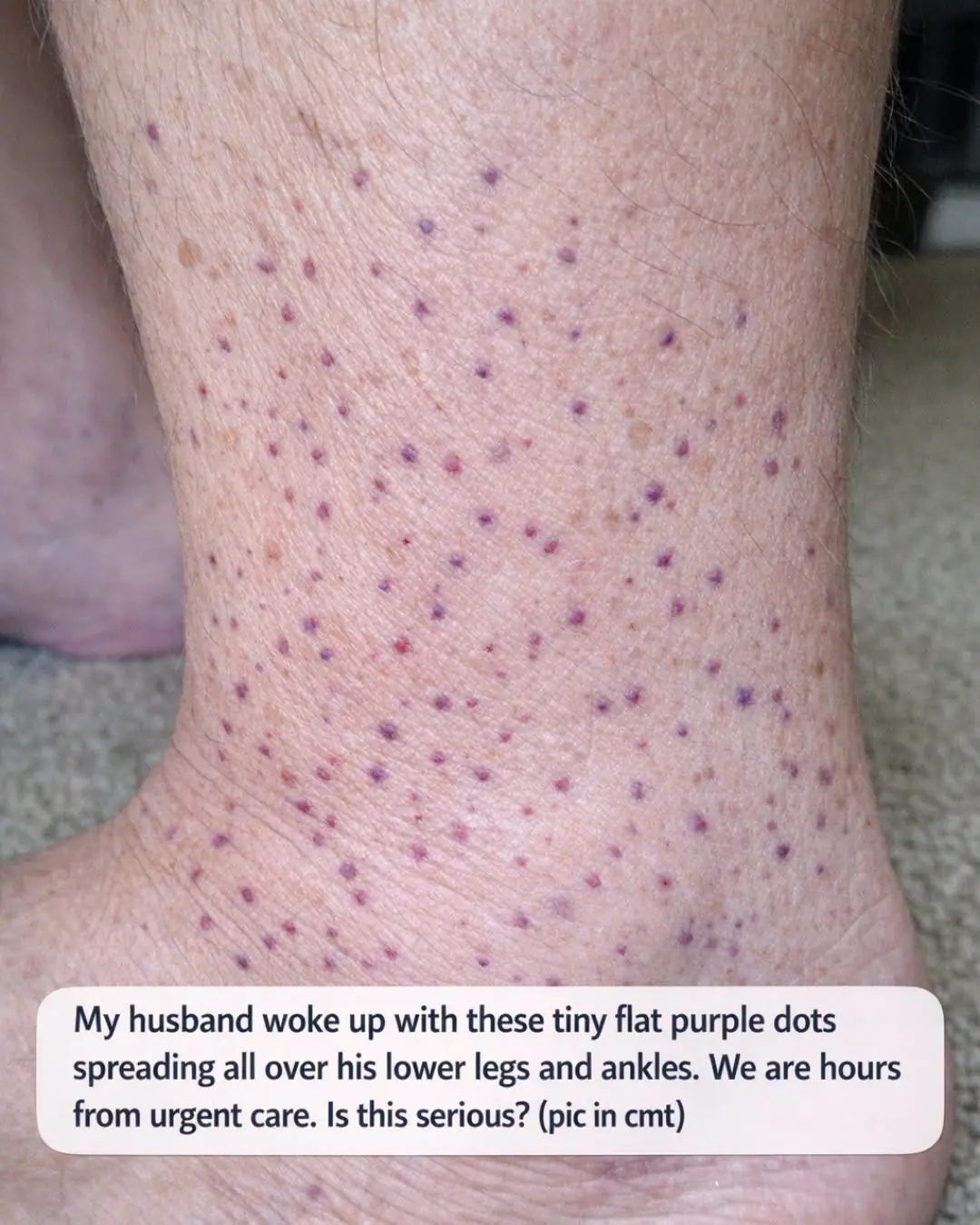
Vasculitis may cause purple spots that do not fade when pressed and can sometimes be associated with joint, abdominal, or kidney symptoms.
Because these conditions require different treatment, diagnosis should not be based on an online photograph alone.
A doctor can often recognize erythema nodosum from the location, texture, tenderness, and evolution of the lesions.
The evaluation may include questions about:
Recent sore throat
Fever or respiratory illness
Diarrhea or abdominal pain
Newly started medications
Travel
Tuberculosis exposure
Joint pain
Other rashes
Chronic medical conditions
Whether the nodules have occurred before
Depending on the findings, tests may include:
A throat swab
Blood tests
Testing for recent streptococcal infection
A chest X-ray
Tuberculosis testing
Stool testing
Other investigations guided by symptoms
A skin biopsy is not always necessary when the appearance is typical. It may be recommended if the location is unusual, the lesions persist, they ulcerate, or the diagnosis remains uncertain.
Treatment has two goals:
Relieve the pain and inflammation.
Identify and treat an underlying trigger when possible.
Many cases improve naturally as the immune reaction settles.
Standing, walking, or vigorous activity may increase discomfort during the most painful stage.
Temporary rest can help, but complete inactivity is not always necessary. Activity can usually be adjusted according to symptoms and medical advice.
Raising the legs on pillows while resting may reduce swelling and throbbing.
The position should be comfortable and should not place excessive pressure behind the knees.
A cool, damp cloth may temporarily soothe tender areas.
Do not place ice directly on the skin. Wrap a cold pack in a cloth and limit each application to a short period.
A clinician may recommend age-appropriate pain relief or an anti-inflammatory medicine.
Medication selection and dosing should be based on the child’s age, weight, medical history, and possible underlying cause.
Do not give aspirin to a child or teenager unless specifically directed by a doctor because of its association with a rare but serious condition called Reye syndrome.
Anti-inflammatory medicines may not be appropriate for people with certain kidney, stomach, bleeding, or inflammatory bowel conditions. Ask a healthcare professional before using them regularly.
If testing identifies an infection or inflammatory condition, treating that cause is an important part of care.
Antibiotics are useful only when a bacterial infection is confirmed or strongly suspected. They do not treat viral infections and should not be used solely because nodules are present.
If a medication is suspected, a clinician may recommend stopping or replacing it.
Because erythema nodosum develops in the fat beneath the skin, surface treatments usually do not remove it.
Avoid applying:
Undiluted essential oils
Apple cider vinegar
Rubbing alcohol
Bleach
Garlic
Toothpaste
Strong herbal pastes
Heat-producing creams
These products may irritate or burn the skin without affecting the underlying inflammation.
Do not massage, puncture, squeeze, or attempt to drain the nodules. They are not collections of pus and should not be treated like pimples or abscesses.
The nodules usually begin flattening over several weeks.
Many cases resolve within approximately three to eight weeks, although the timing varies. Joint pain or ankle swelling may last longer than the visible skin changes.
The lesions typically heal without permanent scars. Temporary discoloration may remain while the skin returns to its normal appearance.
Some people experience another episode later, especially if they encounter the same trigger again.
Persistent, ulcerating, unusually located, or repeatedly recurring nodules require further evaluation.
Contact a healthcare professional promptly if the child has painful, unexplained lumps on the shins, particularly when they occur on both legs.
Seek urgent assessment if the skin changes are accompanied by:
High or persistent fever
Difficulty breathing
Chest pain
Severe abdominal pain
Blood in the stool
Inability to walk
Severe joint swelling
Rapidly spreading redness
Pus or an open wound
Extreme tiredness or difficulty waking
Unusual bleeding
Widespread purple spots
Neck stiffness
A child who appears seriously unwell
Press a clear glass gently against a flat purple rash. If the color does not fade under pressure—especially when accompanied by fever or illness—seek urgent medical help. Do not use this test to assess deep, raised nodules or to delay care when a child seems unwell.
Tender, raised red lumps that appear along the front of both shins and gradually fade like bruises may be erythema nodosum.
The condition is an inflammatory reaction in the fat beneath the skin. It is usually temporary and typically heals without scarring.
In children, a recent streptococcal throat infection is one of the most common identifiable triggers. Other infections, medications, and inflammatory conditions may also be responsible, although no cause is found in many cases.
Because erythema nodosum can occasionally reveal an underlying illness, new unexplained nodules should be assessed by a healthcare professional.
Most affected children recover completely, but identifying the trigger—and recognizing symptoms that need urgent attention—is more important than trying to remove the lumps with a home remedy.